

Motmot

コサンショウクイ 対 ベニサンショウクイ

Pericrocotus cinnamomeus 対 Pericrocotus solaris

コサンショウクイとベニサンショウクイのクイズ
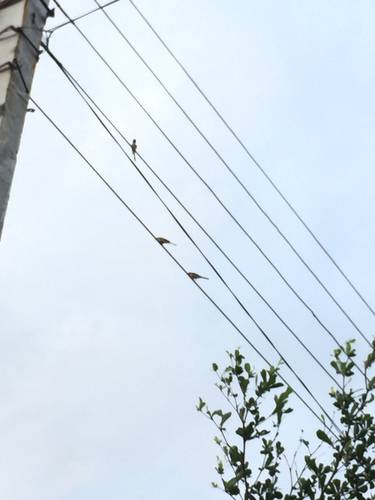
コサンショウクイ (Pericrocotus cinnamomeus) コサンショウクイ
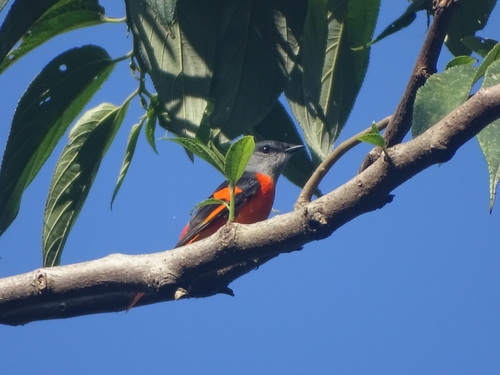
ベニサンショウクイ (Pericrocotus solaris) ベニサンショウクイ

メディア

読み込み中…

要点

コサンショウクイとベニサンショウクイの間で最も信頼できるフィールドマークは、腹部と頭の色と範囲です:コサンショウクイのオスは灰色の頭とオレンジの腹部を持ち、黄色にフェードしますが、ベニサンショウクイのオスは濃い灰色の頭と明確な淡灰色の顎、オレンジ黄色の喉を示します。両方の雌は上が灰色で下が黄色ですが、コサンショウクイの雌は顔にも黄色があります。ベニサンショウクイの幼鳥は背中に黄色オリーブのバーを示すことがありますが、コサンショウクイにはありません。生息地と標高も役立ちます:コサンショウクイは低地の種であり、ベニサンショウクイは山地の森林を好みます。サイズは似ていますが、ベニサンショウクイはわずかに長く、重いです。

識別のコツ

  1. Juvenile/immature plumage: 幼いベニサンショウクイの背中に黄色オリーブのバーを探してください;これはすべての年齢のコサンショウクイにはありません。これは若い鳥を区別するための最良のマークです。
  2. Male head and chin: オスのコサンショウクイは無地の灰色の頭を持ち、ベニサンショウクイのオスはコントラストのある淡灰色の顎とオレンジ黄色の喉を持つ濃い灰色の頭を持っています。淡い顎はベニサンショウクイの重要なフィールドマークです。
  3. Male underparts: コサンショウクイのオスは腹部で黄色にフェードするオレンジの腹部を持っていますが、ベニサンショウクイのオスはより均一なオレンジの腹部と下背部を持ち、喉はオレンジ黄色です。
  4. Female face and underparts: 雌のコサンショウクイは上が灰色で下が黄色、顔も含まれますが、ベニサンショウクイの雌は上が灰色で下が明るい黄色ですが、顔の黄色はそれほど広がっていません。
  5. Wing and tail patches: 両種は尾の端、腰、翼に色のついたパッチを持っていますが、コサンショウクイのものはオレンジ(オス)または黄色(雌)で、ベニサンショウクイのものはオレンジ(オス)または明るい黄色(雌)です。違いは微妙で、他のマークと一緒に使用するのが最適です。
  6. Racial variation in コサンショウクイ: 地域の羽毛の変異に注意してください—インド北西部の鳥(P. c. pallidus)はより淡く、オレンジが少ないですが、南部(P. c. malabaricus)はより暗く、下部がより広範囲にスカーレットです。これは特に鈍い個体でベニサンショウクイと混同を引き起こす可能性があります。
  7. Habitat and elevation: コサンショウクイは低地の種で、しばしば開けた森林や庭にいます;ベニサンショウクイは1,000–2,000 mの山地の森林に見られます。生息地と標高を強力な手がかりとして使用してください。
  8. Size: ベニサンショウクイはわずかに大きく、重いですが、これは両種が一緒に存在しない限り、フィールドで簡単に判断できません。
  9. Bill and structure: 両者は強く、暗いくちばしと類似の全体的な構造を持っています;これらは分離のための信頼できるものではありません。
  10. Sexual dimorphism: 両種は性的二形性を持っていますが、色のコントラスト(特に顔と顎で)はベニサンショウクイでより顕著です。
  11. Perched vs. flight views: ソースには特に上翼や飛行パターンの違いは記載されていません;すべてのビューで頭、顎、腹部の色に焦点を当ててください。
  12. Pitfalls: 雌と幼鳥は特に悪い光や距離で混同される可能性が最も高いです。顔の色、背中のバリ(幼鳥の場合)、生息地の組み合わせを使用して最良の結果を得てください。
  13. Do not rely on voice: 利用可能なソースには声の違いは記載されていません;分離のために歌や鳴き声を使用しないでください。
  14. Context: 低地の茂みや庭にいる場合、コサンショウクイの可能性が高いです;中標高の森林では、ベニサンショウクイを期待してください。
  15. When in doubt: 顎が明確に淡く、鳥が山地の森林にいる場合はベニサンショウクイを優先してください;顔が黄色で、鳥が低地の開けた国にいる場合はコサンショウクイを優先してください。

大きさ

ベニサンショウクイはわずかに大きく、長さは17–19 cm、重さは11–17 g(平均14 g)[wikidata]で、コサンショウクイは16 cm(質量は記載なし)[wikipedia]です。フィールドでは、このサイズの違いは微妙で、両種が並んで見られない限り診断的である可能性は低いです。構造(くちばし、尾、翼)は両者で類似しており、明確な分離を提供しません。

羽色

幼鳥と未熟なベニサンショウクイは背中に黄色オリーブのバーがあることで区別できますが、これはコサンショウクイのどの年齢にも見られません。成鳥のオスでは、コサンショウクイは灰色(黒ではない)の頭と上部を示し、腹部で黄色にフェードするオレンジの腹部、尾の端、腰、翼のパッチにオレンジがあります。ベニサンショウクイのオスは濃い灰色の頭とマント、コントラストのある淡灰色の顎、オレンジ黄色の喉、黒っぽい翼、オレンジの腹部、下背部、より大きな覆い羽の先端を持っています。両種の雌は上が灰色で下が黄色ですが、コサンショウクイの雌は顔、尾の端、腰、翼のパッチに黄色があり、ベニサンショウクイの雌はオスのオレンジの部分を明るい黄色で置き換えています。コサンショウクイの地域的変異は、特に北西部(淡い)や南インド(明るい)で、より淡いまたは広範囲な色合いを引き起こす可能性があります。

行動

両種は活発で樹上性であり、しばしば小さな群れで餌を探します。フィールドで信頼できる分離を行うための明確な行動の違いはソースには記載されていません。

生息環境

コサンショウクイは南アジアの熱帯低地地域に見られ、インド亜大陸からインドネシアまで、低標高の開けた森林、茂み、庭を好みます [wikipedia]。ベニサンショウクイは山地の森林の鳥で、通常はヒマラヤから中国、台湾、東南アジアまで、1,000–2,000 mの標高に見られます [wikipedia]。したがって、標高と森林の種類は強力な文脈の手がかりです:低地の開けた国のミニベットはコサンショウクイの可能性が高く、中標高の森林のミニベットはベニサンショウクイの可能性が高いです。

より良い説明を送る

比較と同じ項目を使ってください。文章はすぐに公開されます。

The most reliable field mark between Small Minivet and Grey-chinned Minivet is the color and extent of the underparts and head: Small Minivet males have a grey head and orange underparts fading to yellow, while Grey-chinned Minivet males show a dark grey head with a distinct pale grey chin and orange-yellow throat. Females of both are grey above and yellow below, but Small Minivet females have yellow on the face as well. Juveniles of Grey-chinned Minivet can show yellow-olive bars on the back, which Small Minivet lacks. Habitat and elevation are also useful: Small Minivet is a lowland species, while Grey-chinned Minivet prefers montane forests. Size is similar, but Grey-chinned Minivet is slightly longer and heavier.

  1. Juvenile/immature plumage: Look for yellow-olive bars on the back in immature Grey-chinned Minivet; this is absent in all ages of Small Minivet. This is the best mark for separating young birds.
  2. Male head and chin: Male Small Minivet has a plain grey head, while Grey-chinned Minivet male has a darker grey head with a contrasting pale grey chin and orange-yellow throat. The pale chin is a key field mark for Grey-chinned.
  3. Male underparts: Small Minivet males have orange underparts that fade to yellow on the belly, whereas Grey-chinned Minivet males have more uniformly orange underparts and lower back, with the throat being orange-yellow.
  4. Female face and underparts: Female Small Minivet is grey above with yellow underparts, including the face, while Grey-chinned Minivet female is grey above and bright yellow below, but the yellow is less extensive on the face.
  5. Wing and tail patches: Both species have colored patches on the tail edges, rump, and wings, but Small Minivet's are orange (male) or yellow (female), while Grey-chinned's are orange (male) or bright yellow (female). The difference is subtle and best used with other marks.
  6. Racial variation in Small Minivet: Be aware of regional plumage variation—northwest Indian birds (P. c. pallidus) are paler with less orange, while southern (P. c. malabaricus) are darker and more extensively scarlet below. This can cause confusion with Grey-chinned, especially in duller individuals.
  7. Habitat and elevation: Small Minivet is a lowland species, often in open woodland or gardens; Grey-chinned Minivet is found in montane forests at 1,000–2,000 m. Use habitat and elevation as strong supporting clues.
  8. Size: Grey-chinned Minivet is slightly larger and heavier, but this is not easily judged in the field unless both species are present together.
  9. Bill and structure: Both have strong, dark bills and similar overall structure; these are not reliable for separation.
  10. Sexual dimorphism: Both species are sexually dimorphic, but the color contrasts (especially on the face and chin) are more pronounced in Grey-chinned Minivet.
  11. Perched vs. flight views: No distinctive upperwing or flight pattern differences are noted in the sources; focus on head, chin, and underparts color in all views.
  12. Pitfalls: Female and immature birds are the most likely to be confused, especially in poor light or at a distance. Use the combination of face color, back barring (in immatures), and habitat for best results.
  13. Do not rely on voice: No vocal differences are described in the available sources; do not use song or call for separation.
  14. Context: If you are in lowland scrub or gardens, Small Minivet is more likely; in mid-elevation forest, expect Grey-chinned Minivet.
  15. When in doubt: If the chin is distinctly pale and the bird is in montane forest, favor Grey-chinned Minivet; if the face is yellow and the bird is in lowland open country, favor Small Minivet.

Grey-chinned Minivet is marginally larger, measuring 17–19 cm in length and weighing 11–17 g (mean 14 g) [wikidata], compared to Small Minivet at 16 cm (no mass given) [wikipedia]. In the field, this size difference is subtle and unlikely to be diagnostic unless both species are seen side by side. Structure (bill, tail, wing) is similar between the two and does not offer a clear separation.

Juvenile and immature Grey-chinned Minivets can be separated by the presence of yellow-olive bars on the back, a feature not found in Small Minivet of any age. In adult males, Small Minivet shows a grey (not black) head and upperparts, with orange underparts fading to yellow on the belly, and orange on the tail edges, rump, and wing patches. Grey-chinned Minivet males have a darker grey head and mantle, a contrasting pale grey chin, orange-yellow throat, blackish wings, and orange underparts, lower back, and greater covert tips. Females of both species are grey above and yellow below, but Small Minivet females have yellow on the face, tail edges, rump, and wing patches, while Grey-chinned Minivet females have bright yellow replacing the male's orange areas. Racial variation in Small Minivet can cause paler or more extensive coloration, especially in the northwest (paler) and southern India (brighter).

Both species are active, arboreal, and often forage in small flocks. There is no clear behavioral difference noted in the sources that would reliably separate them in the field.

Small Minivet is found in tropical lowland regions of southern Asia, from the Indian subcontinent east to Indonesia, favoring open woodland, scrub, and gardens at lower elevations [wikipedia]. Grey-chinned Minivet is a bird of montane forests, typically found from the Himalayas through China, Taiwan, and Southeast Asia, at elevations of 1,000–2,000 m [wikipedia]. Thus, elevation and forest type are strong context clues: a minivet in lowland open country is more likely Small, while one in mid-elevation forest is likely Grey-chinned.

変更を破棄しますか?

保存していない編集があります。今離れると失われます。

コサンショウクイ · ベニサンショウクイ · 苦手な鳥