

Motmot

ホソオヨタカ 対 ガボンヨタカ

Caprimulgus clarus 対 Caprimulgus fossii

ホソオヨタカとガボンヨタカのクイズ
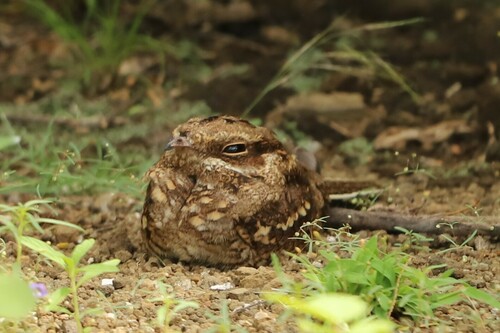
ホソオヨタカ (Caprimulgus clarus) ホソオヨタカ
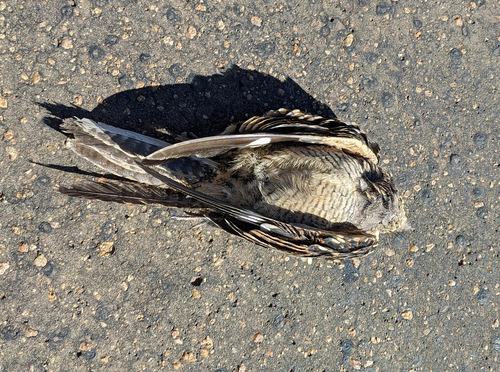
ガボンヨタカ (Caprimulgus fossii) ガボンヨタカ

メディア

読み込み中…

要点

ホソオヨタカとガボンヨタカの最も信頼できるフィールドマークは尾の形と長さです:ホソオヨタカは、他の羽よりもはるかに突出した明確に長い中央尾羽を持ち、ガボンヨタカはそのような突出がない、より均一で四角い尾先を持っています。両種は暗色模様で全体的な色合いが似ていますが、特に止まっている鳥や尾を広げている鳥の尾の構造に注意を払うことで、ほとんどの視点で区別できます。ガボンヨタカはまた、明らかに体重が重く、呼び声も微妙に異なります。生息地も助けになります:ホソオヨタカは東部/中央アフリカの乾燥した、より開けた地域を好み、ガボンヨタカは赤道の南の森林に広く分布しています。

識別のコツ

  1. 尾の形は最も信頼できるマークです: ホソオヨタカは常に中央尾羽が他の羽よりもはるかに突出しており、どの年齢や性別の止まっている鳥や飛んでいる鳥でも尖った、テーパリングした外観を示します。ガボンヨタカの尾先はより均一で、四角いかわずかに丸みを帯びて見え、中央羽の突出はありません。
  2. 止まっている鳥: 尾先を見てください—ホソオヨタカの中央羽は他の羽を数センチメートル以上も目に見えて延びます。ガボンヨタカでは、尾先はすべての羽でほぼ水平です。
  3. 飛行中: 尾が広がっている場合、ホソオヨタカは明確なテーパーを示します。ガボンヨタカは鈍く、より四角く見えます。これは特に地面から鳥が飛び立つときに明確です。
  4. 体の構造: ガボンヨタカは重く、がっしりとした外観を持ち、ホソオヨタカはより細く、特に尾のために細長いです。
  5. 翼の模様: 両種は似たような暗色の茶色、灰色、黒の上面と翼を持ち、年齢や性別に関係なく翼の模様や淡い斑点に信頼できる違いは記載されていません。
  6. 性差: 両種のオスは翼にわずかに目立つ淡い斑点を示すことがありますが、これらは種間の診断にはなりません。
  7. 幼鳥/未熟な羽毛: どちらの種にも特有の幼鳥や初冬の上翼または尾の模様の違いは記載されていません;尾の形はすべての年齢での重要なマークです。
  8. 声: 呼び声を聞いてください:ガボンヨタカは毎秒速いと遅いチュルを交互に発しますが、ホソオヨタカはより均一な速いまたは遅いチュルを出します。これは微妙で、呼び声が長く明確なときに最も効果的です。
  9. 生息地の文脈: もしあなたが乾燥した開けた土地(サバンナ、ブッシュランド、岩のある地面)にいるなら、ホソオヨタカの可能性が高いです。赤道の南の森林や湿った生息地では、ガボンヨタカの可能性が高いです。
  10. 地理的範囲: ホソオヨタカはエチオピアとケニアから南にタンザニアとウガンダまで見られ、DRCと南スーダンにも存在します。ガボンヨタカは赤道の南で広く分布しており、特に南部と中央アフリカで見られます。
  11. 休息行動: 両種は地面や低い枝に休息し、カモフラージュに依存します;行動は信頼できる区別要因ではありません。
  12. 落とし穴: 全体的な色合いや模様に依存しないでください、両者は暗色で非常に似ています。淡い翼の斑点は診断にはなりません。尾の形が唯一の一貫した構造的違いです。
  13. 尾が見えないとき: 生息地と範囲を補助的な手がかりとして使用しますが、尾の明確な視界なしでの確定的な識別は避けてください。
  14. 混合群れ: 稀ですが、両種が存在する場合は、尾の突出に焦点を当てて自信を持って区別してください。
  15. 要約: 常に尾の形を優先してください—ホソオヨタカの中央羽の突出、ガボンヨタカの四角い先—体のサイズや声の微妙な違いよりも。

大きさ

成鳥のガボンヨタカはホソオヨタカよりもかなり重い(58 g対42 g)ため、フィールドでわずかにがっしりとした外観に変わる可能性があります。両者は中型のヨタカですが、ホソオヨタカはより細く、尾が長い印象を与え、ガボンヨタカは体のサイズに対してがっしりとしており、尾が短いです。長さは似ていますが、ホソオヨタカの尾の突出がその見かけの長さを誇張し、特に止まっているときや飛行中に顕著です。

羽色

これら二つの種の間で年齢特有の上翼や幼鳥の模様の違いは記載されていないため、焦点は尾の形と構造に移ります。両種は暗色の茶色、灰色、黒の羽毛を持ち、落ち葉や乾燥した地面にうまく溶け込みます。ホソオヨタカの重要なマークは、他の羽よりもはるかに突出した中央羽を持つ長く尖った尾であり、すべての年齢と性別の止まっている鳥や飛んでいる鳥で目に見えます。ガボンヨタカはこの突出がなく、より均一で四角い尾先を示します。両種のオスは翼に淡い斑点を示すことがありますが、これらは信頼できる診断にはなりません。季節的または未熟な羽毛において区別を助ける違いは記載されていません。

行動

両種は夜行性の昆虫食で、夕暮れ時と夜に飛んでいる昆虫を捕食します。昼間は、両者とも地面や低い枝に休息し、カモフラージュに依存します。フィールドでの区別を助ける行動の違いは記載されていませんが、ホソオヨタカは開けた乾燥した地面により関連している可能性があり、ガボンヨタカは森林環境により典型的です。

生息環境

ホソオヨタカは乾燥した開けた生息地—サバンナ、乾燥した森林、ブッシュランド、岩のある地域、まばらに植生のある草地—に見られ、主に東部と中央アフリカ(例:エチオピア、ケニア、ウガンダ、タンザニア、DRC)に分布しています。半乾燥地域に関連していることが多く、水の近くにいることもありますが、密な森林は避けます。ガボンヨタカは赤道の南の熱帯および亜熱帯の森林に広く分布し、より森林的で湿った環境を好みます。移行ゾーンでの重複は可能ですが、尾の構造が見えないときに生息地の文脈が識別をサポートできます。

声

両種はヨタカに典型的なチュル音を持っていますが、ガボンヨタカの呼び声は毎秒速いと遅いペースを交互に発しますが、ホソオヨタカはより一貫して速いまたは遅いチュルを出します。この違いは微妙で、経験豊富なリスナーや呼び声が長く明確なときに最も効果的です。

より良い説明を送る

比較と同じ項目を使ってください。文章はすぐに公開されます。

The most reliable field mark between Slender-tailed Nightjar and Square-tailed Nightjar is the shape and length of the tail: Slender-tailed has distinctly elongated central tail feathers that project well beyond the rest, while Square-tailed has a more even, squarish tail tip with no such projection. Both species are cryptically patterned and similar in overall coloration, but careful attention to tail structure—especially in perched birds or those with fanned tails—will separate them in most views. Square-tailed is also noticeably heavier-bodied, and their calls differ subtly in pacing. Habitat can help: Slender-tailed favors drier, more open country in eastern/central Africa, while Square-tailed is widespread in woodlands south of the equator.

  1. Tail shape is the single most reliable mark: Slender-tailed Nightjar always shows central tail feathers that project well beyond the rest, giving a pointed, tapering look in both perched and flying birds of any age or sex. Square-tailed Nightjar’s tail tip is more even, appearing squarish or only slightly rounded, with no central feather projection.
  2. Perched birds: Look for the tail tip—Slender-tailed’s central feathers will visibly extend past the rest, often by several centimeters. In Square-tailed, the tail tip is nearly level across all feathers.
  3. In flight: If the tail is fanned, Slender-tailed will show a pronounced taper; Square-tailed will look blunter and more squared off. This is especially clear when birds are flushed from the ground.
  4. Body structure: Square-tailed Nightjar is heavier and bulkier, with a more robust appearance, while Slender-tailed is more slender and elongated, especially due to its tail.
  5. Wing pattern: Both species have similarly cryptic brown, grey, and black upperparts and wings; no reliable difference in wing pattern or pale patches is described for any age or sex.
  6. Sex differences: Males of both species may show slightly more prominent pale patches on the wings, but these are not diagnostic between species.
  7. Juvenile/immature plumage: No distinctive juvenile or first-winter upperwing or tail pattern is described for either species; tail shape remains the key mark at all ages.
  8. Voice: Listen for the call: Square-tailed alternates between fast and slow churring every second, while Slender-tailed gives a more uniform fast or slow churr. This is subtle and best used when calls are prolonged and clear.
  9. Habitat context: If you are in dry, open country (savanna, bushland, rocky ground) in eastern/central Africa, Slender-tailed is more likely. In woodland or moister habitats south of the equator, Square-tailed is more probable.
  10. Geographic range: Slender-tailed is found from Ethiopia and Kenya south to Tanzania and Uganda, with some presence in DRC and South Sudan. Square-tailed is widespread south of the equator, especially in southern and central Africa.
  11. Roosting behavior: Both species roost on the ground or low branches, relying on camouflage; behavior is not a reliable separator.
  12. Pitfalls: Do not rely on overall coloration or pattern, as both are cryptic and very similar. Pale wing patches are not diagnostic. Tail shape is the only consistent structural difference.
  13. When tail is not visible: Use habitat and range as supporting clues, but avoid firm identification without a clear view of the tail.
  14. Mixed flocks: Rare, but if both species are present, focus on tail projection for confident separation.
  15. Summary: Always prioritize tail shape—central feather projection for Slender-tailed, square tip for Square-tailed—over subtle differences in body size or vocalization.

Adult Square-tailed Nightjar is significantly heavier (58 g vs 42 g) than Slender-tailed Nightjar, and this may translate to a slightly more robust appearance in the field. Both are medium-sized nightjars, but Slender-tailed is more slender and long-tailed in jizz, while Square-tailed is bulkier and shorter-tailed relative to body size. Length is similar, but the tail projection in Slender-tailed exaggerates its apparent length, especially when perched or in flight.

No age-specific upperwing or juvenile pattern differences are documented between these two species, so focus shifts to tail shape and structure. Both species have cryptic brown, grey, and black plumage, blending well with leaf litter and dry ground. Slender-tailed Nightjar’s key mark is the long, pointed tail with central feathers projecting well beyond the rest, visible in both perched and flying birds of all ages and sexes. Square-tailed Nightjar lacks this projection, showing a more even, squarish tail tip. Males of both species may show pale patches on the wings, but these are not reliably diagnostic. There are no described differences in seasonal or immature plumages that aid separation.

Both species are nocturnal insectivores, foraging at dusk and night by sallying for flying insects. By day, both roost on the ground or low branches, relying on camouflage. No behavioral difference is noted that aids field separation, but Slender-tailed may be more associated with open, arid ground, while Square-tailed is more typical of woodland settings.

Slender-tailed Nightjar is found in dry, open habitats—savanna, dry woodland, bushland, rocky areas, and sparsely vegetated grassland—mainly in eastern and central Africa (e.g., Ethiopia, Kenya, Uganda, Tanzania, DRC). It is often linked to semi-arid regions and may be near water but avoids dense woodland. Square-tailed Nightjar is widespread in tropical and subtropical woodlands south of the equator, favoring more wooded and moister environments. Overlap is possible in transitional zones, but habitat context can support identification when tail structure is not visible.

Both species have a churring call typical of nightjars, but Square-tailed Nightjar’s call alternates between fast and slow paces every second, while Slender-tailed Nightjar produces a more consistently fast or slow churr. This difference is subtle and best used by experienced listeners or when calls are prolonged and clear.

変更を破棄しますか?

保存していない編集があります。今離れると失われます。

ホソオヨタカ · ガボンヨタカ · 苦手な鳥