

Motmot

Slender-tailed Nightjar vs Square-tailed Nightjar

Caprimulgus clarus contro Caprimulgus fossii

Fai un quiz con Slender-tailed Nightjar e Square-tailed Nightjar
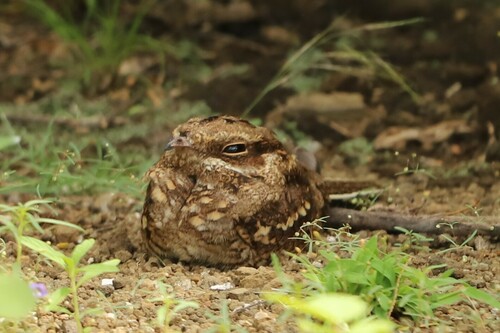
Slender-tailed Nightjar (Caprimulgus clarus) Slender-tailed Nightjar
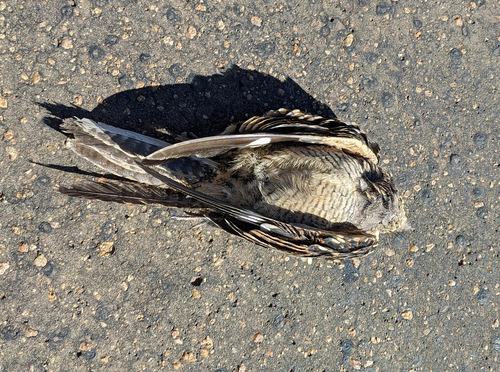
Square-tailed Nightjar (Caprimulgus fossii) Square-tailed Nightjar

Media

Caricamento…

In breve

The most reliable field mark between Slender-tailed Nightjar and Square-tailed Nightjar is the shape and length of the tail: Slender-tailed has distinctly elongated central tail feathers that project well beyond the rest, while Square-tailed has a more even, squarish tail tip with no such projection. Both species are cryptically patterned and similar in overall coloration, but careful attention to tail structure—especially in perched birds or those with fanned tails—will separate them in most views. Square-tailed is also noticeably heavier-bodied, and their calls differ subtly in pacing. Habitat can help: Slender-tailed favors drier, more open country in eastern/central Africa, while Square-tailed is widespread in woodlands south of the equator.

Consigli di identificazione

  1. Tail shape is the single most reliable mark: Slender-tailed Nightjar always shows central tail feathers that project well beyond the rest, giving a pointed, tapering look in both perched and flying birds of any age or sex. Square-tailed Nightjar’s tail tip is more even, appearing squarish or only slightly rounded, with no central feather projection.
  2. Perched birds: Look for the tail tip—Slender-tailed’s central feathers will visibly extend past the rest, often by several centimeters. In Square-tailed, the tail tip is nearly level across all feathers.
  3. In flight: If the tail is fanned, Slender-tailed will show a pronounced taper; Square-tailed will look blunter and more squared off. This is especially clear when birds are flushed from the ground.
  4. Body structure: Square-tailed Nightjar is heavier and bulkier, with a more robust appearance, while Slender-tailed is more slender and elongated, especially due to its tail.
  5. Wing pattern: Both species have similarly cryptic brown, grey, and black upperparts and wings; no reliable difference in wing pattern or pale patches is described for any age or sex.
  6. Sex differences: Males of both species may show slightly more prominent pale patches on the wings, but these are not diagnostic between species.
  7. Juvenile/immature plumage: No distinctive juvenile or first-winter upperwing or tail pattern is described for either species; tail shape remains the key mark at all ages.
  8. Voice: Listen for the call: Square-tailed alternates between fast and slow churring every second, while Slender-tailed gives a more uniform fast or slow churr. This is subtle and best used when calls are prolonged and clear.
  9. Habitat context: If you are in dry, open country (savanna, bushland, rocky ground) in eastern/central Africa, Slender-tailed is more likely. In woodland or moister habitats south of the equator, Square-tailed is more probable.
  10. Geographic range: Slender-tailed is found from Ethiopia and Kenya south to Tanzania and Uganda, with some presence in DRC and South Sudan. Square-tailed is widespread south of the equator, especially in southern and central Africa.
  11. Roosting behavior: Both species roost on the ground or low branches, relying on camouflage; behavior is not a reliable separator.
  12. Pitfalls: Do not rely on overall coloration or pattern, as both are cryptic and very similar. Pale wing patches are not diagnostic. Tail shape is the only consistent structural difference.
  13. When tail is not visible: Use habitat and range as supporting clues, but avoid firm identification without a clear view of the tail.
  14. Mixed flocks: Rare, but if both species are present, focus on tail projection for confident separation.
  15. Summary: Always prioritize tail shape—central feather projection for Slender-tailed, square tip for Square-tailed—over subtle differences in body size or vocalization.

Taglia

Adult Square-tailed Nightjar is significantly heavier (58 g vs 42 g) than Slender-tailed Nightjar, and this may translate to a slightly more robust appearance in the field. Both are medium-sized nightjars, but Slender-tailed is more slender and long-tailed in jizz, while Square-tailed is bulkier and shorter-tailed relative to body size. Length is similar, but the tail projection in Slender-tailed exaggerates its apparent length, especially when perched or in flight.

Piumaggio

No age-specific upperwing or juvenile pattern differences are documented between these two species, so focus shifts to tail shape and structure. Both species have cryptic brown, grey, and black plumage, blending well with leaf litter and dry ground. Slender-tailed Nightjar’s key mark is the long, pointed tail with central feathers projecting well beyond the rest, visible in both perched and flying birds of all ages and sexes. Square-tailed Nightjar lacks this projection, showing a more even, squarish tail tip. Males of both species may show pale patches on the wings, but these are not reliably diagnostic. There are no described differences in seasonal or immature plumages that aid separation.

Comportamento

Both species are nocturnal insectivores, foraging at dusk and night by sallying for flying insects. By day, both roost on the ground or low branches, relying on camouflage. No behavioral difference is noted that aids field separation, but Slender-tailed may be more associated with open, arid ground, while Square-tailed is more typical of woodland settings.

Habitat

Slender-tailed Nightjar is found in dry, open habitats—savanna, dry woodland, bushland, rocky areas, and sparsely vegetated grassland—mainly in eastern and central Africa (e.g., Ethiopia, Kenya, Uganda, Tanzania, DRC). It is often linked to semi-arid regions and may be near water but avoids dense woodland. Square-tailed Nightjar is widespread in tropical and subtropical woodlands south of the equator, favoring more wooded and moister environments. Overlap is possible in transitional zones, but habitat context can support identification when tail structure is not visible.

Voce

Both species have a churring call typical of nightjars, but Square-tailed Nightjar’s call alternates between fast and slow paces every second, while Slender-tailed Nightjar produces a more consistently fast or slow churr. This difference is subtle and best used by experienced listeners or when calls are prolonged and clear.

Invia una descrizione migliore

Usa le stesse sezioni del confronto. Il testo viene pubblicato subito.

The most reliable field mark between Slender-tailed Nightjar and Square-tailed Nightjar is the shape and length of the tail: Slender-tailed has distinctly elongated central tail feathers that project well beyond the rest, while Square-tailed has a more even, squarish tail tip with no such projection. Both species are cryptically patterned and similar in overall coloration, but careful attention to tail structure—especially in perched birds or those with fanned tails—will separate them in most views. Square-tailed is also noticeably heavier-bodied, and their calls differ subtly in pacing. Habitat can help: Slender-tailed favors drier, more open country in eastern/central Africa, while Square-tailed is widespread in woodlands south of the equator.

  1. Tail shape is the single most reliable mark: Slender-tailed Nightjar always shows central tail feathers that project well beyond the rest, giving a pointed, tapering look in both perched and flying birds of any age or sex. Square-tailed Nightjar’s tail tip is more even, appearing squarish or only slightly rounded, with no central feather projection.
  2. Perched birds: Look for the tail tip—Slender-tailed’s central feathers will visibly extend past the rest, often by several centimeters. In Square-tailed, the tail tip is nearly level across all feathers.
  3. In flight: If the tail is fanned, Slender-tailed will show a pronounced taper; Square-tailed will look blunter and more squared off. This is especially clear when birds are flushed from the ground.
  4. Body structure: Square-tailed Nightjar is heavier and bulkier, with a more robust appearance, while Slender-tailed is more slender and elongated, especially due to its tail.
  5. Wing pattern: Both species have similarly cryptic brown, grey, and black upperparts and wings; no reliable difference in wing pattern or pale patches is described for any age or sex.
  6. Sex differences: Males of both species may show slightly more prominent pale patches on the wings, but these are not diagnostic between species.
  7. Juvenile/immature plumage: No distinctive juvenile or first-winter upperwing or tail pattern is described for either species; tail shape remains the key mark at all ages.
  8. Voice: Listen for the call: Square-tailed alternates between fast and slow churring every second, while Slender-tailed gives a more uniform fast or slow churr. This is subtle and best used when calls are prolonged and clear.
  9. Habitat context: If you are in dry, open country (savanna, bushland, rocky ground) in eastern/central Africa, Slender-tailed is more likely. In woodland or moister habitats south of the equator, Square-tailed is more probable.
  10. Geographic range: Slender-tailed is found from Ethiopia and Kenya south to Tanzania and Uganda, with some presence in DRC and South Sudan. Square-tailed is widespread south of the equator, especially in southern and central Africa.
  11. Roosting behavior: Both species roost on the ground or low branches, relying on camouflage; behavior is not a reliable separator.
  12. Pitfalls: Do not rely on overall coloration or pattern, as both are cryptic and very similar. Pale wing patches are not diagnostic. Tail shape is the only consistent structural difference.
  13. When tail is not visible: Use habitat and range as supporting clues, but avoid firm identification without a clear view of the tail.
  14. Mixed flocks: Rare, but if both species are present, focus on tail projection for confident separation.
  15. Summary: Always prioritize tail shape—central feather projection for Slender-tailed, square tip for Square-tailed—over subtle differences in body size or vocalization.

Adult Square-tailed Nightjar is significantly heavier (58 g vs 42 g) than Slender-tailed Nightjar, and this may translate to a slightly more robust appearance in the field. Both are medium-sized nightjars, but Slender-tailed is more slender and long-tailed in jizz, while Square-tailed is bulkier and shorter-tailed relative to body size. Length is similar, but the tail projection in Slender-tailed exaggerates its apparent length, especially when perched or in flight.

No age-specific upperwing or juvenile pattern differences are documented between these two species, so focus shifts to tail shape and structure. Both species have cryptic brown, grey, and black plumage, blending well with leaf litter and dry ground. Slender-tailed Nightjar’s key mark is the long, pointed tail with central feathers projecting well beyond the rest, visible in both perched and flying birds of all ages and sexes. Square-tailed Nightjar lacks this projection, showing a more even, squarish tail tip. Males of both species may show pale patches on the wings, but these are not reliably diagnostic. There are no described differences in seasonal or immature plumages that aid separation.

Both species are nocturnal insectivores, foraging at dusk and night by sallying for flying insects. By day, both roost on the ground or low branches, relying on camouflage. No behavioral difference is noted that aids field separation, but Slender-tailed may be more associated with open, arid ground, while Square-tailed is more typical of woodland settings.

Slender-tailed Nightjar is found in dry, open habitats—savanna, dry woodland, bushland, rocky areas, and sparsely vegetated grassland—mainly in eastern and central Africa (e.g., Ethiopia, Kenya, Uganda, Tanzania, DRC). It is often linked to semi-arid regions and may be near water but avoids dense woodland. Square-tailed Nightjar is widespread in tropical and subtropical woodlands south of the equator, favoring more wooded and moister environments. Overlap is possible in transitional zones, but habitat context can support identification when tail structure is not visible.

Both species have a churring call typical of nightjars, but Square-tailed Nightjar’s call alternates between fast and slow paces every second, while Slender-tailed Nightjar produces a more consistently fast or slow churr. This difference is subtle and best used by experienced listeners or when calls are prolonged and clear.

Scartare le modifiche?

Hai modifiche non salvate. Se esci ora, andranno perse.

Slender-tailed Nightjar · Square-tailed Nightjar · I miei uccelli difficili