

Motmot

ハシボソカモメ 対 オオズグロカモメ

Chroicocephalus genei 対 Ichthyaetus ichthyaetus

ハシボソカモメとオオズグロカモメのクイズ
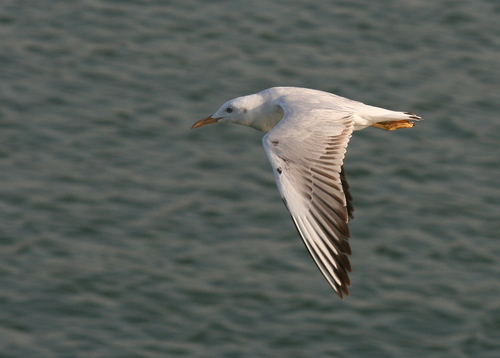
ハシボソカモメ (Chroicocephalus genei) ハシボソカモメ
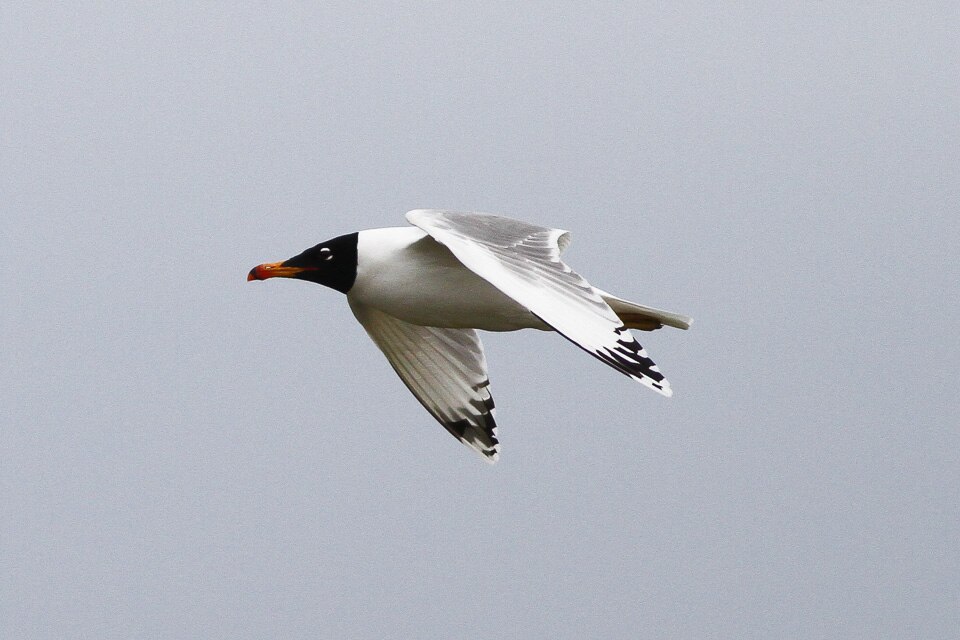
オオズグロカモメ (Ichthyaetus ichthyaetus) オオズグロカモメ

メディア

読み込み中…

要点

スレンダービルカモメとオオズグロカモメの最も信頼できるフィールドマークはサイズです:オオズグロは非常に大きく、体格ががっしりしており、翼幅もはるかに長いです。幼鳥や非繁殖の鳥の場合、頭の模様とくちばしの色を確認してください—スレンダービルは長くて細い赤いくちばしと白またはわずかにピンクがかった頭を持ち、オオズグロは重い黄褐色のくちばしと暗い目のマスクを示します。飛行中、幼鳥のスレンダービルは黒い尾帯と暗い翼の部分を示し、オオズグロの幼鳥はすぐに灰色の上面を発達させ、強い尾帯を欠きます。夏の成鳥のオオズグロはその巨大なサイズと完全な黒いフードで明確に識別でき、スレンダービルは決してフードを示しません。両種は水辺で見られますが、好まれる生息地と地域的な豊富さは異なります。

識別のコツ

  1. サイズが決定的: オオズグロカモメはスレンダービルの5倍以上の重さがあり、はるかに長くて広い翼を持っています。近くのカモメと比べて巨大に見える場合はオオズグロです;中型に見える場合はスレンダービルを考慮してください。
  2. くちばしの構造と色: スレンダービルは長くて細い暗赤色のくちばしを持ち、オオズグロは厚くて重いオレンジがかった黄色のくちばしに赤い先端があります。くちばしの色と太さは、良い光の下で遠くからでも見えます。
  3. 脚の色: スレンダービルは暗赤色の脚を示し、オオズグロは黄色の脚を持っています。これは近距離または止まっているときに最も役立ちます。
  4. 頭の模様(非繁殖/幼鳥): スレンダービルは夏に頭がきれいで、胸にわずかにピンクがかった色があり、フードやマスクはありません。オオズグロは非繁殖または幼鳥の羽衣で目を通る暗いマスクを持ち、成鳥のフードの名残があります。
  5. 成鳥の夏羽: オオズグロカモメだけが繁殖期に完全な黒いフードを持ち、巨大なサイズと白い翼のミラーと組み合わさっています。スレンダービルは決してフードを示しません。
  6. 幼鳥/初年度の尾の模様: スレンダービルの幼鳥は黒い端尾帯と暗い部分を持っています—飛行中にこれを探してください。オオズグロの幼鳥は強い尾帯を欠き、すぐに灰色の上面を発達させます。
  7. 上翼の模様(幼鳥): スレンダービルは初年度の鳥で翼に暗い部分を示し、オオズグロの幼鳥は強いコントラストなしにほとんど灰色になります。
  8. 姿勢と体型: スレンダービルは長い首でスリムで優雅に見え、しばしばわずかに垂れたくちばしを持ちます。オオズグロはがっしりしていて重く、直立しており、太い首と巨大な頭を持っています。
  9. 翼の長さと突出: オオズグロは非常に長い翼を持ち、休んでいるときに尾を大きく超えることがよくあります。スレンダービルの翼は相対的に短いです。
  10. 生息地の文脈: スレンダービルは地中海または沿岸の潟に最も多く見られ、オオズグロは特に中央アジアの大きな内陸湖や河川に多く見られます。範囲外では、両者ともに稀ですが、オオズグロは西ヨーロッパでは特に例外的です。
  11. 採餌行動: スレンダービルはしばしば泥をつついたり、飛行中に昆虫を捕まえたりします;オオズグロは他のカモメを食物源で支配しているのが見られることが多いです。
  12. 声: 聞こえた場合、オオズグロは深い「アーグ」という鳴き声を出し、スレンダービルが出すものよりもはるかに深く響きます。
  13. 胸の色(夏): スレンダービルは夏に胸にわずかにピンクがかった色合いを持つことがありますが、オオズグロは持ちません。
  14. 虹彩の色: スレンダービルは黄色の虹彩を持ち、オオズグロの虹彩の色はあまり特徴的ではありませんが、近距離では役立つことがあります。
  15. 落とし穴: サイズを判断するのが難しい遠くの鳥や孤立した鳥に注意してください—くちばし、頭の模様、構造の組み合わせを使用してください。幼鳥のスレンダービルは暗い翼を持ち混乱を招くことがありますが、尾帯とスリムな体型が重要です。オオズグロの幼鳥は完全なフードを欠くことがありますが、常に巨大でマスクを持って見えます。

大きさ

オオズグロカモメは、すべての次元においてスレンダービルカモメよりも劇的に大きいです。オオズグロは平均約1394gの体重で、長さは55〜72cm、翼幅は142〜170cmです。それに対して、スレンダービルカモメははるかに軽く、255.5g、37〜40cmの長さ、翼幅は90〜102cmです。遠くからでも、オオズグロは巨大で重いくちばしを持ち、近くのスレンダービルを圧倒して見えます。このサイズの差は、混合群れや一緒に見られるときの最も確実な識別方法です。

羽色

初年度および幼鳥の場合、スレンダービルカモメは特徴的な黒い端尾帯と翼の暗い部分を示します—飛行中または尾が広がっているときにこれを探してください。対照的に、オオズグロカモメの幼鳥はすぐに灰色の上面を獲得し、強い黒い尾帯を保持しません;その代わりに、頭の模様は目を通る暗いマスクを発達させ、成鳥のフードの名残となります。繁殖中の成鳥のスレンダービルカモメは白い頭と胸(時にはわずかにピンクがかった色)、淡い灰色の上面、黒い一次羽の先端を持ちますが、フードは決して持ちません。夏の成鳥のオオズグロカモメは明確に識別でき、巨大で完全な黒いフード、灰色の翼と背中、翼の先端に目立つ白い「ミラー」を持っています。非繁殖および幼鳥のオオズグロは暗い目のマスクを保持しますが、スレンダービルは頭がきれいです。脚とくちばしの色も異なります:スレンダービルは暗赤色の脚とくちばしを持ち、オオズグロは黄色の脚と赤い先端のオレンジがかった黄色のくちばしを示します。

行動

スレンダービルカモメはより繊細で優雅で、飛行中や休んでいるときに長い首でスリムに見えることが多く、泥を探ったり、翼で昆虫を捕まえたりする傾向があります。オオズグロカモメはがっしりしていて力強く、動きが遅く、深く強い翼の打撃と堂々とした存在感を持っています。オオズグロはしばしば食物源で他のカモメを支配します。両種は冬に群れを成しますが、オオズグロはそのサイズのために混合カモメの群れの中で少数で見られるか、目立つ存在であることが多いです。

生息環境

スレンダービルカモメは沿岸の潟、河口、内陸の湖の周りで繁殖し、採餌し、土地から遠くに出ることはほとんどありません。地中海地域や北西インド洋の一部で最も多く見られ、デルタ、湿地、草原、さらには埋立地で餌を取ります。オオズグロカモメは特に中央アジアの大きな内陸湖や河川を好み、沿岸にはあまり見られません。両者は移動中や冬に似た湿地生息地に出現することがありますが、オオズグロは地中海盆地で見られる可能性がはるかに低く、西ヨーロッパでは一般的に稀です。

声

オオズグロカモメは深くて厳しい「アーグ」という鳴き声を出し、これはスレンダービルカモメの典型的な鳴き声よりもはるかに深く響きます。スレンダービルの鳴き声は、情報源では詳細に説明されていませんが、オオズグロと比較して特に深いまたは特徴的であるとは言われていません。

より良い説明を送る

比較と同じ項目を使ってください。文章はすぐに公開されます。

The most reliable field mark between Slender-billed Gull and Pallas's Gull is size: Pallas's is vastly larger, with a bulkier build and much longer wingspan. For immatures and non-breeding birds, check the head pattern and bill color—Slender-billed has a long, slender red bill and a white or faintly pink-tinged head, while Pallas's shows a heavy yellowish bill and a dark eye mask. In flight, immature Slender-billeds show a black tail band and dark wing areas, while Pallas's immatures quickly develop grey upperparts and lack a strong tail band. Adult Pallas's in summer are unmistakable with their huge size and full black hood, which Slender-billed never shows. Both species can be found near water but differ in preferred habitats and regional abundance.

  1. Size is decisive: Pallas's Gull is over five times heavier than Slender-billed and much longer and broader-winged. If the bird looks huge compared to nearby gulls, it's Pallas's; if mid-sized, consider Slender-billed.
  2. Bill structure and color: Slender-billed has a long, slender, dark red bill; Pallas's has a thick, heavy, orangey-yellow bill with a red tip. Bill color and thickness are visible even at a distance in good light.
  3. Leg color: Slender-billed shows dark red legs, while Pallas's has yellow legs. This is most useful at close range or when perched.
  4. Head pattern (non-breeding/immature): Slender-billed is clean-headed or faintly pink on the breast in summer, never with a hood or mask. Pallas's in non-breeding or immature plumage has a dark mask through the eye, a remnant of the adult hood.
  5. Adult summer plumage: Only Pallas's Gull has a full black hood in breeding season, combined with massive size and white wing mirrors. Slender-billed never shows a hood.
  6. Immature/first-year tail pattern: Slender-billed immatures have a black terminal tail band and dark areas on the wings—look for this in flight. Pallas's immatures lack a strong tail band and quickly develop grey upperparts.
  7. Upperwing pattern (immatures): Slender-billed shows dark areas on the wings in first-year birds; Pallas's immatures become mostly grey above without strong contrast.
  8. Jizz and posture: Slender-billed is long-necked, slim, and elegant, often with a slightly drooping bill. Pallas's is stocky, heavy, and upright, with a thick neck and massive head.
  9. Wing length and projection: Pallas's has very long wings, often extending well past the tail at rest. Slender-billed's wings are proportionally shorter.
  10. Habitat context: Slender-billed is most likely in Mediterranean or coastal lagoons; Pallas's is more likely on large inland lakes and rivers, especially in central Asia. Out of range, both are rare but Pallas's is exceptional in Western Europe.
  11. Feeding behavior: Slender-billed often picks at mud or catches insects in flight; Pallas's is more likely to be seen dominating other gulls at food sources.
  12. Voice: If heard, Pallas's gives a deep 'aargh' call, much deeper than anything Slender-billed produces.
  13. Breast color (summer): Slender-billed may have a faint pink flush on the breast in summer; Pallas's does not.
  14. Iris color: Slender-billed has a yellow iris; iris color is less distinctive in Pallas's but may help at close range.
  15. Pitfalls: Beware of distant or lone birds where size is hard to judge—use a combination of bill, head pattern, and structure. Immature Slender-billeds can look dark-winged and confusing, but the tail band and slim build are key. Pallas's immatures may lack the full hood but always look massive and masked.

Pallas's Gull is dramatically larger than Slender-billed Gull in every dimension. Pallas's averages about 1394 g in body mass, with a length of 55–72 cm and a wingspan of 142–170 cm. In contrast, Slender-billed Gull is much lighter at 255.5 g, 37–40 cm long, and with a wingspan of 90–102 cm. Even at a distance, Pallas's appears massive and heavy-billed, towering over any Slender-billeds nearby. This size gap is the single most foolproof separation in mixed flocks or when seen together.

For first-year and immature birds, Slender-billed Gull shows a distinctive black terminal tail band and dark areas on the wings—look for these in flight or when the tail is spread. Pallas's Gull immatures, in contrast, rapidly acquire grey upperparts and do not retain a strong black tail band; instead, their head pattern develops a dark mask through the eye, a vestige of the adult hood. Adult breeding Slender-billed Gulls have a white head and breast (sometimes faintly pink), pale grey upperparts, and black primary tips, but never a hood. Adult Pallas's Gulls in summer are unmistakable: huge, with a full black hood, grey wings and back, and prominent white 'mirrors' at the wingtips. Non-breeding and immature Pallas's retain a dark eye mask, while Slender-billed remains clean-headed. Leg and bill color also differ: Slender-billed has dark red legs and bill, while Pallas's shows yellow legs and an orangey-yellow bill with a red tip.

Slender-billed Gull is more delicate and graceful, often appearing long-necked and slender in flight and at rest, with a tendency to probe mud or catch insects on the wing. Pallas's Gull is heavyset, powerful, and slow-moving, with deep, strong wingbeats and a commanding presence. Pallas's often dominates other gulls at food sources. Both species are gregarious in winter, but Pallas's is more likely to be seen in smaller numbers or as a standout among mixed gull flocks due to its size.

Slender-billed Gull breeds and forages around coastal lagoons, estuaries, and inland lakes, rarely venturing far from land. It is most often seen in the Mediterranean region and parts of the northwestern Indian Ocean, feeding in deltas, marshes, grasslands, and even landfill sites. Pallas's Gull prefers large inland lakes and rivers, especially in central Asia, and is less coastal. While both may occur in similar wetland habitats on migration or in winter, Pallas's is much less likely to be found in the Mediterranean basin and is generally rarer in Western Europe.

Pallas's Gull gives a deep, harsh 'aargh' cry, which is much deeper and more resonant than the typical calls of Slender-billed Gull. Slender-billed's calls are not described in detail in the sources, but are not noted as especially deep or distinctive compared to Pallas's.

変更を破棄しますか?

保存していない編集があります。今離れると失われます。

ハシボソカモメ · オオズグロカモメ · 苦手な鳥