

Motmot

ハシボソカモメ 対 ワライカモメ

Chroicocephalus genei 対 Leucophaeus atricilla

ハシボソカモメとワライカモメのクイズ
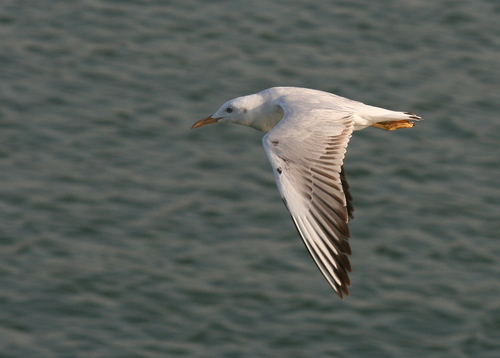
ハシボソカモメ (Chroicocephalus genei) ハシボソカモメ
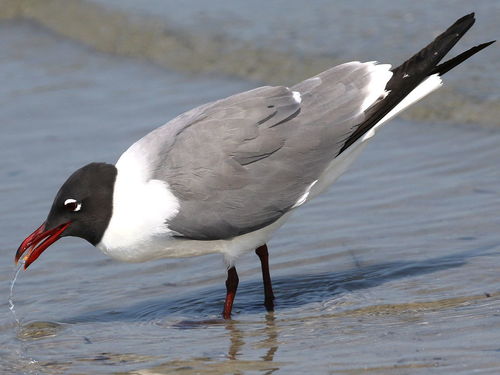
ワライカモメ (Leucophaeus atricilla) ワライカモメ

メディア

読み込み中…

要点

スレンダービルドカモメとワライカモメの最も信頼できるフィールドマークは、繁殖期の成鳥における黒いフードの有無です:ワライカモメは夏に完全な黒いフードを持っていますが、スレンダービルドカモメは決して持ちません。幼鳥や非繁殖の鳥については、尾と翼のパターンに注目してください:1年目のワライカモメは全体が黒い尾と暗い腹部を持ち、1年目のスレンダービルドカモメは黒い尾帯と全体的に明るい外観を示します。構造的には、スレンダービルドカモメは長く細いくちばしと首を持ち、より細長く見えますが、ワライカモメはずっしりとした体型で、より重く短いくちばしを持っています。両種は飛行中や距離があるときに混同されることがありますが、頭、くちばし、尾のパターンに注意を払うことで区別できます。

識別のコツ

  1. Breeding adult head pattern: ワライカモメは夏に完全な黒いフードを持っています;スレンダービルドカモメは常に白い頭を持ち、時々胸に淡いピンク色の洗いがかかることがあります。
  2. Bill shape and color: スレンダービルドカモメは先細りの長い暗赤色のくちばしを持っています;ワライカモメのくちばしも長く赤いですが、より重く、先細りではありません。
  3. Neck and jizz: スレンダービルドカモメは特に止まっているときや泳いでいるときに長い首を持ち、細長く見えます;ワライカモメはよりコンパクトで太い首を持っています。
  4. First-year tail pattern: 1年目のワライカモメは全体が黒い尾を持っています;1年目のスレンダービルドカモメは黒い端尾帯を持ち、尾の残りは淡いです。
  5. Immature underparts: ワライカモメの幼鳥はスレンダービルドカモメよりも下側が暗く、スレンダービルドカモメはより明るくきれいに見えます。
  6. Second-year wing pattern: 2年目のワライカモメは初級カバーにより広範囲な黒を示すことがあり、尾にも黒が見られることがあります;スレンダービルドの2年目はより淡く、尾帯のほとんどを失います。
  7. Adult upperparts: ワライカモメは暗い灰色の背中と翼を持ち、スレンダービルドカモメの淡い灰色の上面よりも明らかに暗いです。
  8. Wingtip pattern: 両方とも黒い翼端を持っていますが、ワライカモメの翼は全体的にずっと暗い灰色です;スレンダービルドカモメの翼は淡く、先端にのみ黒があります。
  9. Leg color: 両種とも暗赤色の脚を持っていますが、これは強い区別要因ではありません。
  10. Eye color: スレンダービルドカモメは黄色い虹彩を持っています;ワライカモメの虹彩の色は診断的なものとして指定されていません。
  11. Non-breeding head: 冬にワライカモメはほとんどのフードを失いますが、暗い耳の斑点を保持することがあります;スレンダービルドカモメは白い頭のままです。
  12. Size and bulk: ワライカモメはわずかに大きくてずっしりしていますが、これは微妙で、直接比較する際に最も良いです。
  13. Habitat context: スレンダービルドカモメは地中海の潟や湖の周辺で見られることが期待されます;ワライカモメはアメリカの沿岸に生息し、しばしば埋立地やビーチで見られます。
  14. Vocalization: 笑い声のような騒々しい鳴き声はワライカモメの診断的な特徴です;スレンダービルドカモメは静かで、声だけではあまり目立ちません。
  15. Geographic range: 範囲を補助的な手がかりとして使用してください—スレンダービルドはアメリカでは珍しく、ワライカモメはヨーロッパでは珍しいですが、迷鳥は発生します。

大きさ

ワライカモメはスレンダービルドカモメよりもわずかに大きく、重いです。平均体重は300gに対し255.5gです。彼らの長さと翼幅は重なります(スレンダービルド:37–40 cm、90–102 cmの翼幅;ワライカモメ:36–41 cm、98–110 cmの翼幅)ですが、ワライカモメは特に直接比較においてずっしりとした印象を与えます。フィールドでは、このサイズの違いは微妙で、単独の鳥に対して常に信頼できるわけではありません。

羽色

幼鳥と1年目の鳥は尾と翼のパターンによって最もよく区別されます:1年目のワライカモメは全体が黒い尾を持っていますが、1年目のスレンダービルドカモメは黒い端尾帯を持ち、尾の残りは淡いです。両方とも翼に暗い部分がありますが、ワライカモメの幼鳥は全体的に下側が暗く、フランクリンズグルカモメと比較して頭が淡いですが、スレンダービルドカモメよりは暗いです。2年目のワライカモメは尾にいくらかの黒を保持し、初級カバーにより広範囲な黒を持つことがありますが、スレンダービルドの2年目は尾帯のほとんどを失い、より淡く見えます。成鳥では、繁殖期のワライカモメは完全な黒いフード、暗い灰色のマントルと翼、長い赤いくちばしを持っています;スレンダービルドカモメは白い頭(フードは決して持たない)、淡い灰色の上面、長く細い暗赤色のくちばしを持っています。冬にワライカモメはほとんどのフードを失いますが、暗い耳の斑点を保持し、スレンダービルドは白い頭のままです。両種とも黒い翼端を持っていますが、ワライカモメの翼は全体的にずっと暗い灰色です。

行動

両種とも群れで行動し、特に繁殖期以外はしばしば群れで見られます。スレンダービルドカモメは陸から遠くで見られることは少なく、魚を捕るために潜ったり、無脊椎動物のために泥を探ったりして餌を探します。ワライカモメは機会主義的なスカベンジャーで、埋立地やビーチ、船の後を追うことが一般的です。飛行中、スレンダービルドカモメはより優雅で細長く見え、長い首とくちばしを持ち、ワライカモメはずっしりとした体型でより直接的に見えます。

生息環境

スレンダービルドカモメは地中海とインド洋北西部の周辺で地元の繁殖者であり、沿岸の潟、島、湖を好み、河口や湾で冬を越します。ワライカモメは北アメリカと南アメリカの大西洋沿岸、カリブ海に見られ、低地の沿岸島に大きなコロニーで繁殖します。埋立地や人間の活動の後を追うことで内陸で見られる可能性が高いです。両種の迷鳥は互いの範囲で発生することがありますが、文脈が通常役立ちます:スレンダービルドはアメリカでは珍しく、ワライカモメはヨーロッパでは珍しいです。

声

ワライカモメはその特徴的で騒々しい、笑い声のような鳴き声(「は...は...は...」)にちなんで名付けられています。これは聞こえた場合の強い手がかりです。スレンダービルドカモメの鳴き声はノートに診断的なものとして記載されておらず、音だけで注意を引く可能性は低いです。

より良い説明を送る

比較と同じ項目を使ってください。文章はすぐに公開されます。

The most reliable field mark between Slender-billed Gull and Laughing Gull is the presence or absence of a black hood in breeding adults: Laughing Gull has a full black hood in summer, while Slender-billed Gull never does. For immatures and non-breeding birds, focus on the tail and wing pattern: first-year Laughing Gulls have an all-black tail and darker underparts, while first-year Slender-billed Gulls show a black tail band and paler overall look. Structurally, Slender-billed Gull appears more elongated with a long, thin bill and neck, while Laughing Gull is chunkier with a heavier, shorter bill. Both species can be confused in flight or at a distance, especially among immatures, but careful attention to head, bill, and tail patterns will separate them.

  1. Breeding adult head pattern: Laughing Gull has a full black hood in summer; Slender-billed Gull always has a white head, sometimes with a faint pinkish wash on the breast.
  2. Bill shape and color: Slender-billed Gull has a long, slender, dark red bill with a tapered look; Laughing Gull's bill is also long and red but appears heavier and less tapered.
  3. Neck and jizz: Slender-billed Gull looks long-necked and elongated, especially when perched or swimming; Laughing Gull is more compact and thick-necked.
  4. First-year tail pattern: First-year Laughing Gulls have an all-black tail; first-year Slender-billed Gulls have a black terminal tail band with the rest of the tail pale.
  5. Immature underparts: Laughing Gull immatures are darker below than Slender-billed, which appear paler and cleaner.
  6. Second-year wing pattern: Second-year Laughing Gulls may show more extensive black on the primary coverts and some black in the tail; Slender-billed second-years are paler and lose most of the tail band.
  7. Adult upperparts: Laughing Gull has a dark gray back and wings, noticeably darker than Slender-billed Gull's pale gray upperparts.
  8. Wingtip pattern: Both have black wingtips, but Laughing Gull's wings are overall much darker gray; Slender-billed Gull's are paler with black only at the tips.
  9. Leg color: Both species have dark red legs, but this is not a strong separator.
  10. Eye color: Slender-billed Gull has a yellow iris; Laughing Gull's iris color is not specified as diagnostic.
  11. Non-breeding head: In winter, Laughing Gull loses most of the hood but may retain a dark ear spot; Slender-billed Gull remains white-headed.
  12. Size and bulk: Laughing Gull is slightly larger and bulkier, but this is subtle and best used in direct comparison.
  13. Habitat context: Slender-billed Gull is expected around Mediterranean lagoons and lakes; Laughing Gull is coastal in the Americas and often found at landfills and beaches.
  14. Vocalization: A laughing, raucous call is diagnostic for Laughing Gull; Slender-billed Gull is quieter and less distinctive vocally.
  15. Geographic range: Use range as a supporting clue—Slender-billed is rare in the Americas, Laughing Gull is rare in Europe, but vagrants do occur.

Laughing Gull is slightly larger and heavier than Slender-billed Gull, with a mean body mass of 300 g versus 255.5 g. Their lengths and wingspans overlap (Slender-billed: 37–40 cm, 90–102 cm wingspan; Laughing: 36–41 cm, 98–110 cm wingspan), but Laughing Gull tends to look bulkier and more robust, especially in direct comparison. In the field, this size difference is subtle and not always reliable for single birds.

Juvenile and first-year birds are best separated by tail and wing pattern: first-year Laughing Gulls have an all-black tail, while first-year Slender-billed Gulls show a black terminal tail band with the rest of the tail pale. Both have dark areas on the wings, but Laughing Gull immatures are overall darker below and have paler heads compared to Franklin's Gull, but are darker than Slender-billed. Second-year Laughing Gulls may retain some black in the tail and have more extensive black on the primary coverts, while Slender-billed second-years lose most of the tail band and look paler. In adults, breeding Laughing Gulls have a full black hood, dark gray mantle and wings, and a long red bill; Slender-billed Gulls have a white head (never hooded), pale gray upperparts, and a long, slender dark red bill. In winter, Laughing Gulls lose most of the hood but retain a darker ear spot, while Slender-billed remains white-headed. Both species have black wingtips, but Laughing Gull's wings are a much darker gray overall.

Both species are gregarious and often found in flocks, especially outside the breeding season. Slender-billed Gull is less likely to be seen far from land and often forages by diving for fish or probing mud for invertebrates. Laughing Gull is an opportunistic scavenger, commonly seen at landfills, beaches, and following boats. In flight, Slender-billed Gull appears more graceful and elongated, with a long neck and bill, while Laughing Gull looks chunkier and more direct.

Slender-billed Gull is a local breeder around the Mediterranean and northwestern Indian Ocean, favoring coastal lagoons, islands, and lakes, and winters in estuaries and bays. Laughing Gull is found along the Atlantic coasts of North and South America, the Caribbean, and breeds in large colonies on low-lying coastal islands. It is more likely to be found inland at landfills or following human activity. Vagrants of both species can occur in each other's range, but context usually helps: Slender-billed is rare in the Americas, Laughing Gull is rare in Europe.

Laughing Gull is named for its distinctive, raucous, laugh-like call ('ha... ha... ha...'), which is a strong clue if heard. Slender-billed Gull's calls are not described as diagnostic in the notes and are less likely to draw attention by sound alone.

変更を破棄しますか?

保存していない編集があります。今離れると失われます。

ハシボソカモメ · ワライカモメ · 苦手な鳥