

Motmot

ハシボソカモメ 対 ボナパルトカモメ

Chroicocephalus genei 対 Chroicocephalus philadelphia

ハシボソカモメとボナパルトカモメのクイズ
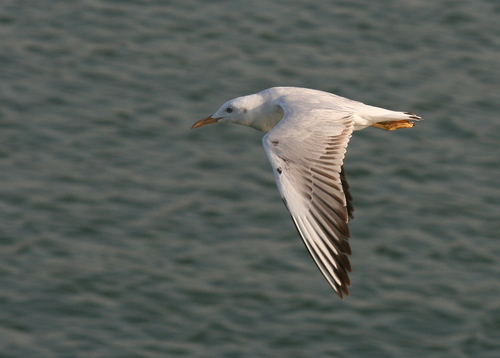
ハシボソカモメ (Chroicocephalus genei) ハシボソカモメ
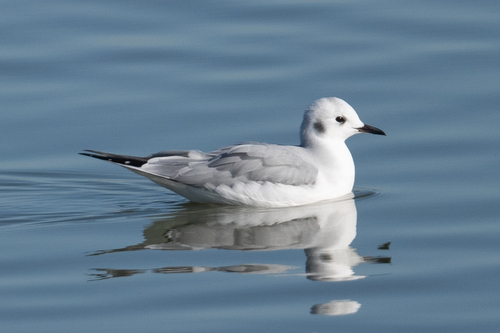
ボナパルトカモメ (Chroicocephalus philadelphia) ボナパルトカモメ

メディア

読み込み中…

要点

スレンダービルドカモメとボナパルトカモメを区別する最も信頼できる方法は、サイズと構造です:スレンダービルドは明らかに大きく、長い首を持ち、長くて細い暗赤色のくちばしと脚を持っていますが、ボナパルトははるかに小さく、短くて細い黒いくちばしとピンクがかったオレンジ色の脚を持っています。飛行中、未熟なボナパルトカモメは前羽に茶色のバーと黒い尾の先端を示しますが、スレンダービルドの未熟個体は黒い尾の帯と暗い羽の部分を持ち、これらはあまりはっきりとした印象を与えません。成鳥は頭とくちばしの形、脚の色、繁殖期にはボナパルトが完全な黒いフードを持つのに対し、スレンダービルドは常に白い頭を持っています。両種は淡い灰色の上面と黒い翼先端を持っていますが、ボナパルトの下羽は特に白いです。これらの違いは、鳥が一緒に見られるときに最も明らかですが、構造と年齢特有の羽のパターンに注意を払うことが重要です。

識別のコツ

  1. サイズと構造:スレンダービルドカモメはボナパルトカモメよりもかなり大きく、長い首を持っています。もし鳥が華奢で小さな頭に見える場合は、ボナパルトを疑ってください。
  2. くちばしの色と形:スレンダービルドは長くて細い暗赤色のくちばしを持ち、ボナパルトは短くて細い黒いくちばしを持っています。これは距離があってもよく見えます。
  3. 脚の色:スレンダービルドの脚は暗赤色ですが、ボナパルトの脚は冬にピンクがかった赤色、夏にオレンジがかった赤色です。脚の色は止まっている鳥で最もよく見えます。
  4. 頭の模様(繁殖期):ボナパルトカモメは繁殖羽衣で完全なスレートブラックのフードを持ち、スレンダービルドはフードを持たず、常に白い頭を示します(夏には淡いピンクの胸を持つこともあります)。
  5. 頭と首の形:スレンダービルドは長い首を持ち、細長く先細りの頭とくちばしを持っています。ボナパルトは短い首で小さな頭を持っています。
  6. 幼鳥/初冬の羽の模様:ボナパルトは前羽に明確な茶色のバーと二次羽に黒っぽい先端、黒い尾の先端を示します。スレンダービルドの未熟個体は黒い尾の帯と羽の暗い部分を持っていますが、はっきりとした茶色のバーはありません。
  7. 成鳥の下羽の飛行中:ボナパルトは目立って白い下羽を持ち、スレンダービルドの下羽は特に白いとは言われていません。
  8. 上面:両種は淡い灰色の上面を持っているため、これは有用な区別ではありません。
  9. 未熟個体のくちばしと脚の色:これらのマークは若い鳥ではあまり信頼できませんが、見える場合は依然として有用です。
  10. 文脈と範囲:ボナパルトは北アメリカの繁殖者であり、スレンダービルドは旧世界の鳥です;迷鳥は稀ですが可能性があるため、常に構造と羽衣を確認してください。
  11. 行動:スレンダービルドはしばしば潜水や泥を探ることで餌を探しますが、ボナパルトは水面をつついたり拾ったりすることが多いです。
  12. 未熟個体の尾の模様:両種は初年度に尾に黒がありますが、ボナパルトは黒い先端、スレンダービルドは端の帯です。
  13. 性別と年齢:両種は羽衣に性差がなく、年齢に関連する違いは上記の羽と尾の模様で最も明らかです。
  14. 夏の裸の部分の色:ボナパルトの脚は繁殖期にオレンジがかった赤色になり、スレンダービルドの脚は暗赤色のままです。
  15. 落とし穴:上面の色や黒い翼先端だけに頼らないでください;自信を持って同定するために、サイズ、構造、くちばし/脚の色、年齢特有の羽/尾のマークに焦点を当ててください。

大きさ

スレンダービルドカモメは明らかに大きく、体重は約255.5 g [wikidata]、長さは37–40 cm、翼幅は90–102 cmです。ボナパルトカモメははるかに小さく、長さは28–38 cm、翼幅は76–84 cm、体重は180–225 g [wikipedia]です。フィールドでは、スレンダービルドは長い首を持ち、全体的により細長く見えますが、ボナパルトはコンパクトで小さな頭を持ち、華奢です。並んで見るとサイズの差は明らかですが、単独でもボナパルトはカモメとしてはかなり小さく見えます。

羽色

幼鳥と初冬のボナパルトカモメは前羽に特徴的な茶色のバー、二次羽に黒っぽい先端、黒い尾の先端を示します。この茶色のバーは飛行中の強いマークであり、初冬から次の夏にかけて保持されますが、摩耗とともに色あせます。スレンダービルドカモメの未熟個体(初年度)は黒い尾の端帯と羽の暗い部分を持っていますが、これらはボナパルトの茶色のバーよりもはっきりとは定義されていません。繁殖羽衣の成鳥ボナパルトは完全なスレートブラックのフードを持ち、スレンダービルドはフードを持たず、頭は年間を通じて白く、夏には胸に淡いピンクの洗いがかかることもあります。両種は淡い灰色の上面と黒い先端の一次羽を持っていますが、ボナパルトは飛行中により白い下羽を持ち、他のカモメに見られる暗い一次羽の裏側はありません。くちばしと脚の色も異なります:スレンダービルドは暗赤色のくちばしと脚を持ち、ボナパルトは黒いくちばしとピンクがかったオレンジ色の脚を持っています(夏にはより明るくなります)。

行動

スレンダービルドカモメは、休んでいるときも飛んでいるときも細長く長い首を持っているように見え、特徴的な先細りの頭とくちばしを持っています。特に冬には群れを成し、しばしば水面を低く飛びながら潜水したり、泥を探ったりして餌を探します。ボナパルトカモメはよりコンパクトで浮力があり、水面をつついたり拾ったりして餌を取ることが多く、飛行中は敏捷です。両種は群れで見ることができますが、ボナパルトは北アメリカで見られることが多く、スレンダービルドは旧世界に制限されています。

生息環境

スレンダービルドカモメは地中海とインド洋北西部で繁殖し、沿岸の潟や島を好み、冬は河口、湾、時には内陸の湖で過ごします。陸から遠く離れて見つかることは稀です。ボナパルトカモメは北アメリカの北部で繁殖し、主に北極湖や河川の周辺で、冬は沿岸、河口、大きな内陸水域で過ごします。両種は沿岸の湿地や河口に出現することがありますが、通常の範囲は稀な迷鳥として重なりません。

より良い説明を送る

比較と同じ項目を使ってください。文章はすぐに公開されます。

The most reliable way to separate Slender-billed Gull from Bonaparte's Gull is by size and structure: Slender-billed is distinctly larger and longer-necked, with a long, slender, dark red bill and legs, while Bonaparte's is much smaller, with a short, thin black bill and pinkish to orangish-red legs. In flight, immature Bonaparte's Gulls show a brown bar across the forewing and a black tail tip, but Slender-billed immatures have a black tail band and dark wing areas that are less sharply marked. Adults differ in head and bill shape, leg color, and in breeding season, Bonaparte's has a full black hood, while Slender-billed always has a white head. Both species have pale grey upperparts and black wingtips, but Bonaparte's underwing is notably whiter. These differences are most apparent when birds are seen together, but careful attention to structure and age-specific wing patterns is key even when alone.

  1. Size and structure: Slender-billed Gull is significantly larger and longer-necked than Bonaparte's. If the bird looks dainty and small-headed, suspect Bonaparte's.
  2. Bill color and shape: Slender-billed has a long, slender, dark red bill; Bonaparte's has a short, thin, black bill. This is often visible even at a distance.
  3. Leg color: Slender-billed's legs are dark red, while Bonaparte's are pinkish-red in winter and orangish-red in summer. Leg color is best seen on perched birds.
  4. Head pattern (breeding season): Bonaparte's Gull has a full slaty black hood in breeding plumage; Slender-billed never has a hood, always showing a white head (sometimes with a faint pink breast in summer).
  5. Head and neck shape: Slender-billed appears long-necked and has an elongated, tapering head and bill. Bonaparte's is short-necked and small-headed.
  6. Juvenile/first-winter wing pattern: Bonaparte's shows a clear brown bar across the forewing and blackish tips to the secondaries, with a black tail tip. Slender-billed immatures have a black terminal tail band and dark areas on the wings, but not a sharply defined brown bar.
  7. Adult underwing in flight: Bonaparte's has a conspicuously white underwing, while Slender-billed's underwing is not described as especially white.
  8. Upperparts: Both have pale grey upperparts, so this is not a useful distinction.
  9. Bill and leg color in immatures: These marks are less reliable in young birds but still useful if visible.
  10. Context and range: Bonaparte's is a North American breeder, Slender-billed is Old World; vagrancy is rare but possible, so always check structure and plumage.
  11. Behavior: Slender-billed often forages by diving or probing, Bonaparte's is more likely to dip or pick at the surface.
  12. Tail pattern in immatures: Both have black on the tail in first year, but Bonaparte's is a black tip, Slender-billed is a terminal band.
  13. Sex and age: Both species lack sex differences in plumage; age-related differences are most obvious in the wing and tail patterns described above.
  14. Bare part color in summer: Bonaparte's legs become orangish-red in breeding season, Slender-billed's remain dark red.
  15. Pitfalls: Do not rely solely on upperpart color or black wingtips; focus on size, structure, bill/leg color, and age-specific wing/tail marks for confident ID.

Slender-billed Gull is notably larger, with a body mass of about 255.5 g [wikidata], a length of 37–40 cm, and a wingspan of 90–102 cm. Bonaparte's Gull is much smaller, at 28–38 cm in length, wingspan 76–84 cm, and weight 180–225 g [wikipedia]. In the field, Slender-billed appears longer-necked and more elongated overall, while Bonaparte's is compact, small-headed, and daintier. When seen side by side, the size gap is obvious, but even singly, Bonaparte's will look noticeably petite for a gull.

Juvenile and first-winter Bonaparte's Gulls show a distinctive brown bar across the forewing, blackish tips to the secondaries, and a black tail tip. This brown bar is a strong mark in flight and is retained through the first winter and into the following summer, though it fades with wear. Slender-billed Gull immatures (first year) have a black terminal tail band and dark areas on the wings, but these are less sharply defined than Bonaparte's brown bar. Adult Bonaparte's in breeding plumage have a full slaty black hood, while Slender-billed never has a hood—its head remains white year-round, sometimes with a faint pinkish wash on the breast in summer. Both species have pale grey upperparts and black-tipped primaries, but Bonaparte's has a whiter underwing in flight, lacking the dusky primary undersides seen in some other gulls. Bill and leg color also differ: Slender-billed has dark red bill and legs, Bonaparte's has a black bill and pinkish to orangish-red legs (brighter in summer).

Slender-billed Gull often appears elongated and long-necked, both at rest and in flight, with a distinctive tapering head and bill. It is gregarious, especially in winter, and often forages by flying low over water and diving, or probing mud. Bonaparte's Gull is more compact and buoyant, often feeding by dipping or picking at the water surface, and is agile in flight. Both species can be seen in flocks, but Bonaparte's is more likely to be seen in North America, while Slender-billed is restricted to the Old World.

Slender-billed Gull breeds around the Mediterranean and northwestern Indian Ocean, favoring coastal lagoons and islands, and winters in estuaries, bays, and sometimes inland lakes. It is rarely found far from land. Bonaparte's Gull breeds in northern North America, mainly around boreal lakes and rivers, and winters along coasts, estuaries, and large inland waters. While both can occur in coastal wetlands and estuaries, their normal ranges do not overlap except as rare vagrants.

変更を破棄しますか?

保存していない編集があります。今離れると失われます。

ハシボソカモメ · ボナパルトカモメ · 苦手な鳥