

Motmot

ウスズミシトド 対 クサビオノジコ

Haplospiza rustica 対 Emberizoides herbicola

ウスズミシトドとクサビオノジコのクイズ
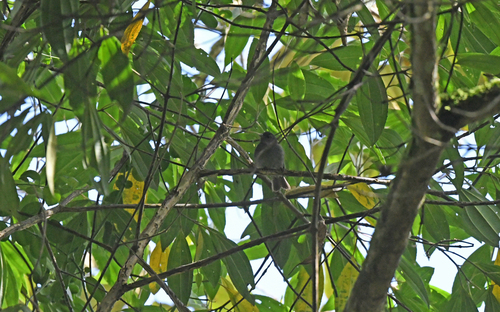
ウスズミシトド (Haplospiza rustica) ウスズミシトド
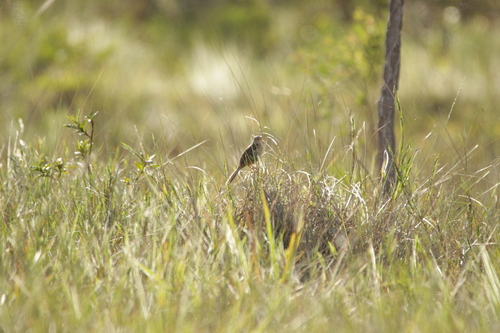
クサビオノジコ (Emberizoides herbicola) クサビオノジコ

メディア

読み込み中…

要点

ウスズミシトドとクサビオノジコの最も信頼できるフィールドマークは全体の形と尾です:クサビオノジコは明らかに大きく、非常に長く尖った尾と縞模様のある土色の羽毛を持ち、ウスズミシトドは小さく、コンパクトで明らかな縞模様がありません。幼鳥のクサビオノジコは錆びた黄色の洗い流しと胸の縞模様を示し、ウスズミシトドはどの年齢でもこれを示しません。生息地も強い手がかりです:ウスズミシトドは山地の森林の縁に生息し、クサビオノジコは草原とサバンナの専門家です。開けた草地で縞模様のある長い尾の鳥を見たら、それはほぼ確実にクサビオノジコです。

識別のコツ

  1. 尾の形と長さ: クサビオノジコは非常に長く尖ったくさび形の尾を持ち、しばしば傾けたり振ったりします;ウスズミシトドは短く四角い尾を持っています。これは止まっている時と飛んでいる時の両方で見ることができます。
  2. 全体のサイズと構造: クサビオノジコははるかに大きく、より細長い体形を持ち、体重も重く、体が長いです;ウスズミシトドはコンパクトで小さいです。
  3. 上面の縞模様: クサビオノジコ(すべての年齢)は背中と頭頂に太い茶色と黒っぽい縞模様を示します;ウスズミシトドは無地で縞模様がありません。
  4. 幼鳥の羽毛: 幼鳥のクサビオノジコは上面に錆びた黄色の洗い流し、黄色がかった顔と下面、胸の縞模様を持っています。ウスズミシトドの幼鳥は無地で、黄色や胸の縞模様を示しません。
  5. 顔の模様: クサビオノジコは淡い眉斑、淡い頬、時にはかすかな白い目の輪を持っています;ウスズミシトドの顔は無地で、これらのコントラストがありません。
  6. 翼の模様: クサビオノジコは広いオリーブグリーンの縁を持つ翼を持っています;ウスズミシトドの翼は均一でコントラストのある縁がありません。
  7. 下面: クサビオノジコはクリーム色の白い下面を持ち、バフ色の側面と肛門があります;ウスズミシトドはより均一な色合いです。
  8. くちばし: クサビオノジコは中程度の厚さの黄色から黄色-オレンジ色のくちばしを持ち、黒っぽい背部があります;ウスズミシトドのくちばしはあまり色がなく、より均一です。
  9. 生息地: 草原、サバンナ、または高い草 = クサビオノジコ;山地の森林の縁または密な下草 = ウスズミシトド。
  10. 行動: クサビオノジコはしばしば開けた場所の草の茎に止まり、尾を振り、跳ねるように飛びます;ウスズミシトドは低く留まり、跳ね、より秘密主義です。
  11. 飛行プロファイル: クサビオノジコは飛行中に長く尖った尾と縞模様のある上面を示します;ウスズミシトドは短い尾で無地に見えます。
  12. 地理的範囲: 両方とも中央アメリカに生息しますが、クサビオノジコは南アメリカでより広範囲に分布し、特に開けた生息地に多く見られます。
  13. 性別と季節: どちらの種も羽毛において重要な季節的または性別の違いはありません;上記のすべてのフィールドマークは年間を通じて適用されます。
  14. 一般的な落とし穴: 全体の茶色の色合いだけに頼らないでください—尾の長さ、縞模様、生息地に焦点を当ててください。未熟なクサビオノジコはより黄色く見えることがありますが、まだ縞模様と長い尾を示します。
  15. 疑わしい場合: 鳥が縞模様で長い尾を持ち、草原にいる場合、それはクサビオノジコです。無地で短い尾を持ち、森林の縁にいる場合、それはウスズミシトドです。

大きさ

クサビオノジコはウスズミシトドよりも明らかに大きく、重いです:体重は25.0 g対15.6 gです([wikidata])。クサビオノジコはフィールドでより長く、細長く見え、長さは約20 cmですが、ウスズミシトドははるかにコンパクトです。このサイズの違いは、特に両種が同様の文脈で見られるときに、良好な双眼鏡の視界で通常は明らかです。

羽色

行動

クサビオノジコはしばしば高い草の中を移動し、草の茎や低い低木に止まり、跳ねるような波打つパターンで短い飛行をします。頻繁に長い尾を振ります。ウスズミシトドはより秘密主義で、森林の縁や下草の中で低く採餌し、開けた草地に出ることはほとんどありません。その動きはより跳ねるようで目立たず、尾を振ることはほとんどありません。

生息環境

生息地は強い分離要因です。ウスズミシトドは亜熱帯または熱帯の湿った山地の森林とその縁に制限され、中央アメリカとアンデスの高い標高でよく見られます([wikipedia])。開けた草原を避けます。対照的に、クサビオノジコは草原とサバンナの専門家で、散在する低木のある湿ったから乾燥した草原を好み、低地から中程度の標高(コロンビアでは最大1,800 m)まで見られます。鳥が高い草やサバンナにいる場合、それはほぼ確実にクサビオノジコです;森林の縁や劣化した森林にいる場合、ウスズミシトドの可能性が高いです。

より良い説明を送る

比較と同じ項目を使ってください。文章はすぐに公開されます。

The most reliable field mark between Slaty Finch and Wedge-tailed Grass-Finch is overall shape and tail: Wedge-tailed Grass-Finch is distinctly larger, with a very long, pointed tail and a streaked, earthy-brown plumage, while Slaty Finch is smaller, compact, and lacks obvious streaking. Juvenile Wedge-tailed Grass-Finch shows a rusty yellow wash and breast streaks, which Slaty Finch never shows at any age. Habitat is also a strong clue: Slaty Finch keeps to montane forest edges, while Wedge-tailed Grass-Finch is a grassland and savanna specialist. If you see a streaky, long-tailed bird in open grassy areas, it's almost certainly Wedge-tailed Grass-Finch.

  1. Tail shape and length: Wedge-tailed Grass-Finch has a very long, pointed, wedge-shaped tail, often held cocked or flicked; Slaty Finch has a short, square tail. This is visible both perched and in flight.
  2. Overall size and structure: Wedge-tailed Grass-Finch is much larger and more elongated, with a heavier build and longer body; Slaty Finch is compact and small.
  3. Upperpart streaking: Wedge-tailed Grass-Finch (all ages) shows bold brown and blackish streaks on the back and crown; Slaty Finch is plain and lacks streaking.
  4. Juvenile plumage: Juvenile Wedge-tailed Grass-Finch has a rusty yellow wash to upperparts, yellowish face and underparts, and breast streaks. Slaty Finch juveniles are plain and never show yellow or breast streaks.
  5. Facial pattern: Wedge-tailed Grass-Finch has a pale supercilium, pale lores, and sometimes a faint whitish eye-ring; Slaty Finch's face is plain and lacks these contrasts.
  6. Wing pattern: Wedge-tailed Grass-Finch has wings with broad olive-green edges; Slaty Finch's wings are uniform and lack contrasting edges.
  7. Underparts: Wedge-tailed Grass-Finch has creamy white underparts with buff flanks and vent; Slaty Finch is more uniformly colored below.
  8. Bill: Wedge-tailed Grass-Finch has a moderately thick, yellow to yellow-orange bill with a blackish culmen; Slaty Finch's bill is less colorful and more uniform.
  9. Habitat: Grassland, savanna, or tall grass = Wedge-tailed Grass-Finch; montane forest edge or dense undergrowth = Slaty Finch.
  10. Behavior: Wedge-tailed Grass-Finch often perches on grass stems in the open, flicks tail, and makes bounding flights; Slaty Finch stays low, hops, and is more secretive.
  11. Flight profile: Wedge-tailed Grass-Finch shows a long, pointed tail and streaked upperparts in flight; Slaty Finch looks short-tailed and plain.
  12. Geographic range: Both can occur in Central America, but Wedge-tailed Grass-Finch is much more widespread in South America, especially in open habitats.
  13. Sex and season: No significant seasonal or sex differences in plumage for either species; all field marks above apply year-round.
  14. Common pitfalls: Do not rely on overall brownish color alone—focus on tail length, streaking, and habitat. Immature Grass-Finch can look yellower, but still shows streaks and long tail.
  15. When in doubt: If the bird is streaked, long-tailed, and in grassland, it's Wedge-tailed Grass-Finch. If it's plain, short-tailed, and in forest edge, it's Slaty Finch.

Wedge-tailed Grass-Finch is noticeably larger and heavier than Slaty Finch: 25.0 g versus 15.6 g in body mass ([wikidata]). The Grass-Finch also appears longer and more elongated in the field, with a length of about 20 cm, while Slaty Finch is much more compact. This size difference is usually obvious with good binocular views, especially when both species are seen in similar contexts.

  • Juvenile/immature birds: Juvenile Wedge-tailed Grass-Finch has a distinctive rusty yellow wash to the upperparts, yellowish face and underparts, and streaks on the breast. Slaty Finch juveniles do not show these features and remain plain.
  • Adults: Adult Wedge-tailed Grass-Finch is boldly streaked above (brown and blackish), with a pale brownish face, pale supercilium, and creamy white underparts with buff flanks. The wings have broad olive-green edges and the tail is long, pointed, and dark-centered. Adult Slaty Finch is much plainer, lacking strong streaks or contrasting wing/tail patterns, and appears overall slaty or dull in tone.
  • Sex differences: Both species have similar plumage between sexes, so sex is not a useful field mark.
  • Flight views: Wedge-tailed Grass-Finch's long, wedge-shaped tail and streaked upperparts are visible in flight; Slaty Finch appears short-tailed and uniform.

Wedge-tailed Grass-Finch is often seen moving through tall grass, perching on grass stems or low shrubs, and making short flights with a bounding, undulating pattern. It frequently flicks its long tail. Slaty Finch is more secretive, foraging low in dense vegetation at forest edge or in undergrowth, and rarely ventures into open grassy areas. Its movements are more hopping and less conspicuous, with little tail flicking.

Habitat is a strong separator. Slaty Finch is restricted to subtropical or tropical moist montane forests and edges, often at higher elevations in Central America and the Andes ([wikipedia]). It avoids open grassland. Wedge-tailed Grass-Finch, by contrast, is a grassland and savanna specialist, favoring damp to dryish grasslands with scattered shrubs, and is found from lowlands up to moderate elevations (up to 1,800 m in Colombia). If the bird is in tall grass or savanna, it is almost certainly Wedge-tailed Grass-Finch; in forest edge or degraded forest, Slaty Finch is more likely.

変更を破棄しますか?

保存していない編集があります。今離れると失われます。

ウスズミシトド · クサビオノジコ · 苦手な鳥