

Motmot

ハシナガクイナ 対 オーストラリアクイナ

Lewinia striata 対 Lewinia pectoralis

ハシナガクイナとオーストラリアクイナのクイズ
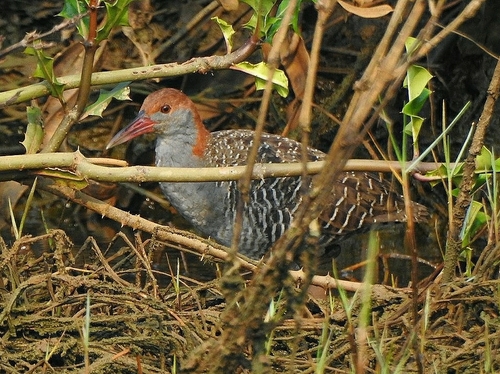
ハシナガクイナ (Lewinia striata) ハシナガクイナ
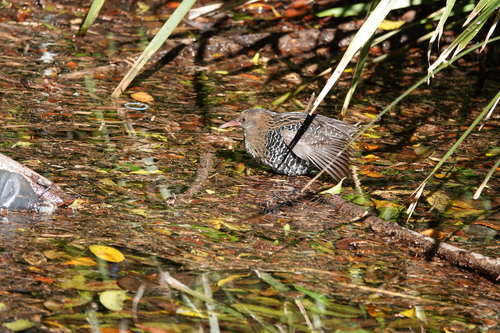
オーストラリアクイナ (Lewinia pectoralis) オーストラリアクイナ

メディア

読み込み中…

要点

ハシナガクイナとオーストラリアクイナの最も信頼できるフィールドマークは、頭部と下部の色彩です:ハシナガクイナは明確な栗色の冠と後頭部を持ち、青灰色の胸を示しますが、オーストラリアクイナはこの組み合わせが欠けており、代わりに黒と白の縞模様の腹部とまだら模様のストライプの翼を持っています。サイズも役立つ場合があり、ハシナガクイナは一般的に大きくて重いです。両種は薄暗い光や短い視界では混乱を招くことがありますが、頭部の色と下部の模様に焦点を当てることが最良の分離戦略です。幼鳥や未成熟の翼の模様はどちらの種についても詳細には説明されていないため、成鳥の羽毛が主なフィールドの手がかりです。

識別のコツ

  1. 頭部の色彩: ハシナガクイナは明確な栗色の冠と後頭部を持ち、これはオーストラリアクイナにはありません。頭が見える場合、これが最も早く分ける方法です。
  2. 胸の色: ハシナガクイナの青灰色の胸を探してください;オーストラリアクイナはこれが欠けており、代わりにもっとまだら模様または縞模様の下部を示します。
  3. 腹部の模様: オーストラリアクイナは黒と白の縞模様の腹部を持ち、これはハシナガクイナにはありません。これは鳥が横から見たときや羽繕いをしているときの重要なマークです。
  4. 翼の模様: オーストラリアクイナは黒から栗色のストライプのあるまだら模様の翼を持ち、ハシナガクイナの翼はより均一で強いストライプが欠けています。これは飛行中や翼が広げられたときに役立ちます。
  5. くちばしの色と形: ハシナガクイナは長い赤みがかったくちばしを持っています。オーストラリアクイナのメモではくちばしの色はあまり強調されていませんが、ハシナガクイナの赤みがかったトーンは微妙な手がかりになることがあります。
  6. 全体のサイズ: ハシナガクイナは一般的に大きくて重いです。スケール感が良ければ、これが役立ちますが、重複や個体差に注意してください。
  7. 性別と年齢: どちらの種についても性別特有または年齢特有のフィールドマークは説明されていないため、成鳥の羽毛に焦点を当ててください。
  8. 飛行と止まり木: 両種は秘密主義で、歩いたり隠れ場所から飛び出したりするのが見られることがあります。羽毛のマークは両方の状況で見えますが、止まっているときや歩いているときに下部と頭部の色が最も見やすいです。
  9. 生息地の文脈: 両方とも湿地の鳥ですが、範囲と場所は、地元の種リストが確実でない限り、二次的な手がかりとしてのみ使用してください。
  10. 照明と視角: 薄暗い光では、ハシナガクイナの栗色の冠が鈍く見えることがあり、オーストラリアクイナの縞模様があまり明らかでない場合があります。複数の視点を得るようにしてください。
  11. 部分的な視界: 頭と胸だけが見える場合、ハシナガクイナのために栗色と青灰色を優先してください。腹部と側面が見える場合、オーストラリアクイナのために縞模様を探してください。
  12. 混乱のリスク: 両種は一見似て見えることがあり、特に密なカバーの中ではそうです。常に単一の特徴に頼るのではなく、マークの組み合わせを探してください。
  13. くちばしの長さ: ハシナガクイナの長いくちばしは、鳥が餌を食べたり探ったりしているときに目立つかもしれません。
  14. 診断的な声はなし: メモには音声の違いは説明されていないため、分離のために呼び声に頼らないでください。
  15. 年齢特有の翼の模様はなし: 一部のクイナとは異なり、これらの二種の間には、幼鳥や未成熟の翼パネルや後縁の違いは説明されていません。

大きさ

ハシナガクイナは大きな種で、全長25–30 cm、体重100–142 gです。オーストラリアクイナは小さく、全長18–27 cmで、オスは平均88 g、メスは82 gです。このサイズの違いはフィールドではしばしば微妙ですが、ハシナガクイナは通常、よりがっしりとしていて長い体に見えます、特に両種が並んで見られるときはそうです。翼幅はオーストラリアクイナのみに利用可能(31–35 cm)ですが、全体的な印象はハシナガクイナがより頑丈な鳥であるということです。

羽色

幼鳥や未成熟の翼や飛行パターンの違いは説明されていないため、成鳥の羽毛が主な焦点です。ハシナガクイナは栗色の冠と後頭部、青灰色の胸、長い赤みがかったくちばしを示します。オーストラリアクイナは栗色の冠と青灰色の胸が欠けており、代わりに黒と白の縞模様の腹部と、黒から栗色のストライプのあるまだら模様の翼を示します。オーストラリアクイナの翼の模様は、ハシナガクイナのより均一な外観と比較して、より複雑で対照的です。これらの違いは、止まっている鳥と歩いている鳥の両方で見えますが、飛行中は下部が明確に見えない限り、識別が難しい場合があります。

行動

両種はクイナであり、秘密主義で、しばしば密な植生の中でひそんでいます。フィールドで信頼できる分離を行うための特定の行動の違いは、情報源には記載されていません。両方とも突然カバーから飛び出したり、湿地の端を静かに歩いたりすることがあるため、行動だけでは診断的ではありません。

生息環境

ハシナガクイナはインド亜大陸と東南アジアに生息していますが、オーストラリアクイナは提供されたメモに特定の範囲で記載されていません。両種は湿地の生息地で見られる可能性が高いですが、生息地は一方の種の知られている範囲の外にいる場合を除いて、信頼できる分離要因ではありません。

より良い説明を送る

比較と同じ項目を使ってください。文章はすぐに公開されます。

The most reliable field mark between Slaty-breasted Rail and Lewin's Rail is the head and underpart coloration: Slaty-breasted Rail shows a distinct chestnut crown and nape with a blue-grey breast, while Lewin's Rail lacks this combination and instead features a barred black-and-white abdomen and mottled, striped wings. Size can also help, as Slaty-breasted Rail is generally larger and heavier. Both species can be confusing in poor light or brief views, but focusing on the head color and underpart pattern is the best separation strategy. Juvenile and immature wing patterns are not described in detail for either species, so adult plumage is the main field clue.

  1. Head Coloration: Slaty-breasted Rail has a distinct chestnut crown and nape, which is absent in Lewin's Rail. This is often the quickest way to separate them if the head is visible.
  2. Breast Color: Look for a blue-grey breast on Slaty-breasted Rail; Lewin's Rail lacks this and instead shows more mottled or barred underparts.
  3. Abdomen Pattern: Lewin's Rail has a barred black-and-white abdomen, which is not present in Slaty-breasted Rail. This is a key mark when the bird is side-on or preening.
  4. Wing Pattern: Lewin's Rail features mottled wings with black-to-chestnut stripes, while Slaty-breasted Rail's wings are more uniform and lack strong striping. This can be helpful in flight or when the wings are spread.
  5. Bill Color and Shape: Slaty-breasted Rail has a long, reddish bill. Bill color is less emphasized for Lewin's Rail in the notes, but the reddish tone of Slaty-breasted Rail can be a subtle clue.
  6. Overall Size: Slaty-breasted Rail is generally larger and heavier. If you have a good sense of scale, this can help, but beware of overlap and individual variation.
  7. Sex and Age: No sex-specific or age-specific field marks are described for either species, so focus on adult plumage.
  8. Flight vs Perched: Both species are secretive and may be seen walking or flushing from cover. Plumage marks are visible in both situations, but underpart and head color are easiest to see when perched or walking.
  9. Habitat Context: While both are wetland birds, use range and location only as a secondary clue unless you are certain of the local species list.
  10. Lighting and View Angle: In poor light, the chestnut crown of Slaty-breasted Rail may appear duller, and the barring on Lewin's Rail may be less obvious. Try to get multiple views.
  11. Partial Views: If you only see the head and breast, prioritize chestnut and blue-grey for Slaty-breasted Rail. If you see the belly and flanks, look for barring for Lewin's Rail.
  12. Confusion Risk: Both species can appear similar at a glance, especially in dense cover. Always look for a combination of marks rather than relying on a single feature.
  13. Bill Length: The longer bill of Slaty-breasted Rail may be noticeable if the bird is feeding or probing.
  14. No Diagnostic Voice: No vocal differences are described in the notes, so do not rely on calls for separation.
  15. No Age-specific Wing Pattern: Unlike some rails, there are no described juvenile or immature wing panel or trailing edge differences between these two species in the sources.

Slaty-breasted Rail is the larger species, measuring 25–30 cm in length and weighing 100–142 g. Lewin's Rail is smaller, at 18–27 cm in length, with males averaging 88 g and females 82 g. This size difference is often subtle in the field, but Slaty-breasted Rail will usually appear bulkier and longer-bodied, especially when both species are seen side by side. Wingspan is only available for Lewin's Rail (31–35 cm), but the overall impression is that Slaty-breasted Rail is the more robust bird.

No age-specific wing or flight pattern differences are described for juveniles or immatures, so adult plumage is the main focus. Slaty-breasted Rail shows a chestnut crown and nape, a blue-grey breast, and a long, reddish bill. Lewin's Rail lacks the chestnut crown and blue-grey breast, instead showing a barred black-and-white abdomen and wings that are mottled with black-to-chestnut stripes. The wing pattern of Lewin's Rail is more complex and contrasting compared to the more uniform appearance of Slaty-breasted Rail. These differences are visible in both perched and walking birds, but may be harder to discern in flight unless the underparts are clearly seen.

Both species are rails and tend to be secretive, often skulking in dense vegetation. There are no specific behavioral differences noted in the sources that would reliably separate them in the field. Both may flush suddenly from cover or walk quietly along the edge of wetlands, so behavior alone is not diagnostic.

Slaty-breasted Rail is native to the Indian subcontinent and Southeast Asia, while Lewin's Rail is not described with a specific range in the provided notes. Both species are likely to be found in wetland habitats, but habitat is not a reliable separator unless you are outside the known range of one species.

変更を破棄しますか?

保存していない編集があります。今離れると失われます。

ハシナガクイナ · オーストラリアクイナ · 苦手な鳥