

Slaty-breasted Rail vs Lewin's Rail
Lewinia striata contro Lewinia pectoralis
Fai un quiz con Slaty-breasted Rail e Lewin's Rail
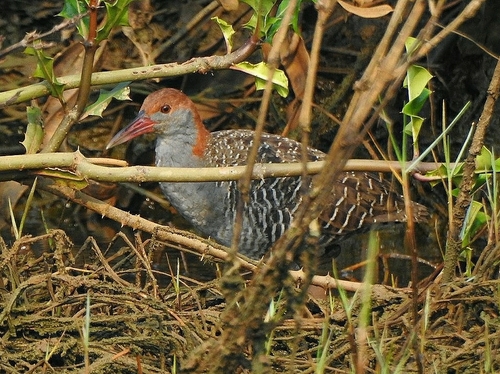 Slaty-breasted Rail
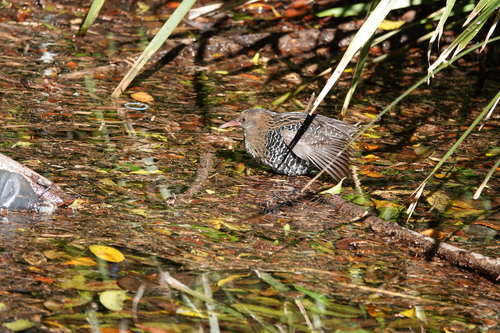 Lewin's Rail
In breve
Il segno distintivo più affidabile tra Slaty-breasted Rail e Lewin's Rail è la colorazione della testa e delle parti inferiori: Slaty-breasted Rail mostra una corona e una nuca castanee distinte con un petto blu-grigio, mentre Lewin's Rail manca di questa combinazione e presenta invece un addome barrato bianco e nero e ali maculate e striate. Anche la dimensione può aiutare, poiché Slaty-breasted Rail è generalmente più grande e pesante. Entrambe le specie possono essere confuse in condizioni di scarsa illuminazione o in brevi visioni, ma concentrarsi sul colore della testa e sul motivo delle parti inferiori è la migliore strategia di separazione. I modelli delle ali giovanili e immature non sono descritti in dettaglio per nessuna delle due specie, quindi il piumaggio adulto è il principale indizio sul campo.
Consigli di identificazione
- Colorazione della Testa: Slaty-breasted Rail ha una corona e una nuca castanee distinte, assenti in Lewin's Rail. Questo è spesso il modo più veloce per separarli se la testa è visibile.
- Colore del Petto: Cerca un petto blu-grigio su Slaty-breasted Rail; Lewin's Rail manca di questo e mostra invece parti inferiori più maculate o barrate.
- Motivo dell'Addome: Lewin's Rail ha un addome barrato bianco e nero, che non è presente in Slaty-breasted Rail. Questo è un segno chiave quando l'uccello è di lato o si sta pulendo.
- Motivo delle Ali: Lewin's Rail presenta ali maculate con strisce da nero a castano, mentre le ali di Slaty-breasted Rail sono più uniformi e mancano di striature forti. Questo può essere utile in volo o quando le ali sono spiegate.
- Colore e Forma del Becco: Slaty-breasted Rail ha un becco lungo e rossastro. Il colore del becco è meno enfatizzato per Lewin's Rail nelle note, ma il tono rossastro di Slaty-breasted Rail può essere un indizio sottile.
- Dimensione Complessiva: Slaty-breasted Rail è generalmente più grande e pesante. Se hai una buona percezione della scala, questo può aiutare, ma fai attenzione alla sovrapposizione e alla variazione individuale.
- Sesso e Età: Non sono descritti segni specifici per sesso o età per nessuna delle due specie, quindi concentrati sul piumaggio adulto.
- In Volo vs In Perch: Entrambe le specie sono riservate e possono essere viste camminare o volare via da un riparo. I segni del piumaggio sono visibili in entrambe le situazioni, ma il colore delle parti inferiori e della testa è più facile da vedere quando sono in percheggio o camminano.
- Contesto dell'Habitat: Anche se entrambe sono uccelli delle zone umide, utilizza l'area e la posizione solo come indizio secondario a meno che tu non sia certo della lista delle specie locali.
- Illuminazione e Angolo di Visione: In condizioni di scarsa illuminazione, la corona castanea di Slaty-breasted Rail può apparire più opaca, e le barre su Lewin's Rail possono essere meno evidenti. Cerca di ottenere più visuali.
- Visioni Parziali: Se vedi solo la testa e il petto, dai priorità al castano e al blu-grigio per Slaty-breasted Rail. Se vedi la pancia e i fianchi, cerca le barre per Lewin's Rail.
- Rischio di Confusione: Entrambe le specie possono apparire simili a colpo d'occhio, specialmente in copertura densa. Cerca sempre una combinazione di segni piuttosto che fare affidamento su una singola caratteristica.
- Lunghezza del Becco: Il becco più lungo di Slaty-breasted Rail può essere evidente se l'uccello sta alimentandosi o sondando.
- Nessuna Voce Diagnostica: Non sono descritte differenze vocali nelle note, quindi non fare affidamento sui richiami per la separazione.
- Nessun Motivo delle Ali Specifico per Età: A differenza di alcune gallinelle, non ci sono differenze descritte nei pannelli delle ali giovanili o immature o nei bordi posteriori tra queste due specie nelle fonti.
Taglia
Slaty-breasted Rail è la specie più grande, misurando 25–30 cm di lunghezza e pesando 100–142 g. Lewin's Rail è più piccola, con una lunghezza di 18–27 cm, con i maschi che pesano in media 88 g e le femmine 82 g. Questa differenza di dimensione è spesso sottile sul campo, ma Slaty-breasted Rail apparirà generalmente più robusta e dal corpo più lungo, specialmente quando entrambe le specie sono viste fianco a fianco. L'apertura alare è disponibile solo per Lewin's Rail (31–35 cm), ma l'impressione generale è che Slaty-breasted Rail sia l'uccello più robusto.
Piumaggio
Non sono descritte differenze specifiche per età nei motivi delle ali o di volo per i giovanili o gli immaturi, quindi il piumaggio adulto è il principale focus. Slaty-breasted Rail mostra una corona e una nuca castanee, un petto blu-grigio e un becco lungo e rossastro. Lewin's Rail manca della corona castanea e del petto blu-grigio, mostrando invece un addome barrato bianco e nero e ali che sono maculate con strisce da nero a castano. Il motivo delle ali di Lewin's Rail è più complesso e contrastante rispetto all'aspetto più uniforme di Slaty-breasted Rail. Queste differenze sono visibili sia negli uccelli in percheggio che in quelli in movimento, ma possono essere più difficili da discernere in volo a meno che le parti inferiori non siano chiaramente visibili.
Comportamento
Entrambe le specie sono gallinelle e tendono a essere riservate, spesso nascondendosi in vegetazione densa. Non ci sono differenze comportamentali specifiche notate nelle fonti che possano separarle in modo affidabile sul campo. Entrambe possono volare improvvisamente da un riparo o camminare silenziosamente lungo il bordo delle zone umide, quindi il comportamento da solo non è diagnostico.
Habitat
Slaty-breasted Rail è nativa del subcontinente indiano e del sud-est asiatico, mentre Lewin's Rail non è descritta con un'area specifica nelle note fornite. Entrambe le specie sono probabilmente trovate in habitat di zone umide, ma l'habitat non è un separatore affidabile a meno che tu non sia al di fuori dell'area conosciuta di una specie.
Slaty-breasted Rail · Lewin's Rail · I miei uccelli difficili