

Motmot

セアオビタキ 対 ノドグロヒタキ

Ficedula erithacus 対 Ficedula strophiata

セアオビタキとノドグロヒタキのクイズ
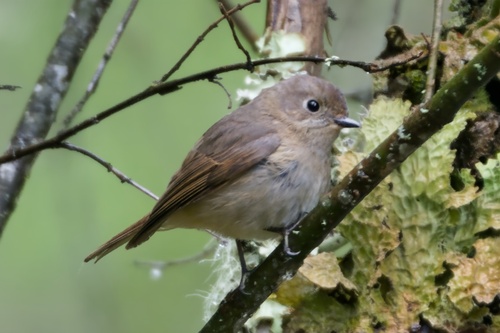
セアオビタキ (Ficedula erithacus) セアオビタキ
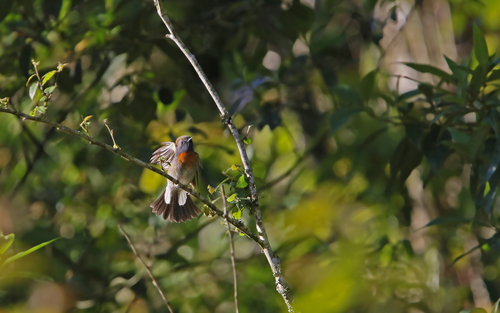
ノドグロヒタキ (Ficedula strophiata) ノドグロヒタキ

メディア

読み込み中…

要点

スレイティーバックヒタキとノドグロヒタキをフィールドで区別する最も信頼できる方法は、特に成鳥における赤褐色の喉の斑点(ゴルゲット)の有無に焦点を当てることです。両種はアジアの山地森林に生息する小型で活発なヒタキで、分布域や生息地が重なることがあります。構造的な違いは微妙で、利用可能な情報源では十分に文書化されていないため、羽毛、特に喉と上面の羽毛が最も信頼できる手がかりとなります。未熟な個体は、年齢特有の翼や飛行パターンが情報源に記載されていないため、より難しい場合があります。

識別のコツ

  1. 成鳥の喉の色が重要: ノドグロヒタキのオスは目立つ赤褐色の喉の斑点(ゴルゲット)を持ち、スレイティーバックヒタキにはありません。これは成鳥にとって最も信頼できる特徴です。
  2. 上面の色合い: スレイティーバックヒタキは青灰色またはスレート色の背中と頭頂を示し、ノドグロヒタキはより鈍い茶色の上面を持つ傾向があります。この違いは微妙ですが、特に良い光の下で役立つことがあります。
  3. 雌と未熟個体: 両種の雌や若い個体は完全なゴルゲットを欠く場合があります。この場合、スレイティーバックの全体的に冷たい(灰色がかった)トーンとノドグロヒタキの暖かい茶色のトーンを探してください。
  4. 文書化された翼パターンの違いはない: 両種に対して年齢特有の上翼や飛行のマークは記載されていないため、翼のパネルや飛行パターンに頼って区別しないでください。
  5. 生息地の重複: 両種は山地森林で一緒に生息することがあるため、重複する地域では生息地だけを区別の基準にしないでください。
  6. サイズは役に立たない: 両者はサイズが似ており、ノドグロヒタキは平均12.5gですが、これはフィールドマークではありません。
  7. 行動は似ている: 両者は昆虫を捕まえるために止まり木から飛び出し、尾を頻繁に振ります。フィールドで信頼できる区別をするための行動の違いは利用可能な情報源には記載されていません。
  8. 季節的な文脈: 両種は冬に同じ地域で見られることがあるため、時期は強い区別要因ではありません。
  9. 性別の違い: オスはゴルゲットのために区別しやすいですが、雌や未熟個体はより注意が必要で、微妙な色の違いに頼る必要があります。
  10. 光の影響: 上面の色の微妙な違いは光によって隠されたり誇張されたりすることがあるため、自然光の下で複数の角度から鳥を見るようにしてください。
  11. 不確実性について正直であること: 喉がはっきり見えず、上面の色があいまいな場合、種を自信を持って特定することはできないかもしれません。
  12. 可能な場合は写真を撮る: 特に未熟個体や雌の難しい個体については、写真が後で参照画像と比較するのに役立つかもしれません。
  13. 複数の特徴を確認する: 単一のマーク(成鳥のゴルゲットを除く)に頼らないでください。喉の色、上面のトーン、文脈の組み合わせを使用してください。
  14. 地域のチェックリストを参照する: 一部の地域では、一方の種が他方よりもはるかに一般的である場合がありますが、両者はその分布域の一部で一緒に生息することがあります。
  15. 参照画像を見直す: 特に非繁殖期や未熟な羽毛に関して、両種の変異の範囲に慣れておいてください。

大きさ

ノドグロヒタキだけが文書化された平均体重(12.5g [wikidata])を持っていますが、両種はサイズが似ており、フィールドで重なる可能性があります。サイズの違いは微妙で、双眼鏡での信頼できるフィールドマークではありません。

羽色

成鳥の場合、ノドグロヒタキは喉の特徴的な赤褐色の斑点(「ゴルゲット」)にちなんで名付けられており、スレイティーバックヒタキにはありません。スレイティーバックヒタキは、特に背中に青灰色またはスレート色の上面の色合いを持ち、ノドグロヒタキではそれがあまり目立たないか、欠けています。両種は典型的なFicedulaヒタキのパターンを持っていますが、ゴルゲットは成鳥にとって際立ったマークです。利用可能な情報源には、いずれの種の幼鳥や未熟個体の翼パターンや飛行マークに関する詳細な情報はなく、これらの年齢は喉の色なしでは区別が難しい場合があります。両種の雌や未熟個体は完全な成鳥のゴルゲットを欠く場合があり、区別が難しく、上面の色合いの微妙な違いに注意を払う必要があります。

行動

両種は典型的な小型ヒタキで、止まり木から飛び出して昆虫を捕まえ、尾を頻繁に振ります。フィールドで信頼できる区別をするための行動の違いは利用可能な情報源には記載されていません。

生息環境

両種は亜熱帯または熱帯の湿った山地森林に生息し、東ヒマラヤ、中央/南中国、北インドシナで重なることがあります。スレイティーバックヒタキは湿った低地森林でも見られることがありますが、ノドグロヒタキはより厳密に山地に生息します。しかし、生息地だけでは分布域が重なる場所での信頼できる区別要因ではなく、両者は類似の森林タイプで見られることがあります。

より良い説明を送る

比較と同じ項目を使ってください。文章はすぐに公開されます。

The most reliable way to separate Slaty-backed Flycatcher from Rufous-gorgeted Flycatcher in the field is by focusing on plumage differences, especially the presence or absence of a rufous throat patch (gorget) in adults. Both species are small, active flycatchers of Asian montane forests and can overlap in range and habitat. Structural differences are subtle and not well-documented in the available sources, so plumage—especially on the throat and upperparts—remains your best bet. Immature birds may be more challenging, as age-specific wing and flight patterns are not described in the sources.

  1. Adult throat color is key: Rufous-gorgeted Flycatcher males have a prominent rufous-orange throat patch (gorget), which is absent in Slaty-backed Flycatcher. This is the single most reliable mark for adults.
  2. Upperpart coloration: Slaty-backed Flycatcher shows a slaty or bluish-grey back and crown, while Rufous-gorgeted tends to have duller, browner upperparts. This difference is subtle but can help, especially in good light.
  3. Females and immatures: Both species' females and young birds may lack the full gorget. In these cases, look for the overall colder (greyer) tone of Slaty-backed versus the warmer, browner tones of Rufous-gorgeted.
  4. No documented wing pattern differences: There are no described age-specific upperwing or flight marks for either species, so do not rely on wing panels or flight patterns for separation.
  5. Habitat overlap: Both species can occur together in montane forests, so do not use habitat alone as a separator in overlapping regions.
  6. Size is not helpful: Both are similar in size; Rufous-gorgeted averages 12.5g, but this is not a field mark.
  7. Behavior is similar: Both sally for insects and perch in similar ways; do not use behavior for separation.
  8. Seasonal context: Both species can be found in the same regions in winter, so time of year is not a strong separator.
  9. Sex differences: Males are easier to separate due to the gorget; females and immatures require more caution and reliance on subtle color differences.
  10. Lighting matters: Subtle differences in upperpart color can be masked or exaggerated by lighting—try to view birds in natural light and from multiple angles.
  11. Be honest about uncertainty: If you cannot see the throat clearly and the upperpart color is ambiguous, it may not be possible to identify the bird to species with confidence.
  12. Photograph when possible: For tricky individuals, especially immatures or females, a photo may allow later comparison to reference images.
  13. Check multiple features: Never rely on a single mark (except the adult gorget); use a combination of throat color, upperpart tone, and context.
  14. Consult local checklists: In some areas, one species may be much more common than the other, but both can occur together in parts of their range.
  15. Review reference images: Familiarize yourself with the range of variation in both species, especially for non-breeding and immature plumages.

Only Rufous-gorgeted Flycatcher has a documented average body mass (12.5g [wikidata]), but both species are similar in size and likely overlap in the field. Any size difference is subtle and not a reliable field mark with binoculars.

For adults, Rufous-gorgeted Flycatcher is named for its distinctive rufous-orange patch on the throat (the 'gorget'), which is absent in Slaty-backed Flycatcher. Slaty-backed Flycatcher has a slaty or bluish-grey upperpart coloration, especially on the back, which is less pronounced or absent in Rufous-gorgeted. Both species have typical Ficedula flycatcher patterns, but the gorget is the standout mark for adults. There is no detailed information on juvenile or immature wing patterns or flight marks for either species in the available sources, so these ages may be more difficult to separate without the throat coloration. Females and immatures of both species may lack the full adult gorget, making separation challenging and requiring careful attention to subtle differences in upperpart coloration.

Both species are typical small flycatchers, sallying from perches to catch insects and frequently flicking their tails. No behavioral differences are noted in the available sources that would reliably separate them in the field.

Both species occur in subtropical or tropical moist montane forests and can overlap in the eastern Himalayas, central/southern China, and northern Indochina. Slaty-backed Flycatcher may also be found in moist lowland forests, while Rufous-gorgeted is more strictly montane. However, habitat alone is not a reliable separator where their ranges overlap, as both can be found in similar forest types.

変更を破棄しますか?

保存していない編集があります。今離れると失われます。

セアオビタキ · ノドグロヒタキ · 苦手な鳥