

Motmot

メダイチドリ 対 オオメダイチドリ

Anarhynchus mongolus 対 Anarhynchus leschenaultii

メダイチドリとオオメダイチドリのクイズ
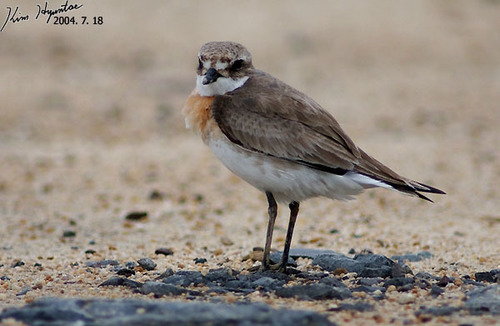
メダイチドリ (Anarhynchus mongolus) メダイチドリ
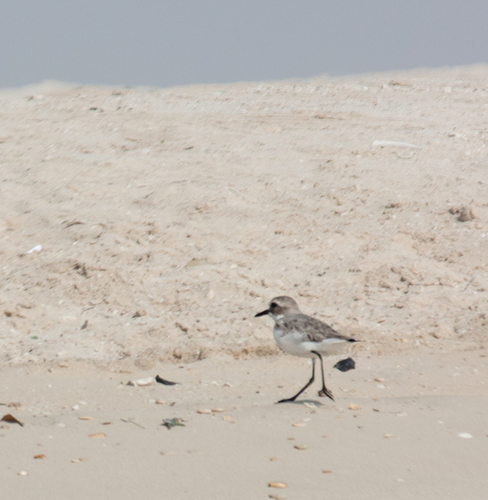
オオメダイチドリ (Anarhynchus leschenaultii) オオメダイチドリ

メディア

読み込み中…

要点

シベリアメダイチドリとオオメダイチドリの最も信頼できるフィールドマークは脚の色です:シベリアは通常、暗い(黒から灰色)脚を示し、オオメダイチドリは典型的に淡い(緑がかった黄色から黄色)脚を持っています。くちばしの長さと構造も異なり、オオメダイチドリは一般的に長くて太いくちばしを持っています。繁殖期のオスは、上面と胸のバンドの色で区別できます:シベリアは灰色の背中と栗色の胸を持ち、オオメダイチドリは砂色のバフの背中とオレンジがかった胸を示します。しかし、非繁殖期と幼鳥の羽毛は非常に似ており、単独の鳥を直接比較なしに区別するのは非常に難しいです。サイズは混合フロックでのみ有用であり、単独の鳥では微妙で信頼できません。

識別のコツ

  1. 脚の色は最も一貫したフィールドマークです:シベリアメダイチドリはすべての羽毛と年齢で黒から灰色の脚を示し、オオメダイチドリは通常、緑がかった黄色から黄色の脚を持っています。これは良い光の中で立っている鳥に最も有用です。
  2. くちばしの長さと太さ:オオメダイチドリは明らかに長くて太いくちばしを持ち、特に横から見ると顕著です。シベリアのくちばしは短くて細いです。これは経験または直接比較で最もよく判断されます。
  3. 繁殖期のオスの羽毛:シベリアのオスは灰色の背中と栗色(深い赤褐色)の胸バンド、額、後頭部を示します。オオメダイチドリのオスは砂色のバフの背中とオレンジ(赤褐色ではない)の胸、額、後頭部を持っています。両方とも黒い目のマスクがあります。
  4. 非繁殖期と幼鳥の羽毛:両種は鈍くなり、頭にわずかに赤褐色のヒントがあり、その他は茶色または灰色の上面を持ちます。胸のバンドは消えます。これらの羽毛では、脚の色とくちばしの構造が主な手がかりです。
  5. メス:オスの鈍いバージョンで、胸と頭の色があまり強くありません。区別は脚の色とくちばしの構造に依存します。
  6. サイズ:オオメダイチドリはわずかに大きくてがっしりしていますが、これは混合フロックでのみ有用です。単独の鳥に対してサイズに依存しないでください。
  7. 採餌行動:シベリアメダイチドリは採餌中に少ないステップと短いポーズを取る傾向がありますが、これは微妙で迅速なフィールドでの区別には信頼できません。
  8. 飛行時の視点:未熟な個体や成鳥のための特異な翼のパターンの違いは記載されていません;よく見えた場合は脚の色と構造に依存してください。
  9. 主翼の突出と尾:情報源には診断的な違いは記載されていません。
  10. 声:シベリアメダイチドリは飛行中に硬いトリルを出しますが、オオメダイチドリの鳴き声はここでは記載されていません;声はほとんどのフィールド状況で信頼できる区別にはなりません。
  11. 文脈:混合冬季フロックでは、サイズと構造の違いがより明らかです。迷子の状況(例:ヨーロッパ)では、識別ははるかに難しく、近くで長時間観察しないと不可能な場合があります。
  12. 亜種の混乱:オオメダイチドリの中東(南西アジア)亜種は、くちばしが小さく、シベリアに最も似ているため、区別がさらに難しくなります。
  13. くちばしの色:両種はすべての羽毛で黒いくちばしを持っています;区別にはくちばしの色を使用しないでください。
  14. 額の色:シベリアは繁殖羽毛の際に特に白い額を示すことが多いですが、これは微妙で変動があります。
  15. 疑わしい場合:脚の色とくちばしの構造がはっきり見えず、鳥が完全な繁殖羽毛でない場合、フィールドで種レベルの識別は不可能な場合があります。

大きさ

オオメダイチドリは全体的にわずかに大きく、長さは19〜22 cmで、シベリアメダイチドリはわずかに小さいですが、シベリアの正確な測定値はここでは示されていません。フィールドでは、このサイズの違いは両種が並んでいるときにのみ明らかです。構造的には、オオメダイチドリはより頑丈に見え、長くて太いくちばしとわずかに長い脚を持っています。しかし、これらの違いは微妙で、直接比較や経験なしでは簡単に誤解されます。

羽色

繁殖羽毛では、シベリアメダイチドリのオスは灰色の背中、白い腹部、栗色の胸、額、後頭部を示し、黒い目のマスクがあります。オオメダイチドリのオスは砂色のバフの背中、白い腹部、変動するオレンジ(栗色ではない)の胸、額、後頭部を持ち、同様に黒い目のマスクがあります。両種のメスは鈍くて灰色がかっており、非繁殖期と幼鳥の羽毛では、両種とも強い胸の色を失い、頭にわずかに赤褐色のヒントを残します。シベリアの脚はすべての羽毛で暗い(黒から灰色)ままであり、オオメダイチドリの脚は淡い(緑がかった黄色から黄色)です。くちばしは両方とも常に黒ですが、オオメダイチドリのくちばしは太くて長いです。いずれの種についても特異な幼鳥や初冬の上翼パターンは記載されていないため、未熟な鳥の飛行時の視点は構造と脚の色に依存します。両種はすべての非繁殖期と未熟な羽毛で非常に似ており、微妙な違いのみです。

行動

両種は採餌のために走っては止まる技術を使用しますが、シベリアメダイチドリはオオメダイチドリに比べて少ないステップと短いポーズを取ります。この違いは微妙で、採餌している鳥を長時間観察しないと明らかにならない場合があります。両方ともがっしりした長脚のメダイチドリで、採餌スタイルは似ているため、行動だけでは通常診断的ではありません。

生息環境

両種は南アジアと東南アジアの砂浜や沿岸の干潟で冬を過ごし、しばしば混合フロックで一緒に見られます。シベリアメダイチドリはシベリアの北東部と時折アラスカで繁殖し、オオメダイチドリは中央アジアからモンゴル、北西中国にかけて繁殖します。迷子の状況(例:西ヨーロッパ)では、両方とも稀であり、似たような生息地に出現する可能性があるため、生息地は信頼できる区別にはなりません。

声

シベリアメダイチドリの飛行中の鳴き声は硬いトリルとして記載されています。提供されたメモにはオオメダイチドリの特異な声の違いは記載されていません。声はほとんどのフィールド状況で診断的である可能性は低いです。

より良い説明を送る

比較と同じ項目を使ってください。文章はすぐに公開されます。

The most reliable field mark between Siberian Sand Plover and Greater Sand Plover is leg color: Siberian usually shows dark (black to grey) legs, while Greater typically has paler (greenish-yellow to yellowish) legs. Bill length and structure also differ, with Greater Sand Plover generally having a longer, thicker bill. Breeding males can be separated by the color of the upperparts and breast band: Siberian has a grey back and chestnut breast, while Greater shows a sandy buff back and an orange-toned breast. However, non-breeding and juvenile plumages are extremely similar, making lone birds very challenging to separate without direct comparison. Size is only useful in mixed flocks, as the difference is subtle and unreliable on single birds.

  1. Leg color is the most consistent field mark: Siberian Sand Plover shows black to grey legs in all plumages and ages; Greater Sand Plover usually has greenish-yellow to yellowish legs. This is most useful on birds standing in good light.
  2. Bill length and thickness: Greater Sand Plover has a noticeably longer and thicker bill, especially obvious in profile. Siberian's bill is shorter and more slender. This is best judged with experience or in direct comparison.
  3. Breeding male plumage: Siberian males show a grey back and a chestnut (deep reddish) breast band, forehead, and nape. Greater males have a sandy buff back and an orange (less reddish) breast, forehead, and nape. Both have a black eye mask.
  4. Non-breeding and juvenile plumage: Both species become duller, with only a hint of rufous on the head and otherwise brownish or greyish upperparts. The breast band disappears. In these plumages, leg color and bill structure are the main clues.
  5. Females: Duller versions of males, with less intense breast and head coloration. Separation relies on leg color and bill structure.
  6. Size: Greater Sand Plover is slightly larger and bulkier, but this is only useful in mixed flocks. Do not rely on size for lone birds.
  7. Feeding behavior: Siberian Sand Plover tends to take fewer steps and shorter pauses while feeding, but this is subtle and not reliable for quick field separation.
  8. Flight views: No distinctive wing pattern differences are described for immatures or adults; rely on leg color and structure if seen well.
  9. Primary projection and tail: No diagnostic differences are noted in the sources.
  10. Voice: Siberian Sand Plover gives a hard trill in flight, but Greater's call is not described here; voice is not a reliable separator in most field situations.
  11. Context: In mixed wintering flocks, differences in size and structure are more apparent. In vagrant situations (e.g., Europe), identification is much more challenging and may not be possible without close, prolonged views.
  12. Subspecies confusion: The Middle Eastern (SW Asian) subspecies of Greater Sand Plover is smaller-billed and most similar to Siberian, making separation even more difficult.
  13. Bill color: Both species have black bills in all plumages; do not use bill color for separation.
  14. Forehead color: Siberian often shows a whiter forehead, especially in breeding plumage, but this is subtle and variable.
  15. When in doubt: If leg color and bill structure cannot be seen clearly, and the bird is not in full breeding plumage, identification may not be possible to species level in the field.

Greater Sand Plover is slightly larger overall, measuring 19–22 cm in length, while Siberian Sand Plover is marginally smaller, but the exact measurement for Siberian is not given here. In the field, this size difference is only obvious when both species are side by side. Structure-wise, Greater Sand Plover tends to look more robust, with a longer, thicker bill and slightly longer legs. However, these differences are subtle and easily misjudged without direct comparison or experience.

In breeding plumage, Siberian Sand Plover males show a grey back, white underparts, and a chestnut breast, forehead, and nape, with a black eye mask. Greater Sand Plover males have a sandy buff back, white underparts, and a variably orange (not chestnut) breast, forehead, and nape, also with a black eye mask. Females of both species are duller and greyer, and in non-breeding and juvenile plumages, both species lose the strong breast color, retaining only a hint of rufous on the head. The legs of Siberian remain dark (black to grey) in all plumages, while Greater's legs are paler (greenish-yellow to yellowish). The bill is always black in both, but Greater's is thicker and longer. No distinctive juvenile or first-winter upperwing pattern is described for either species, so flight views of immature birds rely on structure and leg color. Both species are very similar in all non-breeding and immature plumages, with only subtle differences.

Both species use a run-and-pause technique to feed, but Siberian Sand Plover takes fewer steps and shorter pauses compared to Greater Sand Plover. This difference is subtle and may only be apparent with prolonged observation of feeding birds. Both are chunky, long-legged plovers with similar foraging styles, so behavior alone is not usually diagnostic.

Both species winter on sandy beaches and coastal mudflats, often together in mixed flocks in South and Southeast Asia. Siberian Sand Plover breeds in northeastern Siberia and occasionally Alaska, while Greater Sand Plover breeds across Central Asia and into Mongolia and NW China. In vagrancy contexts (e.g., Western Europe), both are rare and can occur in similar habitats, so habitat is not a reliable separator.

Siberian Sand Plover's flight call is described as a hard trill. No distinctive vocal difference is described for Greater Sand Plover in the provided notes. Voice is unlikely to be diagnostic in most field situations.

変更を破棄しますか?

保存していない編集があります。今離れると失われます。

メダイチドリ · オオメダイチドリ · 苦手な鳥