

Siberian Sand-Plover vs Corriere di Leschenault
Anarhynchus mongolus contro Anarhynchus leschenaultii
Fai un quiz con Siberian Sand-Plover e Corriere di Leschenault
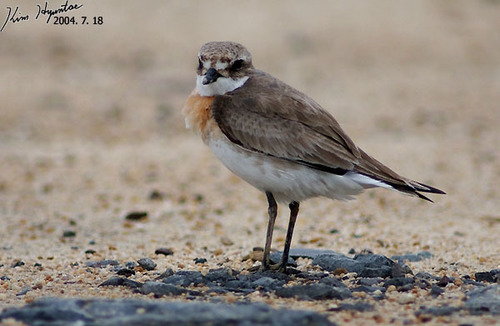 Siberian Sand-Plover
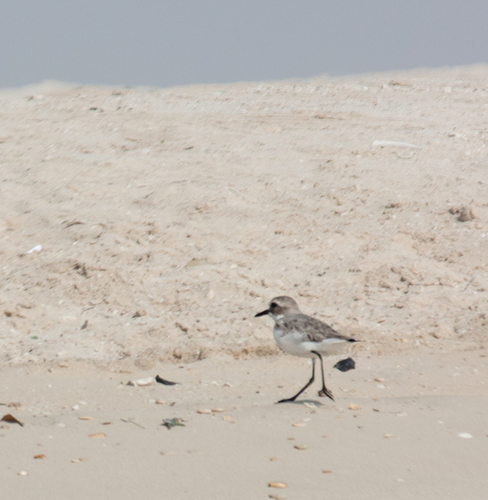 Corriere di Leschenault
In breve
Il segno di campo più affidabile tra il Corriere di Leschenault e il Siberian Sand-Plover è il colore delle gambe: il Siberian di solito mostra gambe scure (nere a grigie), mentre il Corriere di Leschenault ha tipicamente gambe più chiare (giallo-verde a giallastre). La lunghezza e la struttura del becco differiscono anche, con il Corriere di Leschenault che ha generalmente un becco più lungo e spesso. I maschi in riproduzione possono essere separati dal colore delle parti superiori e della banda del petto: il Siberian ha un dorso grigio e un petto castano, mentre il Corriere mostra un dorso sabbioso e un petto di tonalità arancione. Tuttavia, le livree non in riproduzione e giovanili sono estremamente simili, rendendo difficile separare gli uccelli solitari senza un confronto diretto. La dimensione è utile solo in stormi misti, poiché la differenza è sottile e inaffidabile sugli uccelli singoli.
Consigli di identificazione
- Il colore delle gambe è il segno di campo più consistente: il Siberian Sand-Plover mostra gambe nere a grigie in tutte le livree e età; il Corriere di Leschenault ha solitamente gambe giallo-verde a giallastre. Questo è più utile sugli uccelli in buona luce.
- Lunghezza e spessore del becco: il Corriere di Leschenault ha un becco visibilmente più lungo e spesso, specialmente evidente di profilo. Il becco del Siberian è più corto e più snello. Questo è meglio giudicato con esperienza o in confronto diretto.
- Livrea del maschio in riproduzione: i maschi Siberian mostrano un dorso grigio e una banda del petto castano (rossiccio profondo), fronte e nuca. I maschi del Corriere hanno un dorso sabbioso e un petto arancione (meno rossiccio), fronte e nuca. Entrambi hanno una maschera oculare nera.
- Livrea non in riproduzione e giovanile: entrambe le specie diventano più opache, con solo un accenno di ruggine sulla testa e altrimenti parti superiori marroni o grigie. La banda del petto scompare. In queste livree, il colore delle gambe e la struttura del becco sono gli indizi principali.
- Femmine: versioni più opache dei maschi, con colorazione del petto e della testa meno intensa. La separazione si basa sul colore delle gambe e sulla struttura del becco.
- Dimensione: il Corriere di Leschenault è leggermente più grande e bulkier, ma questo è utile solo in stormi misti. Non fare affidamento sulla dimensione per uccelli solitari.
- Comportamento alimentare: il Siberian Sand-Plover tende a fare meno passi e pause più brevi mentre si nutre, ma questa è sottile e non affidabile per una rapida separazione sul campo.
- Visioni in volo: non sono descritte differenze distintive nel modello delle ali per immaturi o adulti; fare affidamento sul colore e sulla struttura delle gambe se viste bene.
- Proiezione primaria e coda: non sono notate differenze diagnostiche nelle fonti.
- Voce: il Siberian Sand-Plover emette un duro trill in volo, ma il richiamo del Corriere non è descritto qui; la voce non è un separatore affidabile nella maggior parte delle situazioni sul campo.
- Contesto: in stormi invernali misti, le differenze di dimensione e struttura sono più evidenti. In situazioni di vagabondaggio (ad es., Europa), l'identificazione è molto più impegnativa e potrebbe non essere possibile senza osservazioni ravvicinate e prolungate.
- Confusione delle sottospecie: la sottospecie del Corriere di Leschenault del Medio Oriente (Asia sud-occidentale) ha un becco più piccolo ed è più simile al Siberian, rendendo la separazione ancora più difficile.
- Colore del becco: entrambe le specie hanno becchi neri in tutte le livree; non utilizzare il colore del becco per la separazione.
- Colore della fronte: il Siberian mostra spesso una fronte più bianca, specialmente in livrea di riproduzione, ma questo è sottile e variabile.
- Quando in dubbio: se il colore delle gambe e la struttura del becco non possono essere visti chiaramente, e l'uccello non è in piena livrea di riproduzione, l'identificazione potrebbe non essere possibile a livello di specie sul campo.
Taglia
Il Corriere di Leschenault è leggermente più grande nel complesso, misurando 19–22 cm di lunghezza, mentre il Siberian Sand-Plover è marginalmente più piccolo, ma la misura esatta per il Siberian non è fornita qui. Sul campo, questa differenza di dimensione è evidente solo quando entrambe le specie sono affiancate. Strutturalmente, il Corriere di Leschenault tende a sembrare più robusto, con un becco più lungo e spesso e gambe leggermente più lunghe. Tuttavia, queste differenze sono sottili e facilmente fraintendibili senza confronto diretto o esperienza.
Piumaggio
In livrea di riproduzione, i maschi Siberian Sand-Plover mostrano un dorso grigio, parti inferiori bianche e un petto castano, fronte e nuca, con una maschera oculare nera. I maschi del Corriere di Leschenault hanno un dorso sabbioso, parti inferiori bianche e un petto variabilmente arancione (non castano), fronte e nuca, anch'essi con una maschera oculare nera. Le femmine di entrambe le specie sono più opache e grigie, e nelle livree non in riproduzione e giovanili, entrambe le specie perdono il forte colore del petto, mantenendo solo un accenno di ruggine sulla testa. Le gambe del Siberian rimangono scure (nere a grigie) in tutte le livree, mentre le gambe del Corriere sono più chiare (giallo-verde a giallastre). Il becco è sempre nero in entrambe, ma quello del Corriere è più spesso e lungo. Non è descritto alcun modello distintivo delle ali per giovanili o primi inverni per nessuna delle due specie, quindi le visioni in volo di uccelli immaturi si basano su struttura e colore delle gambe. Entrambe le specie sono molto simili in tutte le livree non in riproduzione e giovanili, con solo differenze sottili.
Comportamento
Entrambe le specie utilizzano una tecnica di corsa e pausa per nutrirsi, ma il Siberian Sand-Plover fa meno passi e pause più brevi rispetto al Corriere di Leschenault. Questa differenza è sottile e potrebbe essere evidente solo con un'osservazione prolungata degli uccelli che si nutrono. Entrambi sono piuttosto robusti, con gambe lunghe e stili di foraggiamento simili, quindi il comportamento da solo non è di solito diagnostico.
Habitat
Entrambe le specie svernano su spiagge sabbiose e fanghi costieri, spesso insieme in stormi misti nel Sud e Sud-est asiatico. Il Siberian Sand-Plover nidifica nel Siberia nord-orientale e occasionalmente in Alaska, mentre il Corriere di Leschenault nidifica attraverso l'Asia centrale e in Mongolia e nella Cina nord-occidentale. In contesti di vagabondaggio (ad es., Europa occidentale), entrambe sono rare e possono verificarsi in habitat simili, quindi l'habitat non è un separatore affidabile.
Voce
Il richiamo in volo del Siberian Sand-Plover è descritto come un duro trill. Non è descritta alcuna differenza vocale distintiva per il Corriere di Leschenault nelle note fornite. La voce è improbabile che sia diagnostica nella maggior parte delle situazioni sul campo.
Siberian Sand-Plover · Corriere di Leschenault · I miei uccelli difficili