

Motmot

ニシイワツバメ(lagopodum) 対 イワツバメ

Delichon lagopodum 対 Delichon dasypus

ニシイワツバメ(lagopodum)とイワツバメのクイズ
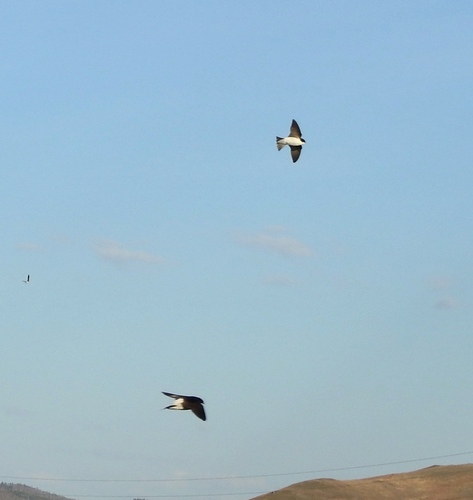
ニシイワツバメ(lagopodum) (Delichon lagopodum) ニシイワツバメ(lagopodum)
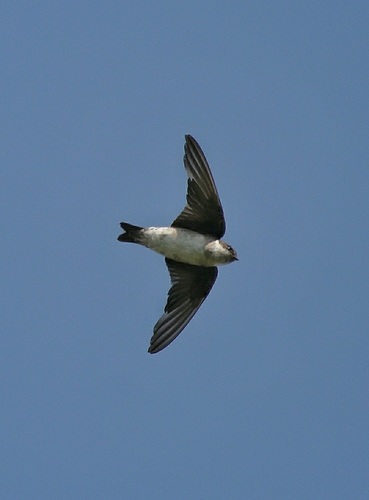
イワツバメ (Delichon dasypus) イワツバメ

メディア

読み込み中…

要点

ニシイワツバメとイワツバメをフィールドで区別するのは難しい、特に飛行中や幼鳥の間では、最も信頼できる特徴は腹部の色です:イワツバメは灰色がかった腹部を示し、ニシイワツバメは下側がよりクリーンな白であると期待されます。尾の形も役立ちます—イワツバメは尾があまり深く分かれていません。幼鳥のイワツバメは上面が鈍く、時には腰に茶色がかった洗いが見られることがありますが、これはニシイワツバメではあまり期待されません。両種は白い腰と青黒い上面を持っていますが、光沢や腹部の色調の微妙な違いが重要です。構造とサイズの重複が予想されるため、羽毛と尾の詳細に焦点を当ててください。

識別のコツ

  1. Underpart color: イワツバメは淡い灰色がかった腹部を示し、ニシイワツバメは下側がクリーンな白であると期待されます。これは良い光の下で特に信頼できる特徴です。
  2. Tail fork: イワツバメはニシイワツバメよりも尾があまり深く分かれていません。飛行中や尾を広げて止まっているときにこれを探してください。
  3. Juvenile upperparts: 幼鳥のイワツバメは上面が鈍く、暗い茶色の上面を持ち、時には腰に茶色がかった洗いが見られます。ニシイワツバメの幼鳥はより光沢があり、茶色がかった腰の洗いがありません。
  4. Rump color: 両種は白い腰を持っていますが、イワツバメ(特に亜種cashmiriensis)はより明るく白い腰を示すことがあります。これは微妙で、常に信頼できるわけではありません。
  5. Gloss of upperparts: イワツバメの成鳥は上面が暗いスチールブルーと記述されていますが、幼鳥は鈍いです。ニシイワツバメも同様であるべきですが、幼鳥の光沢の違いに焦点を当ててください。
  6. Sex differences: 最小限;成鳥のオスのイワツバメは新しい羽毛で下側がわずかに淡いかもしれませんが、これは強いフィールドマークではありません。
  7. Tail and upperwing color: イワツバメは茶色がかった黒の尾と上翼、灰色がかった茶色の下翼を持っています。ニシイワツバメも同様であると期待されるため、強い区別にはなりません。
  8. Legs and feet: イワツバメの脚と足は茶色がかったピンクで、白い羽毛がありますが、これはフィールドではほとんど見えません。
  9. Flight style and jizz: 信頼できる違いは記述されていません;両種は典型的な空中ツバメです。
  10. Habitat: 冬と移動中に広範囲に重複があります;分離のために生息地だけに頼らないでください。
  11. Voice: 診断的な違いは記述されていません;両種は普通のイワツバメに似た鳴き声を持っています。
  12. Subspecific variation: イワツバメの亜種は上面がより明るい青と白い腰を示すことがありますが、これらは微妙で注意して使用するのが最良です。
  13. Pitfalls: ほとんどの混乱は飛行中の幼鳥で発生します;腹部の色調と尾の分かれ目に焦点を当て、微妙な羽毛の違いを隠す可能性のある照明効果に注意してください。
  14. Season: 両種は冬に東南アジアに存在する可能性があるため、季節的な文脈は範囲が重複する場所で信頼できる分離を行いません。
  15. Do not rely on size: 両種はサイズと構造が非常に似ており、サイズによるフィールドでの分離は信頼できません。

大きさ

両種はサイズと構造が非常に似ており、サイズによるフィールドでの分離は信頼できません。イワツバメの平均体重は18g [wikidata]と報告されていますが、ニシイワツバメの比較体重は利用できません。実際には、これら二つを区別するためにサイズに頼らないでください。

羽色

行動

両種は空中の昆虫食者であり、小さな昆虫を空中で捕食します。飛行スタイルや採餌において強い行動的な分離は記載されていません。両種はコロニーで繁殖し、屋根の下や垂直な表面に泥の巣を作ります。

生息環境

両種はアジアの岩場や山岳地帯で繁殖し、東南アジアで冬を越します。ニシイワツバメはロシア北東部、モンゴル、北中国で繁殖し、イワツバメはヒマラヤと中央・東アジアで繁殖します。両種は移動中や冬に似た生息地で見られることがあるため、生息地だけでは範囲が重複する場所で信頼できる分離にはなりません。

声

利用可能な情報源には、これら二種の間に音声の違いは記述されていません。イワツバメの鳴き声は乾燥した金属的なチープまたはトリルで、普通のイワツバメに似ていますが、ニシイワツバメの比較情報はありません。

より良い説明を送る

比較と同じ項目を使ってください。文章はすぐに公開されます。

Separating Siberian House Martin from Asian House Martin in the field is challenging, especially in flight and among immatures, but the most reliable mark is the underpart color: Asian House Martin shows grey-washed underparts, while Siberian House Martin is expected to be cleaner white below. Tail shape is also useful—Asian House Martin has a less deeply forked tail. Juvenile Asian House Martins are duller above and can show a brownish wash to the rump, which is less expected in Siberian. Both species have a white rump and blue-black upperparts, but subtle differences in gloss and underpart tone are key. Expect overlap in structure and size, so focus on plumage and tail details.

  1. Underpart color: Asian House Martin shows pale grey-washed underparts, while Siberian House Martin is expected to be clean white below. This is often the most reliable mark, especially in good light.
  2. Tail fork: Asian House Martin has a less deeply forked tail than Siberian House Martin. Look for this in flight or when perched with the tail spread.
  3. Juvenile upperparts: Juvenile Asian House Martins are less glossy above, with dark brown upperparts and sometimes a brownish wash to the rump. Siberian House Martin juveniles should be glossier and lack the brownish rump wash.
  4. Rump color: Both have a white rump, but Asian House Martin (especially subspecies cashmiriensis) can show a brighter, whiter rump. This is subtle and not always reliable.
  5. Gloss of upperparts: Asian House Martin adults are described as dark steel blue above, but juveniles are duller. Siberian House Martin should be similar, but focus on the gloss difference in immatures.
  6. Sex differences: Minimal; male Asian House Martins may be slightly paler below in fresh plumage, but this is not a strong field mark.
  7. Tail and upperwing color: Asian House Martin has brownish-black tail and upperwings, and grey-brown underwings. Siberian House Martin is expected to be similar, so not a strong separator.
  8. Legs and feet: Asian House Martin's legs and feet are brownish-pink and feathered white, but this is rarely visible in the field.
  9. Flight style and jizz: No reliable differences described; both species are typical aerial swallows.
  10. Habitat: Overlap is extensive in winter and migration; do not rely on habitat alone for separation.
  11. Voice: No diagnostic differences described; both have calls similar to common house martin.
  12. Subspecific variation: Asian House Martin subspecies can show brighter blue above and a whiter rump, but these are subtle and best used with caution.
  13. Pitfalls: Most confusion arises with immatures in flight; focus on underpart tone and tail fork, and beware of lighting effects that can mask subtle plumage differences.
  14. Season: Both species can be present in Southeast Asia in winter, so seasonal context does not reliably separate them where ranges overlap.
  15. Do not rely on size: Both are similar in size and structure; apparent differences are not reliable in the field.

Both species are very similar in size and structure, and field separation by size is not reliable. Asian House Martin has a reported average body mass of 18g [wikidata], but no comparative weight is available for Siberian House Martin. In practice, do not rely on size to distinguish these two.

  • Juveniles/immatures: Juvenile Asian House Martins are less glossy above, with dark brown upperparts and sometimes a brownish wash to the rump, and grey-white underparts. This contrasts with Siberian House Martin, which is expected to be cleaner white below and not show the brownish wash to the rump.
  • Adults: Both have blue-black upperparts and white rumps, but Asian House Martin is described as having a grey wash to the underparts, while Siberian House Martin is cleaner white. Asian House Martin's tail is only slightly forked, and the upperwings and tail are brownish-black. Subspecific variation in Asian House Martin (e.g., cashmiriensis) can show brighter blue above and a whiter rump, but these are subtle and not always field-usable. Sex differences are minimal, but adult male Asian House Martins may be paler below in fresh plumage.

Both species are aerial insectivores, feeding high in the air on small insects. There is no strong behavioral separation in flight style or foraging noted in the sources. Both breed in colonies and build mud nests under overhangs or on vertical surfaces.

Both species breed in rocky or mountainous areas in Asia and winter in Southeast Asia. Siberian House Martin breeds in northeastern Russia, Mongolia, and northern China, while Asian House Martin breeds in the Himalayas and central/eastern Asia. Both can be found in similar habitats during migration and winter, so habitat alone is not a reliable separator where their ranges overlap.

No vocal differences are described between these two species in the available sources. Asian House Martin's call is a dry, metallic cheep or trill, similar to the common house martin, but there is no comparative information for Siberian House Martin.

変更を破棄しますか?

保存していない編集があります。今離れると失われます。

ニシイワツバメ(lagopodum) · イワツバメ · 苦手な鳥