

Motmot

ハシボソミズナギドリ 対 ヒメミズナギドリ

Ardenna tenuirostris 対 Puffinus assimilis

ハシボソミズナギドリとヒメミズナギドリのクイズ
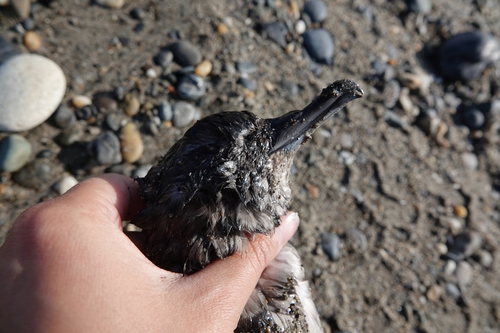
ハシボソミズナギドリ (Ardenna tenuirostris) ハシボソミズナギドリ
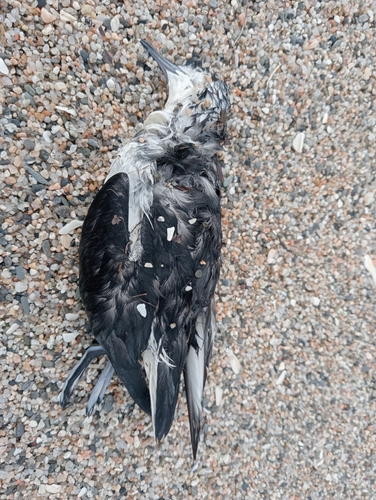
ヒメミズナギドリ (Puffinus assimilis) ヒメミズナギドリ

メディア

読み込み中…

要点

ショートテールミズナギドリとヒメミズナギドリを区別する最も信頼できる方法は、サイズと構造です:ショートテールははるかに大きく、体重も重く、翼は長くて狭く、くちばしはより頑丈で鈍いです。飛行中、ヒメミズナギドリは明らかに小さく見え、相対的に短くて広い翼を持ち、しばしば内側の飛行羽に淡いパネルを示しますが、ショートテールにはこれがありません。羽毛の違いは遠くから見ると微妙ですが、ヒメミズナギドリの鮮明な白黒のコントラストと十字型の飛行シルエットは特徴的です。もし不明な場合は、細かい羽毛の詳細の前に全体的な体格、翼の形、飛行スタイルに焦点を当ててください。

識別のコツ

  1. Size and bulk: ショートテールミズナギドリはヒメミズナギドリよりもはるかに大きく、体重も重いです。サイズの参考や混合群がある場合は、これを最初のチェックとして使用してください。
  2. Wing shape: ヒメミズナギドリは相対的に短くて広い翼を持ち、飛行中は十字型に見えることが多いです。ショートテールの翼は長くて狭く、より流線型の外観を持っています。
  3. Flight style: ヒメミズナギドリは特に軽い風の中でより頻繁に急速に羽ばたき、より浮遊感があり不規則に見えます。ショートテールはより安定した長い滑空を使用し、羽ばたきが少なくなります。
  4. Upperwing pattern: 飛行中のヒメミズナギドリの内側の飛行羽に淡いパネルを探してください—これはショートテールにはなく、上面はより均一に暗いです。
  5. Underparts contrast: ヒメミズナギドリはバンクする際に白い腹部と黒い上面の間に鋭い白黒のコントラストを示します。ショートテールはより均一にすすけたような黒または茶色で、コントラストが少なくなります。
  6. Facial pattern: ヒメミズナギドリの暗い目は白い顔に対して際立っていますが、ショートテールの顔はコントラストが少なく、頭の他の部分とより混ざっています。
  7. Bill shape: ショートテールミズナギドリはより頑丈で鈍いくちばしを持っています。ヒメミズナギドリのくちばしは細くて繊細ですが、遠くから見るとこれを確認するのは難しいです。
  8. Tail shape: 両種は比較的短い尾を持っていますが、ショートテールの尾は特に鈍くて四角い形をしており、ヒメミズナギドリの尾はその小さな体に対してやや細く見えることがあります。
  9. Flock size/context: オーストラリア南部の大きく密集した群れはほぼ常にショートテールミズナギドリです。ヒメミズナギドリははるかに数が少なく、大きな集団を形成することはめったにありません。
  10. Perched views: 陸上で見られた場合、ショートテールははるかに体格が大きく重く見え、より力強い姿勢を持っています。ヒメミズナギドリはより優雅で繊細です。
  11. Habitat and season: 繁殖シーズン中にタスマニアやバス海峡にいて、巣穴に向かう鳥を見た場合、それはほぼ確実にショートテールミズナギドリです。
  12. Confusion risk: 海上では、遠くの孤独な鳥の視認は難しいことがありますが、サイズ、翼の形、飛行スタイルが最良の手がかりです。
  13. Age/sex: メモにはどちらの種についても年齢や性別に特有のフィールドマークは記載されていないため、すべての年齢に対して構造と飛行パターンに依存してください。
  14. Voice: 利用可能なメモに基づいて、これらの2種のフィールドでの診断には役立ちません。
  15. Lighting pitfalls: 照明が悪い場合、ヒメミズナギドリの翼の淡いパネルは見えにくいことがあるため、これだけに依存しないでください—サイズと全体的な印象を主要な手がかりとして使用してください。

大きさ

ショートテールミズナギドリは大きなミズナギドリで(体重約544 g [wikidata])、ヒメミズナギドリははるかに小さいです(長さ25〜30 cm、翼幅58〜67 cm [wikipedia];直接の体重は記載されていませんが、はるかに軽いです)。フィールドでの違いは際立っています:ショートテールは重くて長い翼を持っているように見えますが、ヒメミズナギドリはコンパクトで優雅です。一緒に見られた場合、ショートテールはヒメミズナギドリを圧倒します。

羽色

年齢特有の上翼パターンは提供されたメモには記載されていませんが、ヒメミズナギドリはすべての年齢で飛行中に見える内側の飛行羽の淡い部分が特徴的です。この淡いパネルはショートテールミズナギドリにはなく、上面はより均一に暗いです。ヒメミズナギドリは黒い上面と白い腹部の間に鋭いコントラストを示し、特にバンクする際に顕著です。一方、ショートテールミズナギドリは上面と下面がより均一にすすけた茶色から暗い色で、コントラストが少なくなります。ヒメミズナギドリの暗い目は白い顔に対して際立っていますが、ショートテールの顔はコントラストが少なくなっています。どちらの種についても季節的または性別に基づく羽毛の違いは記載されていません。

行動

両種は典型的なミズナギドリの「シアリング」飛行を示しますが、ヒメミズナギドリは軽い風の中でより羽ばたきが多く、急速な翼の動きがあり、翼を直角に持って十字型に見えます。ショートテールミズナギドリはより長く、より強力な滑空を使用し、飛行中はより安定して重く見えます。ヒメミズナギドリの飛行は低く、より浮遊感があり、方向転換がより頻繁に行われますが、ショートテールはより安定して直接的です。

生息環境

ショートテールミズナギドリはオーストラリアの水域で最も豊富な海鳥であり、主にバス海峡とタスマニアの島々で繁殖し、北半球の寒帯夏に移動します。ヒメミズナギドリも遠洋性ですが、数がはるかに少なく、大規模な商業漁業とは関連していません。両者は海洋性ですが、ショートテールは特に繁殖コロニーの近くで大きな群れで見られる可能性が高いです。文脈的に、もし「マトンバード」の巨大な数を見ている場合、それはほぼ確実にショートテールです。

より良い説明を送る

比較と同じ項目を使ってください。文章はすぐに公開されます。

The most reliable way to separate Short-tailed Shearwater from Little Shearwater is by size and structure: Short-tailed is much larger and heavier-bodied, with longer, narrower wings and a more robust, blunt bill. In flight, Little Shearwater appears distinctly smaller, with proportionally shorter and broader wings, and often shows a pale panel on the inner flight feathers, which Short-tailed lacks. Plumage differences are subtle at a distance, but Little Shearwater’s crisp black-and-white contrast and cross-shaped flight silhouette are distinctive. If you are unsure, focus on overall bulk, wing shape, and flight style before fine plumage details.

  1. Size and bulk: Short-tailed Shearwater is much larger and heavier-bodied than Little Shearwater; use this as your first check if you have any size reference or mixed flock.
  2. Wing shape: Little Shearwater has proportionally shorter, broader wings, often appearing cross-shaped in flight; Short-tailed’s wings are longer and narrower, contributing to a more streamlined look.
  3. Flight style: Little Shearwater flaps more frequently and rapidly, especially in light winds, and appears more buoyant and erratic; Short-tailed uses steadier, longer glides with fewer wingbeats.
  4. Upperwing pattern: Look for a pale panel on the inner flight feathers of Little Shearwater in flight—this is absent in Short-tailed, which is more uniformly dark above.
  5. Underparts contrast: Little Shearwater shows sharp black-and-white contrast as it banks, with white underparts and black upperparts; Short-tailed is more uniformly sooty or brownish, with less crisp contrast.
  6. Facial pattern: Little Shearwater’s dark eye stands out against a white face, while Short-tailed’s face is less contrasting and more blended with the rest of the head.
  7. Bill shape: Short-tailed Shearwater has a more robust, blunt bill; Little Shearwater’s bill is slender and finer, though this is hard to see at a distance.
  8. Tail shape: Both species have relatively short tails, but Short-tailed’s is especially blunt and squared-off, while Little Shearwater’s may appear slightly more tapered in proportion to its smaller body.
  9. Flock size/context: Large, dense flocks in southern Australia are almost always Short-tailed Shearwater; Little Shearwater is much less numerous and rarely forms large aggregations.
  10. Perched views: If seen on land, Short-tailed appears much bulkier and heavier, with a more powerful stance; Little Shearwater is daintier and more delicate.
  11. Habitat and season: If you are in Tasmania or Bass Strait during the breeding season and see birds coming to burrows, they are almost certainly Short-tailed Shearwater.
  12. Confusion risk: At sea, distant views of a lone bird can be tricky, but size, wing shape, and flight style remain the best clues.
  13. Age/sex: No age- or sex-specific field marks are described for either species in the notes, so rely on structure and flight pattern for all ages.
  14. Voice: Not diagnostic in the field for these two species based on available notes.
  15. Lighting pitfalls: In poor light, the pale panel on Little Shearwater’s wing may be hard to see, so do not rely on this alone—use size and jizz as primary cues.

Short-tailed Shearwater is a large shearwater (body mass ~544 g [wikidata]), while Little Shearwater is much smaller (length 25–30 cm, wingspan 58–67 cm [wikipedia]; no direct mass given, but much lighter). The difference is striking in the field: Short-tailed looks heavy and long-winged, whereas Little Shearwater is compact and dainty. If seen together, Short-tailed would dwarf Little Shearwater.

Age-specific upperwing patterns are not described for either species in the provided notes, but Little Shearwater is noted for a pale area on the inner flight feathers, visible in flight at all ages. This pale panel is absent in Short-tailed Shearwater, which appears more uniformly dark above. Little Shearwater shows sharp contrast between black upperparts and white underparts, especially as it banks, while Short-tailed Shearwater is more uniformly sooty-brown to dark above and below, with less crisp contrast. The dark eye of Little Shearwater stands out against the white face, while Short-tailed’s face is less contrasting. No seasonal or sex-based plumage differences are noted for either species.

Both species exhibit typical shearwater 'shearing' flight, but Little Shearwater has a more flapping, rapid wingbeat in light winds and appears cross-shaped with wings held at right angles. Short-tailed Shearwater tends to use longer, more powerful glides and appears steadier and heavier in flight. Little Shearwater’s flight is lower, more buoyant, and shows more frequent changes in direction, while Short-tailed is steadier and more direct.

Short-tailed Shearwater is the most abundant seabird in Australian waters and breeds mainly on islands in Bass Strait and Tasmania, migrating to the Northern Hemisphere for the boreal summer. Little Shearwater is also pelagic but is much less numerous and not associated with large commercial harvests. Both are oceanic, but Short-tailed is far more likely to be seen in large flocks, especially near breeding colonies. Contextually, if you are seeing huge numbers of 'muttonbirds,' they are almost certainly Short-tailed.

変更を破棄しますか?

保存していない編集があります。今離れると失われます。

ハシボソミズナギドリ · ヒメミズナギドリ · 苦手な鳥