

Motmot

テリバネコウウチョウ 対 クロコウウチョウ

Molothrus bonariensis 対 Molothrus aeneus

テリバネコウウチョウとクロコウウチョウのクイズ
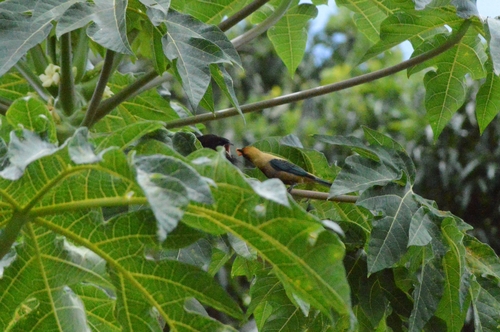
テリバネコウウチョウ (Molothrus bonariensis) テリバネコウウチョウ
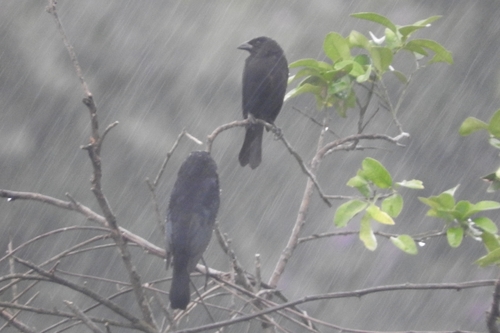
クロコウウチョウ (Molothrus aeneus) クロコウウチョウ

メディア

読み込み中…

要点

テリバネコウウチョウとクロコウウチョウの最も信頼できるフィールドマークは、繁殖期のオスの目の色です:クロコウウチョウのオスは鮮やかな赤い目を示し、テリバネコウウチョウのオスは年間を通して暗い目を持っています。構造的には、クロコウウチョウはより大きく、重く、明らかに首が太く、くちばしが大きいのに対し、テリバネコウウチョウはスリムで繊細です。メスのテリバネコウウチョウは、より暗く、重いクロコウウチョウのメスよりも色が薄く、くちばしが細いです。両種は全体的な形状や行動が似ているように見えることがありますが、くちばしの形、体重、微妙な羽毛の違い(特にメスや幼鳥において)に注意を払うことで混乱を避けることができます。

識別のコツ

  1. Male eye color (breeding season): クロコウウチョウのオスは鮮やかな赤い目を持ち、テリバネコウウチョウのオスは常に暗い目を持っています。これは春と夏において最も信頼できる単一のマークです。
  2. Bill shape: テリバネコウウチョウは、特にメスにおいて、より長く、細いくちばしと平らな頭のプロファイルを持っています。クロコウウチョウのくちばしは重く、より円錐形で、全体的により大きく見えます。
  3. Body size and structure: クロコウウチョウははるかに重く、より太く見え、首が太く、体がより頑丈です。テリバネコウウチョウはスリムで繊細で、両者が一緒に見られると特に目立ちます。
  4. Male plumage gloss: テリバネコウウチョウのオスは紫青色の虹色を示し、クロコウウチョウのオスは緑青銅色で全体的に光沢が少ないです。光が悪いと微妙に見えることがありますが、直射日光では違いが明確です。
  5. Female plumage: テリバネコウウチョウのメスはほこりっぽい灰褐色で、しばしば下側がより薄く、スリムな外観を持っています。クロコウウチョウのメスは鈍い黒で、茶色の腹部を持ち、より暗く、重く見えます。
  6. Immature birds: 幼いクロコウウチョウは灰色の羽毛の縁取りがあり、全体的にテリバネコウウチョウの若鳥よりも暗いです。テリバネコウウチョウの若鳥は成鳥のメスに似ていますが、さらに薄い場合があります。どちらの種にも強い年齢特有の上翼パターンは記載されていないため、分離は全体的な色と構造に依存します。
  7. Eye color in females and non-breeding males: クロコウウチョウのメスと非繁殖のオスは茶色の目を持ち、テリバネコウウチョウの目は常に暗いです(赤や明るい茶色ではありません)。これは微妙ですが、良い光の中で役立つことがあります。
  8. Head and neck shape: クロコウウチョウはしばしば首が太く、頭が重いように見え、テリバネコウウチョウは平らな頭でよりスリムです。
  9. Foraging behavior: 両種は地面で餌を探しますが、クロコウウチョウはその大きさのために遅く、より慎重に見えることがあります;テリバネコウウチョウはより活発で敏捷です。
  10. Habitat and range: アメリカでは、クロコウウチョウは南西部とメキシコに期待され、テリバネコウウチョウは南フロリダとカリブ海で稀に繁殖します。南アメリカでは、クロコウウチョウは稀または不在です。
  11. Courtship display: 両種はお辞儀や羽をふくらませるディスプレイを行いますが、これらはフィールドで信頼できるように分けることはできません。
  12. Association with livestock: 両種は家畜の近くで見られることがありますが、これは診断的ではありません。
  13. Voice: メモには特に特徴的な声の違いは記載されていません;分離のために歌に頼らないでください。
  14. Pitfalls: メスと幼鳥のクロコウウチョウは、サイズと色が似ているため、テリバネコウウチョウのメスとしばしば間違えられます;常にくちばしの形、体重、(可能であれば)目の色を確認してください。
  15. When marks fail: 光が悪い場合や距離がある場合は、微妙な色の違いよりも構造とサイズに依存してください。短い視界しか得られない場合、クロコウウチョウの大きさと太いくちばしが最良の手がかりです。

大きさ

クロコウウチョウはテリバネコウウチョウ(通常はオスで18 cm)よりもかなり重く(約63 g対37 g)およびわずかに長い(オスで最大20 cm)です。この違いは直接比較で最も目立ちます:クロコウウチョウはより太く、首が太く、より頑丈で重いくちばしを持っています。両種のメスは長さが近いですが、クロコウウチョウのメスは依然としてテリバネコウウチョウのメスよりもかなり重いです。

羽色

行動

両種は抱卵寄生者であり、しばしば開けたまたは乱れた生息地に見られ、時には家畜と関連しています。両者のオスは歌とポスチャリングで求愛ディスプレイを行いますが、これらはフィールドで信頼できるように分けることはできません。クロコウウチョウの重い体型は、飛行中や餌を探す際により鈍重で敏捷性が低い外観を与えることが多く、テリバネコウウチョウはより繊細で活発に見える傾向があります。

生息環境

テリバネコウウチョウは主に南アメリカの種ですが、カリブ海や南フロリダに北上し、開けた生息地や農業地域を好みます。クロコウウチョウは北アメリカに自生しており、南部アメリカやメキシコでより一般的です。範囲が重なる場所(例:南フロリダやカリブ海)では、両者が同じような開けた、乱れた生息地に存在することがあります。生息地だけでは診断的ではありませんが、テリバネコウウチョウは密な森林や高い山では見られにくいです。

より良い説明を送る

比較と同じ項目を使ってください。文章はすぐに公開されます。

The most reliable field mark between Shiny Cowbird and Bronzed Cowbird is the male's eye color in breeding season: Bronzed Cowbird males show striking red eyes, while Shiny Cowbird males have dark eyes year-round. Structurally, Bronzed Cowbird is bulkier and heavier, with a noticeably thicker neck and larger bill, while Shiny Cowbird is slimmer and more delicate. Female Shiny Cowbirds are paler and more finely billed than the darker, heavier Bronzed Cowbird females. Both species can appear similar in overall shape and behavior, but careful attention to bill shape, body mass, and subtle plumage differences—especially in females and immatures—will help avoid confusion.

  1. Male eye color (breeding season): Bronzed Cowbird males have vivid red eyes; Shiny Cowbird males always have dark eyes. This is the most reliable single mark in spring and summer.
  2. Bill shape: Shiny Cowbird has a longer, finer bill and a flatter head profile, especially in females. Bronzed Cowbird's bill is heavier and more conical, matching its overall bulkier look.
  3. Body size and structure: Bronzed Cowbird is much heavier and appears chunkier, with a thicker neck and more robust body. Shiny Cowbird is slimmer and more delicate, especially noticeable when both are seen together.
  4. Male plumage gloss: Shiny Cowbird males show a purple-blue iridescence, while Bronzed Cowbird males are green-bronze and less glossy overall. In poor light, this can be subtle, but in direct sun the difference is clear.
  5. Female plumage: Shiny Cowbird females are dusty gray-brown and often paler below, with a sleeker appearance. Bronzed Cowbird females are dull black with a brownish underbelly, looking darker and heavier.
  6. Immature birds: Juvenile Bronzed Cowbirds have gray feather fringes and are darker overall than young Shiny Cowbirds, which are paler and more uniform brown. No distinctive upperwing pattern is described for either, so focus on overall color and structure.
  7. Eye color in females and non-breeding males: Bronzed Cowbird females and non-breeding males have brown eyes, while Shiny Cowbird eyes are always dark (not red or bright brown). This is subtle but can help in good light.
  8. Head and neck shape: Bronzed Cowbird often looks thick-necked and heavy-headed, while Shiny Cowbird is flatter-crowned and more slender.
  9. Foraging behavior: Both species forage on the ground, but Bronzed Cowbird may seem slower and more deliberate due to its bulk; Shiny Cowbird is more active and agile.
  10. Habitat and range: In the US, Bronzed Cowbird is expected in the southwest and Mexico, while Shiny Cowbird is a rare breeder in southern Florida and the Caribbean. In South America, Bronzed Cowbird is rare or absent.
  11. Courtship display: Both species perform bowing and feather-ruffling displays, but these are not reliably separable in the field.
  12. Association with livestock: Both species may be seen near cattle, but this is not diagnostic.
  13. Voice: No distinctive vocal differences are described in the notes; do not rely on song for separation.
  14. Pitfalls: Female and immature Bronzed Cowbirds are often mistaken for Shiny Cowbird females due to similar size and color; always check bill shape, body mass, and (if possible) eye color.
  15. When marks fail: In poor light or at distance, rely on structure and size rather than subtle color differences. If only a brief view is obtained, Bronzed Cowbird's bulk and thick bill are the best clues.

Bronzed Cowbird is significantly heavier (about 63 g vs 37 g for Shiny Cowbird) and slightly longer (up to 20 cm for males) than Shiny Cowbird (typically 18 cm for males). This difference is most noticeable in direct comparison: Bronzed Cowbird looks chunkier, with a stouter neck and a more robust, heavier bill. Females of both species are closer in length, but Bronzed Cowbird females still outweigh Shiny Cowbird females by a substantial margin.

  • Adult males: Shiny Cowbird males are glossy black with a purple-blue iridescence, while Bronzed Cowbird males have a green-bronze gloss and, in breeding season, red eyes (brown otherwise). Bronzed Cowbird males are also duller black overall, lacking the strong blue sheen of Shiny Cowbird.
  • Adult females: Shiny Cowbird females are dusty gray-brown, often paler below, with a longer, finer bill and flatter head. Bronzed Cowbird females are dull black with a brown underbelly and brown eyes, appearing bulkier and darker overall.
  • Immatures/juveniles: Young Bronzed Cowbirds resemble females but have grey feather fringes; young Shiny Cowbirds are similar to adult females but may be even paler. No strong age-specific upperwing pattern is described for either species, so separation relies on overall color and structure.
  • Eyes: Only Bronzed Cowbird males show red eyes in breeding season—a key mark.

Both species are brood parasites and often found in open or disturbed habitats, sometimes associating with livestock. Males of both perform courtship displays with song and posturing, but these are not reliably separable in the field. Bronzed Cowbird's heavier build often gives it a more lumbering, less agile appearance in flight or when foraging, while Shiny Cowbird tends to look more delicate and active.

Shiny Cowbird is mostly a South American species, but has expanded north into the Caribbean and southern Florida, favoring open habitats and agricultural areas. Bronzed Cowbird is native to North America and is more likely in the southern US and Mexico. Where ranges overlap (e.g., southern Florida or Caribbean), both may be present in similar open, disturbed habitats. Habitat alone is not diagnostic, but Shiny Cowbird is less likely in dense forests or high mountains.

変更を破棄しますか?

保存していない編集があります。今離れると失われます。

テリバネコウウチョウ · クロコウウチョウ · 苦手な鳥