

Motmot

ヒメイワシャコ 対 イワシャコ

Ammoperdix griseogularis 対 Alectoris chukar

ヒメイワシャコとイワシャコのクイズ
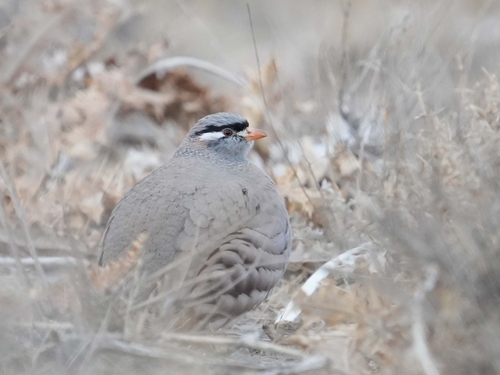
ヒメイワシャコ (Ammoperdix griseogularis) ヒメイワシャコ
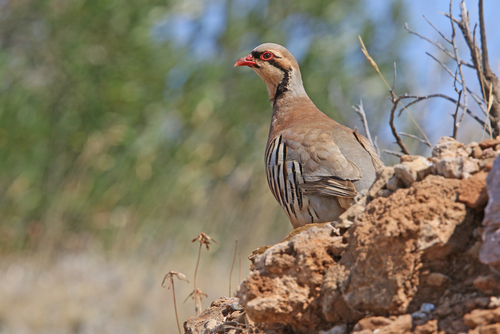
イワシャコ (Alectoris chukar) イワシャコ

メディア

読み込み中…

要点

ヒメイワシャコとイワシャコの最も信頼できるフィールドマークは頭の模様です:ヒメイワシャコのオスは大胆な黒い眉斑と白い耳斑を示し、イワシャコは額から目を通り、白い喉の周りに独特のネックレスを形成する黒い帯があります。両種は小さく、丸いイワシャコで、飛ぶよりも走ることを好みますが、イワシャコは特に重くてがっしりとしています。飛行中または静止中は、腹部の模様とくちばしの色も役立ちます—ヒメイワシャコのオスはオレンジ色のくちばしとあまりはっきりとした腹部の縞模様を持ち、イワシャコはコーラルレッドのくちばしと強い黒と白の腹部の縞模様を示します。両方の雌はより地味ですが、頭とくちばしの違いは依然として適用されます。生息地と群れの行動も役立ちますが、重複ゾーンでは信頼性が低くなります。

識別のコツ

  1. Head pattern (adults, both sexes): ヒメイワシャコのオスは黒い眉斑と白い耳斑を持ち、イワシャコは額から目を通り、白い喉の周りにネックレスを形成する黒い帯があります。ヒメイワシャコの雌はより地味ですが、この模様の淡いバージョンを示します。
  2. Bill color: ヒメイワシャコは鮮やかなオレンジ色のくちばしを持ち、イワシャコのくちばしはコーラルレッドです。これは近距離または良好な光の下で確認できます。
  3. Flank pattern: イワシャコは腹部に鋭く定義された黒と白の帯を示し、ヒメイワシャコはあまりはっきりしない、より控えめな腹部の縞模様を持ちます。
  4. Size and structure: イワシャコははるかに重くてがっしりしています(607.5g対はるかに軽いヒメイワシャコ)、より丸い体と長い尾を持っています。ヒメイワシャコは全体的に小さくて繊細です。
  5. Leg color: イワシャコは赤い脚を持ち、ヒメイワシャコの脚の色は指定されていませんが、診断的ではないとされています。
  6. Group size: 繁殖期以外では、イワシャコはしばしばより大きな群れ(10〜50羽)を形成しますが、ヒメイワシャコは通常ペアまたは非常に小さなグループで見られますが、より大きな群れが発生することもあります。
  7. Habitat preference: ヒメイワシャコは植生が少ない、平坦で開けた石の地面を好み、しばしば水の近くにあります。イワシャコは岩の多い丘陵地帯にいる可能性が高く、より急な、より多様な地形に耐えることができます。
  8. Flight behavior: 両種は走ることを好みますが、イワシャコはより遠くまで飛ぶ可能性があり、飛行中はがっしりと見えます。ヒメイワシャコは飛ぶことに対してより消極的で、通常は短い距離しか飛びません。
  9. Voice: イワシャコの鳴き声は大きく、繰り返しで特徴的です('chuck-chuck-イワシャコ-イワシャコ');ヒメイワシャコはより柔らかく、笛のような'hwit-hwit-hwit'を出します。
  10. Sex differences: イワシャコの性別は似ていますが、雌はやや小さく、スパーがありません。ヒメイワシャコの雌はより地味ですが、依然として重要な頭の模様を示します。
  11. Tail and wing shape: 両方とも丸い翼を持っていますが、イワシャコの尾は14本の羽を持ち、比較的長いですが、これはフィールドでは微妙です。
  12. Contextual clues: 重複ゾーンでは、生息地や群れのサイズよりも頭の模様とくちばしの色に頼るべきです。どちらも変動する可能性があります。
  13. Juvenile/immature plumage: 幼鳥や未成熟の個体に特定の飛行や上翼の模様の違いは記載されていないため、すべての年齢に対して構造的および頭/くちばしのマークに焦点を当ててください。
  14. Confusion risk: 地味な雌のヒメイワシャコに注意してください。遠くからイワシャコに似て見えることがあります。黒いネックレスの欠如と淡い眉斑と耳斑の存在を確認してください。
  15. When in doubt: 頭の模様(眉斑/耳斑対黒いネックレス)、くちばしの色、および腹部の縞模様を主なフィールドチェックとして優先してください。特に混合またはあいまいな群れでは。

大きさ

イワシャコはヒメイワシャコよりもかなり大きくて重いです。イワシャコは体重が約607.5gで、フィールドでははるかにがっしりとした鳥です。ヒメイワシャコは小さなイワシャコで、イワシャコよりも明らかに小さく、丸みが少ないですが、正確な体重は示されていません。一緒に見たり経験があると、イワシャコのサイズとより頑丈な体型が明らかになります。特に飛行中や並んで止まっているときに顕著です。

羽色

幼鳥や未成熟の個体に特定の年齢依存の上翼や飛行パターンの違いは、情報源には記載されていません。成鳥の場合、頭と顔の模様が最も診断的です:ヒメイワシャコのオスは目を引く黒い眉斑、白い耳斑、オレンジ色のくちばしを持ち、対照的ですがあまりはっきりとした腹部の縞模様があります。雌はより地味ですが、オスの模様の淡いバージョンを保持します。イワシャコは額から目を通り、白い喉の周りにネックレスを形成する太い黒い帯を持ち、腹部にはしっかりとした黒と白の帯があり、コーラルレッドのくちばしと赤い脚を持っています。イワシャコの両性は似ていますが、雌はやや小さく、スパーがありません。イワシャコの背中は淡い茶色、胸は灰色、腹はバフ色で、腹部には赤褐色の色合いがあります。ヒメイワシャコは全体的により淡く、対照が少なく、特に頭と腹部で顕著です。くちばしの色は迅速なチェックです:ヒメイワシャコはオレンジ色、イワシャコはコーラルレッドです。

行動

両種は、驚かされると走ることを好み、丸い翼で短い距離しか飛びません。ヒメイワシャコは通常ペアまたは非常に小さなグループ(2〜4)で見られますが、より大きな群れが発生することもあります。イワシャコは非繁殖期により大きな群れを形成し、しばしば10羽以上、時には50羽まで見られ、繁殖期以外ではより大きなグループで見られる可能性が高いです。両種は冬に谷に降り、一般的に定住していますが、イワシャコは水を求めてさらに遠くまで移動することがあります。飛行中、イワシャコはがっしりとしており、ヒメイワシャコよりも遠くまで飛ぶ可能性があります。ヒメイワシャコは飛ぶことに対してより消極的です。

生息環境

ヒメイワシャコは植生が少ない乾燥した石の丘陵地帯を好み、しばしば平坦な地面で水の近くにあります。狭い渓谷、岩、または厚い樹木の覆いを避けます。中東と中央アジア南部に見られ、通常は2,000mの標高までです。イワシャコも高地の鳥で、岩の多い丘陵地帯と開けた国を好みますが、ユーラシア大陸でより広く分布し、同様の生息地に出現することがあります。両者は密な森林を避けますが、ヒメイワシャコはより厳密に開けた、平坦または緩やかに起伏のある石の地形に結びついていますが、イワシャコはより急な斜面で見られ、より多様な地形に耐えることができます。

声

ヒメイワシャコは笛のような'hwit-hwit-hwit'を出し、これはイワシャコよりも柔らかく、騒々しくありません。イワシャコの鳴き声は大きく、繰り返しのある'chuck-chuck-イワシャコ-イワシャコ'で、しばしば連続して出され、遠くからでも簡単に聞こえます。イワシャコは特に朝や夕方に非常に騒がしく、他の鳥からの反応を引き出すことができます。ヒメイワシャコは一般的に静かで、持続的に鳴く可能性は低いです。

より良い説明を送る

比較と同じ項目を使ってください。文章はすぐに公開されます。

The most reliable field mark between See-see Partridge and Chukar is the head pattern: See-see males show a bold black supercilium and white ear patch, while Chukar has a black band running from the forehead through the eye and down to form a distinct necklace around a white throat. Both species are small, round partridges preferring to run rather than fly, but Chukar is notably heavier and bulkier. In flight or at rest, flank pattern and bill color are also helpful—See-see males have an orange bill and less sharply barred flanks, while Chukar shows a coral red bill and strong black-and-white flank barring. Females of both are duller, but the head and bill differences still apply. Habitat and flocking behavior can help, but are less reliable in overlap zones.

  1. Head pattern (adults, both sexes): See-see Partridge males have a black supercilium and white ear patch; Chukar has a black band from the forehead through the eye, forming a necklace around a white throat. Females of See-see are duller but still show a pale version of this pattern.
  2. Bill color: See-see Partridge has a vivid orange bill; Chukar's bill is coral red. This is visible at close range or in good light.
  3. Flank pattern: Chukar shows sharply defined black-and-white bars on the flanks; See-see Partridge has less distinct, more muted flank stripes.
  4. Size and structure: Chukar is much heavier and bulkier (607.5g vs. much lighter See-see), with a more rotund body and longer tail. See-see is smaller and more delicate overall.
  5. Leg color: Chukar has red legs; See-see's leg color is not specified but is not noted as diagnostic.
  6. Group size: Outside the breeding season, Chukar often forms larger coveys (10–50 birds); See-see is usually in pairs or very small groups, though larger flocks can occur.
  7. Habitat preference: See-see prefers flatter, open, stony ground with little vegetation, often near water; Chukar is more likely on rocky hillsides and can tolerate steeper, more varied terrain.
  8. Flight behavior: Both species prefer to run, but Chukar may fly further and appears bulkier in flight; See-see is more reluctant to fly and typically only covers short distances.
  9. Voice: Chukar's call is loud, repeated, and distinctive ('chuck-chuck-chukar-chukar'); See-see gives a softer, whistled 'hwit-hwit-hwit'.
  10. Sex differences: Chukar sexes are similar, but females are slightly smaller and lack a spur; See-see females are duller but still show the key head pattern.
  11. Tail and wing shape: Both have rounded wings, but Chukar's tail has 14 feathers and is relatively longer, though this is subtle in the field.
  12. Contextual clues: In overlap zones, rely on head pattern and bill color rather than habitat or group size, as both can be variable.
  13. Juvenile/immature plumage: No specific flight or upperwing pattern differences are described for immatures, so focus on structural and head/bill marks for all ages.
  14. Confusion risk: Beware of dull female See-see Partridge, which can appear similar to Chukar at a distance; check for the absence of the black necklace and the presence of a pale supercilium and ear patch.
  15. When in doubt: Prioritize head pattern (supercilium/ear patch vs. black necklace), bill color, and flank barring as your main field checks, especially in mixed or ambiguous flocks.

Chukar is substantially larger and heavier than See-see Partridge. Chukar averages about 607.5g in body mass [wikidata], making it a much bulkier bird in the field. See-see Partridge is a small partridge, noticeably more petite and less rotund than Chukar, though precise mass is not given. When seen together or with experience, Chukar's size and more robust build are apparent, especially in flight or when perched side-by-side.

No specific age-dependent upperwing or flight pattern differences are described for immatures or juveniles in either species in the sources. For adults, the head and face pattern is the most diagnostic: See-see Partridge males have a striking black supercilium, white ear patch, and orange bill, with contrasting but less sharply marked flank stripes. Females are duller but retain a pale version of the male's pattern. Chukar has a bold black band running from the forehead, through the eye, and down to form a necklace around a white throat, with well-marked black-and-white bars on the flanks, a coral red bill, and red legs. Both sexes of Chukar are similar, but females are slightly smaller and lack a spur. Chukar's back is light brown, breast grey, and belly buff, with a rufous tinge to the flanks. See-see Partridge is overall paler and less contrasting, especially on the head and flanks. Bill color is a quick check: orange in See-see, coral red in Chukar.

Both species prefer to run when disturbed and only fly short distances on rounded wings. See-see Partridge is usually seen in pairs or very small groups (2–4), though larger flocks can occur. Chukar forms larger coveys in the non-breeding season, often 10 or more, sometimes up to 50 birds, and is more likely to be seen in larger groups outside the breeding season. Both species descend to valleys in winter and are generally sedentary, but Chukar may travel farther for water. In flight, Chukar is bulkier and may fly further than See-see, which is more reluctant to take wing.

See-see Partridge prefers dry, stony foothills with sparse or no vegetation, often on flatter ground and near water, avoiding narrow ravines, crags, or thick tree cover. It is found in the Middle East and southern Central Asia, typically up to 2,000 m elevation. Chukar is also an upland bird, favoring rocky hillsides and open country, but is more widespread in the Palearctic and can occur in similar habitats. Both avoid dense forest, but See-see is more strictly tied to open, flat, or gently rolling stony terrain, while Chukar can be found on steeper slopes and is more tolerant of varied terrain.

See-see Partridge gives a whistled 'hwit-hwit-hwit', which is softer and less raucous than Chukar. Chukar's call is a loud, repeated 'chuck-chuck-chukar-chukar', often given in series and easily heard at a distance. Chukar is much noisier, especially in mornings and evenings, and its rallying calls can elicit responses from other birds. See-see is generally quieter and less likely to call persistently.

変更を破棄しますか?

保存していない編集があります。今離れると失われます。

ヒメイワシャコ · イワシャコ · 苦手な鳥