

Motmot

エンビタイランチョウ 対 ズグロエンビタイランチョウ

Tyrannus forficatus 対 Tyrannus savana

エンビタイランチョウとズグロエンビタイランチョウのクイズ
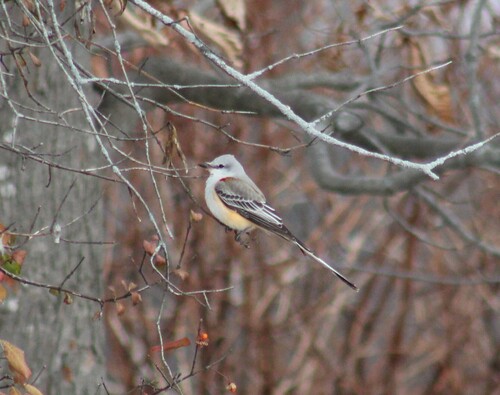
エンビタイランチョウ (Tyrannus forficatus) エンビタイランチョウ
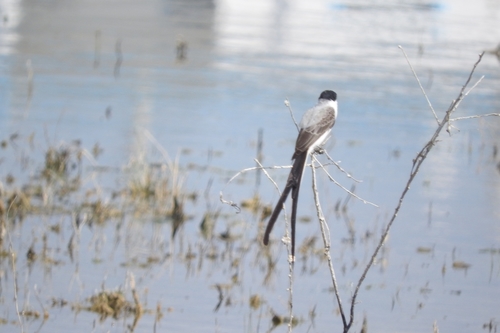
ズグロエンビタイランチョウ (Tyrannus savana) ズグロエンビタイランチョウ

メディア

読み込み中…

要点

エンビタイランチョウとズグロエンビタイランチョウの最も信頼できるフィールドマークは頭の模様です:ズグロエンビタイランチョウは目を引く黒い帽子(オスにはしばしば黄色の冠ストライプがあります)を示し、エンビタイランチョウは無地の淡い灰色の頭を持っています。両種は非常に長く、深く分かれた尾を持っていますが、ズグロエンビタイランチョウの尾は成鳥のオスで比率的に長く、体に対してより劇的に大きく見えます。羽毛の違いは飛行中には微妙ですが、エンビタイランチョウはサーモンピンクの側面と下翼の覆羽を示し、ズグロエンビタイランチョウは下側がきれいな白です。両種の幼鳥は鈍い色合いで尾が短く、混乱を増します。構造的および羽毛のマーク、特に頭の模様と下部の色は、すべての年齢において重要です。

識別のコツ

  1. 頭の模様は最も信頼できる区別点です: ズグロエンビタイランチョウは常に黒い帽子(オスにはしばしば黄色の冠ストライプがあります)を示し、白い下部と灰色の背中と対照的です。エンビタイランチョウは黒い帽子や冠ストライプのない無地の淡い灰色の頭を持っています。これはすべての年齢と性別に当てはまります。
  2. 下部の色: ズグロエンビタイランチョウは下側がきれいな白ですが、エンビタイランチョウは淡い下部にサーモンピンクの側面と尾覆羽を示し、特に良い光の下や鳥が尾や翼を広げたときに明らかです。
  3. 下翼の色(成鳥): エンビタイランチョウは赤い腋羽と下翼の覆羽に赤い斑点を持ち、飛行中やストレッチ時に見えます;ズグロエンビタイランチョウにはこの特徴がありません。
  4. 尾の構造: 両種は成鳥のオスで非常に長く、深く分かれた尾を持っていますが、ズグロエンビタイランチョウの尾はその小さな体に対して比率的にさらに長く、リボンのように見えます。雌や幼鳥では尾の長さはあまり際立っていませんが、ズグロエンビタイランチョウはそのサイズに対して尾が長い傾向があります。
  5. 尾の模様: エンビタイランチョウの尾は上が黒で下が白;ズグロエンビタイランチョウの尾は黒ですが、下側のコントラストは少ないです。
  6. 体のサイズと形: エンビタイランチョウはより重く、がっしりしており、頑丈なくちばしを持っています;ズグロエンビタイランチョウは軽く、細身で、全体的により繊細です。これは両種が一緒に見られるときや近距離で見ると最も明らかです。
  7. 背中の色: ズグロエンビタイランチョウの背中は灰色で、亜種によっては時に暗く、常に黒い帽子と対照的です;エンビタイランチョウの背中は淡い灰色で、頭に溶け込んでいます。
  8. 幼鳥の混乱: 両種の幼鳥は尾が短く、鈍い色合いですが、ズグロエンビタイランチョウはまだ暗い(ただし鈍い)帽子を示し、エンビタイランチョウは無地の頭のままです。
  9. 飛行の特徴: 両種は敏捷で空中での急襲を行いますが、エンビタイランチョウはしばしば誇張された尾の動きやアクロバットを伴う華麗な空中展示を行います。一方、ズグロエンビタイランチョウのオスは特にディスプレイ中に宙返りやひねりを行うことがあります。
  10. 止まり姿勢: 両種は目立って止まりますが、ズグロエンビタイランチョウはしばしばより細く、直立して見え、尾が体に対して不釣り合いに長く見えます。
  11. 生息地の文脈: 北アメリカでは、エンビタイランチョウは特に南部の米国の開けた国で期待されます;ズグロエンビタイランチョウはメキシコ北部では珍しい迷鳥であるため、文脈が役立つことがありますが、診断的ではありません。
  12. 群れのサイズ: ズグロエンビタイランチョウは特に南アメリカで大きな移動群れで見られることがあります;エンビタイランチョウは通常、単独または小さな群れで見られます。
  13. 鳴き声: 乾いた、ブザーのような呼び声や翼から発せられる笛/パチパチ音が聞こえた場合、ズグロエンビタイランチョウを疑ってください、特に黒い帽子の鳥が伴っている場合。
  14. 性差: 両種は尾の長さにおいて性的二形性を示しますが、ズグロエンビタイランチョウのオスだけが黄色の冠ストライプを示すことがあります。
  15. 亜種の変異(ズグロエンビタイランチョウ): 一部のズグロエンビタイランチョウの亜種は背中がより淡いまたは暗いですが、すべてが黒い帽子と白い下部を保持しており、エンビタイランチョウとは異なります。

大きさ

エンビタイランチョウはズグロエンビタイランチョウよりも重く(39.0g対29.65g)、より頑丈です。全体の長さは似ていますが、後者の尾が長いためです。ズグロエンビタイランチョウのオスは37〜41 cmの長さに達しますが、その多くは尾です;彼らの体は著しく細く、より軽く、より繊細な構造を持っています。両種の雌と幼鳥は尾が短いですが、エンビタイランチョウは依然としてよりがっしりしています。手に取ったり近距離で見ると、エンビタイランチョウはより頑丈で重いくちばしを持っているように見え、ズグロエンビタイランチョウは細く軽量に見えます。

羽色

両種の幼鳥と未熟な鳥は尾が短く、特徴が少なくなります。すべての年齢において、ズグロエンビタイランチョウは白い喉と下部、灰色の上部と対照的な黒い帽子で際立っています;オスは黄色の冠ストライプを示すことがあります。エンビタイランチョウは頭に黒がなく、代わりに均一な淡い灰色の頭と上部を示し、淡い下部と特徴的なサーモンピンクの側面と下翼の覆羽を持っています(飛行中や翼を少し開いた状態で止まっているときにしばしば見えます)。エンビタイランチョウの尾は上が黒で下が白ですが、ズグロエンビタイランチョウの尾も黒ですが、強い白い下側がありません。未熟なズグロエンビタイランチョウは鈍い帽子と短い尾を持っていますが、頭の模様は依然として重要な区別点です。両種は暗い翼を持っていますが、エンビタイランチョウだけが腋羽と下翼の覆羽に赤を示します(成鳥で最もよく見られます)。

行動

両種は露出した止まり木から昆虫を捕まえるために急襲しますが、エンビタイランチョウは特に求愛中に長い尾を引きずりながら華麗な空中展示を行うことがよくあります。ズグロエンビタイランチョウのオスもディスプレイ中に長い尾を使用し、時には宙返りやひねりを行います。ズグロエンビタイランチョウは移動中により社交的で、大きな群れを形成することがありますが、エンビタイランチョウは通常、単独または小さな群れで見られます。両種は積極的にテリトリーを守ります。

生息環境

エンビタイランチョウは開けた国に生息し、しばしば孤立した木、低木、または電話線のような人工的な場所の近くに見られ、主に北アメリカと中央アメリカに分布しています。ズグロエンビタイランチョウは南メキシコからアルゼンチンまでの広範な開けた生息地を占有し、サバンナ、低木地、草地、森林の縁、さらには開けた住宅地も含まれます。移動中、ズグロエンビタイランチョウはより広範な生息地に現れることがあり、時には大きな群れで見られますが、エンビタイランチョウはより局所的です。

声

ズグロエンビタイランチョウは乾いた、ブザーのような呼び声と飛行中に弱い「ティック」音を出し、翼は特にディスプレイ中に独特の笛やパチパチ音を発生させることがあります。エンビタイランチョウの鳴き声は提供されたメモには記載されていないため、声はズグロエンビタイランチョウの独特な翼の音が聞こえない限り、区別にはあまり役立ちません。

より良い説明を送る

比較と同じ項目を使ってください。文章はすぐに公開されます。

The most reliable field mark between Scissor-tailed Flycatcher and Fork-tailed Flycatcher is the head pattern: Fork-tailed shows a striking black cap (often with a yellow crown stripe in males), while Scissor-tailed has a plain pale gray head. Both species have extremely long, deeply forked tails, but the Fork-tailed's tail is proportionally longer in adult males and appears more dramatically oversized relative to its body. Plumage differences are subtle in flight, but Scissor-tailed shows salmon-pink flanks and underwing coverts, while Fork-tailed is clean white below. Immatures of both are duller and have shorter tails, increasing confusion. Structural and plumage marks, especially head pattern and underpart color, are key in all ages.

  1. Head pattern is the most reliable separator: Fork-tailed Flycatcher always shows a black cap (often with a yellow crown stripe in males), contrasting with white underparts and gray back. Scissor-tailed Flycatcher has a plain pale gray head with no black cap or crown stripe. This works for all ages and sexes.
  2. Underpart color: Fork-tailed is clean white below, while Scissor-tailed shows pale underparts with salmon-pink flanks and undertail coverts, especially obvious in good light or when the bird fans its tail or wings.
  3. Underwing color (adults): Scissor-tailed Flycatcher has red axillars and a red patch on the underwing coverts, visible in flight or when stretching; Fork-tailed lacks this feature.
  4. Tail structure: Both have extremely long, deeply forked tails in adult males, but Fork-tailed's tail is proportionally even longer and more ribbon-like relative to its small body. In females and immatures, tail length is less distinctive, but Fork-tailed still tends to have a longer tail for its size.
  5. Tail pattern: Scissor-tailed's tail is black above and white below; Fork-tailed's tail is black, with less contrast below.
  6. Body size and shape: Scissor-tailed is heavier, bulkier, and more robust, with a stouter bill; Fork-tailed is lighter, slimmer, and more delicate overall. This is most apparent when both species are seen together or at close range.
  7. Back color: Fork-tailed's back is gray, sometimes darker depending on subspecies, and always contrasts with the black cap; Scissor-tailed's back is pale gray and blends into the head.
  8. Juvenile confusion: Both species' immatures have shorter tails and duller colors, but Fork-tailed still shows a dark (though duller) cap, while Scissor-tailed remains plain-headed.
  9. Flight jizz: Both species are agile and perform aerial sallies, but Scissor-tailed often displays with exaggerated tail movements and acrobatics, while Fork-tailed males may perform somersaults and flips, especially in display.
  10. Perched posture: Both perch conspicuously, but Fork-tailed often looks more slender and upright, with the tail appearing disproportionately long for the body.
  11. Habitat context: In North America, Scissor-tailed is expected in open country, especially in the southern US; Fork-tailed is a rare vagrant north of Mexico, so context can help but is not diagnostic.
  12. Flock size: Fork-tailed may be seen in large migratory flocks, especially in South America; Scissor-tailed is usually solitary or in small groups.
  13. Vocalizations: If you hear a dry, buzzy call or a wing-produced whistle/crackle, suspect Fork-tailed, especially if accompanied by a black-capped bird.
  14. Sex differences: Both species show sexual dimorphism in tail length, but only Fork-tailed males may show a yellow crown stripe.
  15. Subspecies variation (Fork-tailed): Some Fork-tailed subspecies have paler or darker backs, but all retain the black cap and white underparts, unlike Scissor-tailed.

Scissor-tailed Flycatcher is heavier (39.0g vs 29.65g) and more robust than Fork-tailed Flycatcher, despite similar overall lengths due to the latter's longer tail. Fork-tailed Flycatcher males reach 37–41 cm in length, but much of this is tail; their bodies are notably slighter, with a lighter, more delicate build. Females and immatures of both species have shorter tails, but Scissor-tailed remains bulkier. In hand or at close range, Scissor-tailed appears stouter and heavier-billed, while Fork-tailed looks slim and lightweight.

Juvenile and immature birds of both species have shorter tails, making them less distinctive. For all ages, Fork-tailed Flycatcher stands out with a black cap contrasting sharply with a white throat and underparts, and gray upperparts; males may show a yellow crown stripe. Scissor-tailed Flycatcher lacks any black on the head, instead showing a uniform pale gray head and upperparts, with pale underparts and distinctive salmon-pink flanks and underwing coverts (often visible in flight or when perched with wings slightly open). The Scissor-tailed's tail is black above and white below, while Fork-tailed's tail is also black but lacks the strong white underside. Immature Fork-taileds have a duller cap and shorter tail, but the head pattern remains a key separator. Both species have dark wings, but only Scissor-tailed shows red in the axillars and underwing coverts (best seen in adults).

Both species sally from exposed perches to catch insects, but Scissor-tailed Flycatcher often performs spectacular aerial displays, especially in courtship, with its long tail streaming behind. Fork-tailed Flycatcher males also use their long tails in display, sometimes performing somersaults and flips. Fork-taileds are more gregarious in migration, sometimes forming large flocks, while Scissor-taileds are usually seen singly or in small groups. Both defend territories aggressively.

Scissor-tailed Flycatcher is found in open country, often near isolated trees, shrubs, or artificial sites like telephone wires, mainly in North and Central America. Fork-tailed Flycatcher occupies a broader range of open habitats from southern Mexico to Argentina, including savanna, shrubland, grassland, forest edges, and even open residential areas. During migration, Fork-taileds may appear in a wider range of habitats and sometimes in large flocks, while Scissor-taileds are more localized.

Fork-tailed Flycatcher gives a dry, buzzy call and a weak 'tic' note in flight; its wings can produce a distinct whistling or crackling sound, especially during display. Scissor-tailed Flycatcher's vocalizations are not described in the provided notes, so voice is less useful for separation unless the Fork-tailed's distinctive wing sounds are heard.

変更を破棄しますか?

保存していない編集があります。今離れると失われます。

エンビタイランチョウ · ズグロエンビタイランチョウ · 苦手な鳥