

Motmot

ウロコミツオシエ 対 カタジロオナガモズ

Indicator variegatus 対 Lanius collaris

ウロコミツオシエとカタジロオナガモズのクイズ
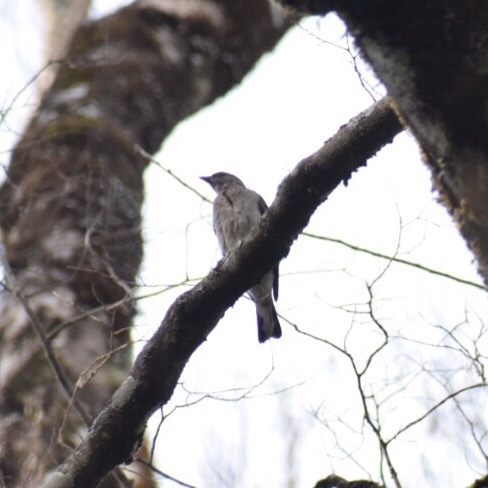
ウロコミツオシエ (Indicator variegatus) ウロコミツオシエ
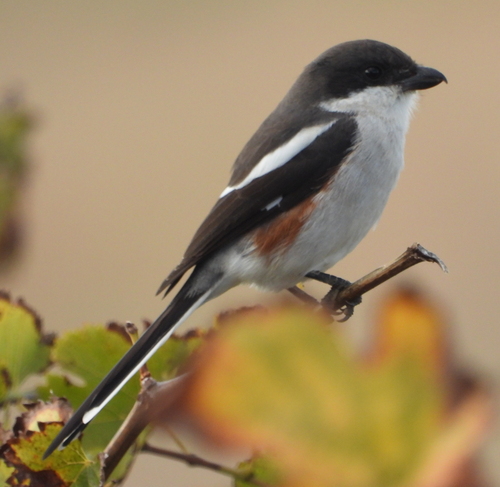
カタジロオナガモズ (Lanius collaris) カタジロオナガモズ

メディア

読み込み中…

要点

ウロコミツオシエとカタジロオナガモズを区別する最も信頼できるフィールドマークは全体の色パターンです:ハニガイドはオリーブからオリーブブラウンで、鱗状または縞模様の淡い喉と胸を持ち、一方でフィスカルは上面が鮮やかな黒で、下面が白く、背中に大胆な白い「V」があり、白い縁のある長い黒い尾を持っています。未熟なハニガイドはより緑がかった喉と胸に大胆な暗い斑点を示すことがありますが、フィスカルの鮮明な黒と白のコントラストは決して示しません。二つの種は構造的にも大きく異なります:ハニガイドはコンパクトで短い尾を持ち、フィスカルはより長く、スリムで、目立つ長い尾を持っています。飛行中または止まっているとき、フィスカルの際立った黒と白のパターンと長い尾は診断的であり、ハニガイドは常により muted で縞模様に見えます。声と行動も異なりますが、羽毛と構造が最も直接的な手がかりです。

識別のコツ

  1. Overall color pattern: カタジロオナガモズは上面が鮮やかな黒で、下面が白く、背中に大胆な白い「V」を持っています;ウロコミツオシエは上面がオリーブからオリーブブラウンで、鱗状または縞模様の淡い喉と胸を持ち、鮮明な黒と白のコントラストはありません。
  2. Tail length and pattern: Fiscalは白い縁と先端を持つ長い黒い尾を持っています;ハニガイドの尾は短く、黒い先端の白い外側のパターンと短い最外羽を持っています。幼鳥のハニガイドはほぼ全体が白い尾を持つことがありますが、フィスカルの長い黒と白の尾は決して持ちません。
  3. Back markings: フィスカルの背中の白い「V」はユニークで、どの年齢のハニガイドにも示されません。
  4. Underparts: フィスカルは下面が純白です(雌には可能性のある赤褐色の脇腹を除く);ハニガイドは淡い色でオリーブまたは灰色の縞模様や鱗状の模様を持ち、時にはバフィーまたは黄色がかった色合いを持っています。
  5. Head and face: フィスカルは黒い頭と顔を持ち、上面に溶け込んでいます;ハニガイドはオリーブブラウンから緑がかった上面を持ち、顔と冠に縞模様やストライプがあり、時には後頭部まで達します。
  6. Bill color and shape: フィスカルのくちばしは黒く、フック状です(シュライクに典型的);ハニガイドのくちばしはあまりフック状ではなく、オスは黒い開口部を示し、メスは暗い灰色のピンクがかった開口部を持っています(年齢の高いメスではより明らかです)。
  7. Leg color: フィスカルは黒い脚を持っています;ハニガイドの脚は緑がかった灰色または黄色がかったオリーブです。
  8. Eye color: フィスカルの目は黒いです;ハニガイドの目はヘーゼルから灰色がかった茶色または深い茶色まで様々です。
  9. Juvenile/immature marks: 若いハニガイドはより緑がかった喉と胸に広い黒っぽい斑点と暗い顔/冠を持ちます;幼鳥のフィスカルはすでに成鳥の黒と白のパターンを示します。
  10. Behavior: フィスカルはオープンで直立した止まり木に止まり、しばしば長い尾を振り、露出した場所から獲物を狙います;ハニガイドはより秘密主義で、通常はキャノピーの下や日陰の森林に見られます。
  11. Habitat: フィスカルはオープンな国、庭、ワイヤーに見られ、ハニガイドは森林、森林の端、または密なキャノピーにいます。
  12. Vocalizations: フィスカルは厳しいシュライクのような呼び声と甘く静かな歌を出します;ハニガイドはチュリリングのトリル、柔らかい口笛、そして「キズキズキズ」と呼ばれる鳴き声を出し、一般的に低音であまり厳しくありません。
  13. Feeding behavior: フィスカルは獲物を棘に刺すのが見られることがあります(したがって「肉屋の鳥」と呼ばれます);ハニガイドはこの行動を示しません。
  14. Sex differences: 両種は性別間で似ていますが、雌のフィスカルは赤褐色の下脇腹を持つことがあります;ハニガイドの雌はピンクがかった開口部を示すことがあります。
  15. Size impression: フィスカルは尾のために長くスリムに見えますが、実際にはハニガイドよりも軽いです。ハニガイドはよりコンパクトでずんぐりしています。

大きさ

ウロコミツオシエは平均してやや重く(48 g対40 gのカタジロオナガモズ)ですが、長さは短いです(ハニガイドは18–19 cm、フィスカルは21–23 cm)。フィスカルは主に比例的に長い尾のために長く見え、スリムです。フィールドでは、フィスカルのサイズと形はシュライクを思い起こさせる一方で、ハニガイドはよりコンパクトでずんぐりしています。

羽色

行動

カタジロオナガモズは活動的で目立つ止まり木のハンターで、しばしば露出した止まり木に直立して座り、獲物を探し、時には獲物を棘に刺すことがあります。彼の長い尾はしばしば振られたり、角度をつけて保持されたりします。ウロコミツオシエはより秘密主義で、通常はキャノピーの下や日陰の場所に見られ、オープンで露出した場所で見られる可能性は低いです。ハニガイドはフィスカルに典型的な刺す行動では知られていません。

生息環境

カタジロオナガモズはオープンな生息地、サバンナ、農地、庭、道路のワイヤーに見られ、目立って止まります。ウロコミツオシエは森林地域、森林の端、密なキャノピーを好み、オープンな国ではめったに見られません。鳥がオープンで木のない場所にいる場合、ほぼ確実にフィスカルです;森林の奥深くや森林の端にいる場合、ハニガイドの可能性が高いです。

声

ウロコミツオシエはチュリリングのトリルや柔らかい口笛を出し、時にはスキミタービルに例えられ、「キズキズキズ」と呼ばれる鳴き声を出します。彼の歌はしばしば朝早く聞かれ、フィスカルのものよりも低音であまり厳しくありません。カタジロオナガモズは厳しいシュライクのようなスウィズリングの呼び声と「Dzzzttt-dzzzt-dzzzt」という警告を混ぜて出しますが、驚くほど甘く静かな歌も出すことができます。フィスカルの呼び声は一般的に大きく、厳しく、より多様で、模倣や警告音が多く含まれています。

より良い説明を送る

比較と同じ項目を使ってください。文章はすぐに公開されます。

The most reliable field mark to separate Scaly-throated Honeyguide from Southern Fiscal is overall color pattern: the honeyguide is olive to olive-brown above with a scaly or streaked pale throat and breast, while the fiscal is sharply black above and white below with a bold white 'V' on the back and a long black tail with white edges. Immature honeyguides may show a greener throat and breast with bold dark spots, but never the crisp black-and-white contrast of a fiscal. The two species differ strongly in structure as well: the honeyguide is compact with a short tail, while the fiscal is longer, slimmer, and has a noticeably long tail. In flight or perched, the fiscal's striking black-and-white pattern and long tail are diagnostic, while the honeyguide always looks more muted and streaked. Voice and behavior also differ, but plumage and structure are the most immediate clues.

  1. Overall color pattern: Southern Fiscal is sharply black above and white below, with a bold white 'V' on the back; Scaly-throated Honeyguide is olive to olive-brown above with a scaly or streaked pale throat and breast, lacking any crisp black-and-white contrast.
  2. Tail length and pattern: Fiscal has a long, black tail with white edges and tips; honeyguide's tail is shorter, with a black-tipped white outer pattern and short outermost feathers. Juvenile honeyguides can have a nearly all-white tail, but never the long, black-and-white tail of a fiscal.
  3. Back markings: The fiscal's white 'V' on the back is unique and never shown by honeyguides of any age.
  4. Underparts: Fiscal is pure white below (except for possible rufous flanks in females); honeyguide is pale with olive or grayish streaks or scales, sometimes with a buffy or yellow tinge.
  5. Head and face: Fiscal has a black head and face, blending into the upperparts; honeyguide has olive-brown to greenish upperparts, with stripes or streaks on the face and crown, sometimes reaching the nape.
  6. Bill color and shape: Fiscal's bill is black and hooked (typical of shrikes); honeyguide's bill is less hooked, with males showing a black gape and females a pinkish gape with dusky gray (more obvious in older females).
  7. Leg color: Fiscal has black legs; honeyguide's legs are greenish-gray or yellowish-olive.
  8. Eye color: Fiscal's eyes are black; honeyguide's eyes range from hazel to gray-brown or deep brown.
  9. Juvenile/immature marks: Young honeyguides have a greener throat and breast with broad blackish spots and a darker face/crown; juvenile fiscals already show the adult black-and-white pattern.
  10. Behavior: Fiscals perch openly and upright, often flicking their long tails and hunting from exposed sites; honeyguides are more secretive, usually under canopy or in shaded woodland.
  11. Habitat: Fiscals are found in open country, gardens, and on wires; honeyguides are in woodland, forest edge, or dense canopy.
  12. Vocalizations: Fiscal gives harsh, shrike-like calls and a sweet, quiet song; honeyguide gives a churring trill, soft whistles, and 'kizz-kizz-kizz' calls, generally lower-pitched and less harsh.
  13. Feeding behavior: Fiscal may be seen impaling prey on thorns (hence 'butcher bird'); honeyguide does not show this behavior.
  14. Sex differences: Both species are similar between sexes, but female fiscal may have rufous lower flanks; honeyguide females may show a pinkish gape.
  15. Size impression: Fiscal appears longer and slimmer due to its tail, but is actually lighter than the honeyguide, which is more compact and stubby.

Scaly-throated Honeyguide is slightly heavier on average (48 g vs. 40 g for Southern Fiscal) but is shorter in length (18–19 cm for honeyguide, 21–23 cm for fiscal). The fiscal appears longer and more slender, mainly due to its proportionally longer tail. In the field, the fiscal's size and shape are more reminiscent of a shrike, while the honeyguide is more compact and stubby.

  • Juvenile/immature plumage: Immature Scaly-throated Honeyguides have a greener throat and breast with broad, blackish spots, a darker face and crown, and a nearly all-white tail. This contrasts with the Southern Fiscal, which as a juvenile already shows the black-and-white pattern typical of adults: black upperparts, white underparts, and the distinctive white 'V' on the back. No age of honeyguide shows the fiscal's crisp black-and-white contrast or the white 'V'.
  • Adult plumage: Adult honeyguides are olive to olive-brown above with a variable scaly or streaked pale throat and breast, and a yellow-green rump. Their tail is short with a black-tipped white outer pattern. In contrast, adult fiscals are sharply black above (from head to tail), pure white below, with a long black tail edged and tipped with white, and a bold white 'V' on the back. The fiscal's bill, legs, and eyes are black, while the honeyguide's legs are greenish-gray or yellowish-olive and eye color varies. Sexes are similar in both, but female fiscals may show a rufous tinge on the lower flanks.

Southern Fiscal is an active, conspicuous perch-hunter, often seen sitting upright on exposed perches, scanning for prey, and sometimes impaling prey on thorns. Its long tail is often flicked or held at an angle. Scaly-throated Honeyguide is more secretive, usually found under canopy or in shaded areas, and is less likely to be seen in open, exposed sites. The honeyguide is not known for the impaling behavior typical of fiscals.

Southern Fiscal is found in open habitats, including savanna, farmland, gardens, and roadside wires, where it perches conspicuously. Scaly-throated Honeyguide prefers wooded areas, forest edges, and dense canopy, and is rarely seen in open country. If the bird is in an open, treeless area, it is almost certainly a fiscal; if deep in woodland or forest edge, honeyguide is more likely.

Scaly-throated Honeyguide gives a churring trill or a soft whistle, sometimes compared to scimitarbills, and a 'kizz-kizz-kizz' call when chasing. Its song is often heard early in the morning and is lower-pitched and less harsh than a fiscal's. Southern Fiscal has a mix of harsh, shrike-like swizzling calls and a 'Dzzzttt-dzzzt-dzzzt' alarm, but can also give a surprisingly sweet, quiet song. Fiscal calls are generally louder, harsher, and more varied, with more mimicry and alarm notes.

変更を破棄しますか?

保存していない編集があります。今離れると失われます。

ウロコミツオシエ · カタジロオナガモズ · 苦手な鳥