

Motmot

アカハシウロコバト 対 シロビタイシャコバト

Patagioenas speciosa 対 Leptotila verreauxi

アカハシウロコバトとシロビタイシャコバトのクイズ
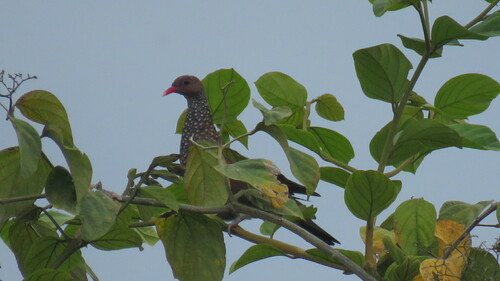
アカハシウロコバト (Patagioenas speciosa) アカハシウロコバト
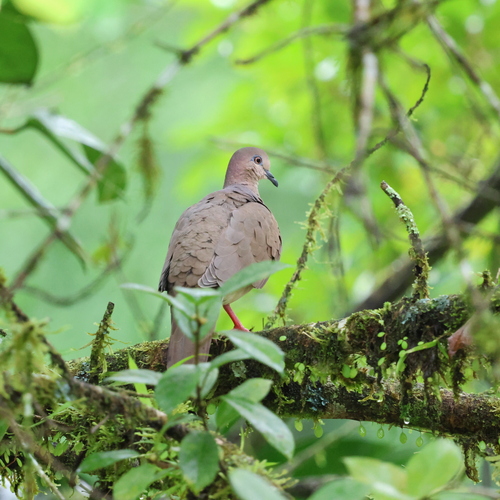
シロビタイシャコバト (Leptotila verreauxi) シロビタイシャコバト

メディア

読み込み中…

要点

スケールドピジョンとシロビタイシャコバトを区別する最も信頼できるフィールドマークは、全体のサイズと構造です:スケールドピジョンははるかに大きくてずんぐりした体形をしており、紫がかった鱗状の首と腹部を持っていますが、シロビタイシャコバトは小さく、スリムで、鱗状の効果がありません。飛行中、シロビタイシャコバトは尾に広い白い先端を示し、下から見ると最もよく見えますが、スケールドピジョンにはこれがありません。両種は赤い脚とアイリングを持っています(ただし、シロビタイシャコバトはその分布の一部で青いアイリングを示すことがあります)が、体の色と模様は異なります。羽毛があいまいな場合、鳴き声や生息地の好みが役立ちます。

識別のコツ

  1. サイズが最も迅速な区別点です: スケールドピジョンはシロビタイシャコバトよりもはるかに大きくてずんぐりしています。鳥がバトサイズまたはそれ以上に見える場合はスケールドピジョンを疑い、鳩サイズに見える場合はシロビタイシャコバトを考慮してください。これはすべての年齢と性別に当てはまります。
  2. 鱗状の首と腹部: スケールドピジョン(両性とも、特にオス)は首と腹部に淡い鱗状の模様を示します。シロビタイシャコバトは滑らかで模様のない腹部を持っています。
  3. 飛行中の尾の模様: シロビタイシャコバトは尾に広い白い先端を示し、特に下から見るとまたは尾を扇ぐときに見えます。スケールドピジョンにはこれがなく、尾は均一な色です。
  4. 翼の下の色: シロビタイシャコバトは飛行中に見える赤褐色の翼の下の覆い羽を持っています。スケールドピジョンはこの赤褐色の斑点を示しません。
  5. くちばしの色: スケールドピジョンは白い先端のある赤いくちばしを持ち、シロビタイシャコバトは黒いくちばしを持っています。これは近距離で最もよく見えます。
  6. アイリングの色: 両種は赤いアイリングを持つことがありますが、シロビタイシャコバトはその分布の一部で青いアイリングを示すことがあります(アマゾンと南アメリカ北部)。これは常に信頼できるわけではありませんが、青いアイリングはスケールドピジョンを除外します。
  7. 脚の色: 両方とも赤い脚を持っているため、これは有用な区別点ではありません。
  8. 頭と額: シロビタイシャコバトは淡い灰色または白っぽい額と冠を持ち、頭の他の部分と対照的です。スケールドピジョンは頭がより均一な色をしており、紫がかったまたは茶色のトーンを持っています。
  9. 体の色: スケールドピジョンは全体的に紫褐色(オス)または暗褐色(メス)ですが、シロビタイシャコバトは上面が灰褐色で、下面はより淡く、胸にはしばしばピンクがかったまたはバフ色の色合いがあります。
  10. 飛行スタイル: 両種は速く、直接的な飛行を持っていますが、スケールドピジョンはしばしばより高く、より強力な羽ばたきで飛びます。シロビタイシャコバトは離陸時により多くの羽音を示すことがあります。
  11. 止まり方: スケールドピジョンは木の高いところに止まっているのが見られることが多いですが、シロビタイシャコバトは通常地面や低い止まり木にいます。
  12. 鳴き声: 呼び声を聞いてください:スケールドピジョンは一連の深いクーという声を出し、シロビタイシャコバトは二音の空洞の「おおーおおー」という声を出します。声はよく聞こえれば診断的です。
  13. 生息地の文脈: 密な樹冠や半開放の森林では、特に鳥が高いところにいる場合はスケールドピジョンを疑います。開けた林、森林の端、または地面では、シロビタイシャコバトの方が可能性が高いです。
  14. 性差: メスのスケールドピジョンはより鈍い茶色ですが、鱗状の模様を示します。シロビタイシャコバトの性別は似ています。
  15. 幼鳥/未成熟のマーク: どちらの種にも特徴的な幼鳥や未成熟の翼の模様は記載されていないため、若い鳥にはサイズ、構造、全体の色に頼ってください。

大きさ

スケールドピジョンは約36 cm(14インチ)および290 g(10オンス)で、シロビタイシャコバトは28 cm(11インチ)および155 g(5.5オンス)です [wikipedia][avonet]。サイズの違いは直接比較や経験で明らかです:スケールドピジョンははるかに重い体形で、長い首を持っているように見えますが、シロビタイシャコバトはコンパクトでより繊細です。くちばしのサイズと頭の比率もこれを反映しています:スケールドピジョンはより太いくちばしとより頑丈な頭を持っています。

羽色

どちらの種にも特徴的な幼鳥や未成熟の上翼のマークは記載されていないため、焦点は成鳥の羽毛にあります。成鳥のスケールドピジョンのオスは全体的に紫褐色で、首と腹部に特徴的な淡い鱗状の模様があります;下腹部は紫で縁取られた白っぽい色です。メスは鈍い暗褐色ですが、鱗状の効果を示します。くちばしは赤で白い先端があり、アイリングと脚は赤です。それに対して、シロビタイシャコバトの成鳥は上面が灰褐色で、淡い灰色または白っぽい額、白っぽい喉、および胸にピンクがかった、鈍い灰色またはバフ色に変わる腹部を持っています。翼の下の覆い羽は赤褐色(飛行中に見える)で、尾は広く白く先端があり、特に下から見るとまたは鳥が尾を扇ぐときに見えます。くちばしは黒く、脚は赤で、アイリングは通常赤ですが、一部の地域では青くなることがあります。シロビタイシャコバトは決してスケールドピジョンの鱗状の効果を示さず、全体的な色合いはより淡く、紫色のトーンが少ないです。

行動

両種は通常孤独で警戒心が強く、群れを形成することはほとんどありません。スケールドピジョンは高いところに止まる傾向があり、しばしば樹冠の上を速く飛んでいるのが見られますが、シロビタイシャコバトは地面やその近くで静かに餌を探していることが多いです。両者は強く直接的な飛行で飛び立ちますが、シロビタイシャコバトは離陸時により多くの羽音を示すことがあります。餌の取り方も異なります:スケールドピジョンは主に木の果物や種子を食べ、シロビタイシャコバトは地面で種子やいくつかの昆虫を探します。

生息環境

スケールドピジョンは半開放の森林に生息し、しばしば樹冠や亜樹冠にいて、果実をつける木がある成熟したまたは二次的な森林にいる可能性が高いです。シロビタイシャコバトはさまざまな森林の生息地を好みますが、最もよく見られるのはより開けたまたはエッジの生息地で、森林の端、開けた場所、さらには庭などです。シロビタイシャコバトはより地上性で、しばしば地面を歩いていますが、スケールドピジョンはより樹上性です。

声

スケールドピジョンは一連の深い、クーという鳴き声を出し、これはシロビタイシャコバトの呼び声とは明らかに異なります。シロビタイシャコバトの歌は深く、空洞の「おおーおおー」で、通常は同じ音程の二音です:導入のフーという音の後に、より長く、より聞こえやすい空洞の音が続きます。深く引き延ばされた二音の呼び声を聞いた場合、それはおそらくシロビタイシャコバトです;一連の深いクーという声はスケールドピジョンを示唆します。

より良い説明を送る

比較と同じ項目を使ってください。文章はすぐに公開されます。

The most reliable field mark to separate Scaled Pigeon from White-tipped Dove is overall size and structure: Scaled Pigeon is much larger and bulkier, with a purplish, scaly neck and underparts, while White-tipped Dove is smaller, slimmer, and lacks the scaly effect. In flight, White-tipped Dove shows a broad white tip to the tail, best seen from below, which Scaled Pigeon lacks. Both species have red legs and eyering (though White-tipped Dove can show a blue eyering in parts of its range), but their body color and pattern are distinct. Vocalizations and habitat preference can help when plumage is ambiguous.

  1. Size is the quickest separator: Scaled Pigeon is much larger and bulkier than White-tipped Dove. If the bird looks pigeon-sized or larger, suspect Scaled Pigeon; if it is more dove-sized, consider White-tipped Dove. This works for all ages and sexes.
  2. Scaly neck and underparts: Only Scaled Pigeon (both sexes, but especially males) shows a pale, scaly pattern on the neck and underparts. White-tipped Dove has smooth, unpatterned underparts.
  3. Tail pattern in flight: White-tipped Dove shows a broad white tip to the tail, especially visible from below or when the tail is fanned. Scaled Pigeon lacks this; its tail is uniformly colored.
  4. Underwing color: White-tipped Dove has rufous underwing coverts, visible in flight. Scaled Pigeon does not show this rufous patch.
  5. Bill color: Scaled Pigeon has a red bill with a white tip; White-tipped Dove has a black bill. This is best seen at close range.
  6. Eyering color: Both species can have a red eyering, but White-tipped Dove may show a blue eyering in parts of its range (Amazon and northern South America). This is not always reliable, but a blue eyering rules out Scaled Pigeon.
  7. Leg color: Both have red legs, so this is not a useful separator.
  8. Head and forehead: White-tipped Dove has a pale grey or whitish forehead and crown, contrasting with the rest of the head. Scaled Pigeon is more uniformly colored on the head, with a purplish or brown tone.
  9. Body color: Scaled Pigeon is purple-brown overall (male) or dark brown (female), while White-tipped Dove is grey-brown above and paler below, often with a pinkish or buff tinge on the chest.
  10. Flight style: Both species have fast, direct flight, but Scaled Pigeon often flies higher and with more powerful wingbeats. White-tipped Dove may show more wing clattering on takeoff.
  11. Perching behavior: Scaled Pigeon is more likely to be seen perched high in trees; White-tipped Dove is usually on the ground or low perches.
  12. Vocalizations: Listen for the call: Scaled Pigeon gives a series of deep coos, while White-tipped Dove gives a two-note, hollow ooo-wooooo. Voice can be diagnostic if heard well.
  13. Habitat context: In dense canopy or semi-open forest, especially if the bird is high up, suspect Scaled Pigeon. In open woodland, forest edge, or on the ground, White-tipped Dove is more likely.
  14. Sex differences: Female Scaled Pigeons are duller brown but still show the scaly pattern; White-tipped Dove sexes are similar.
  15. Juvenile/immature marks: No distinctive juvenile or immature wing patterns are described for either species, so rely on size, structure, and overall color for young birds.

Scaled Pigeon is substantially larger, at about 36 cm (14 in) and 290 g (10 oz), compared to White-tipped Dove at 28 cm (11 in) and 155 g (5.5 oz) [wikipedia][avonet]. The size difference is obvious in direct comparison or with experience: Scaled Pigeon appears much heavier-bodied and longer-necked, while White-tipped Dove is compact and more delicate. Bill size and head proportions also reflect this: Scaled Pigeon has a stouter bill and a more robust head.

No distinctive juvenile or immature upperwing marks are described for either species, so focus is on adult plumage. Adult Scaled Pigeon males are purple-brown overall, with a distinctive pale scaly pattern on the neck and underparts; lower underparts are whitish edged with purple. Females are duller, dark brown, but still show the scaly effect. The bill is red with a white tip, and the eyering and legs are red. In contrast, White-tipped Dove adults are grey-brown above, with a pale grey or whitish forehead, whitish throat, and underparts that shade to pinkish, dull grey, or buff on the chest. The underwing coverts are rufous (seen in flight), and the tail is broadly tipped with white, especially visible from below or when the bird fans its tail. The bill is black, the legs are red, and the eyering is usually red but can be blue in some regions. White-tipped Dove never shows the scaly effect of Scaled Pigeon, and its overall coloration is paler and less purple-toned.

Both species are typically solitary and wary, rarely forming flocks. Scaled Pigeon tends to perch high and is often seen flying high and fast over the canopy, while White-tipped Dove is more often encountered on or near the ground, foraging quietly. Both flush with strong, direct flight, but White-tipped Dove may show more wing clattering on takeoff. Feeding behavior also differs: Scaled Pigeon feeds mainly on fruits and seeds in trees, while White-tipped Dove forages for seeds and some insects on the ground.

Scaled Pigeon is found in semi-open forests, often in the canopy or subcanopy, and is more likely in mature or secondary woodland with fruiting trees. White-tipped Dove prefers a variety of woodland habitats but is most often seen in more open or edge habitats, including forest edges, clearings, and even gardens. It is more terrestrial, often walking on the ground, while Scaled Pigeon is more arboreal.

Scaled Pigeon gives a series of deep, cooing cro ku-ks, which is markedly different from the White-tipped Dove's call. White-tipped Dove's song is a deep, hollow ooo-wooooo, typically two notes at the same pitch: an introductory hoot followed by a longer, more audible, hollow note. If you hear a deep, drawn-out two-note call, it's likely White-tipped Dove; a series of deep coos suggests Scaled Pigeon.

変更を破棄しますか?

保存していない編集があります。今離れると失われます。

アカハシウロコバト · シロビタイシャコバト · 苦手な鳥