

Motmot

クロガシラムシクイ 対 アコウザンムシクイ

Curruca melanocephala 対 Curruca subalpina

クロガシラムシクイとアコウザンムシクイのクイズ
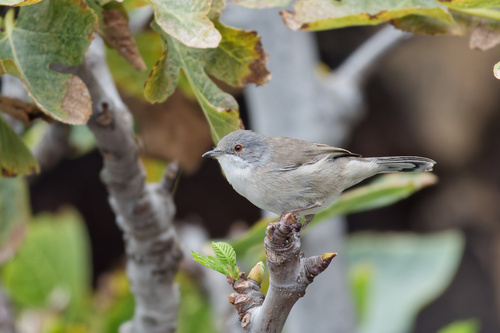
クロガシラムシクイ (Curruca melanocephala) クロガシラムシクイ
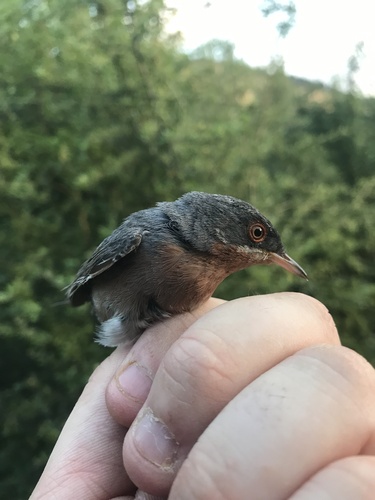
アコウザンムシクイ (Curruca subalpina) アコウザンムシクイ

メディア

読み込み中…

要点

サルディニアムシクイとアコウザンムシクイの間で最も信頼できるフィールドマークは、成鳥のオスの頭部と腹部です:サルディニアのオスは目を引く黒い帽子、白い喉、灰色の背中と清潔な白っぽい腹部を示しますが、アコウザンムシクイのオスは対照的な顔が少なく、独特のサーモンピンクの洗いが下にあります。両種の雌と幼鳥ははるかに似ていますが、サルディニアムシクイの雌は一般的に上面が暗く灰色がかっていますが、アコウザンムシクイはより淡く茶色がかっています。飛行中や遠くからは、構造と尾の形が微妙な手がかりを提供しますが、注意が必要です:両者は小さく活発なムシクイで、重なり合う特徴を持っています。声は聞こえた場合の強力な区別要因です。アコウザンムシクイはより速く、高音の歌を持っています。迅速な識別のためには常に成鳥のオスの羽毛を優先し、雌や幼鳥の微妙なマークのチェックリストを使用してください。

識別のコツ

  1. 成鳥のオスの頭の模様: サルディニアムシクイのオスは深い黒い帽子と白い喉を持ち、灰色の背中と白っぽい腹部からはっきりと区別されます。アコウザンムシクイのオスは強い黒い帽子がなく、鈍い顔をしています。
  2. 成鳥のオスの腹部: アコウザンムシクイのオスの腹部にはサーモンピンクの洗いが見られ、サルディニアムシクイには決して見られません(常に清潔な白っぽいまたは淡い灰色です)。
  3. 雌と幼鳥の上面: サルディニアムシクイの雌は一般的に上面が暗く灰色がかっていますが、アコウザンムシクイはより淡く茶色がかっています。これは微妙で、直接比較または経験によって最もよく判断されます。
  4. 目の色: 両種は赤いアイリングを持っていますが、サルディニアムシクイでは特にオスでより目立ちます。
  5. 尾の形: サルディニアムシクイは亜種によってはより尖ったまたは四角い尾の先端を示すことがありますが、これはフィールドで判断するのが常に簡単ではありません。
  6. くちばしと構造: 明確な違いはありません;両者は小さくスリムなムシクイですが、サルディニアムシクイはわずかに大きく、翼が長く見えることがあります(特に指名形態の場合)。
  7. 幼鳥の羽毛: 幼鳥のサルディニアムシクイは、特に南部の個体群では下が砂色になることがありますが、これはアコウザンムシクイとの強い区別要因ではありません。
  8. 声: アコウザンムシクイは速く、高音の昆虫のような歌を歌い、乾いた「トリルゼール」と呼ばれる鳴き声を持っています。これを聞いた場合、アコウザンムシクイの強い手がかりです。サルディニアムシクイの歌はそれほど速くなく、高音ではありません。
  9. 分布と生息地: イタリアやティレニア海の島々にいない場合、サルディニアムシクイの方が圧倒的に可能性が高いです。両種は似たような地中海の低木生息地を利用します。
  10. 季節的文脈: 両種はそれぞれの分布域で常駐または短距離の移動者です。サルディニアムシクイは地中海の大部分で年間を通じて見られますが、アコウザンムシクイはより局所的です。
  11. 亜種の変異: サルディニアムシクイは羽毛に地域的な変異を示すことがあることに注意してください(例:南部では淡く、西部では暗くなる)が、これらはオスのアコウザンムシクイのサーモンピンクの腹部とは重なりません。
  12. 西アコウザンムシクイとの混同: アコウザンムシクイは西アコウザンムシクイと最も簡単に混同されますが、サルディニアムシクイではなく、サーモンピンクの腹部は亜高地複合体の中でアコウザンムシクイに特有です。
  13. 行動: 両種は活発で、しばしば隠れている;行動は信頼できる区別要因ではありません。
  14. 落とし穴: 雌と幼鳥は非常に似ており、歌や近くで長時間見ることがなければ分けるのが不可能な場合があります。常にマークの組み合わせを使用し、可能な場合は場所や声を考慮してください。
  15. 飛行中: これら二つを区別する特有の翼や尾の模様はないため、全体の構造、尾の形、頭部/腹部の色のいかなるちら見を頼りにしてください。

大きさ

両種は小さなムシクイで、全体的なサイズと比率は非常に似ています。サルディニアムシクイは、特に指名形態ではわずかに大きく、翼が長く見えることがありますが、これは微妙でフィールドでは常に信頼できるわけではありません。くちばしのサイズと尾の長さは、これら二つの間で主要なフィールドマークとして使用するには明確に異なりません。

羽色

成鳥のオスは最も簡単に分けられます:サルディニアムシクイのオスはジェットブラックの帽子、白い喉、灰色の背中、清潔な白っぽい腹部を持ち、赤みやサーモンの色合いはありません。彼らの赤いアイリングは目立ちます。アコウザンムシクイのオスは鈍い頭の模様を持ち、深い黒い帽子がなく、腹部は明確にサーモンピンクです(西アコウザンムシクイのようなオレンジではありません)。両種の雌と幼鳥ははるかに似ており、どちらも茶色がかったまたはオリーブグレーの上面と淡い腹部を示しますが、サルディニアムシクイの雌は一般的に上面が暗く灰色がかっていますが、アコウザンムシクイはより淡く茶色がかっています。幼鳥のサルディニアムシクイは南部の個体群では特に砂色ですが、これは微妙です。どちらの種についても特有の年齢特有の上翼の模様(パネルやWマークのような)は記述されていないため、翼の模様は主要な区別要因ではありません。尾の先端の形状の微妙な違い(サルディニアムシクイ:亜種によってはより尖ったまたは四角い)は、経験によって役立つかもしれません。

行動

両種は活発で、しばしば密な地中海の低木や低い茂みの中で隠れ、素早い動きと頻繁に尾を振る動作をします。サルディニアムシクイはわずかに頑丈で自信があるように見えることがありますが、これは信頼できるフィールドマークではありません。両種は昆虫食性で、似たような方法で採餌します。

生息環境

サルディニアムシクイは地中海盆地全体に広く分布し、沿岸のマキ、オリーブ畑、庭など、さまざまな低木生息地で見られます。アコウザンムシクイははるかに制限されており、イタリアとティレニア海の島々に自生し、通常は似たような地中海の低木で見られますが、その範囲ははるかに限られています。アコウザンムシクイの核心範囲(イタリア、コルシカ、サルデーニャ、バレアレス諸島)外にいる場合、サルディニアムシクイの方が圧倒的に可能性が高いです。

声

声は強力な区別要因です:アコウザンムシクイは、似たような西アコウザンムシクイよりも速いペースで高音の歌を持ち、昆虫のような音の急速な連続と乾いた「トリルゼール」と呼ばれる鳴き声で説明されます。サルディニアムシクイの歌はここでは詳細に説明されていませんが、そのような高音で速い配信ではないとされています。速く、高音の昆虫のような歌を聞いた場合、アコウザンムシクイの可能性が高いです。そうでなければ、サルディニアムシクイがデフォルトであり、特にアコウザンムシクイの限られた範囲外ではそうです。

より良い説明を送る

比較と同じ項目を使ってください。文章はすぐに公開されます。

The most reliable field mark between Sardinian Warbler and Moltoni's Warbler is the adult male's head and underparts: Sardinian males show a striking black cap, white throat, and grey back with clean whitish underparts, while Moltoni's males have a less contrasting face and a unique salmon-pink wash below. Females and juveniles of both species are much more similar, but Sardinian Warbler females tend to be darker and greyer above, while Moltoni's are paler and browner. In flight or at a distance, structure and tail shape offer subtle clues, but beware: both are small, active warblers with overlapping jizz. Voice is a strong separator if heard, as Moltoni's has a faster, higher-pitched song. Always prioritize adult male plumage for a quick ID, but use a checklist of subtle marks for females and immatures.

  1. Adult male head pattern: Sardinian Warbler males have a deep black cap and white throat, sharply set off from the grey back and whitish underparts. Moltoni's males lack the intense black cap and have a duller face.
  2. Adult male underparts: Look for the salmon-pink wash on the underparts of Moltoni's males, which is never shown by Sardinian (always clean whitish or pale grey).
  3. Female and juvenile upperparts: Sardinian Warbler females are generally darker and greyer above, while Moltoni's are paler and browner. This is subtle and best judged in direct comparison or with experience.
  4. Eye color: Both species have a red eye-ring, but it is more striking in Sardinian Warbler, especially in males.
  5. Tail shape: Sardinian Warbler may show a more pointed or square tail tip depending on subspecies, but this is not always easy to judge in the field.
  6. Bill and structure: No strong differences; both are small, slim warblers, but Sardinian may appear slightly larger and longer-winged (especially nominate forms).
  7. Juvenile plumage: Juvenile Sardinian Warblers can be sandy below, especially in southern populations, but this is not a strong separator from Moltoni's.
  8. Vocalizations: Moltoni's Warbler sings a fast, high-pitched, insect-like song with a dry 'trill zerr' call. If you hear this, it's a strong clue for Moltoni's. Sardinian's song is less rapid and not as high-pitched.
  9. Range and habitat: If you are not in Italy or the Tyrrhenian islands, Sardinian Warbler is overwhelmingly more likely. Both species use similar Mediterranean scrub habitats.
  10. Seasonal context: Both species are resident or short-distance migrants in their respective ranges. Sardinian Warbler can be found year-round in much of the Mediterranean; Moltoni's is more localized.
  11. Subspecies variation: Be aware that Sardinian Warbler shows some regional variation in plumage (e.g., paler in the south, darker in the west), but these do not overlap with Moltoni's salmon-pink underparts in males.
  12. Confusion with Western Subalpine Warbler: Moltoni's is most easily confused with Western Subalpine Warbler, not Sardinian, but the salmon-pink underparts are unique to Moltoni's among the subalpine complex.
  13. Behavior: Both species are active and often skulking; behavior is not a reliable separator.
  14. Pitfalls: Females and immatures are very similar and can be impossible to separate without song or close, prolonged views. Always use a combination of marks and consider location and voice when possible.
  15. In flight: No distinctive wing or tail pattern separates these two, so rely on overall structure, tail shape, and any glimpses of head/underpart color.

Both species are small warblers and very similar in overall size and proportions. Sardinian Warbler may appear slightly larger and longer-winged, especially in the nominate form, but this is subtle and not always reliable in the field. Bill size and tail length are not distinctly different enough to use as primary field marks between these two.

Adult males are the easiest to separate: Sardinian Warbler males have a jet-black cap, white throat, grey back, and clean whitish underparts, with no reddish or salmon tones. Their red eye-ring is prominent. Moltoni's Warbler males have a duller head pattern, lacking the deep black cap, and their underparts are distinctly salmon-pink (not orange as in Western Subalpine Warbler). Females and juveniles of both species are much more similar, both showing brownish or olive-grey upperparts and pale underparts, but Sardinian Warbler females are generally darker and greyer above, while Moltoni's are paler and browner. Juvenile Sardinian Warblers are sandy, especially in the southernmost populations, but this is subtle. No distinctive age-specific upperwing pattern (like panels or W-marks) is described for either species, so wing pattern is not a primary separator. Subtle differences in tail tip shape (Sardinian: more pointed or square, depending on subspecies) may help with experience.

Both species are active, often skulking in dense Mediterranean scrub and low bushes, making quick, darting movements and frequently flicking their tails. Sardinian Warbler may appear slightly more robust and confident, sometimes perching more openly, but this is not a reliable field mark. Both species are insectivorous and forage in similar ways.

Sardinian Warbler is widespread and common throughout the Mediterranean basin, found in a wide range of scrubby habitats, including coastal maquis, olive groves, and gardens. Moltoni's Warbler is much more restricted, native to Italy and the Tyrrhenian islands, and is typically found in similar Mediterranean scrub, but its range is far more limited. If you are outside the core range of Moltoni's (Italy, Corsica, Sardinia, Balearics), Sardinian is vastly more likely.

Vocalizations are a strong separator: Moltoni's Warbler has a faster-paced, higher-pitched song than the similar Western Subalpine Warbler, described as a rapid series of insect-like notes with a dry 'trill zerr' call. Sardinian Warbler's song is not described in detail here, but it is not noted for such a high-pitched, rapid delivery. If you hear a fast, high, insect-like song, Moltoni's is likely; otherwise, Sardinian is the default, especially outside Moltoni's limited range.

変更を破棄しますか?

保存していない編集があります。今離れると失われます。

クロガシラムシクイ · アコウザンムシクイ · 苦手な鳥