

Motmot

ミユビシギ 対 Rock Martin

Calidris alba 対 Ptyonoprogne fuligula

ミユビシギとRock Martinのクイズ
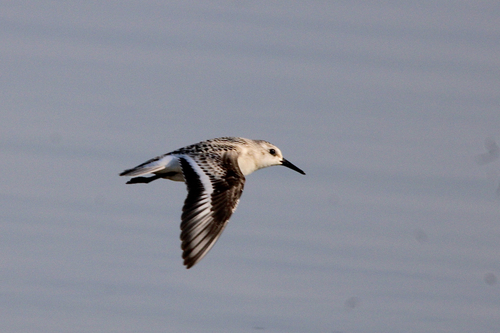
ミユビシギ (Calidris alba) ミユビシギ
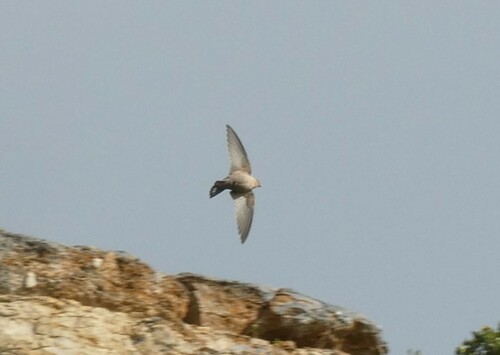
Rock Martin (Ptyonoprogne fuligula) Rock Martin

メディア

読み込み中…

要点

ミユビシギとRock Martinを区別する最も信頼できるフィールドマークは、足とくちばしの色です:ミユビシギは黒い足と短くてまっすぐな黒いくちばしを持ち、Rock Martinは茶色がかったピンクの足と小さく主に黒いくちばしを持っています。飛行中、ミユビシギ(すべての年齢)は強い白い翼帯と尾の白い側面を示しますが、Rock Martinは白い翼帯がなく、尾羽の先端近くに小さな白い「窓」を示します。ミユビシギはコンパクトで淡いシギで、ビーチを走っているのがよく見られますが、Rock Martinは四角い尾を持つ茶色がかったツバメで、崖や建物の近くを滑空しているのが見られます。幼鳥のミユビシギは上面に淡い縁取りがなく、幼鳥のRock Martinは上面と飛行羽に淡い縁取りを示します。これらの違いは、止まっている鳥と飛んでいる鳥の両方で明確です。

識別のコツ

  1. Leg and bill color: ミユビシギは黒い足と短くてまっすぐな黒いくちばしを持っています。Rock Martinは茶色がかったピンクの足と小さく主に黒いくちばしを持っています。これは近距離または良い光の下で見ることができます。
  2. Wing pattern in flight (all ages): ミユビシギは強い白い翼帯と尾の白い側面を示します。Rock Martinは白い翼帯がなく、尾が広げられたときに尾羽の先端近くに小さな白い窓を示します。
  3. Tail shape and markings: ミユビシギの尾は短くて平坦です。Rock Martinの尾は四角で、ほとんどの尾羽の先端近くに小さな白い斑点があります。
  4. Upperpart texture in juveniles: 幼鳥のRock Martinは上面と飛行羽に淡い縁取りがあり、やや鱗状の外観を持っています。ミユビシギの幼鳥は上面がきれいな灰色で、淡い縁取りはありません。
  5. Overall coloration: ミユビシギは非常に淡く、繁殖期でない羽毛では明るい白い腹部と淡い灰色の上面を持っています。Rock Martinは上面と下面が土色で、あご、喉、上胸、そして翼の覆羽のみが淡いシナモン色です。
  6. Body shape and jizz: ミユビシギはコンパクトで頑丈で、速く機械的な歩き方で走ります。Rock Martinはスリムでツバメのようで、滑空したり直立して止まったりします。
  7. Feeding behavior: ミユビシギは砂の上を走り、無脊椎動物を探ります。Rock Martinは飛行中に昆虫を捕まえ、しばしば崖や建物の近くで見られます。
  8. Habitat: ミユビシギは砂浜や干潟に生息し、岩の多い地域を避けます。Rock Martinは崖、岩の突起、または建物に生息し、ほとんど開けた砂の上にはいません。
  9. Group size: ミユビシギはしばしば大きく密集した群れで見られます。Rock Martinは孤独または小さな群れで見られます。
  10. Perching: ミユビシギは地面以外ではほとんど止まりません。Rock Martinはしばしば岩やワイヤーに止まります。
  11. Hind toe: ミユビシギは後ろの爪がありません(フィールドでは見えませんが、走り方に影響します)。Rock Martinは通常のツバメの足の構造を持っています。
  12. Flight style: ミユビシギの飛行は直接的で速く、ビーチの上を低く飛ぶことが多いです。Rock Martinは遅く、より浮遊感のある飛行をし、滑空します。
  13. Voice: 強い区別要因ではありませんが、Rock Martinの柔らかいツイッターや呼び声は巣や止まり木の近くで聞こえることがあります。
  14. Seasonal confusion: 両種は非繁殖期に南アフリカに存在しますが、ミユビシギは厳密に沿岸に生息し、Rock Martinは居住しており内陸にも生息します。
  15. Sex and age: 両種は性的二形性が少なく、年齢の違いは微妙で、主にRock Martinの幼鳥の上面の質感に見られます。

大きさ

ミユビシギとRock Martinは長さが似ており、どちらも約12〜15 cmです。しかし、ミユビシギはより頑丈で、体とくちばしが太く、Rock Martinはスリムで流線型で、ツバメに典型的です。ミユビシギの体型は他の小型シギに似ているのに対し、Rock Martinはより細長く、コンパクトさが少ないです。

羽色

すべての年齢において、ミユビシギは飛行中に強い白い翼帯と尾の白い側面を示し、これはRock Martinにはありません。幼鳥のRock Martinは上面と飛行羽に淡い縁取りがあり、やや鱗状の外観を持っていますが、ミユビシギ(幼鳥を含む)はこの特徴を示さず、繁殖期でない羽毛では一般的にきれいな淡い灰色です。ミユビシギは全体的に非常に淡く、特に腹部は年間を通じて明るい白色ですが、Rock Martinは上面と下面が土色で、あご、喉、上胸、そして翼の覆羽のみが淡いシナモン色です。Rock Martinの尾には、中央と外側の羽を除くすべての羽の先端近くに小さな白い斑点(「窓」)があり、飛行中に広げたときに見えますが、ミユビシギの尾は平坦です。ミユビシギは後ろの爪がなく、フィールドでは見えませんが、走り方に影響します。両種の性別は似ています。

行動

ミユビシギは冬に非常に群れを成し、しばしば砂浜を速く走る密集した群れで見られ、特徴的な「自転車をこぐ」ような足の動作で、頻繁に食べ物をついばむために止まります。Rock Martinは孤独または小さな群れで、めったに群れを成さず、通常は崖、建物、または岩の突起の近くで急速な羽ばたきと滑空でゆっくり飛んでいるのが見られます。ミユビシギは砂を掘って餌を探し、Rock Martinは飛行中に昆虫を捕まえます。ミユビシギはめったに止まらず、Rock Martinはしばしば岩や人間の構造物に止まります。

生息環境

ミユビシギはほぼ常に開けた砂浜、干潟、または時折泥干潟に生息し、特に移動中や冬に沿岸地域で見られます。岩の多い地域を避けます。一方、Rock Martinは岩の生息地、崖、採石場、または建物の周りに生息し、しばしば水から遠く離れています。開けたビーチには生息しません。したがって、生息地は強い手がかりです:ミユビシギは砂の上、Rock Martinは岩や人造構造物の上にいます。

声

Rock Martinは柔らかく muffledなツイッターとさまざまな短い呼び声(「trrt」、「鼻音のvick」、「高音のtwee」)を出しますが、一般的には静かです。ミユビシギも冬の群れではあまり声を出さず、フィールドでの区別のための特定の呼び声は記述されていません。声はこれら二種の主要な区別要因ではありません。

より良い説明を送る

比較と同じ項目を使ってください。文章はすぐに公開されます。

The most reliable field mark to separate Sanderling from Rock Martin is the leg and bill color: Sanderling shows black legs and a short, straight black bill, while Rock Martin has brownish-pink legs and a small, mainly black bill. In flight, Sanderling (of all ages) shows a strong white wingbar and white sides to the tail, whereas Rock Martin has brown wings with no white wingbar but does show small white 'windows' near the tips of the tail feathers. Sanderling is a compact, pale sandpiper often seen running along beaches, while Rock Martin is a brownish swallow with a square tail, seen gliding near cliffs or buildings. Juvenile Sanderlings lack any pale fringes to the upperparts, while juvenile Rock Martins show pale fringes to the upperparts and flight feathers. These differences are clear in both perched and flying birds.

  1. Leg and bill color: Sanderling has black legs and a short, straight black bill. Rock Martin has brownish-pink legs and a small, mainly black bill. This is visible at close range or in good light.
  2. Wing pattern in flight (all ages): Sanderling shows a strong white wingbar and white sides to the tail. Rock Martin lacks a white wingbar but shows small white windows near the tips of the tail feathers when the tail is spread.
  3. Tail shape and markings: Sanderling’s tail is short and plain. Rock Martin’s tail is square with small white patches near the tips of most tail feathers, visible in flight.
  4. Upperpart texture in juveniles: Juvenile Rock Martins have pale edges to the upperparts and flight feathers, giving a slightly scaly look. Sanderling juveniles are clean gray above without pale fringes.
  5. Overall coloration: Sanderling is much paler, with bright white underparts and pale gray upperparts in non-breeding plumage. Rock Martin is earth-brown above and below, with only the chin, throat, and underwing coverts paler cinnamon.
  6. Body shape and jizz: Sanderling is compact, stout, and runs with a rapid, mechanical gait. Rock Martin is slim, swallow-like, and glides or perches upright.
  7. Feeding behavior: Sanderling runs along the sand, probing for invertebrates. Rock Martin catches insects in flight, often near cliffs or buildings.
  8. Habitat: Sanderling is found on sandy beaches or tidal flats; avoid rocky areas. Rock Martin is found on cliffs, rocky outcrops, or buildings—almost never on open sand.
  9. Group size: Sanderling is often in large, tight flocks. Rock Martin is solitary or in small groups.
  10. Perching: Sanderling rarely perches except on the ground. Rock Martin often perches on rocks or wires.
  11. Hind toe: Sanderling lacks a hind toe (not visible in the field, but contributes to its running style). Rock Martin has a normal swallow foot structure.
  12. Flight style: Sanderling’s flight is direct and fast, often low over the beach. Rock Martin has a slower, more buoyant flight with glides.
  13. Voice: Not a strong separator, but Rock Martin’s soft twitter and calls may be heard near nests or perches.
  14. Seasonal confusion: Both species are present in southern Africa in the non-breeding season, but Sanderling is strictly coastal, while Rock Martin is resident and inland as well.
  15. Sex and age: Both species show little sexual dimorphism; age differences are subtle and mainly in juvenile upperpart texture for Rock Martin.

Sanderling and Rock Martin are similar in length, both around 12–15 cm. However, Sanderling is stouter and more robust, with a thicker body and bill, while Rock Martin is slimmer and more streamlined, typical of swallows. Sanderling's build is more reminiscent of other small sandpipers, whereas Rock Martin is more elongated and less compact.

For all ages, Sanderling in flight shows a strong white wingbar and white sides to the tail, which are absent in Rock Martin. Juvenile Rock Martins have pale edges to the upperparts and flight feathers, giving a slightly scaled look, while Sanderlings (including juveniles) do not show this feature and are generally clean pale gray above in non-breeding plumage. Sanderling is much paler overall, especially on the underparts, which are bright white year-round, while Rock Martin is earth-brown above and below, with only the chin, throat, upper breast, and underwing coverts being paler cinnamon. Rock Martin’s tail has small white patches ('windows') near the tips of all but the central and outermost feathers, visible when spread in flight, while Sanderling’s tail is plain. Sanderling lacks a hind toe, which is not visible in the field but affects its running gait. Sexes are similar in both species.

Sanderling is highly gregarious in winter, often seen in tight flocks running rapidly along sandy beaches with a distinctive 'bicycling' leg action, frequently stopping to pick at food. Rock Martin is solitary or in small groups, rarely gregarious, and is usually seen flying slowly with rapid wingbeats and glides near cliffs, buildings, or rocky outcrops. Sanderling feeds by probing in sand, while Rock Martin catches insects on the wing. Sanderling rarely perches; Rock Martin often perches on rocks or human structures.

Sanderling is almost always found on open sandy beaches, tidal flats, or occasionally mudflats, especially along marine coasts during migration and winter. It avoids rocky areas. Rock Martin, on the other hand, is found in rocky habitats, cliffs, quarries, or around buildings, and is often far from water. It does not occur on open beaches. Thus, habitat is a strong clue: Sanderling on sand, Rock Martin on rock or man-made structures.

Rock Martin gives a soft, muffled twitter and various short calls ('trrt', nasal 'vick', high-pitched 'twee'), but is generally quiet. Sanderling is also not very vocal, especially in winter flocks, and the notes do not describe any distinctive calls for field separation. Voice is not a primary separator between these two.

変更を破棄しますか?

保存していない編集があります。今離れると失われます。

ミユビシギ · Rock Martin · 苦手な鳥