

Motmot

ショウドウツバメ 対 ニシイワツバメ(urbicum/meridionale)

Riparia riparia 対 Delichon urbicum

ショウドウツバメとニシイワツバメ(urbicum/meridionale)のクイズ
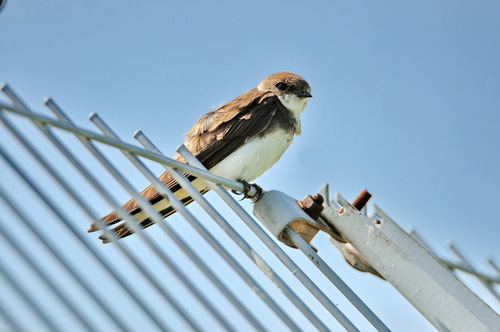
ショウドウツバメ (Riparia riparia) ショウドウツバメ
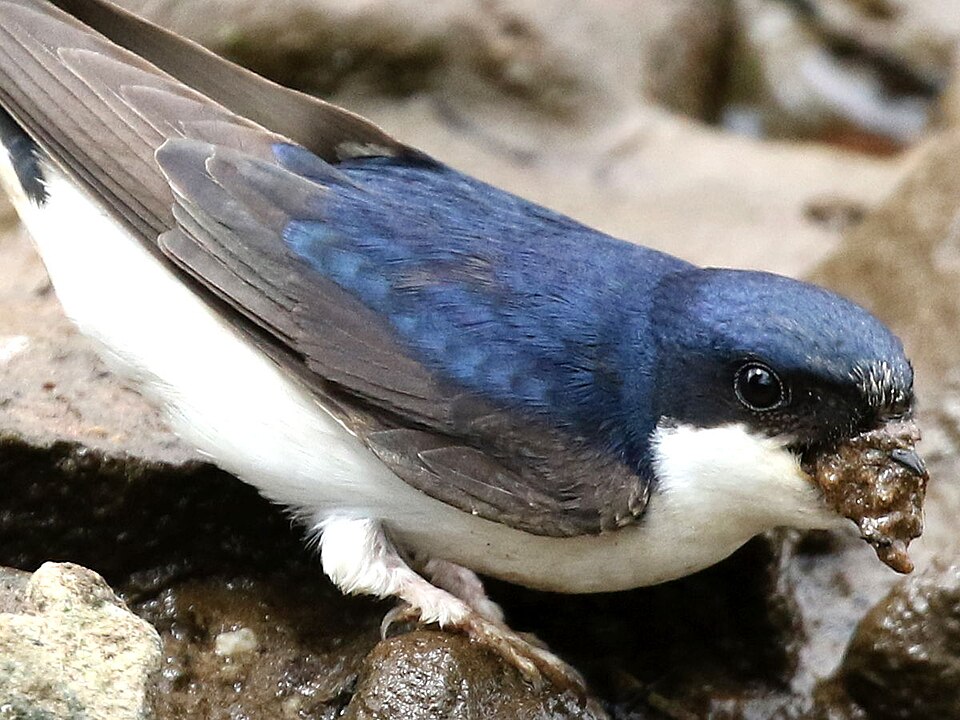
ニシイワツバメ(urbicum/meridionale) (Delichon urbicum) ニシイワツバメ(urbicum/meridionale)

メディア

読み込み中…

要点

サンドマーチンとニシイワツバメを区別する最も信頼できる方法は、腹部と尾羽の模様によるものです:サンドマーチンは常に狭い茶色の胸帯と茶色の上面を示しますが、ニシイワツバメは下部が真っ白で、明るい白い尾羽と光沢のある青黒い上面を持っています。飛行中、ニシイワツバメの白い尾羽は目立ち、サンドマーチンには存在しません。幼鳥のサンドマーチンは赤褐色の縁取りのある翼覆いを持ち、幼鳥のニシイワツバメはすすけた黒で、いくつかの白い先端を持つ覆いがあります。どちらも小さなツバメですが、サンドマーチンはわずかに小さく、スリムで、よりひらひらとした、ぎこちない飛行をします。特に胸帯と尾羽の色に注意してください。これらはほとんどの角度と年齢で見ることができます。

識別のコツ

  1. Breast Band: サンドマーチンは常に白い下部に狭い茶色の胸帯を示します—これはすべての年齢と季節において最も信頼できるマークです。ニシイワツバメには胸帯がなく、下部は純白です。
  2. Rump Color: ニシイワツバメは明るい白い尾羽を持ち、飛行中や上から、後ろから非常に目立ちます。サンドマーチンの尾羽は茶色で、背中と一致します。
  3. Upperparts Color: サンドマーチンは上面が均一に茶色です;ニシイワツバメは上面が光沢のある青黒(成鳥)またはすすけた黒(幼鳥)で、白い尾羽とのコントラストが鮮明です。
  4. Juvenile Wing Coverts: 幼鳥のサンドマーチンは翼覆いに赤褐色の先端と赤褐色の縁を持っています。幼鳥のニシイワツバメは一部の覆いと羽軸に白い先端と縁を持っていますが、赤褐色ではありません。
  5. Underwing Color: ニシイワツバメは白い下翼を持ち、脚には白い羽毛があります;サンドマーチンの下翼は無地で、茶色の上面と一致します。
  6. Tail Shape: ニシイワツバメの尾はわずかに深く分かれていますが、これは微妙で、距離があるときには常に信頼できるわけではありません。
  7. Flight Style: サンドマーチンは速く、ぎこちなく、ひらひらとした飛行をし、水面近くを飛ぶことが多いです。ニシイワツバメの飛行はより浮遊感があり、滑らかで、速く均一な羽ばたきをします。
  8. Size and Structure: サンドマーチンはわずかに小さく、スリムで、より繊細な体型をしています。ニシイワツバメは特に頭部や体の周りががっしりしています。
  9. Leg Color and Feathering: ニシイワツバメは脚の部分が露出しているピンク色の足を持ち、脚には白い羽毛があります。サンドマーチンの脚は茶色で、羽毛がありません。
  10. Bill: 両方とも小さな黒いくちばしを持ち、区別するための有用なフィールドマークではありません。
  11. Habitat Context: 繁殖期には、サンドマーチンはほぼ常に水辺の砂地の岸や崖の近くにいます;ニシイワツバメは通常、建物や崖の近くに見られ、しばしば都市や郊外の環境にいます。
  12. Perched Birds: 側に止まっているときは、胸帯(サンドマーチン)と白い尾羽(ニシイワツバメ、特に尾が広がっているか、鳥が羽繕いしている場合)を探してください。
  13. Flock Composition: 混合群れが発生することがありますが、特に移動中は、サンドマーチンは水面上を低く飛ぶ密集した群れにいる可能性が高く、ニシイワツバメは建物の近くで緩く高く飛ぶ群れを形成することが多いです。
  14. Voice: サンドマーチンの砂利のようなツイッターは、よく聞こえれば特徴的ですが、混合群れの中でニシイワツバメの柔らかいツイッターと区別するのは必ずしも容易ではありません。
  15. Pitfalls: 幼鳥のニシイワツバメは上面が鈍く見えることがありますが、胸帯や茶色の尾羽は決して示しません。幼鳥のサンドマーチンは下部がより淡く見えることがありますが、常に胸帯と茶色の上面を持っています。

大きさ

サンドマーチンはニシイワツバメよりもわずかに小さく、軽いです。サンドマーチンの長さは12〜13 cm、翼幅は26.5〜29 cm、体重は11〜16 g(時には移動前に19.5 gまで)です。ニシイワツバメは約13 cmの長さで、翼幅は26〜29 cm、平均体重は18.3 gです。フィールドでは、このサイズの違いは微妙で、常に信頼できるわけではありませんが、サンドマーチンはしばしばスリムで繊細に見え、ニシイワツバメは特に頭部や体の周りががっしりして見えることがあります。

羽色

幼鳥と未成熟の鳥は混乱の一般的な原因です。幼鳥のサンドマーチンは翼覆いに赤褐色の先端と赤褐色の縁を持っていますが、常に診断的な茶色の胸帯と茶色の上面を保持しています。幼鳥のニシイワツバメは上面がすすけた黒で、翼覆いと羽軸にいくつかの白い先端と縁を持っていますが、胸帯は決して示しません;彼らの下部と尾羽は白です。すべての羽色において、サンドマーチンは上面が茶色で、喉と腹が白く、狭い茶色の胸帯を持っています。ニシイワツバメは上面が光沢のある青黒(成鳥)で、明るい白い尾羽、純白の下部と下翼、そして脚には白い羽毛があります。白い尾羽は特に飛行中に目立ち、サンドマーチンには決して存在しません。ニシイワツバメの尾はわずかに深く分かれており、白い下翼は良い光の中で有用なマークです。サンドマーチンの茶色の胸帯は、これら二つの中で独特で、すべての年齢と季節に存在します。

行動

サンドマーチンは速く、ぎこちなく、ひらひらとした飛行をし、水面や開けた地面の近くを飛ぶことが多く、一般的にニシイワツバメよりも敏捷で直接的ではありません。ニシイワツバメはより浮遊感があり、滑らかな飛行をし、速い羽ばたき(平均5.3回/秒)を持ち、しばしば高い場所や建物の周りで餌を探します。両種は社会的で、混合群れで見られることがありますが、ニシイワツバメは繁殖期に人間の居住地の近くで見つかる可能性が高く、軒下に泥の巣を作ります。サンドマーチンは水の近くの砂地の岸にコロニーで巣を作ります。

生息環境

サンドマーチンは通常水の近くの砂地や土の岸にコロニーで繁殖し、建物の近くで見つかる可能性は低いです。ニシイワツバメはより都市的または郊外的で、建物や他の構造物、崖で繁殖し、町や村でよく見られます。両種は渡り鳥で、移動中に一緒に見られることがありますが、繁殖地は通常異なります。

声

サンドマーチンは飛行中に連続的で砂利のようなツイッターを出し、止まっているときにはより柔らかい会話のような音になります。彼の警戒音は厳しく、捕食者に対して使用されます。ニシイワツバメの声は提供されたメモに詳細に記載されていませんが、一般的にヒルンディンに典型的な柔らかく、より音楽的なツイッターを出します。音声はフィールドでこれら二つを区別するための最も信頼できる方法ではありません。

より良い説明を送る

比較と同じ項目を使ってください。文章はすぐに公開されます。

The most reliable way to separate Sand Martin from Western House Martin is by their underpart and rump pattern: Sand Martin always shows a narrow brown breast band and brown upperparts, while Western House Martin is clean white below with a bright white rump and glossy blue-black upperparts. In flight, the white rump of the House Martin is conspicuous and never present on Sand Martin. Juvenile Sand Martins have rufous-edged wing coverts, while juvenile House Martins are sooty black with some white-tipped coverts. Both are small swallows, but Sand Martin is slightly smaller and slimmer, with a more fluttery, jerky flight. Watch especially for the breast band and rump color, as these are visible at most angles and ages.

  1. Breast Band: Sand Martin always shows a narrow brown breast band across otherwise white underparts—this is the single most reliable mark at all ages and seasons. House Martin never has a breast band; its underparts are pure white.
  2. Rump Color: House Martin has a bright white rump, very obvious in flight and from above or behind. Sand Martin's rump is brown, matching the back.
  3. Upperparts Color: Sand Martin is uniformly brown above; House Martin is glossy blue-black above (adults) or sooty black (juveniles), with a sharp contrast to the white rump.
  4. Juvenile Wing Coverts: Juvenile Sand Martins have rufous tips to the wing coverts and rufous margins to the secondaries. Juvenile House Martins have white tips and edgings to some coverts and quills, but not rufous.
  5. Underwing Color: House Martin has white underwings and even white feathering on the legs; Sand Martin's underwing is plain and matches the brown upperparts.
  6. Tail Shape: House Martin's tail is slightly more deeply forked, but this is subtle and not always reliable at a distance.
  7. Flight Style: Sand Martin has a quick, jerky, fluttering flight, often low over water. House Martin's flight is more buoyant and gliding, with rapid, even wingbeats.
  8. Size and Structure: Sand Martin is slightly smaller and slimmer, with a more delicate build. House Martin is chunkier, especially around the head and body.
  9. Leg Color and Feathering: House Martin has pink toes and exposed leg parts, with white downy feathering on the legs. Sand Martin's legs are brown and unfeathered.
  10. Bill: Both have small black bills, not a useful field mark for separation.
  11. Habitat Context: In the breeding season, Sand Martin is almost always near sandy banks or cliffs by water; House Martin is usually found near buildings or on cliffs, often in urban or suburban settings.
  12. Perched Birds: When perched, look for the breast band (Sand Martin) and the white rump (House Martin, especially if the tail is spread or the bird is preening).
  13. Flock Composition: Mixed flocks can occur, especially on migration, but Sand Martins are more likely to be in tight, low-flying groups over water, while House Martins often form loose, high-flying groups near buildings.
  14. Voice: Sand Martin's gravelly twitter is distinctive if heard well, but not always easy to separate from House Martin's softer twitter in mixed flocks.
  15. Pitfalls: Juvenile House Martins can look dull above but never show a breast band or brown rump. Juvenile Sand Martins may appear paler below but always have the breast band and brown upperparts.

Sand Martin is slightly smaller and lighter than Western House Martin. Sand Martin measures 12–13 cm in length, with a wingspan of 26.5–29 cm and weight of 11–16 g (occasionally up to 19.5 g pre-migration). Western House Martin is about 13 cm long, with a wingspan of 26–29 cm and a heavier average weight of 18.3 g. In the field, this size difference is subtle and not always reliable, but Sand Martin often appears slimmer and more delicate, while House Martin can look chunkier, especially around the head and body.

Juvenile and immature birds are a common source of confusion. Juvenile Sand Martins have rufous tips to their wing coverts and rufous margins to the secondaries, but always retain the diagnostic brown breast band and brown upperparts. Juvenile House Martins are sooty black above, with some white tips and edgings to the wing coverts and quills, but never show a breast band; their underparts and rump are white. In all plumages, Sand Martin is brown above with a white throat and belly, and a narrow brown breast band. Western House Martin is glossy blue-black above (adults), with a bright white rump, pure white underparts and underwings, and even white feathering on the legs. The white rump is especially visible in flight and is never present on Sand Martin. The House Martin's tail is slightly more deeply forked, and the white underwing is a useful mark in good light. The brown breast band of Sand Martin is unique among these two, present at all ages and seasons.

Sand Martin tends to have a quick, jerky, fluttering flight, often low over water or open ground, and is generally more agile and less direct than House Martin. Western House Martin has a more buoyant, gliding flight, with rapid wingbeats (averaging 5.3 beats per second), and often forages higher or around buildings. Both species are social and may be seen in mixed flocks, but House Martins are more likely to be found near human habitation, especially during breeding season, where they build mud nests under eaves. Sand Martins nest in colonies in sandy banks, often near water.

Sand Martin breeds in colonies in sandy or earthen banks, usually near water, and is less likely to be found close to buildings. Western House Martin is more urban or suburban, breeding on buildings and other structures, as well as cliffs, and is often seen in towns and villages. Both species are migratory and may occur together on migration, but their breeding habitats are usually distinct.

Sand Martin gives a continuous, gravelly twittering in flight, which becomes a softer conversational undertone when perched. Its alarm call is harsh and used in response to predators. Western House Martin's voice is not described in detail in the provided notes, but it generally gives a softer, more musical twittering typical of hirundines. Vocalizations are not the most reliable way to separate these two in the field.

変更を破棄しますか?

保存していない編集があります。今離れると失われます。

ショウドウツバメ · ニシイワツバメ(urbicum/meridionale) · 苦手な鳥