

Motmot

ショウドウツバメ 対 Rock Martin

Riparia riparia 対 Ptyonoprogne fuligula

ショウドウツバメとRock Martinのクイズ
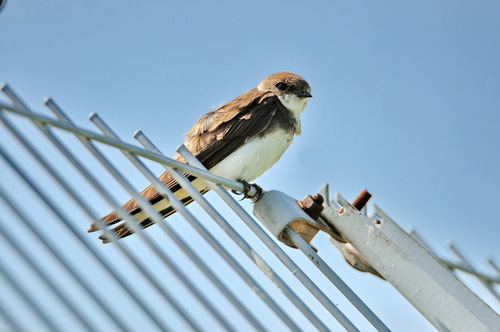
ショウドウツバメ (Riparia riparia) ショウドウツバメ
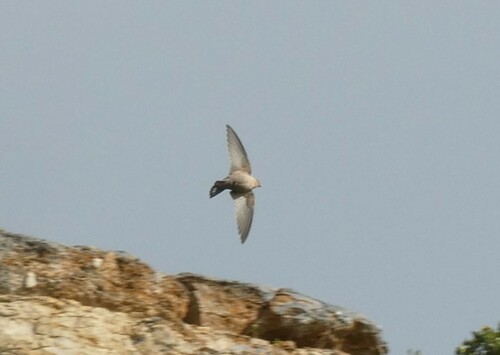
Rock Martin (Ptyonoprogne fuligula) Rock Martin

メディア

読み込み中…

要点

ショウドウツバメとRock Martinを区別する最も信頼できるフィールドマークは、ショウドウツバメに存在する鋭く暗い胸の帯であり、これはすべての年齢のRock Martinには存在しません。幼鳥のショウドウツバメは、赤褐色の縁取りのある翼覆いを示しますが、幼鳥のRock Martinは上面と飛行羽に淡い縁取りがあります。飛行中、Rock Martinは尾羽の先端近くに小さな白い「窓」を示し、ショウドウツバメにはこれが欠けています。ショウドウツバメは小さく、細身で、通常は水上を速く、ぎくしゃくした飛行で見られますが、Rock Martinはより頑丈で、遅い滑空飛行をし、水から遠く離れた場所、特に岩の多い場所や都市部で見られることが多いです。

識別のコツ

  1. Breast band (all ages): ショウドウツバメは常に白い背景に対して明確で狭い茶色の胸の帯を示します; Rock Martinは胸の帯を持たず、均一な茶色またはシナモン色の喉と胸を示します。
  2. Juvenile wing coverts: 幼鳥のショウドウツバメは赤褐色の縁取りのある覆いと第二次羽を持ち、上翼に暖かく鱗状の外観を与えます; Rock Martinの幼鳥は淡い(赤褐色ではない)縁取りを持ち、より冷たく対照的でないように見えます。
  3. Tail pattern in flight: Rock Martinは尾羽の先端近くに小さな白い「窓」を示します(中央と最外側のペアを除く)、尾が広げられたときに見えます; ショウドウツバメは尾に白を欠いています。
  4. Underparts color: ショウドウツバメは下が清潔な白です(胸の帯を除く); Rock Martinは下が茶色またはシナモン色で、決して純白ではありません。
  5. Throat color: ショウドウツバメは白い喉を持っています; Rock Martinはシナモン色または茶色の喉と顎を持ち、胸に溶け込んでいます。
  6. Size and structure: ショウドウツバメは小さく、細身で、より繊細です; Rock Martinはわずかに大きく、より頑丈で、体と頭が重いです。
  7. Tail shape: ショウドウツバメの尾はわずかに分かれています; Rock Martinの尾は短く、四角で、特に止まっているときに明らかです。
  8. Flight style: ショウドウツバメは速く、ぎくしゃくした、ひらひらした飛行をし、しばしば水上を低く飛びます; Rock Martinはより遅く飛び、急速な羽ばたきと滑空を交互に行い、しばしば崖や建物に沿って飛びます。
  9. Habitat: ショウドウツバメはほぼ常に水の近くにいます; Rock Martinはしばしば水から遠く、岩の多い場所や都市のサイトを好みます。
  10. Sociality: ショウドウツバメは群れを成し、大きな群れで見られることが多いです; Rock Martinはより孤独で、少数のグループで見られます。
  11. Voice: ショウドウツバメはざらざらした連続的なツイッターを持っています; Rock Martinの鳴き声は柔らかく、 muffledなツイッターと高音の音を含みます。
  12. Bill and legs: 両者は小さく黒っぽいくちばしと茶色の脚を持っています; 有用な区別点ではありません。
  13. Sex differences: 両種は性別間で似ています; IDには年齢と羽毛を使用し、性別は使用しません。
  14. Seasonal context: 南部アフリカでは、ショウドウツバメは通過する移動者または珍しい訪問者であり、ほぼ常に水の近くにいます; Rock Martinは岩の多いまたは都市の生息地に広く分布しています。
  15. Pitfalls: 幼鳥の羽毛に注意してください—覆いの縁の色(Sandでは赤褐色、Rockでは淡い)と胸の帯の有無に焦点を当ててください。薄暗い光の中では、Rock Martinの下部はより淡く見えることがありますが、決してショウドウツバメのように白くは見えません。

大きさ

ショウドウツバメは小さな種で、長さは12〜13 cm、体重は11〜16 g(時には移動前に19.5 gまで)です [wikipedia]。Rock Martinはわずかに大きく、より頑丈で、長さは12〜15 cmですが、重なりがあるため、サイズだけでは常に診断的ではありません。直接比較すると、Rock Martinは特に体と頭がより大きく、よりしっかりとした印象を与えます。

羽色

行動

ショウドウツバメは非常に群れを成し、水の近くで特に見られることが多く、速く、ぎくしゃくした、ひらひらした飛行をします。Rock Martinはより孤独で、少数のグループで見られ、しばしば単独で繁殖するか、緩やかな集団で繁殖します。その飛行は遅く、急速な羽ばたきと滑空が交互に行われ、崖の面や建物に沿って狩りをしているのが見られることが多く、水から遠く離れていることもあります。Rock Martinは大きな群れで見られることは少ないです。

生息環境

ショウドウツバメは水と強く関連しており、川、湖、砂洲の近くで繁殖し、餌を取ります。水から遠く離れていることはほとんどありません。対照的に、Rock Martinは岩の多い地域、崖、都市の構造の鳥であり、水から遠く離れていることが多いです。南部アフリカでは、Rock Martinは乾燥した岩の多いまたは都市の生息地でのデフォルトの小さな茶色のツバメであり、ショウドウツバメは通過する移動者または珍しい訪問者であり、通常は水の近くにいます。

声

ショウドウツバメは飛行中に連続的なざらざらしたツイッターを出し、脅かされたときには厳しい警報音を出します。Rock Martinの歌は muffledなツイッターで、鳴き声には「trrt」(House Martinのように)、鼻にかかった「vick」、高音の「twee」が含まれます。両者は一般的に静かですが、ショウドウツバメの鳴き声は飛行中により厳しく、持続的であり、Rock Martinの鳴き声は柔らかく、頻度が少ないです。

より良い説明を送る

比較と同じ項目を使ってください。文章はすぐに公開されます。

The most reliable field mark to separate Sand Martin from Rock Martin is the presence of a sharp, dark breast band on the Sand Martin, which is absent in Rock Martin of all ages. Juvenile Sand Martins also show rufous-edged wing coverts, while juvenile Rock Martins have pale fringes to the upperparts and flight feathers. In flight, Rock Martin shows small white 'windows' near the tips of the tail feathers, lacking in Sand Martin. Sand Martin is smaller, slimmer, and typically seen in fast, jerky flight over water, while Rock Martin is more robust, with slower, gliding flight, and is often found far from water, especially in rocky or urban settings.

  1. Breast band (all ages): Sand Martin always shows a distinct, narrow brown breast band on a white background; Rock Martin never has a breast band, instead showing a uniform brown or cinnamon-washed throat and breast.
  2. Juvenile wing coverts: Juvenile Sand Martins have rufous-edged coverts and secondaries, giving a warm, scaly look to the upperwing; Rock Martin juveniles have pale (not rufous) fringes, which look colder and less contrasting.
  3. Tail pattern in flight: Rock Martin shows small white 'windows' near the tips of the tail feathers (except central and outermost pairs), visible when tail is spread; Sand Martin lacks any white in the tail.
  4. Underparts color: Sand Martin is clean white below (apart from breast band); Rock Martin is brownish or cinnamon below, never pure white.
  5. Throat color: Sand Martin has a white throat; Rock Martin has a cinnamon or brownish throat and chin, blending into the breast.
  6. Size and structure: Sand Martin is smaller, slimmer, and more delicate; Rock Martin is slightly larger, more robust, with a heavier body and head.
  7. Tail shape: Sand Martin's tail is slightly forked; Rock Martin's tail is short and square, especially obvious when perched.
  8. Flight style: Sand Martin has a quick, jerky, fluttery flight, often low over water; Rock Martin flies more slowly, with bursts of rapid wingbeats and glides, often along cliffs or buildings.
  9. Habitat: Sand Martin is almost always near water; Rock Martin is often far from water, favoring rocky or urban sites.
  10. Sociality: Sand Martin is gregarious, often in large flocks; Rock Martin is more solitary or in small groups.
  11. Voice: Sand Martin has a gravelly, continuous twitter; Rock Martin's calls are softer, with a muffled twitter and high-pitched notes.
  12. Bill and legs: Both have small, blackish bills and brownish legs; not a useful separation point.
  13. Sex differences: Both species are similar between sexes; use age and plumage, not sex, for ID.
  14. Seasonal context: In southern Africa, Sand Martin is a passage migrant or rare visitor, almost always near water; Rock Martin is resident and widespread in rocky or urban habitats.
  15. Pitfalls: Beware of juvenile plumages—focus on the color of covert fringes (rufous in Sand, pale in Rock) and the presence/absence of the breast band. In poor light, Rock Martin's underparts can look paler, but never as white as Sand Martin.

Sand Martin is the smaller species, measuring 12–13 cm in length and weighing 11–16 g (occasionally up to 19.5 g before migration) [wikipedia]. Rock Martin is slightly larger and more robust, at 12–15 cm in length, but the overlap means size alone is not always diagnostic. In direct comparison, Rock Martin appears bulkier and more solid, especially in the body and head.

  • Juvenile/immature birds: Sand Martin juveniles have rufous tips to the wing coverts and rufous margins to the secondaries, creating a warmer, subtly 'scaly' look on the upperwing. Rock Martin juveniles instead show pale (not rufous) fringes to the upperparts and flight feathers, giving a colder, more washed-out impression.
  • Adults: Sand Martin is brown above, white below, with a crisp, narrow brown breast band and white throat. Rock Martin is earth-brown above and below, with a cinnamon throat, chin, and upper breast, and underwing coverts also tinged cinnamon. The rest of the underparts are brown, not white, and there is no breast band. In flight, Rock Martin shows small white patches ('windows') near the tips of all but the central and outermost tail feathers, a feature absent in Sand Martin. Sand Martin never shows white in the tail.
  • Tail: Sand Martin has a short, slightly forked tail with no white spots. Rock Martin's tail is short and square, with white spots visible in flight.
  • Sexes: Both species are similar between sexes; plumage marks apply to all adults.

Sand Martin is highly gregarious, often seen in flocks, especially near water, with a fast, jerky, fluttering flight. Rock Martin is more solitary or in small groups, often breeding alone or in loose aggregations. Its flight is slower, with rapid wingbeats interspersed with glides, and it is more likely to be seen hunting along cliff faces or buildings, sometimes far from water. Rock Martin is less likely to be seen in large flocks.

Sand Martin is strongly associated with water, breeding and feeding near rivers, lakes, and sandbanks. It is rarely found far from water. Rock Martin, in contrast, is a bird of rocky areas, cliffs, and urban structures, and is often encountered far from water. In southern Africa, Rock Martin is the default small brown swallow in dry, rocky, or urban habitats, while Sand Martin is a passage migrant or rare visitor, usually near water.

Sand Martin gives a continuous gravelly twitter in flight, with a harsh alarm call when threatened. Rock Martin's song is a muffled twitter, with calls including a 'trrt' (like House Martin), a nasal 'vick', and a high-pitched 'twee'. Both are generally quiet, but Sand Martin's calls are harsher and more persistent in flight, while Rock Martin's are softer and less frequent.

変更を破棄しますか?

保存していない編集があります。今離れると失われます。

ショウドウツバメ · Rock Martin · 苦手な鳥