

Motmot

ワキスジハヤブサ 対 ハヤブサ

Falco cherrug 対 Falco peregrinus

ワキスジハヤブサとハヤブサのクイズ
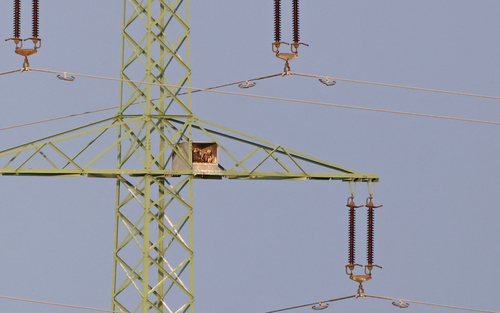
ワキスジハヤブサ (Falco cherrug) ワキスジハヤブサ
ハヤブサ (Falco peregrinus) ハヤブサ

メディア

読み込み中…

要点

サケハヤブサとハヤブサの最も信頼できるフィールドマークは、全体の色合いと頭のパターンです:サケは大きく、頑丈で、茶色がかったハヤブサで、淡い縞模様があり、ハヤブサの強い黒いフードと大胆な口ひげが欠けています。ハヤブサはよりコンパクトで、青灰色の背中、鮮明な黒いフード、そして明確な横縞があります。幼鳥のサケは成鳥よりも暗く、より強く縞模様が入っていますが、決してクラシックなハヤブサの顔のパターンを示すことはありません。飛行中、サケは翼が広く、重く見え、ハヤブサはよりコンパクトで尖っています。両者は距離があると混同されることがありますが、特に未熟な個体では、構造と頭のパターンに注意を払うことで通常は識別できます。

識別のコツ

  1. Head pattern is key: ハヤブサはすべての年齢で大胆な黒いフードと太い口ひげを示します;サケは常によりシンプルで淡い頭を持ち、強い顔のマーキングはありません。
  2. Overall color: サケは上面が茶色がかっているか砂色で、腹部は縞模様があります;ハヤブサは上面が青灰色で、腹部は細かく横縞があります(成鳥)またはより均一です(幼鳥)。
  3. Size and build: サケは大きく、重く、頑丈で、翼が広く、より強力な体型を持っています;ハヤブサはよりコンパクトで尖っており、特に飛行中です。
  4. Juvenile confusion: 若いサケはより暗く、より強く縞模様が入っていますが、ハヤブサの幼鳥の鋭い顔のパターンは欠けています。ハヤブサの幼鳥はすでにマスクと口ひげを示しています。
  5. Flight silhouette: サケの翼はハヤブサよりも広く、尖っていません;水平飛行中、サケはより重く、より「引きずる」ように見え、ハヤブサはよりスリムで機敏です。
  6. Perched posture: サケはしばしば止まり木の上でより直立して見え、頭が大きく、体が頑丈です;ハヤブサはよりコンパクトで低く座ります。
  7. Habitat clues: サケは広い開けた草原や草地を好みます;ハヤブサは崖や都市を含む多様な開けた生息地にいる可能性が高いです。
  8. Voice: 聞こえた場合、サケの「キィー」または「キャクキャクキャク」は特徴的ですが、これらの種のフィールドでの音声は診断的であることは稀です。
  9. Sexual dimorphism: 両種とも雌が雄よりも大きいですが、サケの雌は特に大きいです;大きな雌のハヤブサと小さな雄のサケのサイズの重複に注意してください。
  10. Plumage variability: サケは羽毛において非常に変動が大きいですが、決してハヤブサの鮮明で清潔な横縞や顔のパターンを示しません。
  11. Geographic context: 古生代では、サケは東部や開けた草原にいる可能性が高いです;ハヤブサは広範囲に分布し、都市や沿岸地域を含みます。
  12. Migration timing: サケの幼鳥は移動する可能性が高いですが、成鳥はしばしば定住しています。ハヤブサは特に北部の個体群で広範囲に移動します。
  13. Behavioral jizz: サケはしばしば遅く、重い翼の打撃で飛び、劇的な急降下は少ないです;ハヤブサは高速の急降下と機敏な追跡で有名です。
  14. Pitfalls: 遠距離では、両者は形状やサイズが似て見えることがあります、特に未熟な個体では;常に頭と腹部の明確な視界を試みてください。
  15. No distinctive wing panels: どちらの種も、独特の幼鳥の上翼パネルや後縁のマークを示さないため、この特徴に頼って識別しないでください。

大きさ

サケハヤブサはハヤブサよりも明らかに大きく、頑丈です。サケは体重が約1000g([wikidata])で、雌は最大1300gに達し、ほぼギャーファルコンと同じ大きさです。ハヤブサはカラスサイズで、よりコンパクトで、雌は雄よりも大きいですが、それでもサケよりも明らかに小さく、軽いです。フィールドでは、サケのサイズは止まっているときや他の猛禽類と並んでいるときに最も明らかですが、単独の鳥は直接比較しない限りサイズを判断するのが難しいことに注意してください。

羽色

幼鳥のサケハヤブサは全体的に暗く、より強く縞模様が入っており、茶色がかったトーンと変動する羽毛を持っていますが、ハヤブサの清潔で鮮明な顔のパターンは決して示しません。サケはすべての年齢のハヤブサに特有の強い黒いフードと大胆な口ひげのストライプを欠いています。成鳥のサケはより淡く、しばしば砂色または茶色がかった上面を持ち、腹部は縞模様がありますが、成鳥のハヤブサは上面が青灰色で、下部には明確な横縞があり、目を引く黒い頭を持っています。すべての年齢において、ハヤブサの顔は鋭くマーキングされていますが、サケの顔はよりシンプルで拡散しています。どちらの種についても、独特の幼鳥の翼パネルや後縁のマークについての言及はありませんので、年齢に関連する違いについては体と頭のパターンに焦点を当ててください。

行動

両種は強力な空中ハンターですが、サケは開けた草原や草地で狩りをする可能性が高く、しばしば水平飛行で獲物を追いかけます。一方、ハヤブサは特に開けた水域、湿地、都市地域での高度からの高速急降下で有名です。ハヤブサは劇的な急降下で鳥を狩るのがより一般的ですが、サケの狩りのスタイルはより直接的で、垂直の急降下に依存しません。両者は開けた国で止まっているのを見ることができますが、サケはより重く、より直立して見える傾向があります。

生息環境

サケハヤブサは中央ヨーロッパから東アジアにかけて、開けた草原、草地、半砂漠で繁殖し、広く木のない広がりを好みます。ハヤブサははるかにコスモポリタンで、崖、海岸、都市、湿地、ツンドラを含むさまざまな開けた生息地に見られます。ヨーロッパとアジアでは、サケは開けた国により制限される傾向がありますが、ハヤブサは適切な狩りの止まり木と獲物があればほぼどこにでも現れます。移動中に重複が発生することがありますが、生息地の文脈が役立つことがあります:広大な開けた草原にいるサケ、より多様または都市的な環境にいるハヤブサ。

声

サケハヤブサは鋭い「キィー」または繰り返しの「キャクキャクキャク」と呼ぶ声を出します。ハヤブサの声は提供されたメモには記載されていないため、ここでは診断的ではありません。

より良い説明を送る

比較と同じ項目を使ってください。文章はすぐに公開されます。

The most reliable field mark between Saker Falcon and Peregrine Falcon is overall coloration and head pattern: Saker is a large, heavily built, brownish falcon with a pale, streaked look and lacks the strong black hood and bold moustache of Peregrine. Peregrine is more compact, with a blue-grey back, crisp black hood, and clear barring below. Juvenile Sakers are darker and more heavily streaked than adults, but never show the classic Peregrine face pattern. In flight, Saker appears broader-winged and heavier, while Peregrine is more compact and pointed. Both can be confused at a distance, especially immatures, but careful attention to structure and head pattern usually resolves the ID.

  1. Head pattern is key: Peregrine of all ages shows a bold black hood and thick moustache; Saker always has a plainer, paler head with no strong facial markings.
  2. Overall color: Saker is brownish or sandy above, with streaked underparts; Peregrine is blue-grey above with finely barred underparts (adults) or more uniform below (juveniles).
  3. Size and build: Saker is larger, heavier, and bulkier, with broader wings and a more powerful jizz; Peregrine is more compact and pointed, especially in flight.
  4. Juvenile confusion: Young Sakers are darker and more heavily streaked, but still lack the sharp face pattern of Peregrine juveniles, which already show the mask and moustache.
  5. Flight silhouette: Saker's wings are broader and less pointed than Peregrine's; in level flight, Saker looks heavier and more 'draggy', while Peregrine is sleeker and more agile.
  6. Perched posture: Saker often appears more upright and massive on a perch, with a larger head and bulkier body; Peregrine is more compact and sits lower.
  7. Habitat clues: Saker prefers wide open steppe and grassland; Peregrine is more likely in varied open habitats, including cliffs and cities.
  8. Voice: If heard, Saker's 'kiy-ee' or 'kyak-kyak-kyak' is distinctive, but vocalizations are rarely diagnostic in the field for these species.
  9. Sexual dimorphism: Both species show females larger than males, but Saker females are especially massive; beware overlap in size with large female Peregrines and small male Sakers.
  10. Plumage variability: Saker is highly variable in plumage, but never shows the crisp, clean barring and face pattern of Peregrine.
  11. Geographic context: In the Palearctic, Saker is more likely in the east and in open steppe; Peregrine is widespread, including urban and coastal areas.
  12. Migration timing: Saker juveniles are more likely to migrate; adults are often resident. Peregrine migrates widely, especially in northern populations.
  13. Behavioral jizz: Saker often flies with slower, heavier wingbeats and less dramatic stoops; Peregrine is famous for high-speed dives and agile pursuits.
  14. Pitfalls: At long range, both can appear similar in shape and size, especially immatures; always try for a clear view of the head and underparts.
  15. No distinctive wing panels: Neither species shows a unique juvenile upperwing panel or trailing edge mark in the sources, so do not rely on this feature for separation.

Saker Falcon is distinctly larger and more robust than Peregrine Falcon. Saker averages about 1000 g in body mass ([wikidata]), with females reaching up to 1300 g, making it nearly as large as a Gyrfalcon. Peregrine is crow-sized and more compact, with females being larger than males but still noticeably smaller and lighter than Saker. In the field, Saker's size is most apparent when perched or seen alongside other raptors, but beware that lone birds can be hard to judge for size unless directly compared.

Juvenile Saker Falcons are darker and more heavily streaked overall, with a brownish tone and variable plumage, but they never show the clean, crisp facial pattern of Peregrine. Saker lacks the strong black hood and bold moustachial stripe that is diagnostic for Peregrine of all ages. Adult Saker is paler, often sandy or brownish above with streaked underparts, while Peregrine adults are blue-grey above with clear, horizontal barring below and a striking black head. In all ages, Peregrine's face is sharply marked, while Saker's is plainer and more diffuse. There is no mention of distinctive juvenile wing panel or trailing edge marks for either species in the sources, so focus on body and head pattern for age-related differences.

Both species are powerful aerial hunters, but Saker is more likely to hunt over open steppe and grassland, often pursuing prey in level flight, while Peregrine is famous for its high-speed stoops from altitude, especially over open water, marshes, and urban areas. Peregrine is more likely to be seen hunting birds in dramatic dives, while Saker's hunting style is more direct and less reliant on vertical stoops. Both can be seen perched in open country, but Saker tends to look heavier and more upright.

Saker Falcon breeds across open steppe, grassland, and semi-desert from Central Europe to East Asia, favoring wide, treeless expanses. Peregrine Falcon is much more cosmopolitan, found in a range of open habitats including cliffs, coasts, cities, marshes, and tundra. In Europe and Asia, Saker is more restricted to open country, while Peregrine can turn up almost anywhere with suitable hunting perches and prey. Overlap can occur on migration, but habitat context can help: Saker in vast open steppe, Peregrine in more varied or urban settings.

Saker Falcon gives a sharp 'kiy-ee' or repeated 'kyak-kyak-kyak' call. Peregrine's call is not described in the provided notes, so is not diagnostic here.

変更を破棄しますか?

保存していない編集があります。今離れると失われます。

ワキスジハヤブサ · ハヤブサ · 苦手な鳥