

Motmot

ヤマウズラバト 対 テリハウズラバト

Geotrygon montana 対 Geotrygon chrysia

ヤマウズラバトとテリハウズラバトのクイズ
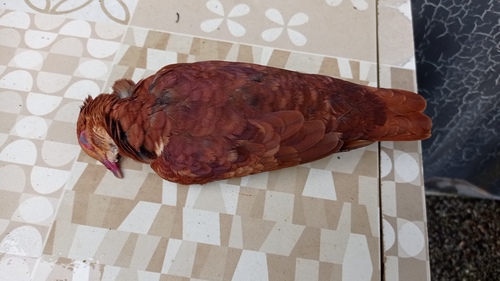
ヤマウズラバト (Geotrygon montana) ヤマウズラバト
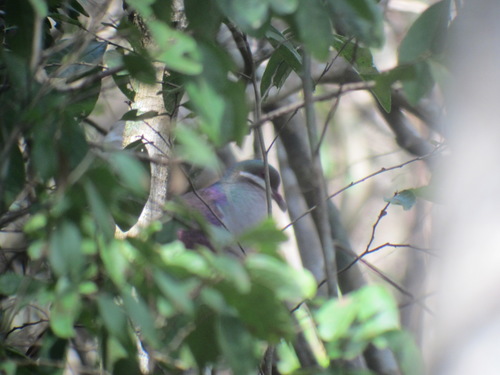
テリハウズラバト (Geotrygon chrysia) テリハウズラバト

メディア

読み込み中…

要点

ヤマウズラバトとテリハウズラバトを区別する最も信頼できるフィールドマークは、テリハウズラバトに見られる虹色の輝きと太い白い顔のストライプの存在であり、ヤマウズラバトにはそれがありません。両者は似たような錆色の背中と翼を持つ地上性のバトですが、テリハウズラバトは頭部と首にアメジストまたは青銅色の虹色の輝きを示し、強い白い顔のストライプがありますが、ヤマウズラバトはより地味で均一な赤褐色です。サイズは重なりますが、テリハウズラバトは一般的に大きくて重いです。薄暗い光や短い視界では、混乱を避けるために顔のパターンと首の虹色の輝きに焦点を当ててください。

識別のコツ

  1. 白い顔のストライプ: テリハウズラバトは常に顔に太い白いストライプを示し、ヤマウズラバトにはそれがありません。これはすべての年齢と条件で最も役立つマークです。
  2. 首と頭部の虹色の輝き: テリハウズラバトの頭部、うなじ、首にアメジストまたは青銅色の光沢を探し、ヤマウズラバトの背中と内翼の覆羽には紫がかった赤の虹色の輝きを探してください。ヤマウズラバトは決して虹色ではなく、常にマットな赤褐色です。
  3. 羽毛の均一性: ヤマウズラバトは背中、翼、顔全体がより均一に錆色で、胸と尾はわずかに明るい色合いです。テリハウズラバトは全体的に暗く、虹色の輝きと白いストライプで分断されています。
  4. 顔のパターン: ヤマウズラバトは地味な赤褐色の顔のマスクと明るい目の下のストライプを持っていますが、これは微妙で、テリハウズラバトの白いストライプほどはっきりしていません。
  5. サイズと構造: テリハウズラバトは大きくて重いですが、サイズの重なりがあるため、これは直接比較や経験がないと役立ちません。
  6. 背中と翼の色: 両種は上面が錆色ですが、テリハウズラバトはより暗く、特に虹色の輝きが光を受けると対照的です。
  7. 胸と尾: ヤマウズラバトの胸と尾は明るい茶色ですが、テリハウズラバトのそれは暗く、赤みがかったまたは紫がかった光沢を示すことがあります。
  8. 飛行時の視界: 特徴的な上翼や飛行パターンの違いは記載されていないため、飛行中でも体の色と顔のパターンに頼ってください。
  9. 幼鳥/未成熟の鳥: 若い鳥には特別なマークは記載されていないため、同じ成鳥のフィールドマークが適用されます。
  10. 鳴き声: 単音のうめき声を聞いた場合はテリハウズラバトを疑ってくださいが、声がないことは役立ちません。
  11. 分布と文脈: 西インド諸島では両者が発生する可能性がありますが、中南米ではヤマウズラバトのみが予想されます。フロリダでは両者が稀ですが、テリハウズラバトの方が漂流者として可能性が高いです。
  12. 照明の落とし穴: 薄暗い光では、テリハウズラバトの虹色の輝きが見えにくいことがありますが、白い顔のストライプは依然として目立つはずです。
  13. 生息地: 両種は密な森林の床を好むため、生息地だけでは区別できません。
  14. 性別と季節: 性別や季節に特有の違いは記載されていないため、年間を通じて同じマークを使用してください。
  15. 一般的な落とし穴: 全体的な錆色やサイズだけに頼らないでください。常に白い顔のストライプと首の虹色の輝きを確認して混乱を避けてください。

大きさ

テリハウズラバトは一般的に2種の中で大きく、長さは27〜31 cm、体重は約169 gです[wikidata]。ヤマウズラバトは小さく、長さは19〜28 cmですが、体重は提供されていません。フィールドでは、この違いは微妙で、両種が一緒に見られない限り明らかではないかもしれませんが、テリハウズラバトは全体的によりがっしりとして長く見える傾向があります。

羽色

どちらの種についても年齢特有の幼鳥や未成熟の上翼パターンは記載されていないため、成鳥と一般的な羽毛に焦点を当てます。ヤマウズラバトは背中、翼、顔のマスクが均一な錆色で、胸、尾、目の下のストライプは明るい茶色です。虹色の輝きはありません。対照的に、テリハウズラバトは暗い錆色の背中と翼を持ちますが、頭部、うなじ、首にアメジストまたは青銅色の虹色の輝きがあり、背中、尾、内翼の覆羽には紫がかった赤の虹色の輝きがあります。テリハウズラバトの太い白い顔のストライプは重要なマークであり、ヤマウズラバトのより控えめで均一な顔と対照的です。両種は錆色の上面を示しますが、虹色の輝きと鮮やかな白い顔のストライプを組み合わせるのはテリハウズラバトだけです。

行動

両種は地上性のバトであり、通常は森林の床で静かに餌を探しています。提供された情報源には診断的な行動の違いは記載されていません。両者は内気で逃げやすく、近距離で驚くことがよくあります。

生息環境

ヤマウズラバトは西インド諸島、中米、熱帯南米全体に広く分布し、フロリダや南テキサスで漂流者として現れることがあります。テリハウズラバトは西インド諸島により局所的で、南フロリダにはめったに迷い込みません。重なり合う地域では、生息地の好みは似ており、両者とも密な森林の下草を好むため、生息地だけでは診断的ではありません。

声

テリハウズラバトは、シロビタイシャコバトに似た単音のうめき声を持っています。ヤマウズラバトについては、ノートに鳴き声の記述は提供されていないため、テリハウズラバトのうめき声が聞こえない限り、声は信頼できる区別要因ではありません。

より良い説明を送る

比較と同じ項目を使ってください。文章はすぐに公開されます。

The most reliable field mark to separate Ruddy Quail-Dove from Key West Quail-Dove is the presence of iridescence and a bold white facial stripe on Key West, which Ruddy lacks. Both are ground-dwelling doves with similar rusty backs and wings, but Key West shows amethyst or bronze-green iridescence on the crown and neck, and a strong white face stripe, while Ruddy is plainer and more uniformly rufous. Size overlaps but Key West is generally larger and heavier. In poor light or brief views, focus on the face pattern and any neck iridescence to avoid confusion.

  1. White facial stripe: Key West Quail-Dove always shows a bold white stripe on the face, which Ruddy Quail-Dove lacks. This is the single most useful mark in all ages and conditions.
  2. Neck and crown iridescence: Look for amethyst or bronze-green gloss on the crown, nape, and neck of Key West, and purplish-red iridescence on the back and inner wing coverts. Ruddy is never iridescent and always matte rufous.
  3. Uniformity of plumage: Ruddy Quail-Dove is more evenly rust-colored across the back, wings, and face, with only a slightly lighter breast and rump. Key West is darker overall and broken up by iridescence and the white stripe.
  4. Face pattern: Ruddy has a plain rufous facial mask and a lighter undereye stripe, but this is subtle and never as bold as the white stripe of Key West.
  5. Size and structure: Key West is larger and heavier, but size overlap means this is only helpful with direct comparison or experience.
  6. Back and wing color: Both species are rusty above, but Key West is darker and more contrasting, especially when iridescence catches the light.
  7. Breast and rump: Ruddy’s breast and rump are lighter brown, while Key West’s are darker and may show a reddish or purplish gloss.
  8. Flight views: No distinctive upperwing or flight pattern differences are described, so rely on body color and face pattern even in flight.
  9. Juvenile/immature birds: No special marks are noted for young birds, so the same adult field marks apply.
  10. Vocalizations: If you hear a single-pitched moan, suspect Key West, but absence of voice is not helpful.
  11. Range and context: In the West Indies, both may occur, but in Central/South America, only Ruddy is expected. In Florida, both are rare, but Key West is the more likely vagrant.
  12. Lighting pitfalls: In poor light, Key West’s iridescence may be hard to see, but the white face stripe should still stand out.
  13. Habitat: Both species prefer dense forest floor, so habitat alone is not a separator.
  14. Sex and season: No sex- or season-specific differences are described, so use the same marks year-round.
  15. Common pitfalls: Do not rely on overall rustiness or size alone; always check for the white facial stripe and any neck iridescence to avoid confusion.

Key West Quail-Dove is generally the larger of the two, with a length of 27–31 cm and a body mass of about 169 g [wikidata]. Ruddy Quail-Dove is smaller, at 19–28 cm in length, though no mass is provided. In the field, this difference is subtle and may not be obvious unless both species are seen together, but Key West tends to look bulkier and longer overall.

No age-specific juvenile or immature upperwing patterns are described for either species, so focus is on adult and general plumage. Ruddy Quail-Dove is a uniform rust color on the back, wings, and facial mask, with a lighter brown breast, rump, and undereye stripe. It lacks any iridescence. Key West Quail-Dove, in contrast, has a dark rust back and wings but is immediately distinctive by its amethyst or bronze-green iridescence on the crown, nape, and neck, as well as purplish-red iridescence on the mantle, back, rump, and inner wing coverts. The bold white facial stripe on Key West is a key mark, contrasting with the more subdued and uniform face of Ruddy. Both species show rusty upperparts, but only Key West combines this with iridescence and a crisp white face stripe.

Both species are ground-dwelling doves, typically foraging quietly on the forest floor. There is no diagnostic behavioral difference noted in the sources provided. Both can be shy and elusive, often flushing at close range.

Ruddy Quail-Dove is widespread throughout the West Indies, Central America, and tropical South America, and can appear as a vagrant in Florida and southern Texas. Key West Quail-Dove is more localized in the West Indies and rarely strays to southern Florida. In areas of overlap, habitat preferences are similar, with both favoring dense forest undergrowth, so habitat alone is not diagnostic.

Key West Quail-Dove has a single-pitched moaning call, similar to that of the White-tipped Dove. No vocal description is provided for Ruddy Quail-Dove in the notes, so voice is not a reliable separator unless the Key West's moan is heard.

変更を破棄しますか?

保存していない編集があります。今離れると失われます。

ヤマウズラバト · テリハウズラバト · 苦手な鳥