

Motmot

バライロムクドリ 対 ムクドリ

Pastor roseus 対 Spodiopsar cineraceus

バライロムクドリとムクドリのクイズ
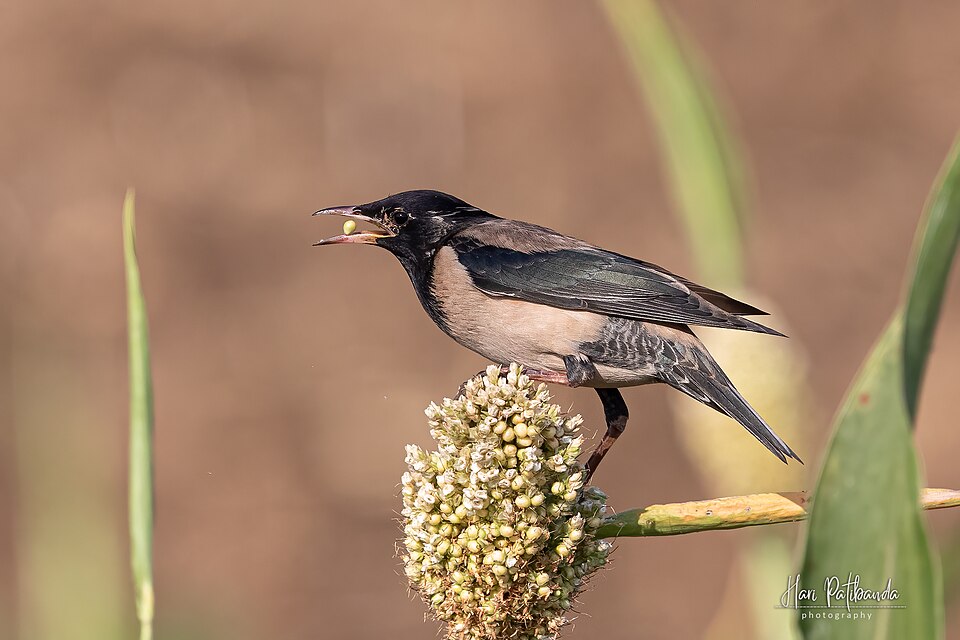
バライロムクドリ (Pastor roseus) バライロムクドリ
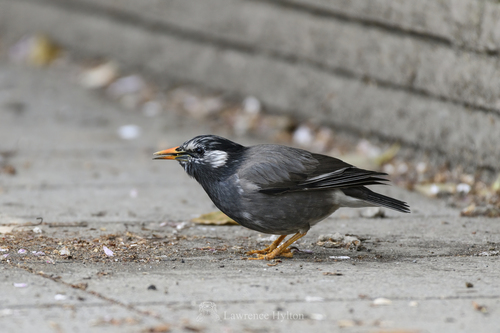
ムクドリ (Spodiopsar cineraceus) ムクドリ

メディア

読み込み中…

要点

バライロムクドリとムクドリの最も信頼できるフィールドマークは、成鳥のバライロムクドリに見られる淡いピンクの体と光沢のある黒い翼と頭に対し、ムクドリの暗い灰褐色の羽毛と大胆な白い頬と尾の存在です。幼鳥は一般的な落とし穴です:若いバライロムクドリは淡いバフブラウンで黄色いくちばしを持ち、幼鳥のムクドリは茶色で淡い頬と尾を持っていますが、黒いくちばしの先端がありません。飛行中、ムクドリは翼と尾に白を示し、バライロムクドリはすべての年齢でそれを欠いています。くちばしの色と顔の模様は、すべての年齢と季節で重要です。

識別のコツ

  1. Juvenile separation: 幼鳥のバライロムクドリは淡いバフブラウンで黄色いくちばしを持ち、翼や尾に白がありません;幼鳥のムクドリは茶色で淡い頬と尾を持ち、くちばしには黒い先端がありません。秋と冬の群れでは顔の模様とくちばしの色に注目してください。
  2. Adult male breeding plumage: バライロムクドリのオスはピンクの体、光沢のある黒い頭、翼、尾、そしてふわふわした冠を持ち、間違いなく識別できます。ムクドリは決してピンクや冠を示しません。
  3. Adult female and non-breeding: メスと非繁殖のバライロムクドリは鈍い色合いで、短い冠とコントラストが少なく、しかし依然としてピンクがかった体と黒い翼を示します。ムクドリのメスは全体的に灰褐色で、白い頬と尾を持ち、決してピンクではありません。
  4. Crest presence: バライロムクドリだけが冠を持ち、繁殖期のオスでは特に明らかですが、メスや非繁殖の鳥にも(短い)冠があります。ムクドリは常に冠を欠いています。
  5. Facial pattern: すべての年齢のムクドリは大胆な白い頬と額を示し、遠くからでも重要なマークです。バライロムクドリには白い頬の斑点はありません。
  6. Bill color: 繁殖期のバライロムクドリでは、くちばしの基部は黒く先端はピンクです;冬には灰色になります。ムクドリはオスではオレンジ色のくちばしに黒い先端を持ち、幼鳥は黒い先端がありません。くちばしの色は近距離での確認に役立ちます。
  7. Wing and tail pattern in flight: ムクドリは二次羽に白を示し、尾の端にも白い縁があります。これは飛行中や止まっているときに見えます。バライロムクドリはすべての年齢で翼や尾に白を欠いています。
  8. Body color: ピンクがかった体(たとえ鈍くても)は常にバライロムクドリを指し示します;灰褐色の体に白いハイライトがあるのはムクドリです。
  9. Leg color: 両種とも淡いオレンジからピンクがかった脚を持ち、信頼できる診断にはなりません。
  10. Size and structure: ムクドリはわずかに大きくてがっしりしていますが、重なりはかなりあります;サポートマークとしてのみ使用してください。
  11. Habitat context: 東アジアの都市公園や庭ではムクドリを期待し、中央アジアやインドの開けた草原や農地、特に大きな群れではバライロムクドリを疑ってください。
  12. Voice: バライロムクドリはさまざまな鳴き声と音を出します;ムクドリの鳴き声は厳しい、きしむ単調です。サポート証拠として使用してください。
  13. Seasonal context: バライロムクドリは強力な移動性を持ち、昆虫の発生がある年にはその核心範囲を大きく超えて出現することがあります;ムクドリは東アジアでの定住者または移動者です。
  14. Pitfalls: 両種の色あせたまたは汚れた幼鳥は遠くから似て見えることがあります;常に顔と翼に白があるか(ムクドリ)全体的に淡く平坦か(バライロムクドリ)を確認してください。

大きさ

ムクドリはわずかに大きくて重く、平均83gに対しバライロムクドリは73gです [wikidata]。ムクドリはまた長さも長く(24cm対19–22cm)、現場ではよりがっしりして見えることがあります。しかし、両者はサイズが似ているため、構造と羽毛が分離にとってより信頼できるものです。

羽色

行動

両種は群れを成して行動し、しばしば群れで見られます。バライロムクドリは繁殖期に特にコロニーを形成し、大きな冬の群れを作り、時にはインドの地元のムクドリやミナを上回ることがあります。ムクドリも社交的ですが、特に都市公園や農地では小さなグループやペアで見られることが多いです。両者は地面で昆虫や果物を探し、バライロムクドリは昆虫の発生に続く強い移動性が注目されています。

生息環境

バライロムクドリは開けた草原、半砂漠、農地を好み、特に中央アジアや東南ヨーロッパで見られ、インドで冬を越します。ムクドリは東アジアに生息し、森林、農地、開けた国、都市公園や庭に一般的で、特に低地で見られます。彼らの生息地は稀にしか重ならず、文脈が役立ちます:バライロムクドリは密な森林や都市公園では見られず、ムクドリは日本、韓国、中国の都市部での常連の鳥です。

声

バライロムクドリは典型的なムクドリの鳴き声のミックスを出し、しばしば翼を震わせます。ムクドリは大きく、単調な厳しい音の連続を持っています。両者とも騒がしいですが、ムクドリの鳴き声はあまり変化がなく、より耳障りです。

より良い説明を送る

比較と同じ項目を使ってください。文章はすぐに公開されます。

The most reliable field mark between Rose-coloured Starling and White-cheeked Starling is the presence of a pale pink body and glossy black wings and head in adult Rose-coloured Starlings, versus the dark grey-brown plumage with bold white cheeks and rump in White-cheeked Starlings. Juveniles are a common pitfall: young Rose-coloured Starlings are pale buffy brown with a yellow bill, while juvenile White-cheeked Starlings are brown with pale cheeks and rump, but lack the black bill tip. In flight, White-cheeked Starlings show white in the wings and tail, which Rose-coloured Starlings lack at all ages. Bill color and facial pattern are key at all ages and seasons.

  1. Juvenile separation: Juvenile Rose-coloured Starlings are pale buff-brown with a yellow bill and lack white in the wing or tail; juvenile White-cheeked Starlings are brown with pale cheeks and rump, and their bill lacks a black tip. Focus on face pattern and bill color in autumn and winter flocks.
  2. Adult male breeding plumage: Rose-coloured Starling males are unmistakable with a pink body, glossy black head, wings, and tail, and a wispy crest. White-cheeked Starling never shows pink or a crest.
  3. Adult female and non-breeding: Female and non-breeding Rose-coloured Starlings are duller, with a shorter crest and less sharp contrast, but still show a pinkish body and black wings. White-cheeked Starling females are overall greyer-brown with white cheeks and rump, never pink.
  4. Crest presence: Only Rose-coloured Starling shows a crest, most obvious in breeding males but present (shorter) in females and non-breeding birds. White-cheeked Starling always lacks a crest.
  5. Facial pattern: White-cheeked Starling of all ages shows bold white cheeks and forehead, a key mark even at distance. Rose-coloured Starling never has a white cheek patch.
  6. Bill color: In breeding Rose-coloured Starling, the bill is black at the base and pink at the tip; in winter, it is grey. White-cheeked Starling has an orange bill with a black tip in adults; juveniles lack the black tip. Bill color is a useful check at close range.
  7. Wing and tail pattern in flight: White-cheeked Starling shows white on the secondaries and a white border to the tail, visible in flight and when perched. Rose-coloured Starling lacks any white in the wings or tail at all ages.
  8. Body color: Pinkish body (even if dull) always points to Rose-coloured Starling; grey-brown body with white highlights is White-cheeked.
  9. Leg color: Both species have pale orange to pinkish legs, not reliably diagnostic.
  10. Size and structure: White-cheeked Starling is slightly larger and bulkier, but overlap is considerable; use only as a supporting mark.
  11. Habitat context: In urban parks and gardens in East Asia, expect White-cheeked Starling; in open steppe or agricultural land in Central Asia or India, especially in large flocks, suspect Rose-coloured Starling.
  12. Voice: Rose-coloured Starling gives a varied mix of squeaks and rattles; White-cheeked Starling's call is a harsh, creaking monotone. Use as supporting evidence.
  13. Seasonal context: Rose-coloured Starling is a strong migrant and may irrupt far outside its core range in years with insect outbreaks; White-cheeked Starling is a regular resident or migrant in East Asia.
  14. Pitfalls: Faded or dirty juveniles of both species can look similar at a distance; always check for white in the face and wings (White-cheeked) versus overall pale and plain (Rose-coloured).

White-cheeked Starling is slightly larger and heavier, averaging 83 g versus 73 g for Rose-coloured Starling [wikidata]. White-cheeked Starling is also longer (24 cm vs 19–22 cm), and may appear bulkier in the field. However, both are similar enough in size that structure and plumage are more reliable for separation.

  • Juveniles: Rose-coloured Starling juveniles are pale buffy brown overall with a short yellow bill and lack any white in the wings or tail. White-cheeked Starling juveniles are brown, but show pale cheeks and a pale rump, and their bill lacks a black tip. They also lack the white wing and tail markings of adults but retain the pale facial pattern.

  • First-winter/immature: Young Rose-coloured Starlings transition to a subdued version of adult plumage in late autumn, still lacking a crest and with less contrast. White-cheeked Starlings develop more obvious white in the cheeks and rump as they mature.

  • Adult breeding: Rose-coloured Starling males are unmistakable with a pink body, glossy black head, wings, and tail, and a wispy crest. Females are similar but duller, with a shorter crest and less sharp color contrast. White-cheeked Starling adults are dark grey-brown with a pale belly, bold white cheeks and forehead, a white rump band, and white on the secondaries and tail edge. Their bill is orange with a black tip, and legs are pale orange.

  • Adult non-breeding: Rose-coloured Starling becomes duller pinkish-grey, bill turns grey, and crest is shorter. White-cheeked Starling remains similar year-round but is duller outside the breeding season.

Both species are gregarious, often seen in flocks. Rose-coloured Starling is especially colonial during breeding and forms large winter flocks, sometimes outnumbering local starlings and mynas in India. White-cheeked Starling is also social but is more often seen in smaller groups or pairs, especially in urban parks and farmland. Both forage on the ground for insects and fruit, but Rose-coloured Starling is noted for its strong irruptive movements following insect outbreaks.

Rose-coloured Starling favors open steppe, semi-desert, and agricultural land, especially in Central Asia and Southeast Europe, and winters in India. White-cheeked Starling is native to East Asia, common in woodland, farmland, open country, and urban parks and gardens, especially in lowlands. Their ranges rarely overlap except as vagrants, and context can help: Rose-coloured Starling is unlikely in dense woodland or urban parks, while White-cheeked Starling is a regular urban bird in Japan, Korea, and China.

Rose-coloured Starling gives a typical starling mix of squeaks and rattles, often with wing trembling. White-cheeked Starling has a loud, monotonous series of harsh, creaking notes. While both are noisy, the White-cheeked's call is less varied and more grating.

変更を破棄しますか?

保存していない編集があります。今離れると失われます。

バライロムクドリ · ムクドリ · 苦手な鳥