

Estornino Rosado vs Estornino Gris
Pastor roseus frente a Spodiopsar cineraceus
Juega un quiz con Estornino Rosado y Estornino Gris
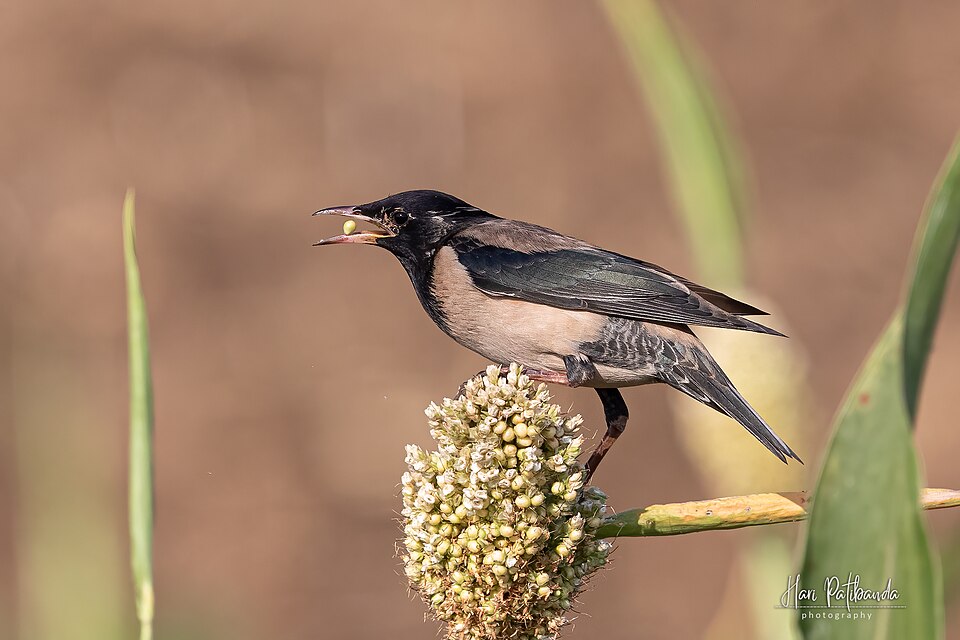 Estornino Rosado
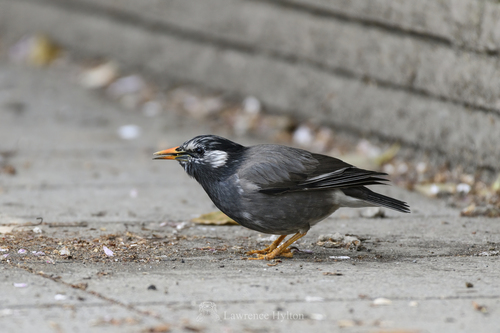 Estornino Gris
En breve
The most reliable field mark between Rose-coloured Starling and White-cheeked Starling is the presence of a pale pink body and glossy black wings and head in adult Rose-coloured Starlings, versus the dark grey-brown plumage with bold white cheeks and rump in White-cheeked Starlings. Juveniles are a common pitfall: young Rose-coloured Starlings are pale buffy brown with a yellow bill, while juvenile White-cheeked Starlings are brown with pale cheeks and rump, but lack the black bill tip. In flight, White-cheeked Starlings show white in the wings and tail, which Rose-coloured Starlings lack at all ages. Bill color and facial pattern are key at all ages and seasons.
Consejos de identificación
- Juvenile separation: Juvenile Rose-coloured Starlings are pale buff-brown with a yellow bill and lack white in the wing or tail; juvenile White-cheeked Starlings are brown with pale cheeks and rump, and their bill lacks a black tip. Focus on face pattern and bill color in autumn and winter flocks.
- Adult male breeding plumage: Rose-coloured Starling males are unmistakable with a pink body, glossy black head, wings, and tail, and a wispy crest. White-cheeked Starling never shows pink or a crest.
- Adult female and non-breeding: Female and non-breeding Rose-coloured Starlings are duller, with a shorter crest and less sharp contrast, but still show a pinkish body and black wings. White-cheeked Starling females are overall greyer-brown with white cheeks and rump, never pink.
- Crest presence: Only Rose-coloured Starling shows a crest, most obvious in breeding males but present (shorter) in females and non-breeding birds. White-cheeked Starling always lacks a crest.
- Facial pattern: White-cheeked Starling of all ages shows bold white cheeks and forehead, a key mark even at distance. Rose-coloured Starling never has a white cheek patch.
- Bill color: In breeding Rose-coloured Starling, the bill is black at the base and pink at the tip; in winter, it is grey. White-cheeked Starling has an orange bill with a black tip in adults; juveniles lack the black tip. Bill color is a useful check at close range.
- Wing and tail pattern in flight: White-cheeked Starling shows white on the secondaries and a white border to the tail, visible in flight and when perched. Rose-coloured Starling lacks any white in the wings or tail at all ages.
- Body color: Pinkish body (even if dull) always points to Rose-coloured Starling; grey-brown body with white highlights is White-cheeked.
- Leg color: Both species have pale orange to pinkish legs, not reliably diagnostic.
- Size and structure: White-cheeked Starling is slightly larger and bulkier, but overlap is considerable; use only as a supporting mark.
- Habitat context: In urban parks and gardens in East Asia, expect White-cheeked Starling; in open steppe or agricultural land in Central Asia or India, especially in large flocks, suspect Rose-coloured Starling.
- Voice: Rose-coloured Starling gives a varied mix of squeaks and rattles; White-cheeked Starling's call is a harsh, creaking monotone. Use as supporting evidence.
- Seasonal context: Rose-coloured Starling is a strong migrant and may irrupt far outside its core range in years with insect outbreaks; White-cheeked Starling is a regular resident or migrant in East Asia.
- Pitfalls: Faded or dirty juveniles of both species can look similar at a distance; always check for white in the face and wings (White-cheeked) versus overall pale and plain (Rose-coloured).
Tamaño
White-cheeked Starling is slightly larger and heavier, averaging 83 g versus 73 g for Rose-coloured Starling [wikidata]. White-cheeked Starling is also longer (24 cm vs 19–22 cm), and may appear bulkier in the field. However, both are similar enough in size that structure and plumage are more reliable for separation.
Plumaje
-
Juveniles: Rose-coloured Starling juveniles are pale buffy brown overall with a short yellow bill and lack any white in the wings or tail. White-cheeked Starling juveniles are brown, but show pale cheeks and a pale rump, and their bill lacks a black tip. They also lack the white wing and tail markings of adults but retain the pale facial pattern.
-
First-winter/immature: Young Rose-coloured Starlings transition to a subdued version of adult plumage in late autumn, still lacking a crest and with less contrast. White-cheeked Starlings develop more obvious white in the cheeks and rump as they mature.
-
Adult breeding: Rose-coloured Starling males are unmistakable with a pink body, glossy black head, wings, and tail, and a wispy crest. Females are similar but duller, with a shorter crest and less sharp color contrast. White-cheeked Starling adults are dark grey-brown with a pale belly, bold white cheeks and forehead, a white rump band, and white on the secondaries and tail edge. Their bill is orange with a black tip, and legs are pale orange.
-
Adult non-breeding: Rose-coloured Starling becomes duller pinkish-grey, bill turns grey, and crest is shorter. White-cheeked Starling remains similar year-round but is duller outside the breeding season.
Comportamiento
Both species are gregarious, often seen in flocks. Rose-coloured Starling is especially colonial during breeding and forms large winter flocks, sometimes outnumbering local starlings and mynas in India. White-cheeked Starling is also social but is more often seen in smaller groups or pairs, especially in urban parks and farmland. Both forage on the ground for insects and fruit, but Rose-coloured Starling is noted for its strong irruptive movements following insect outbreaks.
Hábitat
Rose-coloured Starling favors open steppe, semi-desert, and agricultural land, especially in Central Asia and Southeast Europe, and winters in India. White-cheeked Starling is native to East Asia, common in woodland, farmland, open country, and urban parks and gardens, especially in lowlands. Their ranges rarely overlap except as vagrants, and context can help: Rose-coloured Starling is unlikely in dense woodland or urban parks, while White-cheeked Starling is a regular urban bird in Japan, Korea, and China.
Voz
Rose-coloured Starling gives a typical starling mix of squeaks and rattles, often with wing trembling. White-cheeked Starling has a loud, monotonous series of harsh, creaking notes. While both are noisy, the White-cheeked's call is less varied and more grating.