

Motmot

ライチョウ 対 ヨーロッパオオライチョウ

Lagopus muta 対 Tetrao urogallus

ライチョウとヨーロッパオオライチョウのクイズ
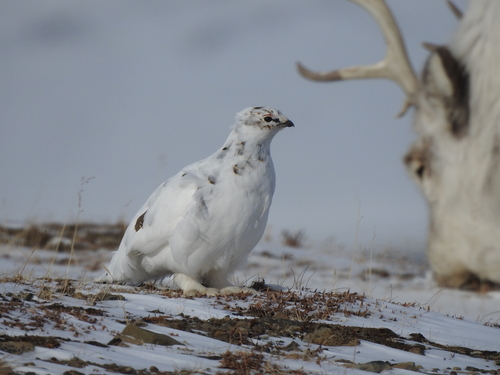
ライチョウ (Lagopus muta) ライチョウ
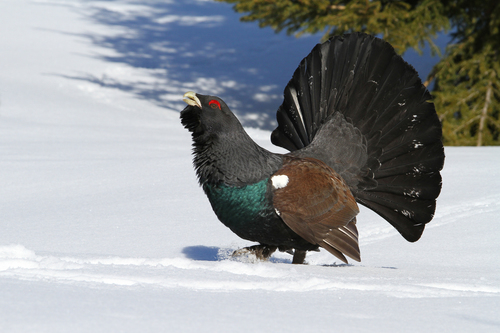
ヨーロッパオオライチョウ (Tetrao urogallus) ヨーロッパオオライチョウ

メディア

読み込み中…

要点

ライチョウとヨーロッパオオライチョウの最も信頼できるフィールドマークは、単純なサイズです。雌のヨーロッパオオライチョウでさえ、最大のライチョウを圧倒し、雄は巨大でカラスサイズの鳥です。飛んでいるときも地上にいるときも、ヨーロッパオオライチョウは重く、長い尾と広い翼のプロファイルを示しますが、ライチョウはコンパクトで短い尾を持ち、はるかに軽いです。羽毛も強力な区別要因です。ライチョウは冬にほぼ真っ白に変わります(黒い尾と雄の顔のマーキングを除く)が、ヨーロッパオオライチョウは決して白くならず、年間を通じて暗い、縞模様、または金属的な色合いを示します。生息地も強力な手がかりです。ヨーロッパオオライチョウは深い森の鳥ですが、ライチョウは開けた不毛な高地やツンドラに生息します。雪に覆われた木のない風景で白いライチョウを見た場合、それは決してヨーロッパオオライチョウではありません。

識別のコツ

  1. Size is decisive: ヨーロッパオオライチョウは巨大で、雌も含めて; ライチョウは小型から中型です。もしその鳥が七面鳥サイズに見えるなら、それはヨーロッパオオライチョウです。
  2. Winter plumage: ライチョウだけが冬にほぼ真っ白になります(黒い尾と、雄の場合は黒い目のラインを除く)。ヨーロッパオオライチョウは決して白くなりません。
  3. Summer plumage: 夏のライチョウは上面がまだらの灰色/茶色で、白い翼と腹部を持っています; ヨーロッパオオライチョウの雄は暗く金属的な緑の胸を持ち、雌は茶色で黒とクリーム色の縞模様です。
  4. Wing pattern in flight: ヨーロッパオオライチョウは広く丸い翼と長いくさび形の尾を示します; ライチョウは短く、より尖った翼と短い尾を持っています。これはすべての年齢で見ることができます。
  5. Bill structure: ライチョウは細いくちばしを持っています; ヨーロッパオオライチョウは特に雄において重くて厚いくちばしを持っています。
  6. Facial markings: 冬の雄のライチョウは黒い目のストライプを持っています; ヨーロッパオオライチョウの雄は赤い目のコームを持っていますが、黒いストライプはありません。
  7. Legs and toes: 両種ともに羽毛のある脚を持っていますが、ヨーロッパオオライチョウは雪の上を歩くための「角のタック」を持つ特化した足を持ち、大きくて特徴的な足跡を残します。
  8. Habitat: ライチョウは森林には決していません; ヨーロッパオオライチョウは開けたツンドラや岩の多い高地には決していません。
  9. Behavior: ヨーロッパオオライチョウは地面や木の上での複雑な姿勢と複雑な歌でディスプレイします; ライチョウは空中の追跡とよりシンプルな鳴き声でディスプレイします。
  10. Voice: ヨーロッパオオライチョウの雄はクリック、ポップ、スクレイプの連続音を出します; ライチョウの雄は喉の奥からのいびきとざらついた鳴き声を出します。
  11. Sexual dimorphism: ヨーロッパオオライチョウは性別間で極端なサイズと羽毛の違いを示します; ライチョウの性別はより似ています、特に冬に。
  12. Juvenile confusion: 幼いヨーロッパオオライチョウは暗い冠を持つ隠れた縞模様の雌のように見えます; 幼いライチョウも隠れていますが、すぐに成鳥のパターンに換羽し、若いヨーロッパオオライチョウの縞模様やクリーム色の外観を決して示しません。
  13. Wing bow spot: 両性のヨーロッパオオライチョウは翼の弓に白い斑点を持っています; ライチョウは持っていません。
  14. Context clues: 雪の中で白いライチョウや岩の多いツンドラで小さくカモフラージュされた鳥を見た場合、それはライチョウです; 森の中の巨大で暗いライチョウはヨーロッパオオライチョウです。
  15. Eggs and chicks: ヨーロッパオオライチョウの卵は大きくて重く斑点があります; 雛は黒い冠を持つ隠れた色合いですが、ライチョウの雛はより均一に隠れており、すぐに白またはまだらの羽毛に換羽します。

大きさ

サイズは最も劇的な違いです。ライチョウは中型のライチョウで、平均約610 g [wikidata]、長さ34–36 cm、翼幅54–60 cm [wikipedia]です。ヨーロッパオオライチョウは比較すると巨人です: 雄は平均4.1 kg(種全体で2885 g [wikidata])、長さ74–85 cm、翼幅90–125 cm; 雌でさえ1.5–2.5 kgで、長さ54–64 cm [wikipedia]です。フィールドでは、ヨーロッパオオライチョウは七面鳥サイズに見え、ライチョウは鳩や小さな鶏に近いです。サイズに重複はありません。

羽色

ヨーロッパオオライチョウの年齢や性別は決して白くありません; 対照的にライチョウは季節的に白くなります。冬には、すべてのライチョウ(雄と雌、成鳥と未熟)はほぼ純白で、黒い外尾羽と雄の場合は黒い目のラインを除きます。夏には、ライチョウは上面がまだらの灰色と茶色になりますが、常に白い翼と腹部を保持します。ヨーロッパオオライチョウの雄は暗い灰色と茶色で金属的な緑の胸を持ち、変動する黒または白の尾羽を持ち、雌は茶色で黒と銀の縞模様があり、下はクリーム色です。両性のヨーロッパオオライチョウは翼の弓に白い斑点と目の上に赤い皮膚を持っていますが、ライチョウのような完全に白いまたは白い翼の外観は決して示しません。幼いヨーロッパオオライチョウは雌に似ていますが、黒っぽい冠を持っています; 幼いライチョウは隠れていますが、すぐに成鳥のパターンに換羽します。飛んでいるとき、ヨーロッパオオライチョウは広く丸い翼と長いくさび形の尾を示します; ライチョウは短く、より尖った翼と短い尾を持っています。

行動

ヨーロッパオオライチョウは、雄が尾を広げ、翼を垂らし、クリックとポップの複雑な連続音を生成する、地面や木の上での華やかな求愛ディスプレイで有名です。彼らは主に地面に生息していますが、短い距離を強力に飛ぶことができます。ライチョウは特に開けた地形で地面から低く速く飛び立つ可能性が高く、彼らのディスプレイは空中の追跡とざらざらした鳴き声を伴う滑空降下を含みます。雪の中のヨーロッパオオライチョウの足跡は大きくて特徴的で、特化した足からの「求愛の足跡」があり、ライチョウははるかに小さな足跡を残します。

生息環境

ライチョウは開けた不毛なまたは高山の生息地の鳥です—ツンドラ、岩の多い斜面、風にさらされた高地を考えてください。彼らは森林地域を避けます。対照的に、ヨーロッパオオライチョウは厳密に森林の鳥で、成熟した針葉樹または混合林を好み、密なカバーとレッキングのための開けたスペースを持っています。深い森でライチョウに出会った場合、それはほぼ確実にヨーロッパオオライチョウです; 木のない高地または北極の地形にいる場合、それはライチョウです。

声

ライチョウの雄は喉の奥からのいびきとガラガラ音を出し、特徴的なざらざらした鳴き声を持っています(板塀を引きずる棒に似ています)。ヨーロッパオオライチョウの雄はユニークな求愛の歌を持っています: 一連のダブルクリックがポッピングの「コルク」音に加速し、その後にスクレイピング音が続きます。ヨーロッパオオライチョウのディスプレイはより複雑で音楽的ですが、ライチョウはよりシンプルでざらざらしています。両者は繁殖期に最も声を出します。

より良い説明を送る

比較と同じ項目を使ってください。文章はすぐに公開されます。

The most reliable field mark between Rock Ptarmigan and Western Capercaillie is sheer size: even a female Capercaillie dwarfs the largest ptarmigan, and males are massive, crow-sized birds. In flight or on the ground, Capercaillie show a heavy, long-tailed, and broad-winged profile, while Rock Ptarmigan are compact, short-tailed, and much lighter. Plumage is also a strong separator: Rock Ptarmigan shift to all-white in winter (except for black tail and male facial markings), while Capercaillie never become white and show dark, barred, or metallic tones year-round. Habitat is a strong clue: Capercaillie are deep forest birds, while Rock Ptarmigan stick to open, barren uplands or tundra. If you see a white grouse in a snowy, treeless landscape, it is never a Capercaillie.

  1. Size is decisive: Capercaillie are enormous, even females; Rock Ptarmigan are small to medium-sized. If the bird looks turkey-sized, it is a Capercaillie.
  2. Winter plumage: Only Rock Ptarmigan turn nearly all-white in winter (except for black tail and, in males, a black eye line). Capercaillie are never white.
  3. Summer plumage: Rock Ptarmigan in summer are mottled grey/brown above with white wings and underparts; Capercaillie males are dark with metallic green breasts, females are barred brown and buff.
  4. Wing pattern in flight: Capercaillie show broad, rounded wings and a long, wedge-shaped tail; Rock Ptarmigan have shorter, more pointed wings and a short tail. This is visible in all ages.
  5. Bill structure: Rock Ptarmigan have a slender bill; Capercaillie have a heavy, thick bill, especially in males.
  6. Facial markings: Male Rock Ptarmigan in winter have a black eye stripe; Capercaillie males have a red eye comb but no black stripe.
  7. Legs and toes: Both species have feathered legs, but Capercaillie have specialized toes with 'horn tacks' for walking on snow, leaving large, distinctive tracks.
  8. Habitat: Rock Ptarmigan are never in forests; Capercaillie are never in open tundra or rocky uplands.
  9. Behavior: Capercaillie display on the ground and in trees, with elaborate postures and complex songs; Rock Ptarmigan display with aerial chases and simpler croaking calls.
  10. Voice: Capercaillie males produce a sequence of clicks, pops, and scrapes; Rock Ptarmigan males give guttural snores and a rasping croak.
  11. Sexual dimorphism: Capercaillie show extreme size and plumage differences between sexes; Rock Ptarmigan sexes are more similar, especially in winter.
  12. Juvenile confusion: Juvenile Capercaillie look like cryptic, barred females with a dark crown; juvenile Rock Ptarmigan are also cryptic but molt quickly to adult patterns and never show the barred, buffy look of young Capercaillie.
  13. Wing bow spot: Capercaillie of both sexes have a white spot on the wing bow; Rock Ptarmigan do not.
  14. Context clues: If you see a white grouse in snow or a small, camouflaged bird in rocky tundra, it is Rock Ptarmigan; a massive, dark grouse in forest is Capercaillie.
  15. Eggs and chicks: Capercaillie eggs are large and heavily speckled; chicks are cryptic with black crowns, while Rock Ptarmigan chicks are more uniformly cryptic and quickly molt to white or mottled plumage.

Size is the most dramatic difference. Rock Ptarmigan are medium-sized grouse, averaging about 610 g [wikidata], with a length of 34–36 cm and a wingspan of 54–60 cm [wikipedia]. Western Capercaillie are giants by comparison: males average 4.1 kg (2885 g for the species overall [wikidata]), with lengths of 74–85 cm and wingspans of 90–125 cm; even females are 1.5–2.5 kg and 54–64 cm long [wikipedia]. In the field, Capercaillie look turkey-sized, while Rock Ptarmigan are closer to a pigeon or small chicken. There is no overlap in size.

No age or sex of Capercaillie is ever white; Rock Ptarmigan, by contrast, are seasonally white. In winter, all Rock Ptarmigan (male and female, adult and immature) are nearly pure white except for black outer tail feathers and, in males, a black eye line. In summer, Rock Ptarmigan become mottled grey and brown above, but always keep white wings and underparts. Capercaillie males are dark grey-brown with a metallic green breast and variable black or white undertail, while females are brown with black and silver barring above and buffy below. Both sexes of Capercaillie have a white spot on the wing bow and red skin over the eye, but never show the all-white or white-winged look of ptarmigan. Juvenile Capercaillie resemble females but with a blackish crown; juvenile Rock Ptarmigan are cryptic but quickly molt toward adult patterns. In flight, Capercaillie show broad, rounded wings and a long, wedge-shaped tail; Rock Ptarmigan have shorter, more pointed wings and a short tail.

Capercaillie are famous for their elaborate ground and tree-top courtship displays, with males fanning tails, drooping wings, and producing a complex sequence of clicks and pops. They are primarily ground-dwelling but can fly powerfully for short distances. Rock Ptarmigan are more likely to flush low and fast from the ground, especially in open terrain, and their displays involve aerial chases and gliding descents with rasping calls. Capercaillie tracks in snow are large and distinctive, with 'courting tracks' from their specialized toes, while Rock Ptarmigan leave much smaller prints.

Rock Ptarmigan are birds of open, barren, or alpine habitats—think tundra, rocky slopes, and windswept uplands. They avoid forested areas. Western Capercaillie, in contrast, are strictly forest birds, favoring mature coniferous or mixed woodlands with dense cover and open spaces for lekking. If you encounter a grouse in deep woods, it is almost certainly a Capercaillie; if in treeless, high-elevation or arctic terrain, it is a Rock Ptarmigan.

Rock Ptarmigan males produce guttural snores and rattles, with a distinctive rasping, croaking display call (likened to a stick dragged across a picket fence). Capercaillie males have a unique courtship song: a series of double-clicks accelerating into a popping 'cork' sound, followed by scraping notes. The Capercaillie display is more complex and musical, while Rock Ptarmigan are simpler and more croaky. Both are most vocal during the breeding season.

変更を破棄しますか?

保存していない編集があります。今離れると失われます。

ライチョウ · ヨーロッパオオライチョウ · 苦手な鳥