

Motmot

カワラバト 対 ヒガシヒメモリバト

Columba livia 対 Columba eversmanni

カワラバトとヒガシヒメモリバトのクイズ
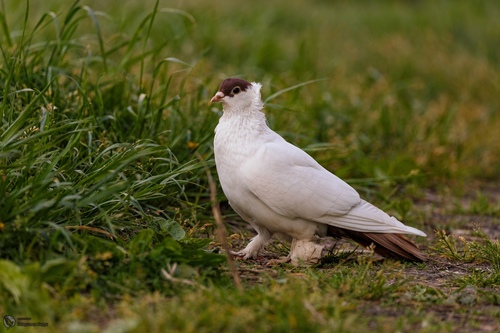
カワラバト (Columba livia) カワラバト
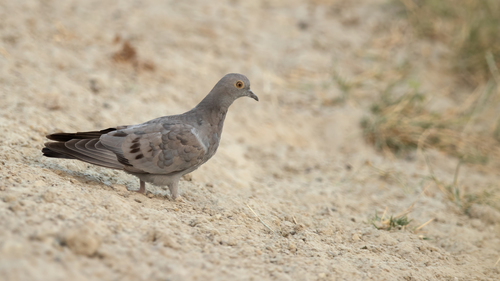
ヒガシヒメモリバト (Columba eversmanni) ヒガシヒメモリバト

メディア

読み込み中…

要点

カワラバトとヒガシヒメモリバトを区別する最も信頼できるフィールドマークは、目の色と周囲の裸肌です:カワラバトは赤褐色の虹彩を持ち、狭い青灰色から灰白色のアイリングがありますが、ヒガシヒメモリバトは特徴的な黄色の虹彩と目の周りの黄色がかった裸肌を示します。飛行中、カワラバトの成鳥は2本の太い黒い翼帯と、白い外尾縁を持つ鋭く定義された黒い尾帯を示しますが、ヒガシヒメモリバトは目立たない翼帯が1本だけで、より拡散した、鋭く定義されていない尾帯を持っています。両者は中型の灰色の鳩ですが、カワラバトはより重く、がっしりとしています。特に飛行中や遠くにいる鳥に対しては、頭部と目の詳細、翼のパターン、尾帯に注意を払うことが重要です。

識別のコツ

  1. Iris and bare skin color: カワラバトは赤褐色の虹彩を持ち、狭い青灰色から灰白色のアイリングがあります;ヒガシヒメモリバトは目の周りに特徴的な黄色の虹彩と黄色がかった裸肌を持っています。これは近距離または良好な光の下で最も信頼できるマークです。
  2. Number of wing bars: カワラバトは各翼に2本の太い黒い翼帯を示します(すべての年齢);ヒガシヒメモリバトは目立たない翼帯が1本だけです。これは飛行中または翼を折りたたんだ止まっている鳥で最もよく見られます。
  3. Tail band: カワラバトは白い外尾縁を持つ鋭く定義された黒い尾帯を持っています;ヒガシヒメモリバトの尾帯は拡散しており、鋭く定義されていません。これは飛行中または尾が広がっているときに探してください。
  4. Lower back color: カワラバトは目立つ白い下背部(クルミ)を持ち、特に飛行中に目立ちます;ヒガシヒメモリバトの下背部とクルミは白または淡い灰色ですが、体の他の部分とあまり対照的ではありません。
  5. Head and neck iridescence: カワラバトは首に強い緑がかった赤紫色の虹色を示します(特にオス)、一方、ヒガシヒメモリバトは頭、喉、胸によりピンクがかった紫色の光沢を持っています。雌と幼鳥のカワラバトは虹色が少ないです。
  6. Bill color: カワラバトのくちばしは灰黒色で、小さなオフホワイトのセレがあります;ヒガシヒメモリバトのくちばしは黄色がかっています。これは微妙ですが、近距離で役立つことがあります。
  7. Feet color: 両者はピンクがかった足を持っていますが、カワラバトの足はしばしばより深い赤からピンクで、ヒガシヒメモリバトの足はピンクです。
  8. Body structure: カワラバトはヒガシヒメモリバト(183–234 g)よりもがっしりとして重いです(平均280.5 g)。直接比較すると、カワラバトは特に胸と首の周りでより頑丈に見えます。
  9. Flight style: カワラバトはしばしば騒がしい翼の拍手で離陸し、頻繁に滑空します;ヒガシヒメモリバトの飛行はあまり記述されていませんが、おそらく似ています。注意して使用してください。
  10. Vocalizations: カワラバトはより声が大きく、柔らかいクーとグラントを発します;ヒガシヒメモリバトは一般的に静かです。典型的な鳩のクーを聞いた場合、カワラバトの可能性が高いです。
  11. Habitat: カワラバト(特に野生の形態)は世界中の都市や農村地域で一般的です;ヒガシヒメモリバトは中央アジアのステップと半砂漠の生息地に制限されており、都市では見られません。
  12. Sex and age differences: 雌と幼鳥のカワラバトは首の虹色が少なく、より鈍いですが、依然として二重の翼帯と尾のパターンを示します。ヒガシヒメモリバトの年齢と性別の違いはあまり詳しく記述されていませんが、主なフィールドマーク(目の色、翼帯、尾帯)は一貫しています。
  13. Pitfalls with feral pigeons: 多くの野生のカワラバトは変動する羽毛を示しますが、野生型の鳥は常に2本の翼帯、鋭い尾帯、赤褐色の目を持っています。奇妙な色の家禽鳩には注意してくださいが、目と翼のパターンは重要です。
  14. Seasonal context: 両種はそれぞれの範囲で年間を通じて存在しますが、中央アジア以外の都市部ではカワラバトのみが見られる可能性があります。中央アジアのステップまたは半砂漠にいる場合は、ヒガシヒメモリバトを考慮してくださいが、目と翼のパターンを確認してください。
  15. When in doubt: 虹彩の色と翼帯の数を優先してください。目が見えない場合は、翼のパターンと尾帯の鋭さの組み合わせを使用してくださいが、悪い光や換羽には注意してください。

大きさ

カワラバトは特に重く、平均成鳥の質量は約280.5 g [wikidata]で、ヒガシヒメモリバトの報告された範囲は183–234 g [wikipedia]です。両種は長さ(約30–35 cm)で似ていますが、カワラバトは一般的にがっしりとしており、より頑丈で、翼幅はわずかに長いです(カワラバトは62–68 cm、ヒガシヒメモリバトは未指定)。フィールドでは、カワラバトは特に止まっているときによりがっしりと見えるかもしれませんが、ヒガシヒメモリバトは少しスリムです。

羽色

行動

両種は群れを作る傾向があり、繁殖期以外はしばしば群れを形成します。カワラバトは騒がしい拍手での離陸と頻繁な滑空で知られています。彼らは特にディスプレイや警戒中に足を踏み鳴らしたり、翼を叩いたり、くちばしを鳴らしたりすることがあります。ヒガシヒメモリバトは一般的に静かであり、そのディスプレイや飛行行動についてはあまり記載されていませんが、一般的な鳩の特徴は似ている可能性があります。カワラバトのディスプレイ行動(お辞儀、尾を広げる、歩き回る)は、特に都市部や半都市部の環境でより頻繁に観察されます。

生息環境

カワラバト(野生の形態)は岩の崖や沿岸地域に生息していますが、野生の形態や家禽の形態は世界中の都市や農村地域に広く分布しています。純粋な野生の鳥は現在は稀で、主にスコットランドの北部や西部の遠隔地に制限されています。ヒガシヒメモリバトは中央アジアのステップと半砂漠地域で繁殖し、南アジアの北部で越冬します。都市部では見られず、コスモポリタンなカワラバトよりもはるかに局所的で生息地特異的です。

声

カワラバトは柔らかく、わずかに揺れるクー(“crruoo-u”)と、グラントのような警戒音を発します。その声はコロンバの鳩に典型的で、野生の鳥と野生の鳥の両方で聞かれます。ヒガシヒメモリバトは一般的に静かですが、繁殖期にはかすかな“oo-oo-oo”を発することがあります。実際には、声はこれら二種を区別するための強いフィールドマークではありませんが、カワラバトは声を発する可能性が高いです。

より良い説明を送る

比較と同じ項目を使ってください。文章はすぐに公開されます。

The most reliable field mark to separate Rock Dove from Yellow-eyed Pigeon is the eye color and surrounding bare skin: Rock Dove has a red-brown iris with a narrow bluish-grey to grey-white eye ring, while Yellow-eyed Pigeon shows a distinctive yellow iris and yellowish bare skin around the eye. In flight, Rock Dove adults show two bold black wing bars and a sharply defined black tail band with white outer tail edges, whereas Yellow-eyed Pigeon has only one less prominent wing bar and a more diffuse, less sharply defined tail band. Both are medium-sized grey pigeons, but Rock Dove is heavier and bulkier. Careful attention to head and eye details, wing pattern, and tail banding is essential, especially for birds in flight or at a distance.

  1. Iris and bare skin color: Rock Dove has a red-brown iris with a narrow bluish-grey to grey-white eye ring; Yellow-eyed Pigeon has a striking yellow iris and yellowish bare skin around the eye. This is the most reliable mark at close range or in good light.
  2. Number of wing bars: Rock Dove shows two bold black wing bars on each wing (all ages); Yellow-eyed Pigeon has only one, which is less prominent. This is best seen in flight or on perched birds with wings folded.
  3. Tail band: Rock Dove has a sharply defined black tail band with white outer tail edges; Yellow-eyed Pigeon’s tail band is diffuse and less sharply defined. Look for this in flight or when the tail is spread.
  4. Lower back color: Rock Dove has a conspicuous white lower back (rump), especially visible in flight; Yellow-eyed Pigeon’s lower back and rump are white or pale grey but less contrasting with the rest of the body.
  5. Head and neck iridescence: Rock Dove shows strong greenish to reddish-purple iridescence on the neck (especially males), while Yellow-eyed Pigeon has a more pinkish-purple sheen on the crown, throat, and breast. Female and juvenile Rock Doves have less iridescence.
  6. Bill color: Rock Dove’s bill is grey-black with a small off-white cere; Yellow-eyed Pigeon’s bill is yellowish. This is subtle but can help at close range.
  7. Feet color: Both have pinkish feet, but Rock Dove’s are often a deeper red to pink, while Yellow-eyed Pigeon’s are pink.
  8. Body structure: Rock Dove is bulkier and heavier (average 280.5 g) than Yellow-eyed Pigeon (183–234 g). In direct comparison, Rock Dove appears more robust, especially around the chest and neck.
  9. Flight style: Rock Dove often takes off with noisy wing claps and glides frequently; Yellow-eyed Pigeon’s flight is less described but likely similar. Use with caution.
  10. Vocalizations: Rock Dove is more vocal, with soft coos and grunts; Yellow-eyed Pigeon is generally silent. If you hear a typical pigeon coo, it is more likely Rock Dove.
  11. Habitat: Rock Dove (especially feral forms) is common in urban and rural areas worldwide; Yellow-eyed Pigeon is restricted to steppe and semi-desert habitats in Central Asia and is not found in cities.
  12. Sex and age differences: Female and juvenile Rock Doves are duller with less neck iridescence, but still show the double wing bars and tail pattern. Yellow-eyed Pigeon’s age and sex differences are not well described, but main field marks (eye color, wing bar, tail band) are consistent.
  13. Pitfalls with feral pigeons: Many feral Rock Doves show variable plumage, but wild-type birds always have two wing bars, a sharp tail band, and red-brown eyes. Beware of domestic pigeons with odd colors, but eye and wing pattern remain key.
  14. Seasonal context: Both species are present year-round in their respective ranges, but only Rock Dove is likely in urban areas outside Central Asia. If in steppe or semi-desert in Central Asia, consider Yellow-eyed Pigeon, but check eye and wing pattern.
  15. When in doubt: Prioritize iris color and number of wing bars. If you cannot see the eye, use the combination of wing pattern and tail band sharpness, but beware of poor light or molt.

Rock Dove is notably heavier, with an average adult mass of about 280.5 g [wikidata], compared to Yellow-eyed Pigeon’s reported range of 183–234 g [wikipedia]. Both species are similar in length (about 30–35 cm), but Rock Dove is generally bulkier and more robust, with a slightly longer wingspan (62–68 cm for Rock Dove vs. unspecified for Yellow-eyed Pigeon). In the field, Rock Dove may appear stockier, especially when perched, while Yellow-eyed Pigeon is a bit slimmer.

  • Juveniles/immatures: No specific age-unique upperwing pattern is described for either species, but both show the main adult differences from a young age. Juvenile Rock Doves are duller overall, with less iridescence and less contrast, but still show the double wing bars and tail pattern. Young Yellow-eyed Pigeons are not described in detail, but likely resemble adults, with a single wing bar and less contrast overall.

  • Adults: Rock Dove is pale bluish-grey with two bold black wing bars, a white lower back, and a sharply defined black tail band with white outer tail edges. The head, neck, and chest are dark bluish-grey with greenish to reddish-purple iridescence, especially in males. The iris is red-brown, with a narrow bluish-grey to grey-white eye ring. Yellow-eyed Pigeon is mostly grey with a brownish tinge above, a pinkish-purple sheen on the crown, throat, and breast, and only one black wing bar. The tail band is diffuse, not sharply defined, and the lower back, rump, and underwings are white or pale grey. The iris and bare skin around the eye are yellow, the bill is yellowish, and the feet are pink.

Both species are gregarious, often forming flocks outside the breeding season. Rock Doves are known for their noisy, clapping take-off and frequent gliding in flight. They may display foot-stamping, wing-clapping, and bill-snapping, especially during display or alarm. Yellow-eyed Pigeon is described as generally silent and less is noted about its display or flight behavior, but it is likely similar in general pigeon jizz. Rock Dove’s display behaviors (bowing, tail-fanning, strutting) are more frequently observed, especially in urban or semi-urban settings.

Rock Dove (in its wild form) is native to rocky cliffs and coastal areas, but feral and domestic forms are ubiquitous in urban and rural settings worldwide. Pure wild birds are now rare and mostly restricted to remote areas of northern and western Scotland. Yellow-eyed Pigeon breeds in steppe and semi-desert regions of Central Asia, wintering in northern South Asia. It is not found in urban settings and is much more localized and habitat-specific than the cosmopolitan Rock Dove.

Rock Dove gives a soft, slightly wavering coo (“crruoo-u”) and a grunt-like alarm call. Its vocalizations are typical of Columba pigeons and can be heard in both wild and feral birds. Yellow-eyed Pigeon is generally silent, but may give a faint “oo-oo-oo” during the breeding season. In practice, vocalizations are not a strong field mark for separating these two, but Rock Dove is more likely to be heard vocalizing.

変更を破棄しますか?

保存していない編集があります。今離れると失われます。

カワラバト · ヒガシヒメモリバト · 苦手な鳥