

Motmot

カワラバト 対 ヒメモリバト

Columba livia 対 Columba oenas

カワラバトとヒメモリバトのクイズ
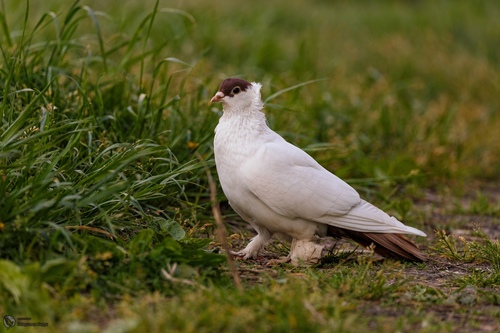
カワラバト (Columba livia) カワラバト
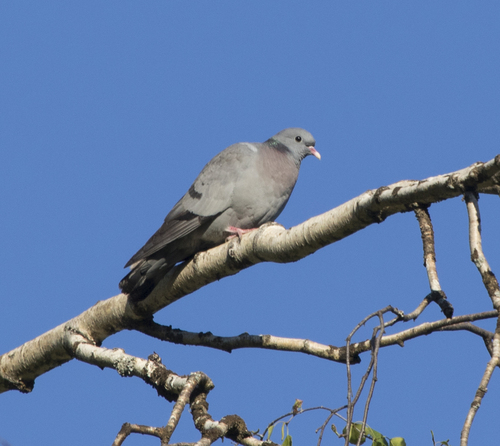
ヒメモリバト (Columba oenas) ヒメモリバト

メディア

読み込み中…

要点

ロックバトとヒメモリバトを区別する最も信頼できるフィールドマークは、飛行中のアンダーウィングの色です:ロックバト(野生型)は目立つ白いアンダーウィングを示し、ヒメモリバトは均一な暗灰色のアンダーウィングを持っています。止まっている鳥を見分けるには、ロックバトの白い尾羽と大胆で完全な黒いウィングバーを探し、ヒメモリバトの灰色の尾羽と短く不完全なウィングバーと比較してください。目の色も役立ちます:ロックバトは赤褐色の虹彩を持ち、ヒメモリバトの目は暗いです。両方の幼鳥は鈍い色合いですが、アンダーウィングのコントラストはすべての年齢で飛行中の強力な区別要因です。

識別のコツ

  1. 飛行中のアンダーウィングの色(すべての年齢): ロックバトは明るい白いアンダーウィングを示し、ヒメモリバトは均一な暗灰色です。これは、鳥が頭上にいるときや飛び去るときに最も信頼できるマークです。
  2. 尾羽の色(すべての年齢): ロックバトは体の他の部分と対照的な白い下背(尾羽)を持ち、ヒメモリバトの尾羽は灰色で背中と溶け合います。
  3. ウィングバー(すべての年齢): ロックバトは翼に2つの大胆で完全な黒いウィングバーを持ち、ヒメモリバトはテリシャルと大覆羽に短い暗いバーしか持たず、翼全体に完全なバーを形成することはありません。
  4. 尾のパターン: 両方とも暗い端尾バンドを持っていますが、ロックバトの尾の端は白く、ヒメモリバトの尾の端は白くありません。
  5. 目の色: ロックバトは赤褐色の虹彩を持ち、ヒメモリバトの目は暗いです。これは近距離または良い光の中で見ることができます。
  6. くちばしとセレ: ロックバトのくちばしは灰黒色で小さなオフホワイトのセレを持ち、ヒメモリバトのくちばしはピンクで黄色の先端を持ち、野生のハトの目立つセレがありません。
  7. 首の虹色: ロックバトは首と胸に広範囲の緑がかった紫がかった虹色を持ち(特にオス)、ヒメモリバトは首の側面に小さな虹色の斑点があるだけです(幼鳥にはありません)。
  8. 幼鳥の羽毛: 幼鳥のロックバトは鈍い色合いですが、白い尾羽とアンダーウィングはまだ示しています;幼鳥のヒメモリバトは首の虹色が欠けており、単純な灰色の外観を持っていますが、アンダーウィングは暗いままです。
  9. 止まっている構造: 両方はサイズと形が似ていますが、ヒメモリバトはわずかにコンパクトに見えるかもしれず、多くの野生のハトの膨らんだセレがありません。
  10. 飛行スタイル: 両方とも強力な飛行者ですが、ヒメモリバトはしばしば鋭いウィングフリックとディスプレイ中のウィングクラックを示し、ロックバトの飛行はより直接的で頻繁に滑空します。
  11. 鳴き声: ロックバトはおなじみの都市のハトのクーを出し、ヒメモリバトの鳴き声は短く深いグラントで、全く異なるトーンです。
  12. 生息地の文脈: 野生の環境では、ロックバトは現在主に遠隔の崖や島に見られ、ヒメモリバトは木々の穴のある森林や開けた田舎を好みます。都市部では、ほとんどすべての「ハト」は野生のロックバトです。
  13. 群れのサイズ: ロックバト(特に野生)はしばしば大きな群れを形成し、ヒメモリバトは通常ペアまたは小さなグループで見られます。
  14. ディスプレイ行動: ロックバトはストラッティングとお辞儀でディスプレイし、ヒメモリバトは扇状の尾羽と下げた翼で枝を歩き、飛行中に翼を割ります。
  15. 落とし穴 – 野生のハト: 多くの都市のハトは変動する羽毛を持つ野生/飼いならされたロックバトです;野生型のロックバトのみが上記の古典的なフィールドマークを示します。ヒメモリバトははるかに変動が少ないです。

大きさ

両種は長さと翼幅が似ていますが、ロックバトは平均してやや重い(体重約280.5g [avonet])のに対し、ヒメモリバトは(オス303–365g、メス286–290g [wikipedia])です。実際には、サイズは区別のための信頼できるフィールドマークではなく、測定値が広く重なり、両方とも中型のハトとして見えます。

羽色

幼鳥と成鳥のロックバト(野生型)は淡い灰色の体、2つの大胆な黒いウィングバー、白い下背(尾羽)、飛行中に目立つ白いアンダーウィングを持っています。尾は灰色で強い黒い端尾バンドと白いエッジがあります。頭、首、胸は青灰色で緑がかった紫がかった虹色があり、オスにおいてより広範囲です。ヒメモリバトは全体的に青みがかった灰色で、テリシャルと大覆羽に短い暗いウィングバーしか持たず(ロックバトほど大胆または完全ではありません)、灰色の尾羽は背中と溶け合います。アンダーウィングは均一な暗灰色で、ロックバトの白いフラッシュが欠けています。尾も暗いバンドで終わりますが、白いエッジがありません。両性は似ていますが、ヒメモリバトはロックバトの広範囲な首の虹色が欠けており、代わりに首の側面に小さな虹色の斑点があります(幼鳥にはありません)。幼鳥のヒメモリバトは首の虹色が完全に欠けています。目の色は重要な違いです:ロックバトの虹彩は赤褐色で、ヒメモリバトの虹彩は暗いです。くちばしの色も異なります:ロックバトのくちばしは灰黒色で小さなオフホワイトのセレを持ち、ヒメモリバトのくちばしはピンクで黄色の先端を持っています。

行動

両種は強力な飛行者であり、しばしば群れで見られますが、ロックバト(特に野生/飼いならされた形態)は大きな都市または沿岸のグループで見られる可能性が高く、時には数百羽になります。ロックバトは騒がしい翼の拍手で飛び立ち、特に驚かされたときに足を踏み鳴らしたり、くちばしを鳴らしたりすることがあります。ヒメモリバトはより控えめで、しばしばペアまたは小さなグループで見られ、彼らのディスプレイ飛行には鋭いウィングフリックと春のディスプレイ中の特徴的なウィングクラックが含まれます。両方ともよく止まりますが、ヒメモリバトのディスプレイは扇状の尾羽と下げた翼で枝を歩くことを含みます。

生息環境

ロックバト(野生型)は現在主に遠隔の沿岸の崖や島に制限されており、特にスコットランドの北部と西部で見られますが、野生/飼いならされたハト(ロックバトから派生)は都市部に普遍的に存在します。ヒメモリバトは森林の端、散在する木々のある開けた田舎を好み、木の穴や古いキツツキの巣に関連しており、崖や建物にはめったに見られません。両方が生息する地域では、ヒメモリバトは農村の森林環境にいる可能性が高く、ロックバト(またはその野生の形態)は都市や岩の多い沿岸の生息地を支配しています。

声

ロックバトは柔らかく揺れるクー('crruoo-u')を出し、おなじみの都市のハトに似ており、警告音として追加のグラントやシューという音を出します。ヒメモリバトの鳴き声は短く深いグラントの「Ooo-uu-ooh」で、ロックバトの調整されたクーとは非常に異なります。ディスプレイでは、ロックバトの歌はストラッティングとお辞儀を伴い、ヒメモリバトのディスプレイにはウィングクラックが含まれます。

より良い説明を送る

比較と同じ項目を使ってください。文章はすぐに公開されます。

The most reliable field mark to separate Rock Dove from Stock Dove is the underwing color in flight: Rock Dove (wild type) shows a conspicuous white underwing, while Stock Dove has a uniform dark grey underwing. For perched birds, look for the Rock Dove's white rump and bold, complete black wingbars, versus the Stock Dove's grey rump and short, incomplete wingbars. Eye color is also helpful: Rock Dove has a red-brown iris, while Stock Dove's eyes are dark. Juveniles of both are duller, but the underwing contrast remains a strong separator in flight at all ages.

  1. Underwing color in flight (all ages): Rock Dove shows a bright white underwing, Stock Dove's is uniformly dark grey. This is the single most reliable mark when birds are overhead or flying away.
  2. Rump color (all ages): Rock Dove has a white lower back (rump) that contrasts with the rest of the body; Stock Dove's rump is grey and blends with the back.
  3. Wingbars (all ages): Rock Dove has two bold, complete black wingbars across the wing; Stock Dove has only short, dark bars on the tertials and greater coverts, never forming full bars across the wing.
  4. Tail pattern: Both have a dark terminal tail band, but Rock Dove's tail edges are white, Stock Dove's are not.
  5. Eye color: Rock Dove has a red-brown iris; Stock Dove's eyes are dark. This is visible at close range or in good light.
  6. Bill and cere: Rock Dove's bill is grey-black with a small off-white cere; Stock Dove's bill is pink with a yellow tip and lacks the prominent cere of feral pigeons.
  7. Neck iridescence: Rock Dove has extensive greenish to purplish iridescence on the neck and chest (especially males); Stock Dove has just a small iridescent patch on the neck sides (absent in juveniles).
  8. Juvenile plumage: Juvenile Rock Doves are duller but still show the white rump and underwing; juvenile Stock Doves lack neck iridescence and have a plain grey appearance, but underwing remains dark.
  9. Perched structure: Both are similar in size and shape, but Stock Dove may appear slightly more compact and lacks the swollen cere of many feral pigeons.
  10. Flight style: Both are strong fliers, but Stock Dove often shows sharp wing flicks and a wing crack in display, while Rock Dove's flight is more direct with frequent glides.
  11. Vocalizations: Rock Dove gives a familiar city pigeon coo; Stock Dove's call is a short, deep grunt, quite different in tone.
  12. Habitat context: In wild settings, Rock Dove is now mostly found on remote cliffs/islands; Stock Dove prefers woodlands and open countryside with tree holes. In urban areas, almost all 'pigeons' are feral Rock Doves.
  13. Flock size: Rock Doves (especially feral) often form large flocks; Stock Doves are usually in pairs or small groups.
  14. Display behavior: Rock Dove displays with strutting and bowing; Stock Dove walks along branches with a fanned tail and lowered wings, and cracks its wings in flight.
  15. Pitfall – Feral pigeons: Many city pigeons are feral/domestic Rock Doves with variable plumage; only wild-type Rock Doves show the classic field marks described above. Stock Dove is much less variable.

Both species are similar in length and wingspan, but Rock Dove averages slightly heavier (body mass ~280.5g [avonet]) than Stock Dove (males 303–365g, females 286–290g [wikipedia]). In practice, size is not a reliable field mark for separation, as their measurements overlap broadly and both appear as medium-sized pigeons.

Juvenile and adult Rock Doves (wild type) have a pale grey body, two bold black wingbars, a white lower back (rump), and a white underwing that stands out in flight. The tail is grey with a strong black terminal band and white edges. The head, neck, and chest are bluish-grey with greenish to purplish iridescence, more extensive in males. Stock Dove is overall blue-toned grey, with only short, dark wingbars on the tertials and greater coverts (never as bold or complete as Rock Dove), and a grey rump that blends with the back. The underwing is uniformly dark grey, lacking Rock Dove's white flash. The tail also ends in a dark band but lacks white edges. Both sexes are similar, but Stock Dove lacks the extensive neck iridescence of Rock Dove; instead, it has a small iridescent patch on the neck sides (missing in juveniles). Juvenile Stock Doves lack neck iridescence entirely. Eye color is a key difference: Rock Dove's iris is red-brown, Stock Dove's is dark. Bill color also differs: Rock Dove's is grey-black with a small off-white cere, Stock Dove's is pink with a yellow tip.

Both species are strong fliers and often seen in flocks, but Rock Doves (especially feral/domestic forms) are more likely to be found in large, urban or coastal groups, sometimes hundreds strong. Rock Doves take off with a noisy wing clap and may display foot stamping and bill snapping, especially when disturbed. Stock Doves are more discreet, often found in pairs or small groups, and their display flight includes sharp wing flicks and a distinctive wing crack during spring display. Both perch well, but Stock Dove's display involves walking along branches with a fanned tail and lowered wings.

Rock Dove (wild type) is now mostly restricted to remote coastal cliffs and islands, especially in the far north and west of Scotland, but feral/domestic pigeons (derived from Rock Dove) are ubiquitous in urban areas. Stock Dove prefers woodland edges, open countryside with scattered trees, and is associated with nesting in tree holes or old woodpecker cavities, rarely in cliffs or buildings. In areas where both occur, Stock Dove is more likely in rural, wooded settings, while Rock Dove (or its feral forms) dominates urban and rocky coastal habitats.

Rock Dove gives a soft, wavering coo ('crruoo-u'), similar to familiar city pigeons, with additional grunts and hisses as alarm calls. Stock Dove's call is a short, deep, grunting 'Ooo-uu-ooh', very different from Rock Dove's modulated cooing. In display, Rock Dove's song is accompanied by strutting and bowing, while Stock Dove's display includes a wing crack.

変更を破棄しますか?

保存していない編集があります。今離れると失われます。

カワラバト · ヒメモリバト · 苦手な鳥