

Motmot

カワラバト 対 コウライバト

Columba livia 対 Columba rupestris

カワラバトとコウライバトのクイズ
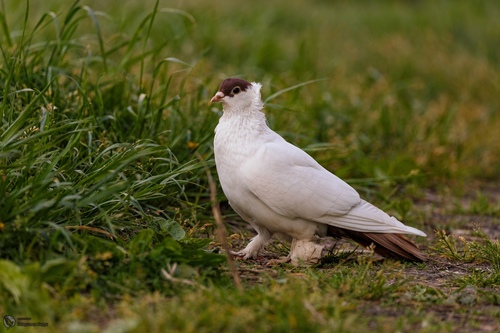
カワラバト (Columba livia) カワラバト
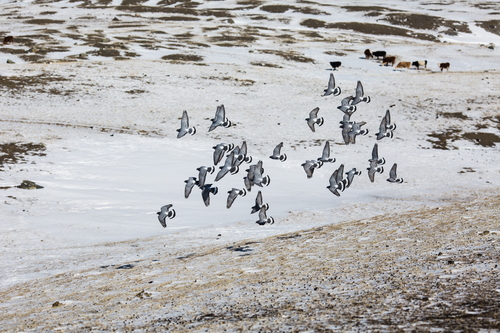
コウライバト (Columba rupestris) コウライバト

メディア

読み込み中…

要点

カワラバトとコウライバトを区別する最も信頼できるフィールドマークは、飛行中の尾のパターンです:コウライバトは黒い尾に広い白い尾帯を示しますが、カワラバトは黒い尾帯を持っていますが、広い白い帯はありません。両種はサイズと一般的な形状が似ていますが、コウライバトは全体的に色が薄く、背中に白い斑点があります。カワラバトはより均一に薄い灰色で、2本の黒い翼帯と白い下背部があります。これらの違いは、止まっている鳥と飛んでいる鳥の両方で見ることができますが、尾のパターンは特に飛行中に診断的です。両種は一部の地域で共存することがあるため、これらのマークに注意を払うことが重要です。

識別のコツ

  1. Tail pattern in flight: コウライバトは常に黒い尾に広い白い尾帯を示し、すべての年齢で見られ、特に飛行中や尾が扇状に広げられたときに明確です。カワラバトは黒い尾帯を持っていますが、広い白い帯はありませんが、外側の尾羽は狭く白い縁取りがある場合があります;これは最も信頼できるフィールドマークです。
  2. Mantle and upperwing color: コウライバトはカワラバトに比べて背中と上翼が明らかに薄いです。これは止まっている鳥や良い光の中で見ることができます。
  3. White patch on back: コウライバトは背中に白い斑点を示し、止まっているときや飛んでいるときに見えることがあります。カワラバトは白い下背部を持っていますが、コウライバトのような明確な白い斑点はありません。
  4. Wing bars: 両種はそれぞれの翼に2本の黒い帯を持っているため、これは信頼できる区別にはなりません。
  5. Iridescence on neck: 両種は首に緑がかった赤紫色の光沢を示しますが、カワラバトの方が特にオスで強いです;これは微妙で、フィールドでは常に見えるわけではありません。
  6. Head and body shape: 両種は似たような比率の頑丈な体型の鳩です;構造は信頼できる区別にはなりません。
  7. Feet and bill: 両種は赤からピンクの足と灰黒のくちばしを持ち、淡いセレがあります;これらの特徴は区別には役立ちません。
  8. Juvenile plumage: 重要な尾と背中の違いはすべての年齢に存在するため、未成熟の鳥も成鳥と同じマークで区別できます。
  9. Flight style: 両種は強い飛行能力を持ち、頻繁に滑空します;飛行スタイルは診断的ではありません。
  10. Habitat context: 高地の開けた険しい地形、特に1,500 m以上で見られる場合、コウライバトの可能性が高いです。都市部や低地の崖では、カワラバト(野生種を含む)の可能性が高いですが、重複に注意してください。
  11. Mixing flocks: 重複する地域では、両種が一緒に発生し、群れの中で混ざることもあるため、尾のパターンを注意深く確認してください。
  12. Vocalizations: 両種は似たような柔らかいクークー音を持っています;声に頼って区別しないでください。
  13. Domesticated/feral confusion: 多くの都市の「鳩」は、変動する羽毛を持つ野生のカワラバトです;野生型のカワラバトだけが古典的なフィールドマークを示します。コウライバトは家畜化されておらず、外見がより一貫しています。
  14. Sex and season: 両性は似ています;重要なマークの季節変動は最小限です。コウライバトは高地で早く繁殖することがありますが、これはフィールドマークには影響しません。
  15. Common pitfalls: カワラバトの白い下背部をコウライバトの広い白い尾帯と混同しないでください;自信を持って識別するために、常に飛行中の尾のパターンを探してください。

大きさ

両種はサイズと体型が似た頑丈な鳩です。カワラバトは体重が約280.5 gで、コウライバトはサイズと一般的な外観が似ているとされています。フィールドでは一貫したサイズの違いは確認されていないため、サイズだけでは信頼できる区別にはなりません。

羽色

最も重要な羽毛の違いは尾にあります:すべての年齢のコウライバトは黒い尾に広い白い尾帯を示し、これは飛行中や尾が扇状に広げられたときに非常に目立ちます。カワラバトは黒い尾帯を持っていますが、広い白い帯はありませんが、外側の尾羽は狭く白い縁取りがあります。コウライバトはまた、背中に白い斑点があり、全体的にカワラバトよりも薄く見えます。カワラバトはより均一に薄い灰色で、各翼に2本の黒い帯と白い下背部があります。両種は赤からピンクの足を持ち、似たような頭と首の光沢がありますが、カワラバトの首はより強い光沢があります。未成熟と成鳥の羽毛はこれらの重要なマークのパターンが似ているため、尾のパターンはすべての年齢で診断的です。

行動

両種は群れを作り、しばしば一緒に見られます。カワラバトは騒がしい拍手のような離陸と翼を叩くまたは尾を扇ぐディスプレイ飛行で知られています。コウライバトもカワラバトに似たお辞儀や求愛行動を示します。両種は主に種子や穀物を食べますが、コウライバトはより機会主義的で、他の動物からの残り物や部分的に消化された食物を食べることがあります。両種は人間の集落の近くで見られることがあり、コウライバトはより高い標高や険しい地形で見られることが多いです。

生息環境

カワラバトは家畜化された鳩の祖先であり、広く分布しており、都市部、崖、開けた国でよく見られます。コウライバトは高地(1,500–6,100 m)の開けた険しい国を好み、しばしば崖、渓谷、岩の突起に巣を作りますが、山岳地域の人間の集落の近くでも見られることがあります。彼らの生息域が重なる場所では、コウライバトは高地の開けた風景で見られる可能性が高く、カワラバト(野生種を含む)は低地や都市で一般的です。

声

両種はコロンバ鳩に典型的な似たような柔らかいクークー音を持っています。カワラバトの鳴き声は柔らかく、わずかに揺れる「クルーウー」となっており、警報や巣の鳴き声に変化があります。コウライバトは特に異なる声を持っているとは記述されておらず、両種は求愛中に似たようなお辞儀やストライティング行動を示します。鳴き声はこれらの2種の間で信頼できる診断にはなりません。

より良い説明を送る

比較と同じ項目を使ってください。文章はすぐに公開されます。

The most reliable field mark to separate Rock Dove from Hill Pigeon is the tail pattern in flight: Hill Pigeon shows a broad, white tail-band across the black tail, while Rock Dove has a black tail band but lacks the broad white band. Both species are similar in size and general shape, but Hill Pigeon is paler overall, with a paler mantle and upperwings, and a white patch on the back. Rock Dove is more uniformly pale grey with two black wing bars and a white lower back. These differences are visible in both perched and flying birds, but the tail pattern is especially diagnostic in flight. Both species can occur together in some regions, so careful attention to these marks is essential.

  1. Tail pattern in flight: Hill Pigeon always shows a broad, white tail-band across a black tail, visible in all ages and especially clear in flight or when the tail is fanned. Rock Dove has a black tail band but lacks the broad white band, though the outer tail feathers may be narrowly edged white; this is the single most reliable field mark.
  2. Mantle and upperwing color: Hill Pigeon is noticeably paler on the mantle and upperwings compared to Rock Dove, which is more uniformly pale grey. This can be seen in perched birds and in good light.
  3. White patch on back: Hill Pigeon shows a white patch on the back, which can be visible when perched or in flight. Rock Dove has a white lower back, but not a distinct white patch as in Hill Pigeon.
  4. Wing bars: Both species have two black bars on each wing, so this is not a reliable separator.
  5. Iridescence on neck: Both show greenish to reddish-purple iridescence on the neck, but Rock Dove's is more intense, especially in males; this is subtle and not always visible in the field.
  6. Head and body shape: Both are stout-bodied pigeons with similar proportions; structure is not a reliable separator.
  7. Feet and bill: Both have red to pink feet and a grey-black bill with a pale cere; these features are not useful for separation.
  8. Juvenile plumage: Key tail and mantle differences are present in all ages, so immature birds can be separated by the same marks as adults.
  9. Flight style: Both are strong fliers and glide frequently; flight style is not diagnostic.
  10. Habitat context: If seen in high-altitude, open, rugged terrain, especially above 1,500 m, Hill Pigeon is more likely. In urban areas or lowland cliffs, Rock Dove (including ferals) is more likely, but beware of overlap.
  11. Mixing flocks: In areas of overlap, both species can occur together and even mix in flocks, so always check tail pattern carefully.
  12. Vocalizations: Both have similar soft cooing calls; do not rely on voice for separation.
  13. Domesticated/feral confusion: Many urban 'pigeons' are feral Rock Doves with variable plumage; only wild-type Rock Doves show the classic field marks. Hill Pigeon is not domesticated and is more consistent in appearance.
  14. Sex and season: Both sexes are similar; seasonal variation is minimal for key marks. Hill Pigeon may breed earlier at high altitude, but this does not affect field marks.
  15. Common pitfalls: Do not confuse the white lower back of Rock Dove with the broad white tail-band of Hill Pigeon; always look for the tail pattern in flight for a confident ID.

Both species are stout-bodied pigeons of similar size and build. The Rock Dove averages about 280.5 g in body mass [wikidata], and the Hill Pigeon is described as similar in size and general appearance [wikipedia]. No consistent size difference is noted in the field, so size alone is not a reliable separator.

The most important plumage difference is in the tail: Hill Pigeon of all ages shows a broad, white tail-band across the black tail, which is highly visible in flight and when the tail is fanned. Rock Dove has a black tail band but lacks the broad white band, though the outer tail feathers are narrowly edged white. Hill Pigeon also has a paler mantle and upperwings and a white patch on the back, making it look paler overall than Rock Dove. Rock Dove is more uniformly pale grey, with two black bars on each wing and a white lower back. Both species have red to pink feet and similar head and neck iridescence, though Rock Dove's neck is more intensely glossy. Juvenile and adult plumages are similar in pattern for these key marks, so the tail pattern is diagnostic at all ages.

Both species are gregarious and often found in flocks, sometimes mixing together. Rock Doves are known for noisy, clapping take-offs and display flights with wing clapping or tail fanning. Hill Pigeons also display bowing and courtship similar to Rock Doves. Both species feed mainly on seeds and grains, but Hill Pigeon can be more opportunistic, sometimes feeding on leftover or partially digested food from other animals. Both species are tame and may be found near human settlements, but Hill Pigeon is more often found at higher elevations and in more rugged terrain.

Rock Dove is the ancestor of domestic and feral pigeons and is widespread, often found in urban areas, cliffs, and open country. Hill Pigeon prefers open, rugged country at higher elevations (1,500–6,100 m), often nesting on cliffs, gorges, and rocky outcrops, but can also be found near human settlements in mountainous regions. Where their ranges overlap, Hill Pigeon is more likely in high-altitude, open landscapes, while Rock Dove (including ferals) is common at lower elevations and in cities.

Both species have similar soft cooing calls typical of Columba pigeons. Rock Dove's call is a soft, slightly wavering 'crruoo-u', with variations for alarm and nest calls. Hill Pigeon is not described as having a distinctively different voice, and both display similar bowing and strutting behaviors during courtship. Vocalizations are not reliably diagnostic between these two species.

変更を破棄しますか?

保存していない編集があります。今離れると失われます。

カワラバト · コウライバト · 苦手な鳥