

Motmot

ウトウ 対 アメリカウミスズメ

Cerorhinca monocerata 対 Ptychoramphus aleuticus

ウトウとアメリカウミスズメのクイズ
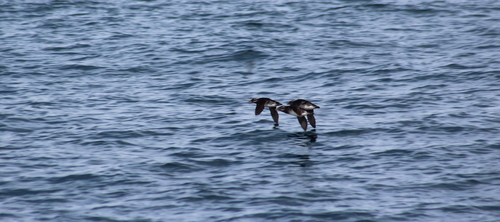
ウトウ (Cerorhinca monocerata) ウトウ
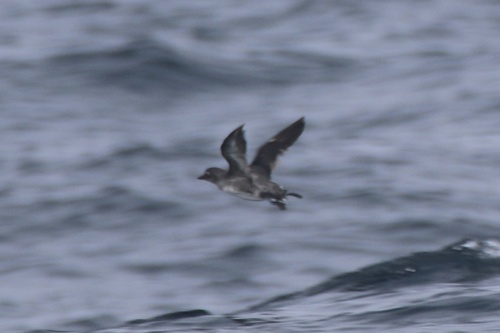
アメリカウミスズメ (Ptychoramphus aleuticus) アメリカウミスズメ

メディア

読み込み中…

要点

ウツウとアメリカウミスズメを区別する最も信頼できるフィールドマークは、前者の大きくて厚いオレンジブラウンのくちばしに目立つ角(繁殖期の成鳥に見られる)であり、後者のはるかに小さく、暗いくちばしには淡い斑点があります。ウツウはまた、かなり大きくてずんぐりした体形をしており、全体的により力強い構造を持っていますが、アメリカウミスズメはコンパクトで丸い体をしており、飛行中は「テニスボールのよう」と表現されることがよくあります。羽毛は大まかには似ていますが—上面は暗く、下面は淡いですが—繁殖期のウツウの成鳥だけが白い顔の羽毛と角を示します。アメリカウミスズメには劇的な季節変化はありません。未成熟または非繁殖のウツウはやや難しいですが、すべての年齢でくちばしはアメリカウミスズメよりも厚く淡いままです。両種は海や巣穴のコロニー近くで見ることができますが、そのサイズとくちばしの形が最良のフィールドの手がかりです。

識別のコツ

  1. くちばしの形と色: ウツウは常に厚く深いくちばしを持ち、成鳥はオレンジブラウンで、繁殖期には目立つ角があります。アメリカウミスズメははるかに小さく、薄い、暗いくちばしを持ち、淡い斑点があり、角はありません。これはすべての年齢で最も信頼できるマークです。
  2. 顔の羽毛と角(繁殖期のウツウのみ): 繁殖期には、目の上とくちばしの後ろに白い羽毛を探し、くちばしの角も確認してください。アメリカウミスズメはこれらの特徴を示しません。
  3. サイズと形: ウツウははるかに大きくてずんぐりしており、体と頭がより細長いです。アメリカウミスズメは小さく、丸い体をしており、コンパクトで、飛行中は「テニスボールのよう」と表現されることがよくあります。
  4. 飛行の特徴: 飛行中のアメリカウミスズメは、小さくて速い、丸いボールのように見え、翼の羽ばたきが速いです。ウツウはより重く、力強く見え、翼の羽ばたきは遅く、深いです。
  5. 未成熟/非繁殖時のくちばしの色: 角や羽毛がない場合でも、ウツウのくちばしはすべての年齢でアメリカウミスズメよりも厚く淡いままです。アメリカウミスズメは常に小さく、暗いくちばしを持ち、淡い斑点があります。
  6. 顔の模様: アメリカウミスズメは目の上に小さな白い斑点がありますが、劇的な顔の羽毛はありません。ウツウ(繁殖期)は太い白い羽毛を持っていますが、それ以外は顔は地味ですが、くちばしは目立ちます。
  7. 羽毛: 両種とも上面は暗く、下面は淡いです。上翼や下翼の模様において、どちらの種にも強い違いは記載されていません。
  8. 足の色: アメリカウミスズメは青い足を持っていますが、これはフィールドではほとんど見えません。
  9. 海での行動: アメリカウミスズメはボートから距離を置いて逃げる傾向がありますが、ウツウはあまり警戒心がなく、飛行能力が劣るため、陸から離陸するのに傾斜を必要とすることがよくあります。
  10. コロニーの文脈: 両種は巣穴に巣を作りますが、アメリカウミスズメは南部のコロニーで年間を通じて存在する可能性が高いのに対し、ウツウはより厳密に季節的です。
  11. 採餌行動: ウツウはくちばしで魚を横に運び(パフィンのように)、アメリカウミスズメは袋から食べ物を吐き戻します—直接観察されることは稀ですが、見られた場合は手がかりになることがあります。
  12. アメリカウミスズメの劇的な季節変化なし: アメリカウミスズメは年間を通じて同じように見えます; 明らかな季節的な顔の特徴を持つ鳥を見た場合、それはウツウです。
  13. 年齢特有の上翼のマークなし: どちらの種も飛行中に特有の幼鳥や未成熟の翼の模様を示さないため、構造とくちばしに焦点を当ててください。
  14. フィールドでの性差なし: 両性は似て見えます; ウツウのサイズの違いは小さく、フィールドでは役に立ちません。
  15. 疑問がある場合は、くちばしのサイズと形に頼る: すべてが失敗した場合、ウツウの厚く淡いくちばし(角の有無にかかわらず)が、アメリカウミスズメの小さく暗いくちばしとの最良の区別です。

大きさ

ウツウはアメリカウミスズメ(平均177 g)よりもはるかに大きくて重い(平均483 g)です [wikidata]。このサイズの違いは、直接比較または経験によって明らかです: ウツウは頑丈で細長く見え、アメリカウミスズメは著しく小さくてコンパクトです。飛行中、アメリカウミスズメは飛んでいるテニスボールのように見え、その丸さと小ささを強調します。直接比較がなくても、ウツウの体重と長さは際立っています。

羽色

どちらの種についても年齢特有の上翼や飛行パターンのマークは記載されていないため、顔とくちばしの特徴に焦点が当てられます。繁殖期の成鳥ウツウはくちばしに角があり、目の上とくちばしの後ろに白い羽毛を示します—これらはすべてのアメリカウミスズメと非繁殖または未成熟のウツウにはありません。アメリカウミスズメは常に地味な顔をしており、目の上に小さな白い斑点と淡い斑点のある暗いくちばししか持っていません。両種とも上面は暗く、下面は淡いですが、アメリカウミスズメには劇的な季節的または年齢に関連した羽毛の変化はありません。未成熟および非繁殖のウツウは角と羽毛を失いますが、くちばしはすべての年齢でアメリカウミスズメよりも厚く淡いままです。

行動

両種は巣穴に巣を作り、コロニーでは主に夜行性であり、捕食者を避けるために暗闇の中で出入りします。海では、アメリカウミスズメはしばしば沖合の遠洋水域で見られ、時には水中の特徴と関連しており、ボートから距離を置くことが知られています。ウツウも海で餌を取りますが、その大きなサイズと飛行能力の低さ(傾斜のある離陸地点を好む)は、陸から離陸する際に観察されると気づかれることがあります。両種は夜に雛に食べ物を運びますが、ウツウはくちばしで魚を運び(パフィンのように)、アメリカウミスズメは喉袋から食べ物を吐き戻します。

生息環境

両種は北太平洋の沖合の島で繁殖し、巣穴を掘ったり自然の空洞を利用したりします。アメリカウミスズメはその分布の南部のコロニーで年間を通じて見つかる可能性が高いのに対し、ウツウは繁殖期の外でより広範囲に移動します。海では、アメリカウミスズメは澄んだ遠洋水域を好み、船を避ける傾向があるため、過小評価されることがあります。両種は一部の地域で共存することがありますが、アメリカウミスズメは特にブリティッシュコロンビア州のトライアングル島周辺で非常に多く見られます。

より良い説明を送る

比較と同じ項目を使ってください。文章はすぐに公開されます。

The most reliable field mark separating Rhinoceros Auklet from Cassin's Auklet is the large, thick orange-brown bill with a prominent horn (in breeding adults) on the former, compared to the much smaller, dark bill with a pale spot on the latter. Rhinoceros Auklet is also significantly larger and bulkier, with a more powerful overall structure, while Cassin's Auklet is compact and round-bodied, often described as 'tennis-ball-like' in flight. Plumage is broadly similar—dark above, pale below—but only Rhinoceros Auklet adults in breeding season show white facial plumes and the horn. Cassin's Auklet lacks any dramatic seasonal changes. Immature or non-breeding Rhinoceros Auklet can be trickier, but the bill remains thicker and paler than Cassin's at all ages. Both species may be seen at sea or near burrow colonies, but their size and bill shape are the best field clues.

  1. Bill shape and color: Rhinoceros Auklet always has a thick, deep bill that is orange-brown in adults, with a prominent horn in breeding season. Cassin's Auklet has a much smaller, thinner, dark bill with a pale spot; never a horn. This is the single most reliable mark at all ages.
  2. Facial plumes and horn (breeding Rhinoceros Auklet only): In breeding season, look for white plumes above the eye and behind the bill, plus the horn on the bill. Cassin's Auklet never shows these features.
  3. Size and shape: Rhinoceros Auklet is much larger and bulkier, with a more elongated body and head. Cassin's Auklet is small, round-bodied, and compact—often described as 'tennis-ball-like' in flight.
  4. Flight jizz: Cassin's Auklet in flight appears as a small, fast, round ball with rapid wingbeats. Rhinoceros Auklet looks heavier and more powerful, with slower, deeper wingbeats.
  5. Bill color in immatures/non-breeding: Even when the horn and plumes are absent, Rhinoceros Auklet's bill remains thicker and paler than Cassin's at all ages. Cassin's always has a small, dark bill with a pale spot.
  6. Facial pattern: Cassin's Auklet has a small white mark above the eye, but lacks any dramatic facial plumes. Rhinoceros Auklet (in breeding) has bold white plumes; otherwise, its face is plain but the bill still stands out.
  7. Plumage: Both are dark above and pale below. No strong differences in upperwing or underwing pattern are described for either species.
  8. Feet color: Cassin's Auklet has blue feet, but this is rarely visible in the field.
  9. At-sea behavior: Cassin's Auklet tends to flush at a distance from boats, while Rhinoceros Auklet may be less wary but is a poorer flier, often needing a slope to take off from land.
  10. Colony context: Both nest in burrows, but Cassin's Auklet may be present year-round in southern colonies, while Rhinoceros Auklet is more strictly seasonal.
  11. Feeding behavior: Rhinoceros Auklet carries fish crosswise in its bill (like puffins), while Cassin's Auklet regurgitates food from a pouch—rarely observed directly, but can be a clue if seen.
  12. No dramatic seasonal change in Cassin's: Cassin's Auklet looks the same year-round; if you see a bird with obvious seasonal facial features, it's a Rhinoceros Auklet.
  13. No age-specific upperwing marks: Neither species shows distinctive juvenile or immature wing patterns in flight, so focus on structure and bill.
  14. No sexual dimorphism in field: Both sexes look alike; size difference in Rhinoceros Auklet is minor and not useful in the field.
  15. If in doubt, default to bill size and shape: When all else fails, the thick, pale bill of Rhinoceros Auklet (with or without horn) is the best separator from the tiny, dark bill of Cassin's Auklet.

Rhinoceros Auklet is much larger and heavier (average 483 g) than Cassin's Auklet (average 177 g) [wikidata]. This size difference is obvious in direct comparison or with experience: Rhinoceros Auklet appears robust and elongated, while Cassin's Auklet is notably small and compact. In flight, Cassin's Auklet looks like a flying tennis ball, emphasizing its roundness and diminutive size. Even without direct comparison, the bulk and length of Rhinoceros Auklet stand out.

No age-specific upperwing or flight pattern marks are described for either species in the sources, so focus falls on facial and bill features. Breeding adult Rhinoceros Auklet shows a horn on the bill and white plumes above the eye and behind the bill—these are absent in all Cassin's Auklets and in non-breeding or immature Rhinoceros Auklets. Cassin's Auklet is always plain-faced, with only a small white mark above the eye and a dark bill with a pale spot. Both species are dark above and pale below, but Cassin's Auklet lacks any dramatic seasonal or age-related plumage changes. Immature and non-breeding Rhinoceros Auklets lose the horn and plumes, but the bill remains thicker and paler than Cassin's at all ages.

Both species nest in burrows and are mostly nocturnal at colonies, arriving and departing under cover of darkness to avoid predators. At sea, Cassin's Auklet is often seen offshore in pelagic waters, sometimes in association with underwater features, and is known to move away from boats at a distance. Rhinoceros Auklet also feeds at sea, but its larger size and poorer flight ability (prefers sloped takeoff sites) can be noticed if observed taking off from land. Both species carry food back to chicks at night, but Rhinoceros Auklet carries fish in its bill (like puffins), while Cassin's Auklet regurgitates food from a gular pouch.

Both species breed on offshore islands in the North Pacific, digging burrows or using natural cavities. Cassin's Auklet is more likely to be found year-round at colonies in the southern part of its range, while Rhinoceros Auklet migrates more widely outside the breeding season. At sea, Cassin's Auklet prefers clear, pelagic waters and may be undercounted due to its tendency to avoid ships. Both can occur together in some areas, but Cassin's Auklet is especially numerous around Triangle Island, BC.

変更を破棄しますか?

保存していない編集があります。今離れると失われます。

ウトウ · アメリカウミスズメ · 苦手な鳥