

Motmot

トウネン 対 ヒレアシトウネン

Calidris ruficollis 対 Calidris pusilla

トウネンとヒレアシトウネンのクイズ
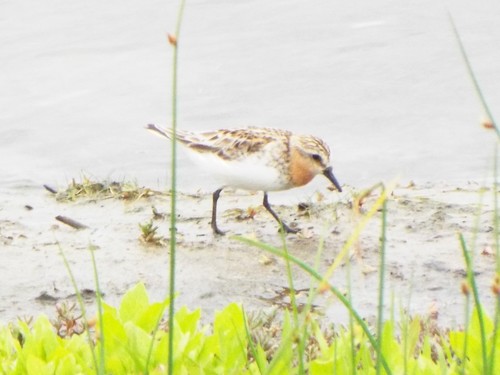
トウネン (Calidris ruficollis) トウネン
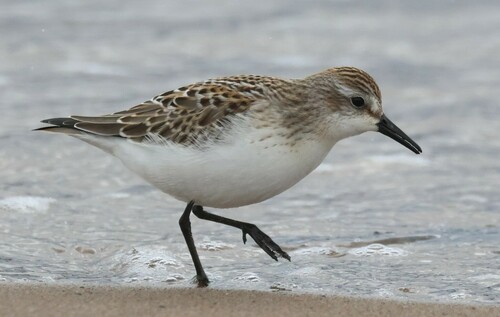
ヒレアシトウネン (Calidris pusilla) ヒレアシトウネン

メディア

読み込み中…

要点

トウネンとヒレアシトウネンはどちらも小さく、暗い脚を持つ海鳥で、特に非繁殖期や幼鳥の羽毛では区別が非常に難しい。最も信頼できるフィールドマークは、ヒレアシトウネンの指の間に部分的な水かきがあることで、トウネンにはこれがないが、これは近くで見るか写真を撮らないとほとんど見えない。フィールドでは、くちばしの形状と長さ、脚の長さ、構造と動きの微妙な違いに注目する。繁殖期のトウネンは特徴的なオレンジ色の胸と背中の白いV字を示すが、ほとんどの混乱は鈍い羽毛で生じ、サイズ、くちばし、主羽の突出に注意を払う必要がある。

識別のコツ

  1. Toe webbing: ヒレアシトウネンは指の基部の間に部分的な水かきがある; トウネンにはない。これは最も決定的なマークだが、足の近くでの視認または写真が必要。
  2. Bill shape and length: トウネンは細く、薄く、真っ直ぐなくちばしを持ち、繊細な先端がある; ヒレアシトウネンのくちばしは短く、頑丈で真っ直ぐで、しばしば鈍く見える。この違いは微妙だが重要で、特に横からの視点で。
  3. Leg length: トウネンはヒレアシトウネンよりも脚が短い。直接比較では、トウネンの方が低く、より水平な姿勢を探す。
  4. Primary projection: トウネンはヒレアシトウネンに比べて主羽の突出が長い(翼の先端が尾を大きく超える)。これにより、トウネンは休んでいるときにより細長く、コンパクトではなく見える。
  5. Breeding plumage: トウネンだけが、ストライプのないオレンジ色の胸と背中の白いV字を示し、下には暗いマークがある。ヒレアシトウネンはこの組み合わせを示さない。
  6. Juvenile upperparts: 幼鳥のトウネンは、同じ年齢のヒレアシトウネンよりも対照的な背羽と弱い白いラインを持っている。トウネンの幼鳥には、鮮明で鱗状の外観を探す。
  7. Non-breeding/winter plumage: 両種は上面が単調な灰褐色で、下面が白くなるが、トウネンはヒレアシトウネンよりも胸や側面のストライプが少なく、よりクリーンに見える傾向がある。
  8. Face pattern: 微妙で常に信頼できるわけではないが、トウネンはやや平坦な顔を示すことがあり、ヒレアシトウネンは淡い眉斑やより拡散した頭部のマークを示すことがある。
  9. Movement and jizz: トウネンはしばしば、餌を取る動作がより速く、より活発であると説明され、ヒレアシトウネンはより安定していて頑丈である。これはあくまで補助的な証拠として使用する。
  10. Size: トウネンはわずかに小さく、軽いが、重なりがある; 直接比較でのみ使用。
  11. Location and context: 北アメリカでは、ヒレアシトウネンの中にいるトウネンは迷鳥である可能性が高い; オーストラレーシアではその逆が真である。常に構造的および羽毛のマークで確認する。
  12. Call: トウネンはかすれた「stit」と鳴く; ヒレアシトウネンの鳴き声はこの文脈では特異ではない。
  13. Flock association: 両種は他の小さなカリドリスと混ざることがあるため、群れの構成は診断的ではない。
  14. Sex and age: 明確な性的二形性はない; 上記のように年齢に関連する羽毛と構造に注目する。
  15. Pitfalls: 鈍い幼鳥や非繁殖の鳥には注意が必要で、ほとんどのマークは微妙で重なりが高い。可能な限り、くちばし、指の水かき、主羽の突出を優先する。

大きさ

両種は最も小さな海鳥の中に含まれるが、トウネンは全体的にわずかに小さく、より繊細である。トウネンは長さが13–17 cmで、典型的な質量は約26 g [wikidata]、一方、ヒレアシトウネンは15–18 cmの長さで、最大51.5 g [wikipedia]までの重さになる。混合群れでは、トウネンはわずかに脚が短く、よりコンパクトに見えることがあるが、サイズの重なりはかなりあり、単独の鳥に対して常に信頼できるわけではない。

羽色

幼鳥と非繁殖羽毛は最も混同されやすい。幼鳥のトウネンは、同じ年齢のヒレアシトウネンに比べて、より対照的な背羽と弱い白いラインを示す。繁殖期の成鳥トウネンは、ストライプのないオレンジ色の胸と背中の白いV字を持ち、下には暗いマークがある点で、これら二種の中でユニークである—ヒレアシトウネンはこれらの特徴を示さない。冬には、両種は上面が鈍い灰褐色で、下面が白くなるが、トウネンはよりクリーンで淡い外観を持ち、胸や側面のストライプが少ない傾向がある。ヒレアシトウネンはすべての羽毛で短く、頑丈で真っ直ぐな暗いくちばしを持ち、上面は暗い灰褐色で、頭部と首には淡い灰褐色の洗いがある。指の間の水かきは構造的な違いであり、羽毛のマークではないが、視認できれば重要な分離点である。

行動

トウネンは、迅速でダートするような動きで餌を取ることが多く、より活発に動くと説明される。ヒレアシトウネンも活発に餌を探すが、わずかに頑丈で、より落ち着いて見えることがある。両種は非常に群れを成す傾向があり、他の小さなカリドリスと大きな混合群れを形成することがあるため、行動だけでは診断的ではないが、他のマークと組み合わせることで文脈を加えることができる。

生息環境

トウネンはロシア北東部で繁殖し、東南アジアとオーストラレーシアの海岸で越冬する一方、ヒレアシトウネンはカナダとアラスカの南部ツンドラで繁殖し、南アメリカの沿岸、南部アメリカ、カリブ海で越冬する。両種は移動中や冬に干潟や沿岸湿地を利用する。北アメリカでは、トウネンは珍しい迷鳥であり、ヒレアシトウネンは一般的である。オーストラレーシアではその逆が真である。

声

トウネンはかすれた「stit」と鳴く。提供された情報源には、ヒレアシトウネンの特異な鳴き声の違いは記載されておらず、声はほとんどのフィールド状況でこれら二種を区別するための信頼できるフィールドマークではない。

より良い説明を送る

比較と同じ項目を使ってください。文章はすぐに公開されます。

Red-necked Stint and Semipalmated Sandpiper are both tiny, dark-legged shorebirds that can be extremely challenging to separate, especially in non-breeding or juvenile plumages. The most reliable field mark is the presence of partial webbing between the toes on Semipalmated Sandpiper, which Red-necked Stint lacks, but this is rarely visible without close views or photos. In the field, focus on bill shape and length, leg length, and subtle differences in structure and movement. Breeding Red-necked Stint shows a distinctive orange breast and white V on the back, but most confusion arises in duller plumages, where careful attention to size, bill, and primary projection is needed.

  1. Toe webbing: Semipalmated Sandpiper has partial webbing between the bases of the toes; Red-necked Stint does not. This is the single most definitive mark but requires close views or photos of the feet.
  2. Bill shape and length: Red-necked Stint has a fine, thin, and straight bill with a delicate tip; Semipalmated Sandpiper's bill is short, stout, and straight, often looking blunter and thicker. This difference is subtle but important, especially in profile views.
  3. Leg length: Red-necked Stint is shorter-legged than Semipalmated Sandpiper. In direct comparison, look for a lower, more horizontal stance in Red-necked Stint.
  4. Primary projection: Red-necked Stint has a longer primary projection (wing tips extending well beyond the tail) compared to Semipalmated Sandpiper. This makes Red-necked Stint look more attenuated and less compact when at rest.
  5. Breeding plumage: Only Red-necked Stint shows an unstreaked orange breast and a white V on the back, bordered below by dark markings. Semipalmated Sandpiper never shows this combination.
  6. Juvenile upperparts: Juvenile Red-necked Stint has more contrasting mantle feathers and weaker white lines down the back than juvenile Semipalmated Sandpiper. Look for a crisp, scaly look in Red-necked Stint juveniles.
  7. Non-breeding/winter plumage: Both species become plain grey-brown above and white below, but Red-necked Stint tends to appear cleaner, with less breast and flank streaking than Semipalmated Sandpiper.
  8. Face pattern: Subtle and not always reliable, but Red-necked Stint may show a slightly plainer face, while Semipalmated Sandpiper can show a faint supercilium and more diffuse head markings.
  9. Movement and jizz: Red-necked Stint is often described as quicker and more frenetic in its feeding action, while Semipalmated Sandpiper is steadier and bulkier. Use this only as supporting evidence.
  10. Size: Red-necked Stint is slightly smaller and lighter, but there is overlap; use only in direct comparison.
  11. Location and context: In North America, a stint among Semipalmated Sandpipers is likely to be a vagrant Red-necked Stint; in Australasia, the reverse is true. Always confirm with structural and plumage marks.
  12. Call: Red-necked Stint gives a hoarse "stit"; Semipalmated Sandpiper's call is not distinctive in this context.
  13. Flock association: Both species may mix with other small Calidris, so flock composition is not diagnostic.
  14. Sex and age: No strong sexual dimorphism; focus on age-related plumage and structure as above.
  15. Pitfalls: Beware of dull juveniles and non-breeding birds, where most marks are subtle and overlap is high. Prioritize bill, toe webbing, and primary projection when possible.

Both species are among the smallest shorebirds, but Red-necked Stint is slightly smaller and more delicate overall. Red-necked Stint measures 13–17 cm in length with a typical mass around 26 g [wikidata], while Semipalmated Sandpiper is 15–18 cm long and can weigh up to 51.5 g [wikipedia]. In mixed flocks, Red-necked Stint may appear a touch shorter-legged and more compact, but size overlap is considerable and not always reliable for single birds.

Juvenile and non-breeding plumages are most often confused. Juvenile Red-necked Stint shows more contrasting mantle feathers and weaker white lines down the back compared to similar-aged Semipalmated Sandpiper. Breeding adult Red-necked Stint is unique among these two for its unstreaked orange breast and a white V on the mantle, bordered below by dark markings—features not shown by Semipalmated Sandpiper. In winter, both species become drab grey-brown above and white below, but Red-necked Stint tends to look cleaner and paler, with less streaking on the breast and flanks. Semipalmated Sandpiper in all plumages has a short, stout, straight dark bill, and the upperparts are dark grey-brown with a light grey-brown wash on the head and neck. The webbing between the toes is a structural difference, not a plumage mark, but is a key separation point if visible.

Red-necked Stint is described as quicker moving and more active, often feeding with rapid, darting movements. Semipalmated Sandpiper also forages actively but may appear slightly bulkier and less frenetic. Both species are highly gregarious and may form large mixed flocks with other small Calidris, so behavior alone is rarely diagnostic but can add context when combined with other marks.

Red-necked Stint breeds in northeast Russia and winters along Southeast Asian and Australasian coastlines, while Semipalmated Sandpiper breeds in the southern tundra of Canada and Alaska and winters in coastal South America, the southern US, and the Caribbean. Both species use mudflats and coastal wetlands on migration and in winter. In North America, Red-necked Stint is a rare vagrant, while Semipalmated Sandpiper is common. In Australasia, the reverse is true.

Red-necked Stint gives a hoarse "stit" call. No distinctive vocal differences are noted for Semipalmated Sandpiper in the provided sources, and voice is not a reliable field mark for separating these two in most field situations.

変更を破棄しますか?

保存していない編集があります。今離れると失われます。

トウネン · ヒレアシトウネン · 苦手な鳥