

Motmot

トウネン 対 ヨーロッパトウネン

Calidris ruficollis 対 Calidris minuta

トウネンとヨーロッパトウネンのクイズ
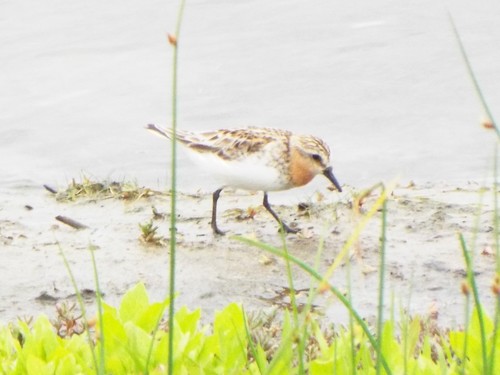
トウネン (Calidris ruficollis) トウネン
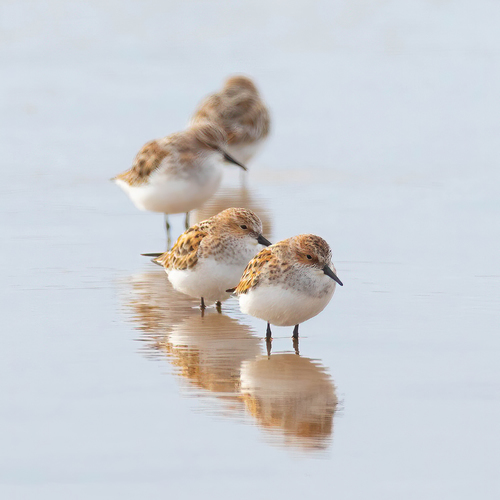
ヨーロッパトウネン (Calidris minuta) ヨーロッパトウネン

メディア

読み込み中…

要点

レッドネックトウネンとヨーロッパトウネンの最も信頼できるフィールドでの識別は、幼鳥の羽色にあります:幼鳥のヨーロッパトウネンは淡い冠の縞模様とピンクがかった胸を示し、幼鳥のレッドネックトウネンはより対照的な背中の模様と弱い白い線を持っています。両種は小さく、暗い脚を持つトウネンで、細いくちばしと似た構造をしていますが、脚の長さ、翼の突出、羽色の詳細—特に繁殖期と幼鳥において—の微妙な違いが役立ちます。冬には、両者は非常に似ていて識別が難しいですが、レッドネックトウネンは脚が短く、一次の突出が長い傾向があります。鳴き声は似ており、フィールドでの識別には信頼できません。

識別のコツ

  1. 幼鳥の羽色が最も良い識別ポイントです: 幼鳥のヨーロッパトウネンは淡い冠の縞模様とピンクがかった胸を示し、レッドネックトウネンの幼鳥はより対照的な背中の模様と弱い白い線を持っています。
  2. 繁殖期の成鳥の胸の色: レッドネックトウネンは、下に暗い模様がある無斑のオレンジ色の胸を持っています;ヨーロッパトウネンのオレンジ色の洗いはより広範囲になる可能性がありますが、喉は白いままです。
  3. 繁殖羽色の背中の模様: 両者は背中に強い白い「V」を持っていますが、胸のオレンジ色の境界と範囲を確認してください。
  4. 脚の長さ: レッドネックトウネンはヨーロッパトウネンよりもわずかに短い脚を持つ傾向があり、特に鳥が並んでいるときに目立ちます。
  5. 一次の突出: レッドネックトウネンはヨーロッパトウネンよりも一次の突出が長く(翼の先端が尾を越えてさらに伸びる)、横からのプロファイルや休んでいるときに最もよく見えます。
  6. くちばしの構造: 両者は細くて暗いくちばしを持っています;くちばしの形はこの二種の識別には信頼できません。
  7. 幼鳥の背中の対照: レッドネックトウネンの幼鳥はヨーロッパトウネンの幼鳥よりも対照的な背中を持っています。
  8. 幼鳥の冠の縞模様: 幼鳥のヨーロッパトウネンのみが淡い冠の縞模様を示し、レッドネックトウネンにはこの特徴がありません。
  9. 幼鳥の胸の色: 幼鳥のヨーロッパトウネンは胸にピンクがかった色合いがあり、レッドネックトウネンにはありません。
  10. 幼鳥の背中の白い線: レッドネックトウネンの幼鳥は、ヨーロッパトウネンと比較して背中の白い線が弱いです。
  11. 脚の色: 両者は暗い脚を持っています;脚の色を使って識別しないでください。
  12. 冬(非繁殖期)の羽色: 両種は非常に似ていて、識別が非常に難しくなります;構造的な手がかり(脚の長さ、翼の突出)が唯一の微妙なヒントです。
  13. 飛行時の視点: これら二種のための情報源には、特に上翼や飛行パターンの違いは記載されていません。
  14. 声: 両者は「スティット」と呼ぶ声を出します;識別には役立ちません。
  15. 地理的文脈: アフリカや南アジアで見られた場合、ヨーロッパトウネンの方がはるかに可能性が高いです;オーストラレーシアではレッドネックトウネンが優勢です。しかし、両者は迷鳥として出現することもあるため、常に羽色と構造を確認してください。

大きさ

両種はサイズがほぼ同じで、成鳥の体重はレッドネックトウネンが平均26.0g、ヨーロッパトウネンが25.55gです [wikidata]。体長と翼幅は完全に重なります(レッドネック:13–17 cm、28–37 cm;ヨーロッパトウネン:同様)。フィールドでは、サイズは混合群れの中でも信頼できる識別ポイントではありません。

羽色

幼鳥のヨーロッパトウネンは淡い冠の縞模様とピンクがかった胸を示し、これはレッドネックトウネンの幼鳥には存在しません。代わりに、幼鳥のレッドネックトウネンはより対照的な背中の模様と弱い白い線を持っています。繁殖羽色では、両種は胸にオレンジまたは赤褐色の洗いを発達させ、背中に強い白い「V」を持ちますが、レッドネックトウネンのオレンジは胸により制限され、下に暗い模様で囲まれています。一方、ヨーロッパトウネンのオレンジの洗いはより広範囲になる可能性があり、喉は白いままです。非繁殖(冬)羽色では、両者は地味で非常に似ており、微妙な違いがあります:レッドネックは脚が短く、翼が長く見える傾向があります。両者はすべての羽色で細い暗いくちばしと暗い脚を持っています。

行動

両種は非常に群れを成す傾向があり、他の小型のカリドリスのシギと一緒に群れを形成することがよくあります。彼らの採餌行動は似ており、泥干潟や湿った砂の上での素早く活発な動きです。フィールドでの識別のための情報源には、重要な行動の違いは記載されていません。

生息環境

レッドネックトウネンはロシア北東部で繁殖し、東南アジアとオーストラレーシアの海岸で冬を越します。ヨーロッパトウネンは北極のヨーロッパとアジアで繁殖し、アフリカと南アジアに南下して冬を越します。両者は移動中や冬に沿岸の泥干潟、河口、時には内陸の池を利用します。両者が迷鳥として出現する地域では、生息地の好みは診断的ではありません。

声

両種は鋭いまたはかすれた「スティット」と呼ぶ声を出し、フィールドでの識別には信頼できません。声はこの二種の識別には頼るべきではありません。

より良い説明を送る

比較と同じ項目を使ってください。文章はすぐに公開されます。

The most reliable field separation between Red-necked Stint and Little Stint is in juvenile plumage: juvenile Little Stints show pale crown stripes and a pinkish breast, while juvenile Red-necked Stints have more contrasting mantle patterns and weaker white lines down the back. Both species are tiny, dark-legged stints with fine bills and similar structure, but subtle differences in leg length, wing projection, and plumage details—especially in breeding and juvenile birds—can help. In winter, both are very similar and difficult to separate, but Red-necked Stint tends to have shorter legs and longer primary projection. Calls are similar and not reliable for field separation.

  1. Juvenile plumage is the best separator: Juvenile Little Stint shows pale crown stripes and a pinkish breast; Red-necked Stint juvenile has a more contrasting mantle and weaker white lines down the back.
  2. Breeding adult breast color: Red-necked Stint has an unstreaked orange breast bordered below by dark markings; Little Stint's orange wash may be more extensive, but the throat remains white.
  3. Back pattern in breeding plumage: Both have a strong white 'V' on the back, but check for the border and extent of orange on the breast.
  4. Leg length: Red-necked Stint tends to have slightly shorter legs than Little Stint, especially noticeable when birds are side by side.
  5. Primary projection: Red-necked Stint has a longer primary projection (wing tips extend further beyond the tail) than Little Stint, best seen in side profile or when at rest.
  6. Bill structure: Both have fine, dark bills; bill shape is not a reliable separator between these two.
  7. Mantle contrast in juveniles: Red-necked Stint juveniles have a more contrasting mantle than Little Stint juveniles.
  8. Crown stripes in juveniles: Only juvenile Little Stint shows pale crown stripes; Red-necked Stint lacks this feature.
  9. Breast color in juveniles: Juvenile Little Stint has a pinkish tinge to the breast, absent in Red-necked Stint.
  10. White lines on back in juveniles: Red-necked Stint juveniles have weaker white lines down the back compared to Little Stint.
  11. Leg color: Both have dark legs; do not use leg color to separate them.
  12. Winter (non-breeding) plumage: Both species become very similar and are extremely difficult to separate; structural clues (leg length, wing projection) are the only subtle hints.
  13. Flight views: No distinctive upperwing or flight pattern differences are noted in the sources for these two species.
  14. Voice: Both give a 'stit' call; not useful for separation.
  15. Geographical context: If seen in Africa or South Asia, Little Stint is far more likely; in Australasia, Red-necked Stint predominates. However, both can occur as vagrants, so always check plumage and structure.

Both species are virtually identical in size, with adult body mass averaging 26.0 g for Red-necked Stint and 25.55 g for Little Stint [wikidata]. Length and wingspan overlap completely (Red-necked: 13–17 cm, 28–37 cm; Little Stint: similar). In the field, size is not a reliable separator, even in mixed flocks.

Juvenile Little Stints show pale crown stripes and a pinkish breast, which are not present in Red-necked Stint juveniles. Instead, juvenile Red-necked Stints have a more contrasting mantle and weaker white lines down the back. In breeding plumage, both species develop an orange or rufous wash to the breast and a strong white 'V' on the back, but Red-necked Stint's orange is more confined to the breast and is bordered below by dark markings, while Little Stint's orange wash can be more extensive and the throat remains white. In non-breeding (winter) plumage, both become drab and very similar, with subtle differences: Red-necked tends to look shorter-legged and longer-winged. Both have fine dark bills and dark legs in all plumages.

Both species are highly gregarious and often form flocks with other small Calidris waders. Their foraging behavior is similar—quick, active movements on mudflats or wet sand. No significant behavioral differences are noted in the sources for field separation.

Red-necked Stint breeds in northeast Russia and winters along Southeast Asian and Australasian coastlines. Little Stint breeds in arctic Europe and Asia, wintering south to Africa and South Asia. Both use coastal mudflats, estuaries, and sometimes inland pools on migration or in winter. In regions where both occur as vagrants, habitat preference is not diagnostic.

Both species give a sharp or hoarse 'stit' call, which is not reliably separable in the field. Voice should not be relied upon for identification between these two.

変更を破棄しますか?

保存していない編集があります。今離れると失われます。

トウネン · ヨーロッパトウネン · 苦手な鳥