

Motmot

アカエリヨタカ 対 アリスイ

Caprimulgus ruficollis 対 Jynx torquilla

アカエリヨタカとアリスイのクイズ
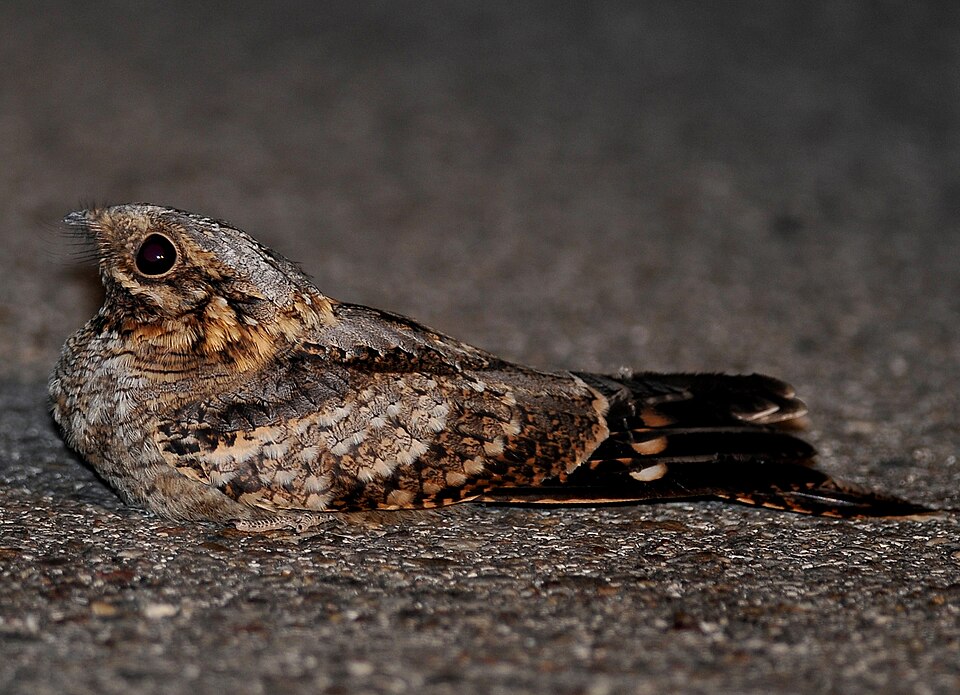
アカエリヨタカ (Caprimulgus ruficollis) アカエリヨタカ
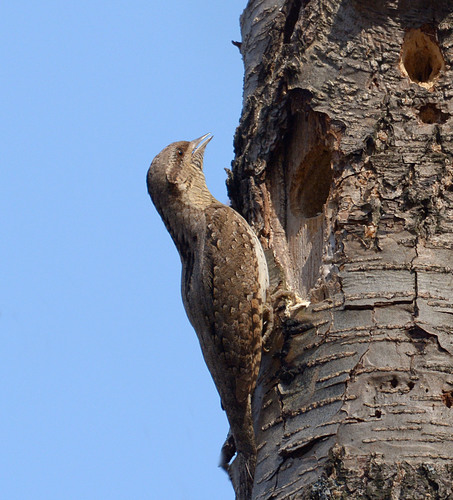
アリスイ (Jynx torquilla) アリスイ

メディア

読み込み中…

要点

アカエリヨタカとアリスイの最も信頼できるフィールドマークは、全体的な構造と印象です:アカエリヨタカははるかに大きく、長い翼と長い尾を持ち、広く平らな頭と広い口を持っていますが、アリスイは小さく、スリムで、よりツグミのようで、細長く尖ったくちばしを持っています。飛行中、アカエリヨタカは翼と尾に白い斑点を示し(すべての年齢)、特徴的な赤褐色の首の襟を持っていますが、アリスイは翼や尾に白を欠き、隠れた複雑な縞模様の羽毛を持っています。止まっているとき、アカエリヨタカの地衣類灰色の縞模様は混乱を招くことがありますが、アカエリヨタカのサイズ、赤褐色の襟、白いマーキングが重要です。アリスイは小さく、よりキツツキのような姿勢を持ち、翼や尾に白を示すことはありません。生息地と行動も役立ちます:アカエリヨタカは薄明かりの時間に活動し、開けたヒースに見られ、アリスイは日中活動し、果樹園や開けた森林を好みます。

識別のコツ

  1. 白い翼と尾の斑点(アカエリヨタカのみ): すべての年齢のアカエリヨタカは、翼と外尾羽に目立つ白い斑点を示し、特に飛行中や尾を広げたときに見えます。アリスイは翼や尾に白を示しません。
  2. 赤褐色の首の襟(アカエリヨタカのみ): アカエリヨタカは、良い光の下で休んでいるときに見える明確な赤褐色の襟を持っています。アリスイは赤褐色の襟を欠きます。
  3. 全体的なサイズと形状: アカエリヨタカははるかに大きく、長い尾と翼、広く平らな頭を持っています。アリスイは小さく、スリムで、ツグミのようで、短く丸い尾と細長く尖ったくちばしを持っています。
  4. くちばしの構造: アカエリヨタカは空中の昆虫を捕まえるために適応した非常に短く、広く、平らなくちばしを持っています;アリスイは長く、細長く尖ったくちばしを持ち、よりキツツキのようです。
  5. 羽毛の模様: アカエリヨタカは地衣類灰色で、重く縞模様があり、より均一な外観を持っています;アリスイは複雑に縞模様があり、淡い茶色、赤褐色、黒でまだら模様があり、灰色の斑点のある尾と尾羽、腹部には矢印のようなマーキングがあります。
  6. 止まっている印象: アカエリヨタカは枝や地面に沿って横たわり、非常に平らでカモフラージュされているように見えます。アリスイは直立して止まり、しばしば幹や枝に見られ、より垂直なキツツキのような姿勢を持っています。
  7. 飛行スタイル: アカエリヨタカは浮遊感のある静かな蛾のような羽ばたきで飛び、しばしば薄明かりや夜明けに見られます。アリスイの飛行はより直接的で波状で、小型のキツツキやツグミの典型的なもので、日中に活動します。
  8. 声: アカエリヨタカの鳴き声は機械的なキョクキョクキョクと、止まっているときのチュルチュルという歌です;アリスイの声は鋭く高いクイークイークイークイーまたはタックタックです。
  9. 生息地: アカエリヨタカは散在する木や茂みのある開けた砂地のヒースに見られ、果樹園や密な森林にはめったに見られません。アリスイは古い果樹園、開けた森林、裸地やアリの巣のある農地を好みます。
  10. 日中の行動: アカエリヨタカはほとんど常に動かず、日中は地面や枝に横たわっています。アリスイは日中に活動し、地面や木の上で餌を探します。
  11. 首の動き: アリスイは警戒したり、ディスプレイしたりするときに特徴的な首のねじれや変形を示しますが、アカエリヨタカはこれを示しません。
  12. 足と足の構造: アリスイは二本の指が前に、二本が後ろにあるジゴダクタイルの足を持ち、垂直な表面にしがみつくことができます;アカエリヨタカは弱い足を持ち、幹にしがみつくことはめったにありません。
  13. 幼鳥の混乱: 両種の幼鳥は成鳥に似ていますが、アカエリヨタカの幼鳥はまだ白い翼/尾の斑点と赤褐色の襟を示します;アリスイの幼鳥は鈍い色合いですが、翼/尾に白を示すことはありません。
  14. 尾の形状: アカエリヨタカの尾は長く、四角形またはわずかに丸みを帯びており、白い外羽があります;アリスイの尾は短く、丸く、灰色で細かい縞模様があります。
  15. 季節的な文脈: アカエリヨタカは夏にイベリア/北アフリカに存在し、移動/迷子以外のほとんどのヨーロッパには存在しません;アリスイは夏にヨーロッパとアジアに広く分布し、アカエリヨタカが期待されない果樹園や開けた森林に出現することがあります。

大きさ

アカエリヨタカはアリスイ(体重約37g、長さ16〜18cm)と比較して、はるかに大きく重い(体重約84g、長さ32cm、翼幅64cm)です。アカエリヨタカは最も大きなヨーロッパのアカエリヨタカで、長い尾と翼を持っていますが、アリスイはスリムで細長く、ツグミサイズです。フィールドでは、アカエリヨタカのサイズと長い翼、長い尾のシルエットは特に飛行中にすぐにわかります。アリスイははるかに小さく、よりコンパクトに見え、短く丸い尾と細長い体を持っています。

羽色

いずれの種の幼鳥に対しても年齢特有の上翼や飛行パターンのマークは記載されていませんが、すべての年齢のアカエリヨタカは翼と外尾羽に白い斑点を示し、赤褐色の首の襟も持っています。アカエリヨタカの羽毛は地衣類灰色で、重く縞模様があり、バフ、栗色、黒で縞模様があり、腹部は縞模様があります。すべての年齢のアリスイは淡い茶色、赤褐色、黒の複雑に縞模様があり、灰色の斑点のある尾と尾羽、茶色の矢印のあるクリーム色の腹部を持っています。アリスイの羽毛はより隠れたもので、翼や尾に白を欠きます。幼鳥のアリスイは成鳥に似ていますが、鈍い色合いでコントラストが少なくなっています。要約すると、アカエリヨタカは翼/尾に白を示し、赤褐色の襟を持っています;アリスイは決してそうではなく、全体的により細かい模様を持っています。

行動

アカエリヨタカは薄明かり/夜行性で、夕暮れや夜明けに最も活発で、静かな蛾のような浮遊感のある羽ばたきで飛び、しばしば開けた地面の上を低く飛びます。日中は、地面に動かず横たわり、カモフラージュに依存します。歌っているときは、枝やポストに止まることがあります。アリスイは日中活動し、地面や木の中で餌を探し、しばしば垂直な表面にしがみついているか、頭を高く持ち上げて直立して止まっています。日中はより活発で、時には移動中に小さな群れを形成し、警戒したときには特徴的な首のねじれや変形を示します。アリスイのキツツキのような登り方と姿勢は、アカエリヨタカとは異なります。

生息環境

アカエリヨタカは散在する木や茂みのある開けた砂地のヒースで繁殖し、主にイベリアと北アフリカで見られ、熱帯西アフリカで冬を越します。密な森林を避け、開けた砂地から遠く離れていることはめったにありません。アリスイは温帯のヨーロッパとアジアで繁殖し、古い果樹園、開けた森林、散在する木や裸地のある農地を好み、特にアリの巣が豊富な場所で餌を探します。アリスイは果樹園、公園、森林の端にいる可能性が高く、砂地のヒースには依存しません。

声

アカエリヨタカは繰り返しの機械的なキョクキョクキョク...という鳴き声を出し、頭を回すときに上下し、止まっているときにはチュルチュルという歌を歌います。また、求愛中に鋭い羽音を出します。アリスイの主な鳴き声は、一連の厳しい高音のクイークイークイークイーの音で、小型のキツツキやハヤブサを思わせるもので、スタッカートのタックタックという警戒音もあります。驚かされると、シューという音を出すことがあります。アカエリヨタカの歌は機械的でチュルチュルしており、アリスイの歌は鋭く高く、キツツキのようです。

より良い説明を送る

比較と同じ項目を使ってください。文章はすぐに公開されます。

The most reliable field mark between Red-necked Nightjar and Eurasian Wryneck is overall structure and jizz: the nightjar is much larger, longer-winged, and longer-tailed, with a broad, flat head and a wide gape, while the wryneck is smaller, slimmer, and more thrush-like, with a slender, pointed bill. In flight, Red-necked Nightjar shows white spots in the wings and tail (all ages), and a distinctive rufous neck-collar, while Eurasian Wryneck lacks any white in the wings or tail and has a cryptic, intricately barred plumage. Perched, the nightjar's lichen-grey, streaked and barred pattern can be confusing, but the nightjar’s size, rufous collar, and white markings are key. Wryneck is smaller, with a more woodpecker-like posture, and never shows white in the wings or tail. Habitat and behavior also help: nightjar is crepuscular and found in open heaths, wryneck is diurnal and prefers orchards or open woodland.

  1. White wing and tail spots (nightjar only): Red-necked Nightjar of all ages shows prominent white spots in the wings and outer tail feathers, especially visible in flight or when the tail is spread. Eurasian Wryneck never shows white in the wings or tail.
  2. Rufous neck-collar (nightjar only): The Red-necked Nightjar has a distinct rufous collar around the neck, visible in good light and at rest. Wryneck lacks any rufous collar.
  3. Overall size and shape: Nightjar is much larger, with a long tail and wings, and a broad, flat head. Wryneck is small, slim, and thrush-like, with a short, rounded tail and a slender, pointed bill.
  4. Bill structure: Nightjar has a very short, wide, and flat bill adapted for aerial insect catching; wryneck has a long, slender, pointed bill, more like a woodpecker’s.
  5. Plumage pattern: Nightjar is lichen-grey, heavily barred and streaked, with a more uniform appearance; wryneck is intricately barred and mottled in pale brown, rufous, and black, with a grey, speckled rump and tail, and arrow-head markings on the underparts.
  6. Perched jizz: Nightjar sits lengthwise along a branch or on the ground, often appearing very flat and camouflaged. Wryneck perches upright, often on trunks or branches, with a more vertical, woodpecker-like stance.
  7. Flight style: Nightjar flies with buoyant, silent, moth-like wingbeats, often at dusk or dawn. Wryneck’s flight is more direct and undulating, typical of small woodpeckers or thrushes, and is diurnal.
  8. Voice: Nightjar’s call is a mechanical kyok-kyok-kyok and a churring song; wryneck’s is a sharp, shrill quee-quee-quee-quee or tuck-tuck.
  9. Habitat: Nightjar is found in open sandy heaths with scattered trees or bushes, rarely in orchards or dense woodland. Wryneck prefers old orchards, open woodland, and farmland with bare ground and ant nests.
  10. Daytime behavior: Nightjar is almost always motionless and camouflaged by day, lying on the ground or along a branch. Wryneck is active by day, foraging on the ground or on trees.
  11. Neck movement: Wryneck shows characteristic twisting and contorting of the neck when alarmed or displaying, a behavior never shown by nightjar.
  12. Legs and feet: Wryneck has zygodactyl feet (two toes forward, two back), allowing it to cling to vertical surfaces; nightjar has weak feet and is rarely seen clinging to trunks.
  13. Juvenile confusion: Both species’ juveniles resemble adults, but nightjar juveniles still show white wing/tail spots and rufous collar; wryneck juveniles are duller but never show white in wings/tail.
  14. Tail shape: Nightjar’s tail is long and squared or slightly rounded with white outer feathers; wryneck’s tail is short, rounded, and grey with fine barring.
  15. Seasonal context: Nightjar is present in Iberia/North Africa in summer, absent in most of Europe outside migration/vagrancy; wryneck is widespread in Europe and Asia in summer, and can occur in orchards and open woodland where nightjar would not be expected.

Red-necked Nightjar is much larger and heavier (body mass ~84 g, length 32 cm, wingspan 64 cm) compared to Eurasian Wryneck (body mass ~37 g, length 16–18 cm). The nightjar is the largest European nightjar, with a long tail and wings, whereas the wryneck is slim, elongated, and thrush-sized. In the field, the nightjar’s size and long-winged, long-tailed silhouette are immediately apparent, especially in flight. Wryneck appears much smaller and more compact, with a short, rounded tail and a slender build.

No age-specific upperwing or flight pattern marks are described for juveniles of either species, but all ages of Red-necked Nightjar show white spots in the wings and outer tail feathers, as well as a rufous neck-collar. The nightjar’s plumage is lichen-grey, heavily barred and streaked with buff, chestnut, and black, with barred underparts. Eurasian Wryneck, of all ages, has intricately barred and mottled upperparts in pale brown, rufous, and black, with a grey, speckled rump and tail, and creamy white underparts marked with brown arrow-heads. The wryneck’s plumage is more cryptic and lacks any white in the wings or tail. Juvenile wrynecks are similar to adults but duller and less contrasting. In summary, nightjar shows white in wings/tail and a rufous collar; wryneck never does, and is more finely patterned overall.

Red-necked Nightjar is crepuscular/nocturnal, most active at dusk and dawn, flying with silent, moth-like, buoyant wingbeats, often low over open ground. During the day, it lies motionless on the ground, relying on camouflage. When singing, it may perch along a branch or post. Eurasian Wryneck is diurnal, foraging on the ground or in trees, often seen clinging to vertical surfaces or perched upright with its head held high. It is more active by day, sometimes forming small groups on migration, and displays a characteristic twisting and contorting of the neck when alarmed. The wryneck’s woodpecker-like climbing and posture are unlike the nightjar’s.

Red-necked Nightjar breeds in open sandy heaths with scattered trees or bushes, mainly in Iberia and North Africa, and winters in tropical West Africa. It avoids dense woodland and is rarely seen far from open, sandy ground. Eurasian Wryneck breeds in temperate Europe and Asia, favoring old orchards, open woodland, and farmland with scattered trees and bare ground for foraging, especially where ant nests are abundant. Wryneck is more likely in orchards, parkland, and edges of woodland, and is not tied to sandy heath.

Red-necked Nightjar gives a repetitive, mechanical kyok-kyok-kyok... call, rising and falling as the bird turns its head, and a churring song when perched. It also produces a sharp wing-clap during courtship. Eurasian Wryneck’s main call is a series of harsh, shrill quee-quee-quee-quee notes, reminiscent of a small woodpecker or falcon, and a staccato tuck-tuck alarm. When disturbed, it may hiss. The nightjar’s song is mechanical and churring; the wryneck’s is sharp, shrill, and woodpecker-like.

変更を破棄しますか?

保存していない編集があります。今離れると失われます。

アカエリヨタカ · アリスイ · 苦手な鳥