

Motmot

アカメモズモドキ 対 モウコアカモズ

Vireo olivaceus 対 Lanius isabellinus

アカメモズモドキとモウコアカモズのクイズ
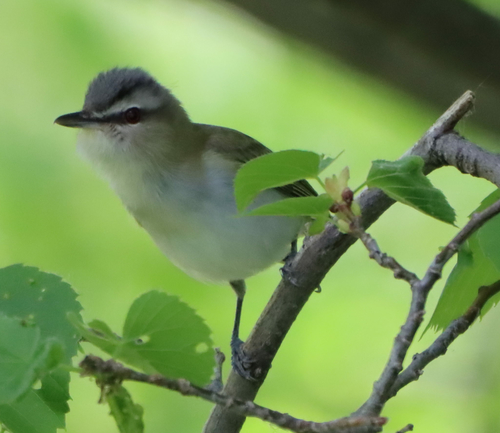
アカメモズモドキ (Vireo olivaceus) アカメモズモドキ
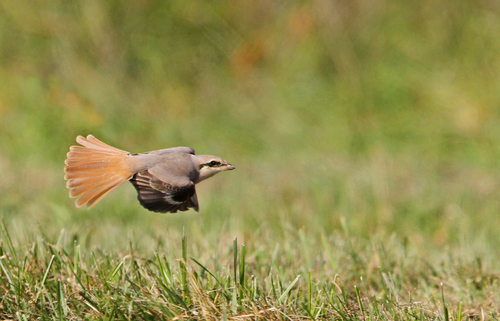
モウコアカモズ (Lanius isabellinus) モウコアカモズ

メディア

読み込み中…

要点

アカメモズモドキとモウコアカモズの最も信頼できるフィールドマークは、全体の色と顔のパターンです:アカメモズモドキは、オリーブグリーンの上面にクリスプな白いスーペルシリウムと暗いアイストライプを示しますが、モウコアカモズは、上面が砂色のイザベルブラウンで、赤い尾を持ち、アカメモズモドキの大胆な顔のコントラストが欠けています。幼鳥のモズは、淡い下部の縞模様を示すことがありますが、アカメモズモドキの鋭い顔のラインは決して示しません。構造的に、モズはずっとずっしりとしており、重くてフック状のくちばしと直立した姿勢を持ち、アカメモズモドキの小さく、ウグイスのような体型と真っ直ぐなくちばしと比べられます。飛んでいるときや止まっているとき、モズのサイズと尾の色は強い手がかりであり、アカメモズモドキの微妙な黄色い側面と赤い目(成鳥の場合)は補助的なマークです。

識別のコツ

  1. Facial pattern: アカメモズモドキは、鋭い暗いアイストライプの上に広い白いスーペルシリウム(眉毛)を示し、黒で縁取られた灰色の冠を持っています;モウコアカモズはこれを欠き、代わりに淡い顔に淡いマスクを持っています。これはすべての年齢と季節で診断的です。
  2. Upperparts color: アカメモズモドキは上面がオリーブグリーンです;モウコアカモズは上面が砂色のイザベル(淡い茶色)です。アカメモズモドキは決して砂色に見えず、モズは決してオリーブに見えません。
  3. Tail color: モウコアカモズは明確に赤い尾を持ち、止まっているときも飛んでいるときも見えます;アカメモズモドキの尾は背中のようにオリーブで、決して赤みを帯びません。
  4. Underparts: アカメモズモドキは下部が白く、側面と尾羽の覆いに淡い黄色があることがあります(時々微妙です);モズは下部が淡く、幼鳥には非常に淡い縞模様があることがありますが、アカメモズモドキの黄色がかった洗いは決して示しません。
  5. Bill shape: モズは捕食性の鳥に典型的な重くてフック状のくちばしを持っています;アカメモズモドキのくちばしは真っ直ぐで短く、フックがありません。これは良い光の下で遠くからでも見えます。
  6. Eye color: 成鳥のアカメモズモドキは赤い虹彩を持っています(フィールドでは常に見えるわけではありません);モズの目は暗いです。このマークは近距離で良い光の下でのみ有用です。
  7. Size and structure: モズは小さく、ウグイスのようなアカメモズモドキよりもずっと大きく、ずっしりとしており、尾が長いです。モズは直立して止まり、アカメモズモドキはより水平に止まります。
  8. Behavior: アカメモズモドキは葉の中で活発に餌を探し、しばしばアクロバティックで、獲物を探し、直接的な飛行をします。
  9. Habitat: アカメモズモドキは森林や森林のある地域に見られます;モズは開けた国、低木、またはステップにいます。密な森で鳥を見た場合、アカメモズモドキの方がはるかに可能性が高いです。
  10. Juvenile marks: 幼いモズは淡い下部の縞模様を示すことがありますが、アカメモズモドキの清潔な白い下部や大胆な顔のパターンは決して示しません。幼いアカメモズモドキは、顔のパターンを保持しながら、より鈍い成鳥のように見えます。
  11. Wing pattern in flight: これらのメモには、どちらの種についても特有の翼のパネルやパターンは記載されていないため、全体の色と構造に依存してください。
  12. Perched jizz: モズは直立しており、頑丈で、しばしば露出した止まり木にいます;アカメモズモドキは小さく、より水平で、通常は葉の中にいます。
  13. Seasonal context: アカメモズモドキはアメリカで渡りを行います;モウコアカモズは旧世界で、カスピ海から中国まで繁殖し、アフリカ/アラビアで越冬します。重複ゾーンの外にいる場合、これは決定的です。
  14. Vocalization: これらのメモには記載されていません;ここでの分離のために声に依存しないでください。
  15. Pitfalls: モズが砂色に見えなくなったり、アカメモズモドキがオリーブ色に見えなくなったりする鈍いまたは逆光のビューに注意してください;常に顔のパターンとくちばしの形を主要な手がかりとして探してください。

大きさ

モウコアカモズはアカメモズモドキよりもかなり大きく、重いです。モズは体重が約30gであるのに対し、アカメモズモドキはわずか12〜26gです [wikidata]。長さでは、アカメモズモドキは12〜13cmで、翼幅は23〜25cmであり、小さなウグイスサイズの鳥です。モズの長さはここでは示されていませんが、明らかにずっしりとしており、頭とくちばしが大きく、尾が長いことが知られています。フィールドでは、モズのサイズと頑丈な体型は、アカメモズモドキのより繊細で細長い外観の隣で即座に明らかです。

羽色

幼鳥と未成熟のモウコアカモズは、下部に淡い縞模様(細かい縞)を示すことがありますが、これらは類似のモズ種よりもはるかに希薄であり、アカメモズモドキの年齢に関係なく清潔で白い下部には決して近づきません。すべての年齢のアカメモズモドキは、オリーブグリーンの上面、白い下部、そして明確な顔のパターンを示します:暗いアイストライプの上に広い白いスーペルシリウムがあり、黒で縁取られた灰色の冠があります。成鳥のアカメモズモドキは赤い虹彩を持っていますが、これは遠くから見るのが難しいことがあります。アカメモズモドキの側面と尾羽の覆いは黄色がかっています(時々微妙です)。モウコアカモズは全体的に砂色のイザベル(淡い茶色)で、赤い尾を持っています;アカメモズモドキの大胆な顔のパターンが欠けており、代わりにより均一で淡い顔に微妙なマスクを示しています。モズの尾は明確に赤みを帯びており、すべての羽色で強いマークです。モズは決してアカメモズモドキのオリーブ色やクリスプな顔のラインを示しません。

行動

アカメモズモドキは活発な葉の中の餌探しを行い、木の樹冠を移動し、しばしばアクロバティックで、果物や昆虫のために逆さまにぶら下がることもあります。一般的に、動きはより落ち着きがなく、ウグイスのようです。モウコアカモズは通常、露出した枝、ワイヤー、またはポストに直立して止まり、獲物を探し、昆虫や小さな脊椎動物を捕まえるために飛び出すことがあります。モズの行動はより捕食的で、アクロバティックではなく、目立つ止まり木の間を頻繁に長い直線的な飛行をします。混成群れや移動中、アカメモズモドキは葉の中で見られる可能性が高いですが、モズは通常目立ち、孤独です。

生息環境

アカメモズモドキはカナダとアメリカ全土の開けた森林で繁殖し、葉の多い成熟した木や森林の縁を好みます。ほとんど常に森林または半森林の生息地に見られ、開けた国にはめったに見られません。モウコアカモズはカスピ海と中国の間の開けた生息地を占め、低木、ステップ、半乾燥地域を含み、しばしば散在する低木や木があります。密な森林ではめったに見られません。したがって、密な樹冠と森林の環境はアカメモズモドキを強く支持し、開けた低木や半乾燥した風景はモズの領域です。

より良い説明を送る

比較と同じ項目を使ってください。文章はすぐに公開されます。

The most reliable field mark between Red-eyed Vireo and Isabelline Shrike is overall color and facial pattern: Red-eyed Vireo shows a crisp white supercilium and dark eye-stripe with olive-green upperparts, while Isabelline Shrike is sandy isabelline-brown above with a reddish tail and lacks the vireo's bold face contrast. Juvenile shrikes can show faint underpart vermiculations, but never the vireo's sharp facial lines. Structurally, shrike is much bulkier with a heavy, hooked bill and upright stance, compared to the vireo's smaller, warbler-like jizz and straight bill. In flight or perched, the shrike's size and tail color are strong clues, while the vireo's subtle yellow flanks and red eye (in adults) are supporting marks.

  1. Facial pattern: Red-eyed Vireo shows a broad, white supercilium (eyebrow) above a sharp, dark eye-stripe, with a gray crown edged black; Isabelline Shrike lacks this, instead having a more uniform pale face with a faint mask. This is diagnostic in all ages and seasons.
  2. Upperparts color: Vireo is olive-green above; shrike is sandy isabelline (pale brown) above. The vireo never looks sandy, and the shrike never looks olive.
  3. Tail color: Isabelline Shrike has a distinctly reddish tail, visible both perched and in flight; vireo's tail is olive like the back, never red-toned.
  4. Underparts: Vireo is white below with faint yellowish on flanks and undertail coverts (sometimes subtle); shrike is pale below, sometimes with very faint vermiculations in juveniles, but never shows the vireo's yellowish wash.
  5. Bill shape: Shrike has a heavy, hooked bill typical of predatory birds; vireo's bill is straight, shorter, and lacks a hook. This is visible even at a distance with good light.
  6. Eye color: Adult vireo has a red iris (not always visible in the field); shrike's eye is dark. This mark is only useful at close range and in good light.
  7. Size and structure: Shrike is much larger, bulkier, and longer-tailed than the small, warbler-like vireo. Shrike perches upright, vireo more horizontally.
  8. Behavior: Vireo forages actively in foliage, often acrobatic; shrike perches conspicuously in the open, scanning for prey, and makes direct flights between perches.
  9. Habitat: Vireo is found in wooded or forested areas; shrike is in open country, scrub, or steppe. If you see the bird in dense woods, vireo is much more likely.
  10. Juvenile marks: Young shrikes may show faint underpart barring, but never the vireo's clean white underparts or bold face pattern. Juvenile vireos look like duller adults, retaining the facial pattern.
  11. Wing pattern in flight: No distinctive wing panels or patterns are described for either species in these notes, so rely on overall color and structure.
  12. Perched jizz: Shrike is upright, robust, and often on exposed perches; vireo is smaller, more horizontal, and typically in foliage.
  13. Seasonal context: Red-eyed Vireo is migratory in the Americas; Isabelline Shrike is Old World, breeding from the Caspian to China and wintering in Africa/Arabia. If you are outside the overlap zone, this is decisive.
  14. Vocalization: Not described in these notes; do not rely on voice for separation here.
  15. Pitfalls: Beware of dull or backlit views where shrike may look less sandy or vireo less olive; always look for the face pattern and bill shape as primary clues.

Isabelline Shrike is substantially larger and heavier than Red-eyed Vireo. The shrike averages about 30 g in body mass [wikidata], while the vireo weighs only 12–26 g [wikipedia]. In length, the vireo is 12–13 cm, with a wingspan of 23–25 cm, making it a small, warbler-sized bird. The shrike is not given a length here, but is known to be noticeably bulkier, with a larger head and bill, and a longer tail. In the field, the shrike's size and robust build are immediately apparent next to the vireo's more delicate, slender appearance.

Juvenile and immature Isabelline Shrikes may show faint vermiculations (fine barring) on the underparts, but these are much sparser than on similar shrike species and never approach the clean, white underparts of Red-eyed Vireo of any age. Red-eyed Vireo of all ages shows olive-green upperparts, white underparts, and a distinct facial pattern: a broad white supercilium above a dark eye-stripe, with a gray crown edged black. Adult vireos have a red iris, but this can be hard to see at distance. The vireo's flanks and undertail coverts are tinged yellowish (sometimes faint). Isabelline Shrike is overall sandy isabelline (pale brown) above, with a reddish tail; it lacks the vireo's bold face pattern, instead showing a more uniform, pale face with a subtle mask. The shrike's tail is distinctly red-toned, a strong mark in all plumages. The shrike never shows the vireo's olive tones or crisp facial lines.

Red-eyed Vireo is an active foliage-gleaner, moving through tree canopies, often acrobatic and sometimes hanging upside down for fruit or insects. It is generally more restless and warbler-like in movement. Isabelline Shrike typically perches upright on exposed branches, wires, or posts, scanning for prey, and may sally out to catch insects or small vertebrates. The shrike's behavior is more predatory and less acrobatic, with frequent long, direct flights between prominent perches. In mixed flocks or migration, vireo is more likely to be seen within foliage, while shrike is usually conspicuous and solitary.

Red-eyed Vireo breeds in open woodlands across Canada and the US, favoring leafy, mature trees and forest edges. It is almost always found in wooded or semi-wooded habitats, rarely in open country. Isabelline Shrike occupies open habitats between the Caspian Sea and China, including scrub, steppe, and semi-arid areas, often with scattered bushes or trees. It is rarely found in dense woodland. Thus, dense canopy and forested settings strongly favor vireo, while open, shrubby, or semi-arid landscapes are shrike territory.

変更を破棄しますか?

保存していない編集があります。今離れると失われます。

アカメモズモドキ · モウコアカモズ · 苦手な鳥