

Motmot

アカメジュズカケバト 対 ウスアフリカジュズカケバト

Streptopelia semitorquata 対 Streptopelia vinacea

アカメジュズカケバトとウスアフリカジュズカケバトのクイズ
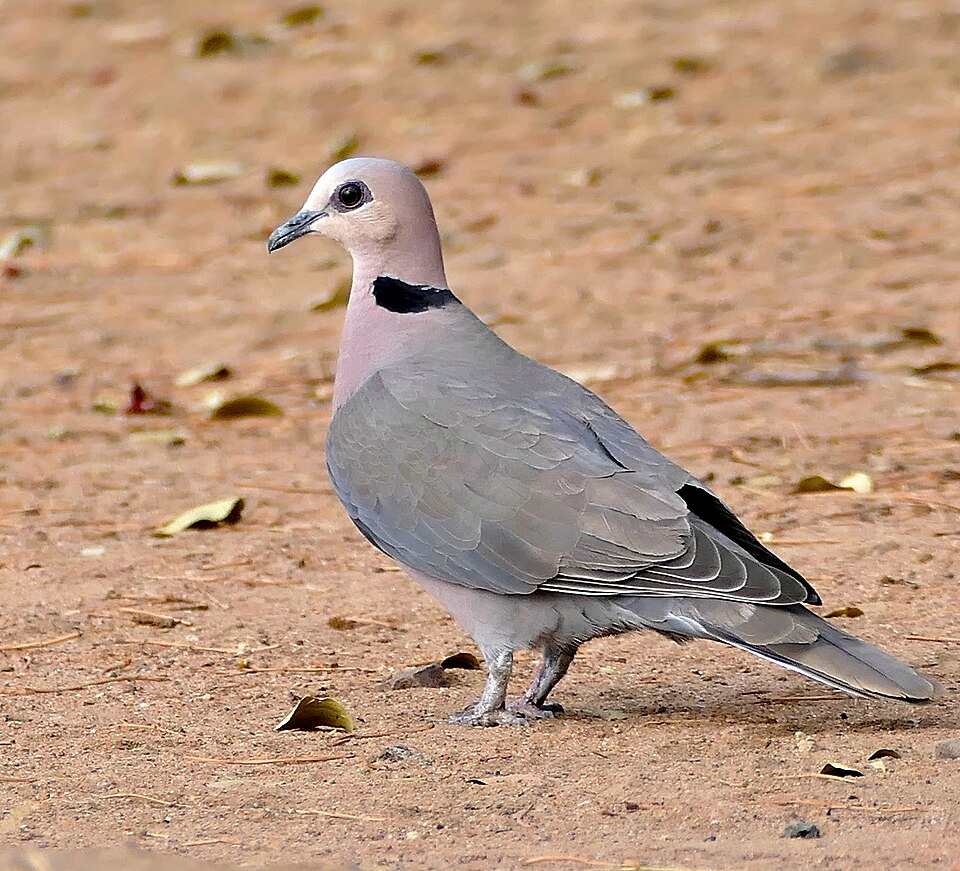
アカメジュズカケバト (Streptopelia semitorquata) アカメジュズカケバト
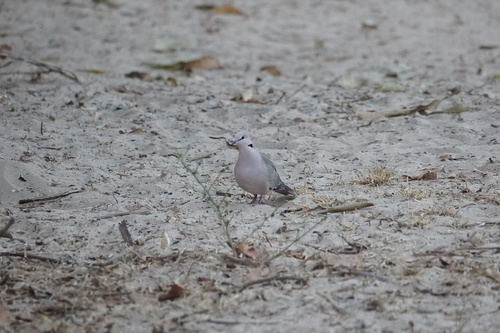
ウスアフリカジュズカケバト (Streptopelia vinacea) ウスアフリカジュズカケバト

メディア

読み込み中…

要点

アカメジュズカケバトとウスアフリカジュズカケバトの最も信頼できるフィールドマークは、全体のサイズと体格です:アカメジュズカケバトははるかに大きく、重く、明らかにより頑丈な体型をしています。飛行中、ウスアフリカジュズカケバトは黒っぽいアンダーウィングと尾に白を示しますが、アカメジュズカケバトはより均一な青灰色のアンダーウィングカバーと尾に白がありません。両種は黒い後頸部の斑点を持っていますが、ウスアフリカジュズカケバトのものだけが白できれいに縁取られています。目の色と顔の皮膚も近距離で役立ちます:アカメジュズカケバトは赤またはオレンジ赤の虹彩と紫がかった赤の眼窩皮膚を持ち、ウスアフリカジュズカケバトの目はそれほど目立ちません。両者の幼鳥は鈍いですが、サイズと翼/尾のパターンは良い区別要因です。飛行中は構造と翼/尾のパターンを使用し、止まっているときは首の斑点と虹彩の色を使用します。

識別のコツ

  1. Size and bulk: アカメジュズカケバトはウスアフリカジュズカケバトのほぼ2倍の重さで、フィールドでははるかに大きく、頑丈に見えます。特に止まっているときや餌を食べているときに、これを主な区別要因として使用してください。
  2. Underwing in flight: ウスアフリカジュズカケバトは黒っぽいアンダーウィングを示し、すべての年齢で見られ、特に飛行中に明らかです。アカメジュズカケバトのアンダーウィングは青灰色で、強い黒っぽいコントラストがありません。
  3. Tail pattern in flight: ウスアフリカジュズカケバトは尾に白があり、飛行中に白いコーナーや先端としてしばしば見られます。アカメジュズカケバトの尾は基部が暗灰色で先端が明るい茶灰色ですが、白は決して示しません。
  4. Neck patch: 両者は黒い後頸部の斑点を持っていますが、ウスアフリカジュズカケバトのものは白で鋭く縁取られ、アカメジュズカケバトのものはあまり明確で、首の側面にのみあります。
  5. Iris and orbital skin: 近距離では、アカメジュズカケバトは赤からオレンジ赤の虹彩と紫がかった赤の眼窩皮膚を持ち、目の周りが目立ちます。ウスアフリカジュズカケバトの目はそれほど鮮やかではありません。
  6. Head and forehead color: アカメジュズカケバトの額は淡い青灰色で、暗い冠に融合していますが、ウスアフリカジュズカケバトの頭は淡いピンク灰色です。
  7. Underparts color: アカメジュズカケバトは暗いマウヴピンクからワインレッドの腹部を持ち、ウスアフリカジュズカケバトは淡く、ピンク灰色の腹部を持っています。
  8. Upperparts: アカメジュズカケバトの上面は灰褐色で、外翼カバーは暗いスレートブルーです。ウスアフリカジュズカケバトの上面は全体的に淡い茶色です。
  9. Leg color: 両者は赤みがかった脚を持っていますが、アカメジュズカケバトの脚は紫がかった赤で、やや暗い場合があります。
  10. Juvenile plumage: 両者の幼鳥は鈍く、茶色がかっていますが、サイズと飛行パターン(アンダーウィングと尾)は信頼できます。
  11. Behavior: アカメジュズカケバトはあまり群れを作らず、しばしば単独またはペアで行動します。ウスアフリカジュズカケバトの社会的習性は、資料では特徴的ではないとされています。
  12. Habitat: アカメジュズカケバトは森林の近く、特に川の近くの森林を含む広範囲の森林生息地を好みます。ウスアフリカジュズカケバトはより典型的に乾燥した北部地域の開けた国やアカシアの木に関連しています。
  13. Voice: 聞こえた場合、ウスアフリカジュズカケバトの速いクー・クー・クー・クーが役立ちますが、アカメジュズカケバトの鳴き声はここでは説明されていません。
  14. Sexes: 両種は性的に似ているため、識別のために性別に頼らないでください。
  15. Pitfalls: 鈍い幼鳥に注意してくださいが、最良の区別のためにはサイズ、アンダーウィング、飛行中の尾のパターンに頼ってください。

大きさ

アカメジュズカケバトははるかに大きく、重く、平均235gで、ウスアフリカジュズカケバトの110gと比較されます。フィールドでは、アカメジュズカケバトははるかに体格が大きく、長い体に見え、'リングネック'バトの中で最大です。ウスアフリカジュズカケバトは明らかに小さく、よりコンパクトで、がっしりとした体型を持ち、短く、あまり威圧的でないプロファイルです。一緒に見られた場合、サイズの違いはすぐに明らかですが、単独でもアカメジュズカケバトの体格と長さは際立っています。

羽色

両種の幼鳥は成鳥よりも鈍く、茶色がかっていますが、年齢を通じて重要なコントラストは持続します。飛行中、ウスアフリカジュズカケバトは特徴的な黒っぽいアンダーウィングと尾に白を示し、すべての羽衣で見られ、特に幼鳥を区別するのに役立ちます。アカメジュズカケバトのアンダーウィングは青灰色で、強い黒っぽいコントラストがありません;その尾は基部が暗灰色で先端が明るい茶灰色で、白はありません。止まっているとき、両種は黒い後頸部の斑点を持っていますが、ウスアフリカジュズカケバトのものは白で鋭く縁取られ、アカメジュズカケバトのものはあまり明確で、首の側面に制限されています。アカメジュズカケバトの額は淡い青灰色で、暗い冠に融合し、暗いマウヴピンクからワインレッドの腹部と灰褐色の上面を持っていますが、ウスアフリカジュズカケバトは全体的に淡く、淡い茶色の背中/翼/尾と淡いピンク灰色の頭と腹部を持っています。アカメジュズカケバトの虹彩は赤からオレンジ赤で、紫がかった赤の眼窩皮膚に囲まれています;ウスアフリカジュズカケバトの目はそれほど鮮やかではありません。両者は赤みがかった脚を持っていますが、アカメジュズカケバトの脚は紫がかった赤です。

行動

両種は木に棒の巣を作り、白い卵を2個産みます。彼らの飛行は似ており、速く、規則的な翼の拍動と時折の鋭いフリックが鳩に典型的です。アカメジュズカケバトはあまり群れを作らず、しばしば単独またはペアで餌を食べますが、ウスアフリカジュズカケバトの社会的習性は資料では特徴的ではないとされています。両者は木に止まっているのを見ることができますが、アカメジュズカケバトの大きなサイズとより孤独な行動が際立つかもしれません。

生息環境

アカメジュズカケバトはサハラ以南のアフリカのほとんどで広く一般的で、砂漠を除き、川の近くの森林を含む広範囲の森林生息地で見られます。ウスアフリカジュズカケバトも広範囲に分布していますが、北部サハラ以南のアフリカに典型的で、開けた国やアカシアの木に関連しています。両種は一部の地域で分布が重なりますが、ウスアフリカジュズカケバトはより乾燥した、開けた生息地に多く見られ、アカメジュズカケバトはより豊かな森林環境を好みます。

声

ウスアフリカジュズカケバトは速くリズミカルなクー・クー・クー・クーの鳴き声を持っています。提供された資料ではアカメジュズカケバトの特徴的な鳴き声は説明されていないため、ウスアフリカジュズカケバトの速いクーイングが聞こえない限り、声は強い区別要因ではありません。

より良い説明を送る

比較と同じ項目を使ってください。文章はすぐに公開されます。

The most reliable field mark between Red-eyed Dove and Vinaceous Dove is overall size and bulk: Red-eyed Dove is much larger and heavier, with a distinctly more robust build. In flight, Vinaceous Dove shows a blackish underwing and white in the tail, while Red-eyed Dove has more uniform, bluish-grey underwing coverts and lacks white in the tail. Both species have a black hind-neck patch, but only Vinaceous Dove’s is neatly edged with white. Eye color and facial skin are also helpful at close range: Red-eyed Dove has a red or orange-red iris and purplish-red orbital skin, while Vinaceous Dove’s eye is less striking. Juveniles of both are duller, but the size and wing/tail pattern remain good separators. Use structure and wing/tail pattern in flight, and neck patch and iris color when perched.

  1. Size and bulk: Red-eyed Dove is nearly twice as heavy as Vinaceous Dove and appears much larger and more robust in the field. Use this as a primary separator, especially when seen perched or feeding.
  2. Underwing in flight: Vinaceous Dove shows a blackish underwing, visible in all ages and especially obvious in flight. Red-eyed Dove’s underwing is bluish-grey and lacks the strong blackish contrast.
  3. Tail pattern in flight: Vinaceous Dove has white in the tail, often visible as white corners or tips during flight. Red-eyed Dove’s tail is dark grey basally and light brownish-grey at the tip, but never shows white.
  4. Neck patch: Both have a black hind-neck patch, but Vinaceous Dove’s is sharply outlined with white, while Red-eyed Dove’s is less distinct and only on the sides of the neck.
  5. Iris and orbital skin: At close range, Red-eyed Dove has a red to orange-red iris and purplish-red orbital skin, making the eye area look striking. Vinaceous Dove’s eye is less vivid.
  6. Head and forehead color: Red-eyed Dove’s forehead is pale bluish-grey merging into a darker crown, while Vinaceous Dove’s head is pale pinkish-grey.
  7. Underparts color: Red-eyed Dove has dark mauve-pink to wine-red underparts; Vinaceous Dove is paler, with pinkish-grey underparts.
  8. Upperparts: Red-eyed Dove’s upperparts are greyish-brown with dark slaty-blue outer wing-coverts; Vinaceous Dove’s are pale brown overall.
  9. Leg color: Both have reddish legs, but Red-eyed Dove’s are purplish-red, which may be slightly darker.
  10. Juvenile plumage: Juveniles of both are duller and browner, but size and flight pattern (underwing and tail) remain reliable.
  11. Behavior: Red-eyed Dove is less gregarious, often alone or in pairs; Vinaceous Dove’s social habits are not distinctive in the notes.
  12. Habitat: Red-eyed Dove prefers wooded areas, especially near rivers; Vinaceous Dove is more typical of open country and acacia trees, especially in drier northern regions.
  13. Voice: If heard, Vinaceous Dove’s fast coo-cu-cu-coo can help, but Red-eyed Dove’s call is not described here.
  14. Sexes: Both species are sexually similar, so do not rely on sex for identification.
  15. Pitfalls: Beware of dull juveniles, but rely on size, underwing, and tail pattern in flight for best separation.

Red-eyed Dove is substantially larger and heavier, averaging 235 g compared to Vinaceous Dove’s 110 g. In the field, Red-eyed Dove appears much bulkier and longer-bodied, and is the largest of the 'ringneck' doves. Vinaceous Dove is noticeably smaller, more compact, and stockier, with a shorter, less imposing profile. If seen together, the size difference is immediately obvious, but even singly, Red-eyed Dove’s bulk and length stand out.

Juveniles of both species are duller and browner than adults, but key contrasts persist across ages. In flight, Vinaceous Dove shows a distinctive blackish underwing and white in the tail, which are visible in all plumages and especially useful for separating juveniles. Red-eyed Dove’s underwing is bluish-grey and lacks the strong blackish contrast; its tail is dark grey basally and light brownish-grey at the tip, without white. Perched, both species have a black hind-neck patch, but Vinaceous Dove’s is sharply outlined with white, while Red-eyed Dove’s is less distinct and restricted to the sides of the neck. Red-eyed Dove’s forehead is pale bluish-grey merging into a darker crown, with dark mauve-pink to wine-red underparts and greyish-brown upperparts, while Vinaceous Dove is paler overall, with pale brown back/wings/tail and pale pinkish-grey head and underparts. Red-eyed Dove’s iris is red to orange-red, surrounded by purplish-red orbital skin; Vinaceous Dove’s eye is less vivid. Both have reddish legs, but Red-eyed Dove’s are purplish-red.

Both species build stick nests in trees and lay two white eggs. Their flight is similar, with quick, regular wingbeats and occasional sharp flicks typical of pigeons. Red-eyed Dove is less gregarious, often feeding alone or in pairs, while Vinaceous Dove’s social habits are not described as distinctive in the sources. Both can be seen perched in trees, but Red-eyed Dove’s larger size and more solitary behavior may stand out.

Red-eyed Dove is widespread and common throughout most of sub-Saharan Africa, except in deserts, and is found in a wide range of wooded habitats, including forests near rivers. Vinaceous Dove is also widespread but is more typical of northern sub-Saharan Africa and often associated with open country and acacia trees. Both species overlap in range in some areas, but Vinaceous Dove is more likely in drier, more open habitats, while Red-eyed Dove prefers lusher, wooded environments.

Vinaceous Dove has a fast, rhythmic coo-cu-cu-coo call. No distinctive vocalization is described for Red-eyed Dove in the provided sources, so voice is not a strong separator unless the Vinaceous Dove’s rapid cooing is heard.

変更を破棄しますか?

保存していない編集があります。今離れると失われます。

アカメジュズカケバト · ウスアフリカジュズカケバト · 苦手な鳥