

Motmot

アカメジュズカケバト 対 ホオジロカンムリヅル

Streptopelia semitorquata 対 Balearica regulorum

アカメジュズカケバトとホオジロカンムリヅルのクイズ
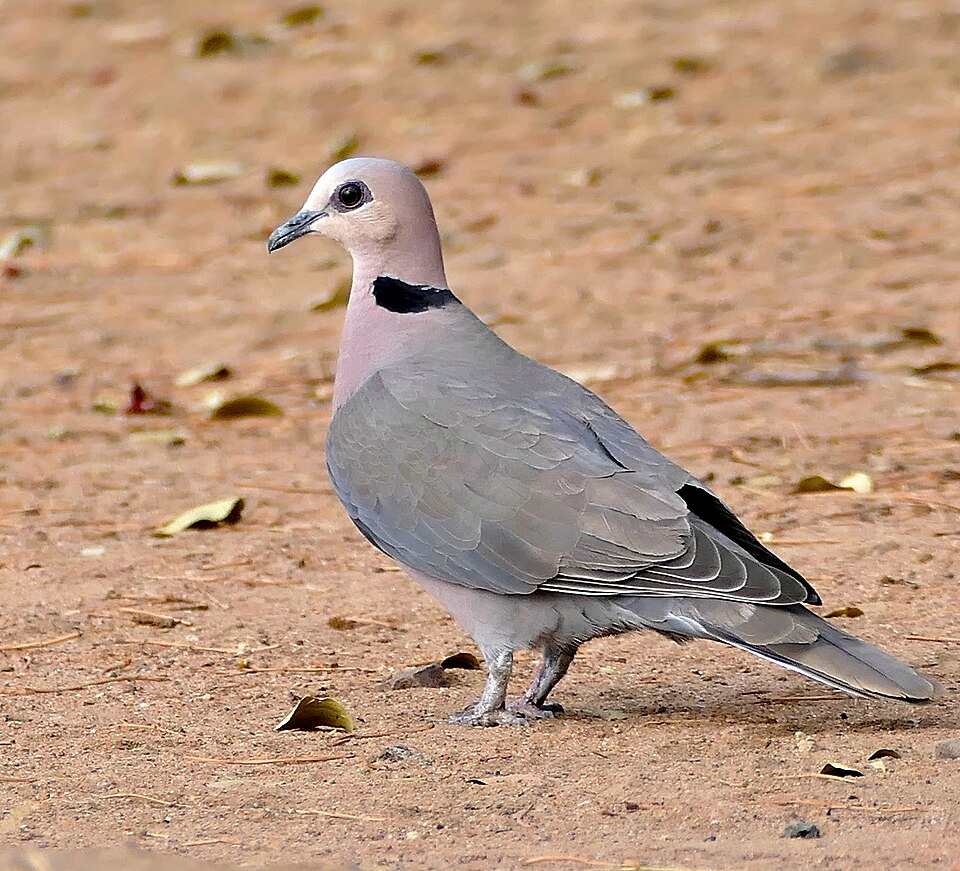
アカメジュズカケバト (Streptopelia semitorquata) アカメジュズカケバト
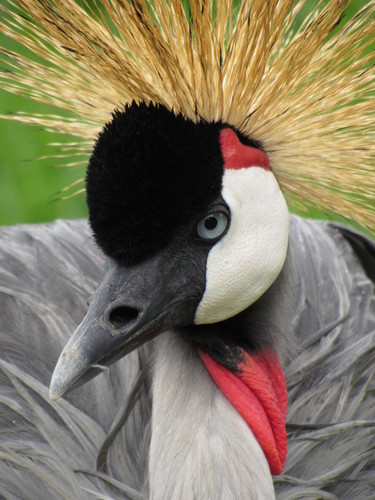
ホオジロカンムリヅル (Balearica regulorum) ホオジロカンムリヅル

メディア

読み込み中…

要点

アカメジュズカケバトとホオジロカンムリヅルを区別する最も信頼できる方法は、全体的な構造とサイズです:カンムリヅルは、金色の冠と白い頬を持つ背の高い長脚の鳥であり、一方でバトは、暗い首のハーフカラーと赤い目を持つ大きいがコンパクトな鳩です。幼鳥のカンムリヅルは灰色がかっており、顔は淡い色ですが、依然として特徴的な頭の形と長い脚を示しますが、バトのより均一で丸みを帯びた鳩のプロファイルとは異なります。飛んでいるときや休んでいるとき、カンムリヅルの長い首、脚、そして独特の冠は間違いなく識別可能ですが、バトははるかに小さく、頭の装飾がなく、典型的な鳩の姿勢を示します。距離があっても、生息地や群れの行動が助けになります:バトは通常、単独またはペアで見られ、カンムリヅルは大きな群れで見られます。

識別のコツ

  1. Size and Structure: ホオジロカンムリヅルは巨大(1 m tall, 2 m wingspan)で、長い脚と首を持ち、アカメジュズカケバトは大きいがコンパクトな鳩です。距離があっても、カンムリヅルのサイズと直立した姿勢は明らかです。
  2. Head and Face: カンムリヅルは硬い金色の冠、白い頬、赤い喉の袋を持ち、バトは暗いハーフカラーと赤い目を持つ平坦な頭をしていますが、冠や顔の装飾はありません。
  3. Legs and Posture: カンムリヅルは長い黒い脚で歩き、浅い水や高い草の中を歩くことが多いですが、バトは短い紫がかった赤い脚を持ち、地面に止まったり歩いたりします。
  4. Flight Silhouette: カンムリヅルは首と脚を伸ばして飛び、白、濃灰色、濃赤色のパネルを持つ長い翼を示しますが、バトは脚や首が後ろに引かれないコンパクトで速い鳩の飛行をします。
  5. Juvenile Plumage: 若いカンムリヅルは灰色がかっており、淡い顔を持ちますが、独特の頭の形と長い脚を示します。幼鳥のバトは大人よりも鈍い茶色ですが、基本的な鳩の形を保ち、顔の装飾はありません。
  6. Neck Collar: バトは首に黒いハーフカラーを示します(幼鳥ではより制限されて不明瞭)、カンムリヅルにはそのような印はありません。
  7. Iris and Skin Color: バトは赤からオレンジの虹彩と紫がかった赤の眼窩の皮膚と脚を持ちますが、これらは微妙で距離では見えません。カンムリヅルの顔の色はより大胆で対照的です。
  8. Group Size: バトは通常、単独またはペアで見られ、カンムリヅルは繁殖期以外では大きな群れで見られます。
  9. Behavior: カンムリヅルは複雑なダンス、頭を下げたり、ジャンプしたり、羽をはためかせたりしますが、バトはこのように表示しません。
  10. Habitat: バトは森林や河川近くの地域を好み、砂漠を避けます。カンムリヅルは乾燥したサバンナ、湿地、耕作地、水の近くの草地を好みます。
  11. Vocalization: カンムリヅルは大きく、轟音やホーンのような鳴き声を出しますが、バトは静かにクークーと鳴きます。大きな鳴き声を聞いたら、それはバトではありません。
  12. Perching: カンムリヅルは長い後ろの趾のために木に止まることができますが、通常は歩いているのが見られます。バトは枝や電線に止まります。
  13. Bill: カンムリヅルは比較的短い灰色のくちばしを持ち、バトは黒い、より典型的な鳩のくちばしを持っています。
  14. Tail: バトは濃灰色と茶色がかった灰色のトーンを持つ丸い尾を持ち、カンムリヅルの尾は目立たず、長い三次羽によって隠れています。
  15. Season/Location: 両種はその範囲のほとんどで年間を通じて存在しますが、地域の豊富さを確認してください(カンムリヅルはより局所的で、バトは広範囲に分布しています)。

大きさ

アカメジュズカケバトは大きな鳩(体重約235g)ですが、ホオジロカンムリヅルには及びません。カンムリヅルは約1mの高さで、体重は約3.5kgです。カンムリヅルの翼幅(約2m)はバトのそれよりもはるかに大きく、長い脚と首がさらに大きく見せます。最も大きなバトでさえ、カンムリヅルの高さの半分にも満たず、その体重の一部に過ぎません。バトは最大の「リングネック」バトですが、カンムリヅルの隣では小さくてコンパクトに見えます。

羽色

幼鳥のホオジロカンムリヅルは全体的に灰色がかっており、羽毛のある淡い顔を持ち、大人の完全な金色の冠は欠けていますが、依然として淡い顔と発達中の冠の構造を示します。アカメジュズカケバトの幼鳥は大人よりも鈍い茶色ですが、基本的な鳩の形を保ち、顔の装飾はありません。大人のカンムリヅルは硬い金色の冠、白い頬、赤い喉の袋を持ち、バトは暗いモーヴピンクからワインレッドの胸、灰色がかった茶色の上面、首に黒いハーフカラーを示します。バトの虹彩は赤からオレンジで、眼窩の皮膚と脚は紫がかった赤ですが、これらはカンムリヅルの大胆な頭の模様と比べると微妙です。飛んでいるとき、カンムリヅルの白、濃灰色、濃赤色の翼のパネルと後ろに引かれた脚は、バトのより均一でコンパクトな翼と体の形と対照的です。

行動

アカメジュズカケバトは通常、単独またはペアで静かに餌を食べ、しばしば木の中や地面で見られます。彼らの飛行は速く、規則的なビートと時折の鋭いフリックがあり、鳩の典型的なものです。ホオジロカンムリヅルは非常に社交的で、30〜150羽の群れで見られることが多く、頭を下げたり、ジャンプしたり、羽をはためかせたりする複雑なダンスを行います。カンムリヅルは開けた生息地を歩き回り、長い歩幅で餌を探し、長い後ろの趾のおかげで木に止まる唯一のカンムリヅルです。彼らの求愛行動や社会的行動は、バトのそれよりもはるかに目立ちます。

生息環境

アカメジュズカケバトはサハラ以南のアフリカに広く分布し、川の近くの森林を好み、砂漠を避けます。森林や半開放的な生息地で一般的です。ホオジロカンムリヅルもサハラ以南のアフリカに広く分布しますが、乾燥したサバンナ、湿地、耕作地、水の近くの草地を好みます。カンムリヅルは開けた湿った農業地域で見られることが多く、バトはより森林や河川の地域に多く見られます。開けた国に大きな群れがいることは、カンムリヅルの強い手がかりです。

声

アカメジュズカケバトは典型的な鳩のクークーという鳴き声を持ち、ここでは詳細に説明されていませんが、一般的には柔らかく反復的です。ホオジロカンムリヅルは轟音の鳴き声(赤い喉の袋を使って)とホーンのような音を出し、どちらもバトの声とはかなり異なります。カンムリヅルの鳴き声は大きく、遠くまで響きますが、バトの鳴き声はより控えめです。大きな響きのある轟音やホーンを聞いたら、それはカンムリヅルです。

より良い説明を送る

比較と同じ項目を使ってください。文章はすぐに公開されます。

The most reliable way to separate Red-eyed Dove from Grey Crowned-Crane is by overall structure and size: the crane is a towering, long-legged bird with a golden crown and white cheeks, while the dove is a large but compact pigeon with a dark neck half-collar and reddish eyes. Juvenile cranes are greyer with a buff face, but still show the distinctive head shape and long legs, unlike the dove's more uniform, rounded pigeon profile. In flight or at rest, the crane’s long neck, legs, and unique crown are unmistakable, while the dove is much smaller, lacks any head ornament, and shows a typical pigeon jizz. Even at a distance, habitat and flocking behavior can help: doves are usually alone or in pairs, cranes in large flocks.

  1. Size and Structure: Grey Crowned-Crane is enormous (1 m tall, 2 m wingspan) with long legs and neck, while Red-eyed Dove is a large but compact pigeon. Even at a distance, the crane’s size and upright stance are obvious.
  2. Head and Face: Cranes have a stiff golden crown, white cheeks, and a red throat pouch; doves have a plain head with a dark half-collar and reddish eyes but no crown or facial ornaments.
  3. Legs and Posture: Cranes walk on long, black legs and often wade in shallow water or tall grass; doves have short, purplish-red legs and perch or walk on the ground.
  4. Flight Silhouette: Cranes fly with neck and legs outstretched, showing long wings with white, dark grey, and dark red panels; doves have a compact, fast pigeon flight with no trailing legs or neck.
  5. Juvenile Plumage: Young cranes are greyer with a buff face but still show the unique head shape and long legs; juvenile doves are duller brown but otherwise like adults, with no head ornament.
  6. Neck Collar: Doves show a black half-collar on the neck (more restricted and indistinct in juveniles), while cranes have no such mark.
  7. Iris and Skin Color: Doves have reddish to orange irises and purplish-red orbital skin and legs, but these are subtle and not visible at distance; cranes’ facial colors are bolder and more contrasting.
  8. Group Size: Doves are usually alone or in pairs; cranes are often in large flocks, especially outside the breeding season.
  9. Behavior: Cranes perform elaborate dances, bowing, and jumping, while doves do not display in this way.
  10. Habitat: Doves prefer wooded or riparian areas; cranes are in open savannah, marshes, and fields.
  11. Vocalization: Cranes give loud, booming or honking calls; doves coo softly. If you hear a loud call, it’s not the dove.
  12. Perching: Cranes can roost in trees due to their long hind toe, but are usually seen walking; doves perch on branches or wires.
  13. Bill: Cranes have a relatively short, grey bill; doves have a black, more typical pigeon bill.
  14. Tail: Doves have a rounded tail with dark grey and brownish-grey tones; cranes’ tail is less prominent, hidden by long tertials.
  15. Season/Location: Both species are present year-round in much of their range, but check local abundance (cranes are more localized, doves widespread).

Red-eyed Dove is a large pigeon (body mass ~235 g), but is dwarfed by the Grey Crowned-Crane, which stands about 1 m tall and weighs around 3.5 kg. The crane’s wingspan (about 2 m) is vastly greater than the dove’s, and its long legs and neck make it appear even larger. Even the largest doves are less than half the crane’s height and a fraction of its bulk. The dove is the largest 'ringneck' dove, but still looks small and compact next to a crane.

Juvenile Grey Crowned-Cranes are overall greyer with a feathered buff face, lacking the full golden crown of adults, but still show a pale face and developing crown structure. Red-eyed Dove juveniles are duller and browner than adults, but retain the basic pigeon shape and lack any facial ornamentation. Adult cranes are unmistakable with their stiff golden crown, white cheeks, and red throat pouch, while doves show a dark mauve-pink to wine-red breast, greyish brown upperparts, and a black half-collar on the neck. The dove’s iris is reddish to orange, and its orbital skin and legs are purplish red, but these are subtle compared to the crane’s bold head pattern. In flight, the crane’s white, dark grey, and dark red wing panels and trailing legs contrast with the dove’s more uniform, compact wing and body shape.

Red-eyed Doves are typically solitary or in pairs and feed quietly, often in trees or on the ground. Their flight is quick with regular beats and occasional sharp flicks, typical of pigeons. Grey Crowned-Cranes are highly social, often seen in flocks of 30–150, and engage in elaborate dancing displays involving bowing, jumping, and wing-flapping. Cranes spend much time walking in open habitats, foraging with long strides, and are the only cranes that roost in trees, thanks to their long hind toe. Their courtship and social behavior are much more conspicuous than the dove’s.

Red-eyed Dove is widespread in sub-Saharan Africa, favoring forests near rivers and avoiding deserts; it is common in wooded and semi-open habitats. Grey Crowned-Crane also ranges widely in sub-Saharan Africa but prefers dry savannah, marshes, cultivated lands, and grassy flats near water. Cranes are more likely to be seen in open, wet, or agricultural areas, while doves are more often in wooded or riparian zones. The presence of large flocks in open country is a strong clue for cranes.

Red-eyed Dove has a typical pigeon coo, not described in detail here, but generally soft and repetitive. Grey Crowned-Crane gives a booming call (using its red throat pouch) and a honking sound, both quite different from any dove’s voice. The crane’s calls are loud and carry far, while the dove’s are more subdued. If you hear a loud, resonant boom or honk, it’s the crane.

変更を破棄しますか?

保存していない編集があります。今離れると失われます。

アカメジュズカケバト · ホオジロカンムリヅル · 苦手な鳥