

Motmot

アカメジュズカケバト 対 アフリカヒヨドリ

Streptopelia semitorquata 対 Pycnonotus barbatus

アカメジュズカケバトとアフリカヒヨドリのクイズ
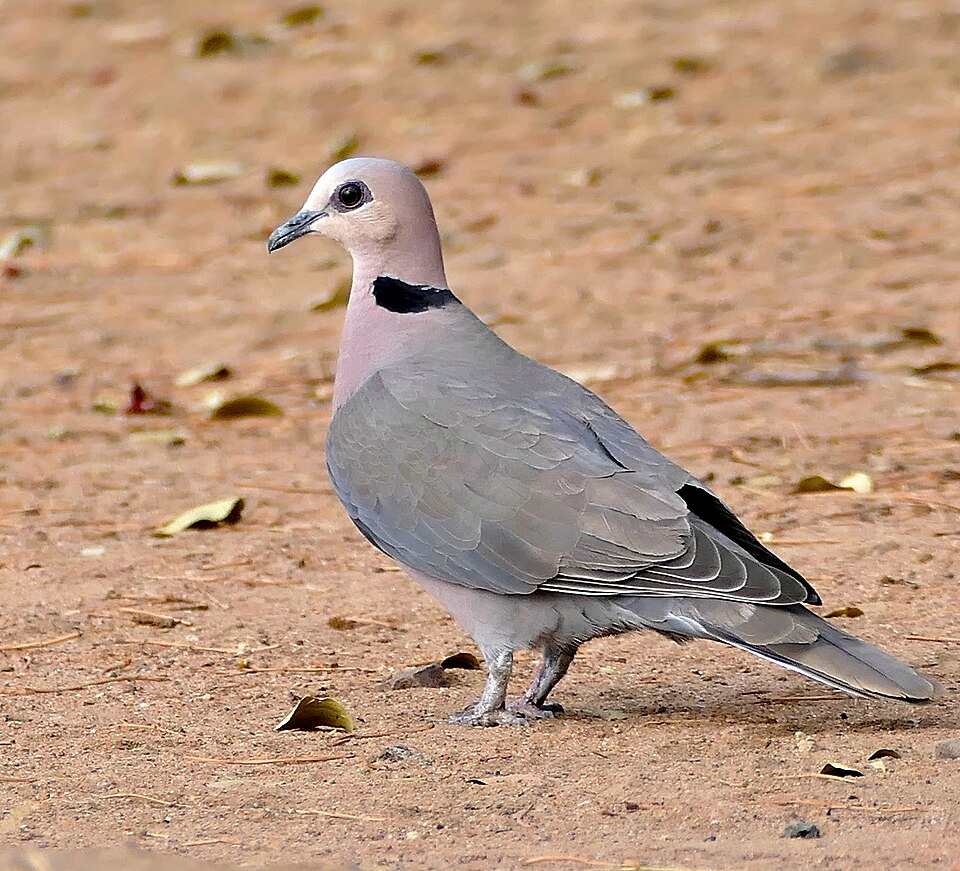
アカメジュズカケバト (Streptopelia semitorquata) アカメジュズカケバト
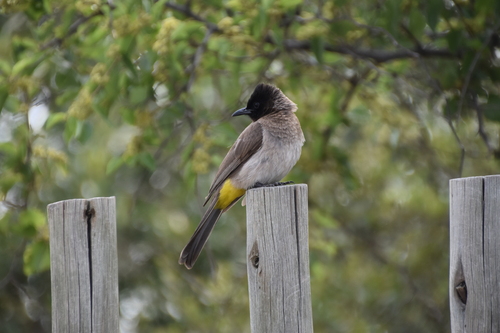
アフリカヒヨドリ (Pycnonotus barbatus) アフリカヒヨドリ

メディア

読み込み中…

要点

アカメジュズカケバトとアフリカヒヨドリを区別する最も信頼できるフィールドマークは、全体のサイズと構造です:アカメジュズカケバトは非常に大きく、重い体を持つ鳩で、広い翼と長い尾を持っていますが、アフリカヒヨドリははるかに小さく、スリムな歌鳥で、短くて細いくちばしとより直立した姿勢を持っています。飛行中、鳩は広く丸みを帯びた翼を示し、安定した力強い飛行をしますが、ヒヨドリは素早く跳ねるように移動します。羽毛も診断的です:鳩は特徴的なモーブピンクからワインレッドの胸と首に黒いハーフカラーを持っていますが、ヒヨドリは上面が茶色で、下面が鈍い灰色で、時には黄色の尾羽覆いを持っています。幼鳥の鳩は鈍く、茶色がかっていますが、それでもヒヨドリよりもはるかに大きく、構造的に異なります。混乱は遠くからや薄暗い場所で最も起こりやすいですが、サイズ、形、色に注意を払うことでほとんどのケースを解決できます。

識別のコツ

  1. Size is the fastest check: アカメジュズカケバトはアフリカヒヨドリよりもはるかに大きく、重いです。両方を一緒に見ると、違いは際立っています。これはすべての年齢と性別に当てはまります。
  2. Structure: 鳩は太い首、大きな頭、長くて広い尾を持っています。ヒヨドリはスリムで直立し、細くてわずかに下向きのくちばしと短い尾を持っています。
  3. Flight style: 鳩は強く、安定した翼の拍動と時折の鋭いひねりで飛びます。ヒヨドリはより跳ねるようで不規則な飛行をし、しばしば止まり木の間を短いバーストで移動します。
  4. Plumage—underparts: アカメジュズカケバトは首、胸、下面にモーブピンクからワインレッドの洗いを示します(成鳥)、時には幼鳥では鈍くなります。ヒヨドリは常に鈍い灰色の下面を持ち、決してピンクがかったり赤くなったりしません。
  5. Plumage—upperparts: 鳩は上面が灰褐色で、スレートブルーの翼覆いと黒い初列風切を持っています。ヒヨドリは上面が単純な茶色で、翼に青や黒はありません。
  6. Neck collar: 鳩は首の側に黒いハーフカラーを持っています(時には薄いこともあります)、ヒヨドリにはありません。
  7. Undertail coverts: 一部のヒヨドリ亜種は黄色の尾羽覆いを持っていますが、鳩には決して存在しません。尾の下に黄色が見えたら、それはヒヨドリです。
  8. Eye and facial color: 鳩の虹彩は黄色がかったり、オレンジや赤で、紫がかった赤の眼窩皮膚を持っています。ヒヨドリは暗い茶色の目を持ち、微妙なアイリングがあり、明るい色はありません。
  9. Bill color and shape: 鳩のくちばしは黒く、太く、鳩のようです。ヒヨドリのくちばしは黒く、細く、わずかに下向きです。
  10. Leg color: 鳩は紫がかった赤の脚を持っています。ヒヨドリの脚は黒です。
  11. Juvenile confusion: 幼い鳩はより茶色がかり、鈍いですが、それでもヒヨドリよりもはるかに大きく、重いです。彼らは決して黄色の尾羽や直立した止まり木を示しません。
  12. Perching posture: 鳩は水平に止まり、しばしば高い木に止まります。ヒヨドリは直立し、しばしば露出した茂みの中にいます。
  13. Habitat context: 密集した庭や都市公園ではヒヨドリがより可能性が高いです。高い木や森林の端、特に水の近くでは鳩がより可能性が高いです。
  14. Voice: 持続的で大きな音楽的な歌はヒヨドリです。深く、遅いクーは鳩です。
  15. Feeding behavior: 鳩はしばしば地面や木の中で餌を食べます。ヒヨドリは地面にいることは稀で、低い枝や茂みを好みます。

大きさ

アカメジュズカケバトは劇的に大きく、平均体重は235gで、ヒヨドリの35gと比較するとほぼ7倍の差があります [wikidata]。鳩は約30cmの長さに達し、最も大きな「リングネック」鳩となりますが、ヒヨドリはわずか18〜20cmの長さです。このサイズのギャップは、遠くからでも明らかです:鳩は大きく、鳩のように見え、大きな頭と太い首を持っていますが、ヒヨドリは小さく、スリムで直立した止まり木です。直接比較すると、鳩のくちばしははるかに太く長く、尾はヒヨドリのものよりも長く広いです。

羽色

どちらの種にも年齢特有の上翼パターンは記載されていませんが、全体の色合いとパターンが重要です。成鳥と幼鳥のアカメジュズカケバトは、淡い青灰色の額、暗い冠、首、胸、下面に特徴的な暗いモーブピンクからワインレッドの洗いを持っています。上面は灰褐色で、黒い初列風切と暗いスレートブルーの外翼覆いを持っています。鳩の首には黒いハーフカラーがあり、側面に制限されており、しばしば不明瞭ですが、依然として有用なマークです。虹彩は変動しますが、しばしば赤みがかっており、眼窩皮膚と脚は紫がかった赤です。幼鳥は鈍く、茶色がかっていますが、それでも全体的な鳩の構造を示し、ヒヨドリの黄色の尾羽は欠けています。

アフリカヒヨドリははるかに地味です:上面は茶色、頭は暗い茶色、下面は鈍い灰色です。くちばし、脚、足は黒く、目は暗い茶色で微妙なアイリングがあります。一部の亜種は黄色の尾羽覆いを持っていますが、鳩には決して存在しません。首のカラーやピンクがかった洗いはありません。両種の性別は似ています。ヒヨドリの羽毛は年間を通じて一貫しており、地域的な変動はわずかです。

行動

アカメジュズカケバトは通常、単独またはペアで見られ、しばしば地面で餌を食べたり、高い木に止まったりします。彼らの飛行は強く、直接的で安定しており、定期的な翼の拍動と時折の鋭いひねりが鳩に典型的です。彼らは特に群れを成すことはありません。対照的に、アフリカヒヨドリは活発で落ち着きがなく、小さな群れで見られることが多いです。彼らは茂みや木の中を跳ねたり、ひらひらしたりし、地面で餌を食べることは稀で、彼らの飛行はより跳ねるようで不規則です。ヒヨドリは直立して止まり、しばしば露出した場所にいて、より静かな鳩よりも動きが目立ち、声も多くなります。

生息環境

両種はサハラ以南のアフリカに広く分布しており、庭、森林の端、川沿いの森林で重なることがあります。しかし、アカメジュズカケバトは成熟した森林、森林の端、水の近くでより頻繁に見られ、砂漠や非常に開けた国を避けます。アフリカヒヨドリは非常に適応力が高く、庭、公園、茂み、都市部で繁栄し、大きな木や水にあまり依存しません。密集した下草や都市の庭で見られる場合、ヒヨドリの可能性が高く、高い木にいる大きな鳩や開けた空間を横切って飛んでいるのは、よりアカメジュズカケバトの可能性が高いです。

声

アカメジュズカケバトの声は提供されたメモには記載されていませんが、鳩は通常、深く共鳴するクーイングコールを持っています。アフリカヒヨドリは非常に声が大きく、'doctor-quick doctor-quick be-quick be-quick'と表現される大きく多様な歌を持っています。ヒヨドリの呼び声は鋭く、より音楽的ですが、鳩の声は低音で単調です。フィールドでは、持続的で泡立つ歌はヒヨドリを示し、深く遅いクーは鳩を示唆します。

より良い説明を送る

比較と同じ項目を使ってください。文章はすぐに公開されます。

The most reliable field mark to separate Red-eyed Dove from Common Bulbul is overall size and structure: Red-eyed Dove is a very large, heavy-bodied pigeon with broad wings and a long tail, while Common Bulbul is a much smaller, slimmer songbird with a shorter, thinner bill and a more upright posture. In flight, the dove shows broad, rounded wings and a steady, powerful flight, whereas the bulbul moves with quick, bounding hops. Plumage is also diagnostic: the dove has a distinctive mauve-pink to wine-red breast and a black half-collar on the neck, while the bulbul is brown above and dull grey below, sometimes with yellow undertail coverts. Juvenile doves are duller and browner, but still much larger and structurally different from any bulbul. Confusion is most likely at a distance or in poor light, but careful attention to size, shape, and color will resolve most cases.

  1. Size is the fastest check: Red-eyed Dove is much larger and bulkier than Common Bulbul; if you see both together, the difference is striking. This holds for all ages and sexes.
  2. Structure: Doves have a thick neck, large head, and long, broad tail; bulbuls are slim, upright, with a thinner, slightly downcurved bill and a shorter tail.
  3. Flight style: Doves fly with strong, steady wingbeats and occasional sharp flicks; bulbuls have a more bounding, erratic flight, often moving in short bursts between perches.
  4. Plumage—underparts: Red-eyed Dove shows a mauve-pink to wine-red wash on neck, breast, and underparts (adults), sometimes duller in juveniles. Bulbul is always dull grey below, never pinkish or reddish.
  5. Plumage—upperparts: Dove is greyish brown above with slaty blue wing-coverts and black primaries; bulbul is plain brown above with no blue or black on the wings.
  6. Neck collar: Dove has a black half-collar on the side of the neck (sometimes faint), absent in bulbul.
  7. Undertail coverts: Some bulbul subspecies have yellow undertail coverts, never present in dove. If you see yellow under the tail, it's a bulbul.
  8. Eye and facial color: Dove's iris can be yellowish, orange, or red, with purplish red orbital skin; bulbul has a dark brown eye with a subtle eye-ring, no bright colors.
  9. Bill color and shape: Dove's bill is black, thick, and pigeon-like; bulbul's is black, thin, and slightly downcurved.
  10. Leg color: Dove has purplish red legs; bulbul's legs are black.
  11. Juvenile confusion: Young doves are browner and duller but still much larger and bulkier than any bulbul; they never show yellow undertail or upright perching.
  12. Perching posture: Doves perch horizontally and often high in trees; bulbuls are upright, often in exposed, bushy spots.
  13. Habitat context: In dense gardens or urban parks, bulbul is more likely; in tall trees or woodland edges, especially near water, dove is more likely.
  14. Voice: Persistent, loud, musical song is bulbul; deep, slow coos are dove.
  15. Feeding behavior: Doves often feed on the ground or in trees; bulbuls are rarely on the ground, preferring shrubs and low branches.

Red-eyed Dove is dramatically larger, with an average body mass of 235 g compared to the bulbul's 35 g—a nearly sevenfold difference [wikidata]. The dove reaches about 30 cm in length, making it the largest 'ringneck' dove, while the bulbul is only 18–20 cm long. This size gap is obvious even at a distance: the dove appears bulky and pigeon-like, with a large head and thick neck, whereas the bulbul is a small, slim, upright percher. In direct comparison, the dove's bill is much thicker and longer, and its tail is longer and broader than the bulbul's.

No age-specific upperwing patterns are described for either species, but overall coloration and pattern are key. Adult and juvenile Red-eyed Doves have a pale bluish-grey forehead, darker crown, and a distinctive dark mauve-pink to wine-red wash on the neck, breast, and underparts. The upperparts are greyish brown, with black primaries and dark slaty blue outer wing-coverts. The dove's neck shows a black half-collar, which is restricted to the sides and often indistinct, but still a useful mark. The iris is variable but often reddish, and the orbital skin and legs are purplish red. Juveniles are duller and browner, but still show the overall pigeon structure and lack the bulbul's yellow undertail.

Common Bulbul is much plainer: brown upperparts, dark brown head, and dull grey underparts. The bill, legs, and feet are black, and the eye is dark brown with a subtle eye-ring. Some subspecies have yellow undertail coverts, which are never present in the dove. There is no neck collar or pinkish wash. Sexes are similar in both species. The bulbul's plumage is consistent year-round, with only minor regional variation.

Red-eyed Doves are typically seen singly or in pairs, often feeding on the ground or perched high in trees. Their flight is strong, direct, and steady, with regular wingbeats and occasional sharp flicks typical of pigeons. They are not particularly gregarious. Common Bulbuls, by contrast, are active, restless, and often found in small groups. They hop and flit through shrubs and trees, rarely feeding on the ground, and their flight is more bounding and erratic. Bulbuls perch upright, often in exposed spots, and are much more vocal and conspicuous in their movements than the more sedate dove.

Both species are widespread in sub-Saharan Africa and can overlap in gardens, woodland edges, and riverine forests. However, Red-eyed Dove is more often found in mature woodland, forest edges, and near water, avoiding deserts and very open country. Common Bulbul is highly adaptable, thriving in gardens, parks, bush, and urban areas, and is less tied to large trees or water. If seen in dense undergrowth or urban gardens, bulbul is more likely; a large pigeon in tall trees or flying across open spaces is more likely the dove.

Red-eyed Dove's voice is not described in the provided notes, but doves typically have deep, resonant, cooing calls. Common Bulbul is very vocal, with a loud, varied song described as 'doctor-quick doctor-quick be-quick be-quick.' The bulbul's calls are sharper and more musical, while the dove's are lower-pitched and more monotonous. In the field, persistent, bubbling song points to bulbul; deep, slow coos suggest dove.

変更を破棄しますか?

保存していない編集があります。今離れると失われます。

アカメジュズカケバト · アフリカヒヨドリ · 苦手な鳥