

Motmot

アカハシハジロ 対 ホシハジロ

Netta rufina 対 Aythya ferina

アカハシハジロとホシハジロのクイズ
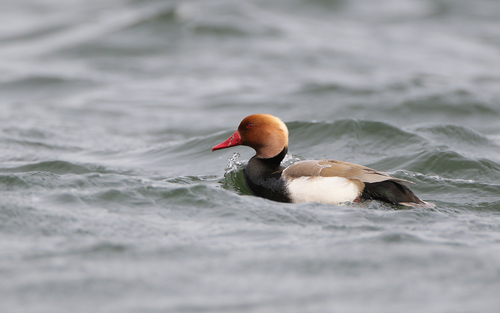
アカハシハジロ (Netta rufina) アカハシハジロ
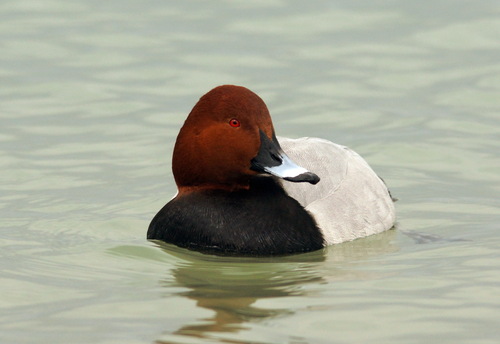
ホシハジロ (Aythya ferina) ホシハジロ

メディア

読み込み中…

要点

レッドクレストハジロとホシハジロを区別する最も信頼できるフィールドマークは、オスの目を引くオレンジ色の頭と明るい赤いくちばしであり、これはホシハジロのどの年齢や性別でも示されることはありません。メスと幼鳥はより難しいですが、レッドクレストハジロのメスは淡い顔とより丸い頭を持ち、ホシハジロのメスはより暗い色合いで、傾斜のある額を持っています。飛行中や遠くから見ると、構造と頭の形が重要で、両種は中型から大型の潜水ダックで、しばしば一緒に見られます。特に成鳥のオスの羽毛以外では、まずくちばしの色と頭の形を確認してください。

識別のコツ

  1. 成鳥のオスのレッドクレストハジロは間違いなく識別可能です: 明るいオレンジ色の丸い頭と鮮やかな赤いくちばし、黒い胸、白い側面、茶色の背中を探してください。ホシハジロはこの組み合わせを示しません。
  2. 成鳥のオスのホシハジロ: 栗色の頭と首、黒い胸と尾、細かい縞模様のある淡い灰色の体、青灰色の帯のある暗い灰色のくちばしを持っています。頭はレッドクレストハジロほど丸くもオレンジ色でもありません。
  3. メスのレッドクレストハジロ: 全体的に淡い茶色で、明確な白っぽい顔と暗い冠/背中を持っています。顔はしばしば淡く見え、特に遠くから見ると冠とのコントラストが際立ちます。
  4. メスのホシハジロ: 全体的に鈍い茶色で、淡い顔がなく、傾斜のある額を持っています。虹彩は茶色で、時には黄褐色で、くちばしはレッドクレストハジロの明るい赤を欠いています。
  5. エクリプスのオスのレッドクレストハジロ: メスに似ていますが、赤いくちばしを保持しており、ホシハジロのメスや幼鳥との重要な区別点です。
  6. 幼鳥のホシハジロ: メスに似ていますが、黄色オリーブの虹彩を持ち、初冬には成鳥の色に変わります。レッドクレストハジロのような淡い顔はありません。
  7. 頭の形: レッドクレストハジロは、特にオスにおいて、より丸くふっくらとした頭のプロファイルを持っています。ホシハジロは傾斜のある額とより角ばった頭の形を持っています。
  8. くちばしの色: レッドクレストハジロ(すべての年齢/性別)は赤いくちばしを示し(オスはより明るい)、ホシハジロは青灰色の帯のある暗い灰色のくちばし(オス)またはメスは鈍い色合いです。
  9. 体の構造: レッドクレストハジロはより大きくて直立して見え、ホシハジロはよりがっしりしていて、尾が短く、水中に低く座ります。
  10. 虹彩の色: オスのホシハジロは黄色オレンジから赤の虹彩を持ち(繁殖期に最も明るい)、メスは茶色がかっています。レッドクレストハジロの虹彩の色は、ノートには特に記載されていません。
  11. 飛行中の視点: 特徴的な上翼や飛行パターンの違いは記載されていないため、よく見えた場合は頭の形とくちばしの色に頼ってください。
  12. 混合群れ: 両種は一緒に見られることがあり、特に冬に見られます。特に大きな群れでは、各鳥を注意深く確認してください。
  13. 鳴き声: もし「ヴェッ」とか「ヴラ・ヴラ・ヴラ」という喘ぎ声を聞いたら、レッドクレストハジロを疑ってください。そうでなければ、声は強い区別要因ではありません。
  14. 生息地の重複: 両種は似た湿地生息地を利用するため、特にレッドクレストハジロが主に導入されたイギリス諸島では、場所だけに頼らないでください。
  15. 落とし穴: メスと幼鳥のレッドクレストハジロはメスのホシハジロと混同される可能性があります。レッドクレストハジロの場合は淡い顔と赤いくちばしに焦点を当て、ホシハジロの場合は全体的に暗い茶色、傾斜のある額、青灰色のくちばしの帯に焦点を当ててください。

大きさ

レッドクレストハジロは一般的に重く、平均体重は1115 g [wikidata]で、大型の潜水ダックです。ホシハジロは中型で通常は軽く、報告された体重は467から1240 gの範囲で(オスはメスよりも重いことが多い)[wikipedia]。両種は長さと翼幅が似ていますが、レッドクレストハジロは特にがっしりしていて、より頑丈に見える傾向があります。特にがっしりしていて尾が短いホシハジロと比較すると顕著です。

羽色

どちらの種についても特徴的な幼鳥や未成熟の上翼パターンは記載されていないため、飛行中の区別は全体的な羽毛と構造に依存します。成鳥のオスのレッドクレストハジロは、丸いオレンジ色の頭、明るい赤いくちばし、黒い胸、白い側面、茶色の背中を持ち、間違いなく識別可能です。メスは淡い茶色で、白っぽい顔と暗い冠と背中を持っています。エクリプスのオスはメスに似ていますが、赤いくちばしを保持しています。ホシハジロのオスは栗色の頭と首、黒い胸と尾、細かい縞模様のある淡い灰色の体を持っています。彼らのくちばしは暗い灰色で青灰色の帯があり、虹彩は黄色オレンジから赤です。メスは全体的に鈍い茶色で、淡い顔がなく、茶色の虹彩を持っています。幼鳥はメスに似ていますが、黄色オリーブの虹彩を持っています。すべての年齢において、ホシハジロは傾斜のある額を示し、メスのレッドクレストハジロの淡い顔を欠いています。

行動

両種は潜水ダックであり、潜水や水面での採餌を行うのが見られ、しばしば混合群れで見られます。レッドクレストハジロは特に冬に社交的であることが知られており、時には他の潜水ダックと大きな群れを形成します。両種は食べ物のために逆さまになり、レッドクレストハジロはほとんどの潜水ダックよりもこれをより頻繁に行うと報告されています。姿勢に関しては、レッドクレストハジロはしばしばより直立して丸みを帯びて見え、ホシハジロはがっしりしていて水中に低く座ります。

生息環境

両種は低地の湿地や湖を利用しますが、レッドクレストハジロは南ヨーロッパ、中央アジア、インド亜大陸とアフリカで冬を越すことにより関連しています。ホシハジロは主にスカンジナビアとシベリアの草原地域で繁殖し、南と西に冬を越します。イギリス諸島では、レッドクレストハジロは主に導入された個体群から来ており、ホシハジロは広範囲にわたる移動性のある冬の訪問者です。両種は適切な湿地生息地で一緒に見られることがあるため、文脈だけでは診断的ではありません。

声

レッドクレストハジロのオスは喘ぎ声の「ヴェッ」と呼ばれる声を出し、メスは一連のかすれた「ヴラ・ヴラ・ヴラ」という音を出します。提供されたノートにはホシハジロの特定の鳴き声は記載されていないため、レッドクレストハジロの特徴的な呼び声が聞かれない限り、声は信頼できる区別要因ではありません。

より良い説明を送る

比較と同じ項目を使ってください。文章はすぐに公開されます。

The most reliable field mark to separate Red-crested Pochard from Common Pochard is the male's striking orange head and bright red bill, which are never shown by Common Pochard of any age or sex. Females and immatures are trickier, but Red-crested Pochard females have a pale face and a more rounded head, while Common Pochard females appear duskier and have a sloping forehead. In flight or at a distance, structure and head shape are key, as both species are medium to large diving ducks often seen together. Always check for bill color and head shape first, especially outside of adult male plumage.

  1. Adult male Red-crested Pochard is unmistakable: Look for a bright orange, rounded head and vivid red bill, black breast, white flanks, and brown back. No Common Pochard shows this combination.
  2. Adult male Common Pochard: Shows a chestnut head and neck, black breast and tail, pale grey body with fine vermiculations, and a dark grey bill with a blue-grey band. The head is not as rounded or orange as Red-crested Pochard.
  3. Female Red-crested Pochard: Pale brown overall, with a distinct whitish face and darker crown/back. The face often looks pale and contrasts with the crown, especially at a distance.
  4. Female Common Pochard: Duller brown overall, lacks the pale face, and has a sloping forehead. The iris is brown, sometimes yellowish-brown, and the bill lacks the bright red of Red-crested Pochard.
  5. Eclipse male Red-crested Pochard: Resembles female but retains the red bill, which is a key separator from Common Pochard females and immatures.
  6. Juvenile Common Pochard: Similar to female but with a yellow-olive iris, which turns adult color by first winter. No pale face as in Red-crested Pochard.
  7. Head shape: Red-crested Pochard has a more rounded, puffy head profile, especially in males. Common Pochard has a sloping forehead and a more angular head shape.
  8. Bill color: Red-crested Pochard (all ages/sexes) shows a red bill (brighter in males), while Common Pochard has a dark grey bill with a blue-grey band (males) or duller in females.
  9. Body structure: Red-crested Pochard appears bulkier and more upright, while Common Pochard is stockier, shorter-tailed, and sits lower in the water.
  10. Iris color: Male Common Pochard has a yellow-orange to red iris (brightest in breeding season); female is brownish. Red-crested Pochard iris color is not described as distinctive in the notes.
  11. Flight views: No distinctive upperwing or flight pattern differences are described, so rely on head shape and bill color if seen well.
  12. Mixed flocks: Both species may occur together, especially in winter. Always check each bird carefully, especially in large groups.
  13. Vocalizations: If you hear a wheezing 'veht' or hoarse 'vrah-vrah-vrah', suspect Red-crested Pochard. Otherwise, voice is not a strong separator.
  14. Habitat overlap: Both use similar wetland habitats, so do not rely on location alone, especially in the British Isles where Red-crested Pochard is mostly introduced.
  15. Pitfall: Female and immature Red-crested Pochard can be confused with female Common Pochard; focus on the pale face and red bill for Red-crested, and overall dusky brown, sloping forehead, and blue-grey bill band for Common.

Red-crested Pochard is generally heavier, with an average body mass of 1115 g [wikidata], making it a large diving duck. Common Pochard is medium-sized and usually lighter, with reported weights ranging from 467 to 1240 g (males average heavier than females) [wikipedia]. Both species are similar in length and wingspan, but Red-crested Pochard tends to look bulkier and more robust, especially compared to the stockier, shorter-tailed Common Pochard.

No distinctive juvenile or immature upperwing pattern is described for either species, so separation in flight relies on overall plumage and structure. Adult male Red-crested Pochard is unmistakable with a rounded, orange head, bright red bill, black breast, white flanks, and brown back. Females are pale brown with a whitish face and darker crown and back. Eclipse males resemble females but retain the red bill. Common Pochard males have a chestnut head and neck, black breast and tail, and a pale grey body with fine vermiculations. Their bill is dark grey with a blue-grey band, and the iris is yellow-orange to red. Females are duller brown overall, lack the pale face, and have a brown iris. Juveniles resemble females but have a yellow-olive iris. In all ages, Common Pochard shows a sloping forehead and lacks the pale face of female Red-crested Pochard.

Both species are diving ducks and may be seen feeding by diving or dabbling, often in mixed flocks. Red-crested Pochard is noted for being particularly gregarious in winter, sometimes forming large flocks with other diving ducks. Both species upend for food, but Red-crested Pochard reportedly does this more frequently than most diving ducks. In terms of posture, Red-crested Pochard often appears more upright and rounded, while Common Pochard is stockier and sits lower in the water.

Both species use lowland marshes and lakes, but Red-crested Pochard is more associated with southern Europe, Central Asia, and wintering in the Indian subcontinent and Africa. Common Pochard breeds mainly in Scandinavia and Siberian steppe regions, wintering farther south and west. In the British Isles, Red-crested Pochard is mostly from introduced populations, while Common Pochard is a widespread migrant and winter visitor. Both may be found together in suitable wetland habitats, so context alone is not diagnostic.

Red-crested Pochard males give a wheezing 'veht' call, while females produce a series of hoarse 'vrah-vrah-vrah' notes. No specific vocalizations are described for Common Pochard in the provided notes, so voice is not a reliable separator unless the Red-crested Pochard's distinctive calls are heard.

変更を破棄しますか?

保存していない編集があります。今離れると失われます。

アカハシハジロ · ホシハジロ · 苦手な鳥