

Motmot

アカハシネッタイチョウ 対 アカオネッタイチョウ

Phaethon aethereus 対 Phaethon rubricauda

アカハシネッタイチョウとアカオネッタイチョウのクイズ
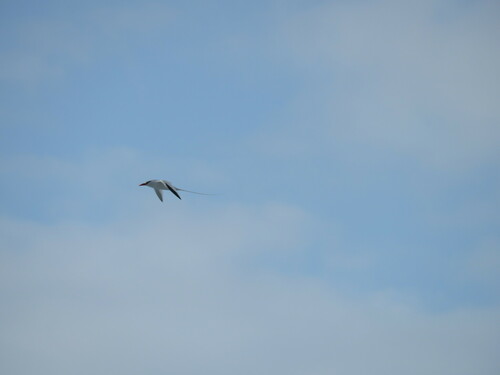
アカハシネッタイチョウ (Phaethon aethereus) アカハシネッタイチョウ
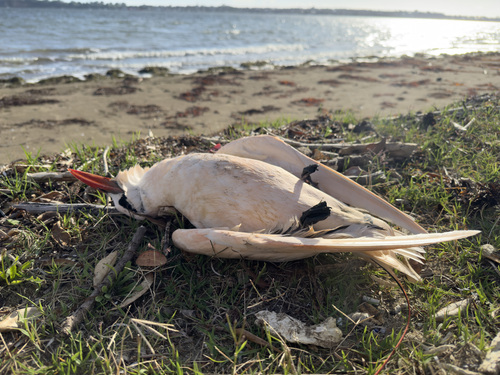
アカオネッタイチョウ (Phaethon rubricauda) アカオネッタイチョウ

メディア

読み込み中…

要点

アカハシネッタイチョウとアカオネッタイチョウの最も信頼できるフィールドマークは尾のストリーマーの色です:アカハシネッタイチョウは黒いシャフトのストリークがある長い白いストリーマーを持ち、アカオネッタイチョウは白い基部を持つ短い赤またはオレンジのストリーマーを持っています。幼鳥は特に難しいですが、アカハシネッタイチョウの幼鳥は上部に重いバリングと黒い先端の尾羽を示し、アカオネッタイチョウの幼鳥は上部により広範な黒いバリングとスケーリング、部分的に赤いくちばしを持っています。両種は主に白い羽毛、黒いマスク、赤いくちばしを持っていますが、翼のマーキング、尾の形、サイズの微妙な違いがそれらを区別するのに役立ちます。飛行中の視点はしばしば混乱を招くため、特に若い鳥では尾と上翼のパターンに特別な注意を払ってください。

識別のコツ

  1. Tail streamer color and length (adults): アカハシネッタイチョウは黒いシャフトのストリークがある長い白いストリーマーを持っています(体長の最大2倍、特にオスの場合);アカオネッタイチョウは白い基部を持つ短い赤またはオレンジのストリーマーを持っています(長さの約10分の1)。これは、飛行中または止まっている成鳥のための最も良いフィールドマークです。
  2. Juvenile tail and upperparts: 幼鳥のアカハシネッタイチョウはストリーマーがなく、黒い先端の尾羽と上部に重いバリングを持っています;幼鳥のアカオネッタイチョウもストリーマーがなく、上部により広範な黒いバリングとスケーリング、くさび形の尾を示します。
  3. Bill color (adults): 両種は明るい赤いくちばしを持っていますが、アカハシネッタイチョウのくちばしは無地の赤で、アカオネッタイチョウのくちばしは明るい赤で、基部がやや淡く、鼻孔の周りが黒いです。幼鳥では、アカハシネッタイチョウのくちばしはあまり鮮やかな赤ではなく、アカオネッタイチョウのくちばしは黒っぽい灰色で青灰色の基部を持っています。
  4. Wing pattern (adults): アカハシネッタイチョウは黒い翼の先端と黒い細かいバリングのある背中を示します;アカオネッタイチョウは白い翼を持ち、テリシャルに暗いV字型の斑点があり、上翼の羽毛にピンクの色合いがあります。
  5. Facial mask: 両種は黒いマスクを持っていますが、アカハシネッタイチョウのマスクはロアからうなじまで伸び、時にはうなじの近くに灰色のまだら模様があります;アカオネッタイチョウのマスクはロアから目を通り耳の覆いまでの暗い茶色のコンマ型のストライプです。
  6. Plumage tinge: アカオネッタイチョウは羽毛にピンクの色合いを示すことが多く、特に翼において;アカハシネッタイチョウは白で、うなじと後頸部に灰色のまだら模様がありますが、ピンクの洗いはありません。
  7. Back pattern (adults): アカハシネッタイチョウの背中は黒い細かいバリングがあります;アカオネッタイチョウのマントルと背中には暗い茶色のシャフトの基部がありますが、バリングはあまり細かくなく、より限られています。
  8. Leg color: アカハシネッタイチョウはオレンジ黄色の足とつま先を持ち、足の他の部分は黒です;アカオネッタイチョウは淡い青紫色の足とつま先の基部を持ち、黒い水かきと他のつま先があります。
  9. Size and shape: アカハシネッタイチョウは長いストリーマーのために飛行中により細長く見えます;アカオネッタイチョウはよりがっしりしており、よりコンパクトな外観と短いストリーマーを持っています。
  10. Flight jizz: アカハシネッタイチョウはより直接的で、アジサシのようです;アカオネッタイチョウはより重く見え、あまり細長くありません。
  11. Juvenile facial pattern: 幼鳥のアカハシネッタイチョウは目の上に黒いストライプがあり、うなじでつながっています;幼鳥のアカオネッタイチョウは頭頂とうなじにより広範な黒いバリングとスケーリングがあります。
  12. Tail shape (juveniles): 幼鳥のアカハシネッタイチョウは黒い先端の羽を持つまっすぐな尾を持っています;幼鳥のアカオネッタイチョウはくさび形の尾を持っています。
  13. Vocalizations: アカハシネッタイチョウはコロニーの近くで叫ぶ声が聞こえる可能性が高いです;アカオネッタイチョウは巣での短い鳴き声やうなり声を除いて、ほとんど静かです。
  14. Context: 大西洋または東太平洋で見られた場合、アカハシネッタイチョウの可能性が高いです;中央太平洋またはインド洋ではアカオネッタイチョウの可能性が高いですが、重複が発生します。
  15. Sex differences: オスのアカハシネッタイチョウはメスよりも長いストリーマーを持っていますが、これは両方の性が比較のために存在する場合にのみ役立ちます。

大きさ

アカハシネッタイチョウは翼幅がわずかに小さく(99–106 cm)、アカオネッタイチョウ(111–119 cm)と比較されますが、フィールドでの違いは微妙です。アカハシネッタイチョウの尾のストリーマーは長く(体長の最大2倍、46–56 cm)、特にオスの場合、より細長く見えます。アカオネッタイチョウのストリーマーは短く(約35 cm)赤く、がっしりとしたよりコンパクトな外観に寄与しています。アカハシネッタイチョウの直接的な体重比較はありませんが、アカオネッタイチョウの平均は219 gです。両種は大きなアジサシのような海鳥ですが、アカハシネッタイチョウは長いストリーマーのためにしばしばよりスレンダーに見えます。

羽色

幼鳥:アカハシネッタイチョウの幼鳥は主に白い冠を持ち、目の上に黒いストライプがあり、通常はうなじでつながっており、尾羽は黒い先端または亜端点を持っていますが、ストリーマーはありません。彼らの上部は他のネッタイチョウよりも重くバリングされています。アカオネッタイチョウの幼鳥は光沢のある白い額、顎、腹部を持っていますが、頭頂、うなじ、マントル、背中、腰、上翼の覆いに目立つ黒いバリングとスケーリングを示します。彼らのくちばしは黒っぽい灰色で青灰色の基部を持ち、足は灰色です。尾はくさび形で、ストリーマーは欠如しているか、成長し始めたばかりです。

成鳥:アカハシネッタイチョウの成鳥は主に白い羽毛を持ち、黒い翼の先端、黒いマスク、黒いシャフトのストリークがある白い尾のストリーマーを持っています。背中は黒い細かいバリングがあり、くちばしは明るい赤です。アカオネッタイチョウの成鳥はほぼすべて白く、しばしばピンクの色合いがあり、黒いマスクと明るい赤いくちばしを持っています。彼らの尾のストリーマーは赤またはオレンジで白い基部を持ち(長さの約10分の1)、翼にはテリシャルに暗いV字型の斑点があります。ピンクの色合いは上翼の羽毛でより顕著になることが多いです。両性は羽毛が似ていますが、オスのアカハシネッタイチョウはストリーマーが長いです。

行動

両種は空中性でアジサシのようで、特に繁殖コロニーの近くで海の上を旋回しているのがよく見られます。アカハシネッタイチョウはより直接的で目的のある飛行をする傾向がありますが、アカオネッタイチョウは短いストリーマーのためによりがっしりして見えることがあります。両種は空中の求愛ディスプレイを行いますが、これらはフィールドで診断的であることはまれです。アカオネッタイチョウは巣の場所でより攻撃的であることが知られており、独特の防御姿勢を採用し、長時間のくちばしのレスリングの戦いに従事します。

生息環境

両種は熱帯の海に生息し、通常は沖合や遠隔の島の近くで見られます。アカハシネッタイチョウは大西洋、東太平洋、インド洋の一部で見られ、アカオネッタイチョウはインド洋と太平洋に生息しています。両方が生息する地域では、文脈は通常診断的ではありませんが、アカオネッタイチョウは中央太平洋とインド洋の島々でより可能性が高く、アカハシネッタイチョウは大西洋と東太平洋でより一般的です。

声

アカハシネッタイチョウは繁殖コロニーの近くでより声を出し、大きくて厳しい叫び声("kreeeee-kreeeee-kri-kri-kri-kr")を出します。雛は動かされると鋭い叫び声を発します。アカオネッタイチョウは飛行中は一般的に静かですが、求愛ディスプレイ中には短い挨拶の鳴き声を出すことがあります。巣では防御として低いうなり声を出し、親が近くにいると雛は繰り返しおしゃべりをします。フィールドでは、コロニーにいる場合を除いて、鳴き声は診断的であることはまれです。

より良い説明を送る

比較と同じ項目を使ってください。文章はすぐに公開されます。

The most reliable field mark between Red-billed and Red-tailed Tropicbirds is the color of the tail streamers: Red-billed has long, white streamers with black shaft streaks, while Red-tailed has shorter, red or orange streamers with white bases. Juvenile birds are especially tricky, but Red-billed juveniles show heavier barring above and black-tipped tail feathers, while Red-tailed juveniles have more extensive black barring and scaling across the upperparts and a partly red bill. Both species have mostly white plumage, a black mask, and a red bill, but subtle differences in wing markings, tail shape, and size help separate them. Flight views are often confusing, so pay special attention to the tail and upperwing pattern, especially in young birds.

  1. Tail streamer color and length (adults): Red-billed has long, white streamers with black shaft streaks (up to twice body length, especially in males); Red-tailed has shorter, red or orange streamers with white bases (about a tenth of their length). This is the single best field mark for adults in flight or perched.
  2. Juvenile tail and upperparts: Juvenile Red-billed lacks streamers and has black-tipped tail feathers and heavier barring above; juvenile Red-tailed also lacks streamers but shows more extensive black barring and scaling on the upperparts and a wedge-shaped tail.
  3. Bill color (adults): Both have bright red bills, but Red-billed's is solid red, while Red-tailed's is bright red, slightly paler at the base and black around the nostrils. In juveniles, Red-billed's bill is less vividly red, Red-tailed's is blackish-grey with a blue-grey base.
  4. Wing pattern (adults): Red-billed shows black wing tips and a back finely barred in black; Red-tailed has white wings with dark chevron-shaped patches on the tertials and a pink tinge to the upperwing remiges.
  5. Facial mask: Both have a black mask, but Red-billed's mask extends from above the lores to the nape, sometimes with gray mottling near the nape; Red-tailed's mask is a dark brown comma-shaped stripe from the lores, through and over the eyes to the ear coverts.
  6. Plumage tinge: Red-tailed often shows a pink tinge to the plumage, especially on the wings; Red-billed is white with gray mottling on the nape and hindneck, but lacks the pink wash.
  7. Back pattern (adults): Red-billed's back is finely barred in black; Red-tailed's mantle and back have dark brown shaft bases, but the barring is less fine and more limited.
  8. Leg color: Red-billed has orange-yellow legs and toes with black on the rest of the feet; Red-tailed has pale blue-mauve legs and base of toes, with black webbing and rest of toes.
  9. Size and shape: Red-billed appears more elongated in flight due to longer streamers; Red-tailed is stockier, with a more compact look and shorter streamers.
  10. Flight jizz: Red-billed is more direct and tern-like; Red-tailed appears heavier-set and less elongated.
  11. Juvenile facial pattern: Juvenile Red-billed has black stripes above the eye connecting at the nape; juvenile Red-tailed has more extensive black barring and scaling on the crown and nape.
  12. Tail shape (juveniles): Juvenile Red-billed has a straight tail with black-tipped feathers; juvenile Red-tailed has a wedge-shaped tail.
  13. Vocalizations: Red-billed is more likely to be heard screaming near colonies; Red-tailed is mostly silent except for brief squawks or growls at the nest.
  14. Context: If seen in the Atlantic or eastern Pacific, Red-billed is more likely; in the central Pacific or Indian Ocean, Red-tailed is more likely, but overlap occurs.
  15. Sex differences: Male Red-billed have longer streamers than females, but this is only useful if both sexes are present for comparison.

Red-billed Tropicbird is slightly smaller in wingspan (99–106 cm) compared to Red-tailed (111–119 cm), but the difference is subtle in the field. Red-billed's tail streamers are longer (up to twice body length, 46–56 cm), making it appear more elongated, especially in males. Red-tailed's streamers are shorter (about 35 cm) and red, contributing to a stockier, more compact look. No direct body mass comparison is available for Red-billed, but Red-tailed averages 219 g. Both are large, tern-like seabirds, but Red-billed often looks more slender due to its longer streamers.

Juveniles: Red-billed juveniles have a mostly white crown, with black stripes above the eye usually connecting at the nape, and tail feathers with black tips or subterminal dots but lacking streamers. Their upperparts are heavily barred, more so than other tropicbirds. Red-tailed juveniles have glossy white forehead, chin, and underparts, but show prominent black barring and scaling on the crown, nape, mantle, back, rump, and upperwing coverts. Their bills are blackish-grey with a blue-grey base, and their legs are grey. The tail is wedge-shaped, and the streamers are absent or just beginning to grow.

Adults: Red-billed adults have mostly white plumage with black wing tips, a black mask, and white tail streamers with black shaft streaks. The back is finely barred in black, and the bill is bright red. Red-tailed adults are almost all white, often with a pink tinge, a black mask, and a bright red bill. Their tail streamers are red or orange with white bases (about a tenth of their length), and the wings show dark chevron-shaped patches on the tertials. The pink tinge is often more pronounced in the upperwing remiges. Both sexes are similar in plumage, but male Red-billed have longer streamers.

Both species are aerial and tern-like, often seen circling above the sea, especially near breeding colonies. Red-billed Tropicbird tends to fly with a more direct, purposeful flight, while Red-tailed can appear heavier-set and slightly less elongated due to shorter streamers. Both species perform aerial courtship displays, but these are rarely diagnostic in the field. Red-tailed is noted for being more aggressive at nest sites, adopting a distinctive defensive posture and engaging in prolonged bill-wrestling fights.

Both species inhabit tropical oceans and are typically seen far offshore or near remote islands. Red-billed is found in the Atlantic, eastern Pacific, and parts of the Indian Ocean, while Red-tailed is native to the Indian and Pacific Oceans. In areas where both occur, context is not usually diagnostic, but Red-tailed is more likely in the central Pacific and Indian Ocean islands, while Red-billed is more common in the Atlantic and eastern Pacific.

Red-billed Tropicbird is more vocal near breeding colonies, producing loud, harsh screams ("kreeeee-kreeeee-kri-kri-kri-kr"). Chicks emit piercing shrieks when disturbed. Red-tailed Tropicbird is generally silent in flight, except during courtship displays, when it may give a short greeting squawk. At the nest, it can give a low growling call as a defense, and chicks chatter repetitively when parents are nearby. In the field, vocalizations are rarely diagnostic unless at a colony.

変更を破棄しますか?

保存していない編集があります。今離れると失われます。

アカハシネッタイチョウ · アカオネッタイチョウ · 苦手な鳥