

Motmot

アカハシマメサイチョウ 対 ハイイロコサイチョウ

Lophoceros camurus 対 Lophoceros nasutus

アカハシマメサイチョウとハイイロコサイチョウのクイズ

アカハシマメサイチョウ (Lophoceros camurus) アカハシマメサイチョウ
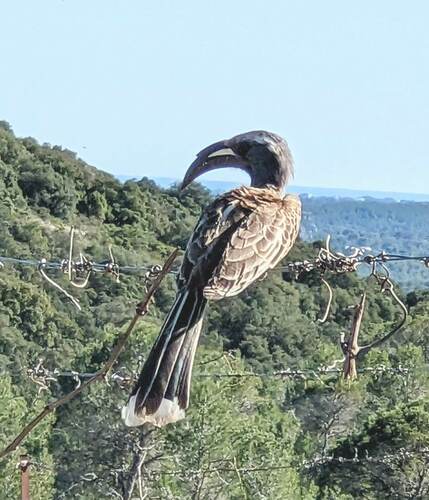
ハイイロコサイチョウ (Lophoceros nasutus) ハイイロコサイチョウ

メディア

読み込み中…

要点

これら二種を区別する最も信頼できるフィールドマークはくちばしの色です:アカハシマメサイチョウは明確に赤いくちばしを示しますが、ハイイロコサイチョウは主に暗いくちばしを持ち、オスには淡いストライプまたはクリーム色のマークがあり、メスには三色の赤い先端の下顎があります。ハイイロコサイチョウははるかに大きく、長い尾と目立つカスケを持ち、主に灰褐色で頭部と背中に白い線があります(後者は飛行中に見えます)。アカハシマメサイチョウは小さく、密な熱帯雨林に生息していますが、ハイイロコサイチョウは開けた森林やサバンナを好みます。幼鳥のハイイロコサイチョウは全体が暗いくちばしを持ち、混乱を引き起こす可能性がありますが、彼らの大きなサイズと灰褐色の羽毛は依然として特徴的です。

識別のコツ

  1. くちばしの色が最も信頼できるマークです: アカハシマメサイチョウは常に赤いくちばしを示しますが、ハイイロコサイチョウは主に暗いくちばしを持ち、淡いストライプ(オス)または三色の赤い先端のくちばし(メス)があります。幼鳥のハイイロコサイチョウは全体が暗いくちばしを持ち、混乱を引き起こす可能性があるため、若い鳥では他のマークを使用してください。
  2. サイズと構造: ハイイロコサイチョウははるかに大きく、がっしりしており、長い尾とくちばしの目立つカスケを持っています(特にオス)。アカハシマメサイチョウは小さく、よりコンパクトで、目立つカスケがありません。
  3. 羽毛の色: ハイイロコサイチョウは全体が灰褐色で、頭部、飛行羽、尾が暗く、頭頂と背中に白い線があります(後者は飛行中に見えます)。アカハシマメサイチョウは一般的に暗く、これらの白い線がありません。
  4. 尾の長さ: ハイイロコサイチョウは著しく長い尾を持ち、飛行中や止まっているときに明らかです。アカハシマメサイチョウは短い尾を持っています。
  5. 生息地: 密で湿った熱帯雨林で見られる場合、アカハシマメサイチョウが期待されます;開けた森林やサバンナでは、ハイイロコサイチョウがデフォルトです。
  6. 行動: ハイイロコサイチョウはしばしば目立ち、開けた場所に止まり、大きな声で鳴きます。アカハシマメサイチョウはより秘密主義で、密な森林の中に留まります。
  7. 飛行スタイル: ハイイロコサイチョウは、コサイチョウに典型的な波状の飛行をし、飛行中に白い背中の線を示すことがあります。アカハシマメサイチョウには特定の飛行スタイルは記載されていませんが、その小さなサイズとコンパクトな形状は明らかであるべきです。
  8. 幼鳥の混乱: 幼鳥のハイイロコサイチョウは全体が暗いくちばしを持っていますが、彼らのサイズ、灰褐色の羽毛、白い頭/背中の線は依然としてアカハシマメサイチョウと区別されます。
  9. 性差: ハイイロコサイチョウでは、オスは暗いくちばしに淡いストライプを持ち、メスは赤い先端の三色のくちばしを持っています。アカハシマメサイチョウはそのような変異を示さず、成鳥では常にくちばしが赤いです。
  10. 鳴き声: 大きな「ピーオ ピーオ ピーオ」という呼び声が聞こえた場合、それはハイイロコサイチョウです。アカハシマメサイチョウの声はここでは記載されていないため、静寂は診断的ではありませんが、その呼び声はハイイロコサイチョウを強く示唆します。
  11. 分布の重複: 地元の生息地に注意してください—両方が生息する地域にいる場合、生息地は強い手がかりです。混合生息地では、くちばしの色とサイズを主要なマークとして使用してください。
  12. カスケの存在: カスケ(くちばしの骨の隆起)は、特にオスのハイイロコサイチョウでより目立ちます。アカハシマメサイチョウは目立つカスケがありません。
  13. 止まっている時と飛んでいる時: 止まっている時は、くちばしの色、サイズ、尾の長さを比較してください。飛行中は、ハイイロコサイチョウの白い背中の線と全体の体格を探してください。
  14. 落とし穴: 見えにくい場合や未熟なハイイロコサイチョウは、くちばしの色によって誤解を招く可能性があるため、常に複数の特徴を確認してください—サイズ、構造、生息地は特に重要です。
  15. 迅速な区別のためのチェックリスト: (a) 赤いくちばし = アカハシマメサイチョウ;(b) 大きく、灰褐色、長い尾、白い線 = ハイイロコサイチョウ;(c) 生息地:熱帯雨林 = アカハシマメサイチョウ、サバンナ/開けた森林 = ハイイロコサイチョウ。

大きさ

ハイイロコサイチョウはかなり大きく、全長は45〜51 cm(アカハシマメサイチョウの体重のほぼ2倍、約104 g)です。その長い尾と全体の体格は、距離があっても明らかです。アカハシマメサイチョウははるかに小さく、よりコンパクトで、相対的に短い尾と軽い体格を持っています。一緒に見られる場合、サイズの違いは際立っていますが、孤立した鳥やサイズを判断しにくい場合には注意が必要です。

羽色

どちらの種にも詳細な年齢特異的な翼のパターンはありませんが、全体の色合いは役立ちます。ハイイロコサイチョウは全体が灰褐色で、頭部、飛行羽、尾が暗く、頭頂と背中に白い線があります(後者は飛行中にのみ見えます)。くちばしはオスには淡いストライプまたはクリーム色のマークがあり、メスには赤い先端の三色のくちばしがあります;幼鳥は全体が暗いくちばしを持っています。対照的に、アカハシマメサイチョウは明確に赤いくちばしを持ち、一般的に暗く、ハイイロコサイチョウの白い線や淡いくちばしのマークがありません。アカハシマメサイチョウの羽毛はあまり詳細に記載されていませんが、成鳥ではくちばしの色が常に診断的です。

行動

ハイイロコサイチョウはしばしば開けた森林やサバンナに目立って止まり、大きな声で鳴くことがあります。その飛行は波状で、頻繁に木の間を移動します。アカハシマメサイチョウはより秘密主義で、通常は密な熱帯雨林の中に留まり、開けた場所で見られる可能性は低いです。その行動はより控えめで、適切な森林生息地でない限り見つけるのが難しくなります。

生息環境

アカハシマメサイチョウはアフリカの熱帯雨林に限定され、密で湿った森林の内部に留まります。一方、ハイイロコサイチョウはサハラ以南のアフリカに広く分布し、開けた森林やサバンナを好み、密な熱帯雨林にはほとんど入ることがありません。開けた乾燥した地域でコサイチョウを見た場合、それはほぼ確実にハイイロコサイチョウです;密で湿った森林では、アカハシマメサイチョウの可能性が高いです。

声

ハイイロコサイチョウは非常に鳴き声が多く、特徴的な「ピーオ ピーオ ピーオ」という呼び声を発し、しばしば鳥が見える前に聞こえます。アカハシマメサイチョウの鳴き声に関する記述はこれらのメモにはありませんので、声はハイイロコサイチョウの診断にのみ役立ちます。

より良い説明を送る

比較と同じ項目を使ってください。文章はすぐに公開されます。

The most reliable field mark separating these two is bill color: Red-billed Dwarf Hornbill shows a distinctly red bill, while African Grey Hornbill has a mostly dark bill with a pale stripe or creamy mark in males, and a tricolored, red-tipped mandible in females. African Grey Hornbill is much larger, with a long tail and prominent casque, and is mostly grey-brown with white lines on the head and back (the latter visible in flight). Red-billed Dwarf Hornbill is smaller, and found in dense rainforest, whereas African Grey Hornbill prefers open woodland and savannah. Juvenile African Grey Hornbills have all-dark bills, which can cause confusion, but their larger size and grey-brown plumage remain distinctive.

  1. Bill color is the most reliable mark: Red-billed Dwarf Hornbill always shows a red bill, while African Grey Hornbill has a mostly dark bill with a pale stripe (male) or tricolored, red-tipped bill (female). Juvenile African Grey Hornbills have all-dark bills, which can cause confusion, so use other marks in young birds.
  2. Size and structure: African Grey Hornbill is much larger and bulkier, with a long tail and prominent casque on the bill (especially in males). Red-billed Dwarf Hornbill is smaller, more compact, and lacks a prominent casque.
  3. Plumage color: African Grey Hornbill is grey-brown overall, with a darker head, flight feathers, and tail, and has white lines along the crown and down the back (the latter visible in flight). Red-billed Dwarf Hornbill is generally darker and lacks these white lines.
  4. Tail length: African Grey Hornbill has a notably long tail, which is obvious in flight and when perched. Red-billed Dwarf Hornbill has a shorter tail.
  5. Habitat: If seen in dense, humid rainforest, Red-billed Dwarf Hornbill is expected; in open woodland or savannah, African Grey Hornbill is the default.
  6. Behavior: African Grey Hornbill is often conspicuous, perching in the open and calling loudly. Red-billed Dwarf Hornbill is more secretive and stays within dense forest cover.
  7. Flight style: African Grey Hornbill has an undulating flight, typical of hornbills, and may show the white back line in flight. No specific flight style is described for Red-billed Dwarf Hornbill, but its smaller size and compact shape should be apparent.
  8. Juvenile confusion: Juvenile African Grey Hornbills have all-dark bills, but their size, grey-brown plumage, and white head/back lines still separate them from Red-billed Dwarf Hornbill.
  9. Sex differences: In African Grey Hornbill, males have a pale stripe on the otherwise dark bill, while females have a tricolored bill with a red tip. Red-billed Dwarf Hornbill does not show such variation; the bill is always red in adults.
  10. Vocalizations: If you hear a loud, piping 'pee-o pee-o pee-o' call, it is African Grey Hornbill. Red-billed Dwarf Hornbill's voice is not described here, so silence is not diagnostic, but the call is a strong pointer to African Grey Hornbill.
  11. Range overlap: Be aware of local habitat—if you are in a region where both occur, habitat is a strong clue. In mixed habitats, use bill color and size as your primary marks.
  12. Casque presence: The casque (bony ridge on the bill) is more prominent in African Grey Hornbill, especially in males. Red-billed Dwarf Hornbill lacks a prominent casque.
  13. Perched vs. in flight: When perched, compare bill color, size, and tail length. In flight, look for the white back line in African Grey Hornbill and overall bulk.
  14. Pitfalls: Poor views or immature African Grey Hornbills can be misleading due to bill color, so always check multiple features—size, structure, and habitat are especially important.
  15. Checklist for quick separation: (a) Red bill = Red-billed Dwarf Hornbill; (b) Large, grey-brown, long tail, white lines = African Grey Hornbill; (c) Habitat: rainforest = Red-billed Dwarf Hornbill, savannah/open woodland = African Grey Hornbill.

African Grey Hornbill is substantially larger, measuring 45–51 cm in length (nearly twice the body mass of Red-billed Dwarf Hornbill, which is about 104 g). Its long tail and overall bulk are obvious even at a distance. Red-billed Dwarf Hornbill is much smaller and more compact, with a proportionally shorter tail and lighter build. If seen together, the size difference is striking, but beware of lone birds or poor views where size can be hard to judge.

No detailed age-specific wing pattern is available for either species, but overall coloration is helpful. African Grey Hornbill is grey-brown overall, with a darker head, flight feathers, and tail. It shows a white line down each side of the crown and another down the back, the latter only visible in flight. The bill is dark with a pale stripe or creamy mark in males, and tricolored with a red tip in females; juveniles have an all-dark bill. Red-billed Dwarf Hornbill, by contrast, has a distinctly red bill and is generally darker and more compact, lacking the white lines and pale bill markings of African Grey Hornbill. The plumage of Red-billed Dwarf Hornbill is less well described, but the bill color is always diagnostic in adults.

African Grey Hornbill often perches conspicuously in open woodland or savannah, sometimes advertising itself with loud calls. Its flight is undulating, and it frequently moves between trees. Red-billed Dwarf Hornbill is more secretive, typically staying within dense rainforest and less likely to be seen in open areas. Its behavior is more retiring, making it harder to spot except in suitable forest habitat.

Red-billed Dwarf Hornbill is restricted to African tropical rainforest, where it keeps to dense, humid forest interiors. African Grey Hornbill, on the other hand, is widespread in sub-Saharan Africa and prefers open woodland and savannah, rarely entering dense rainforest. If you see a hornbill in open, dry country, it is almost certainly African Grey Hornbill; in dense, humid forest, Red-billed Dwarf Hornbill is more likely.

African Grey Hornbill is very vocal, giving a distinctive piping 'pee-o pee-o pee-o' call, which is often heard before the bird is seen. There is no vocal description available for Red-billed Dwarf Hornbill in these notes, so voice is only diagnostic for African Grey Hornbill.

変更を破棄しますか?

保存していない編集があります。今離れると失われます。

アカハシマメサイチョウ · ハイイロコサイチョウ · 苦手な鳥