

Motmot

セアカモズ 対 ヨーロッパオオモズ

Lanius collurio 対 Lanius excubitor

セアカモズとヨーロッパオオモズのクイズ
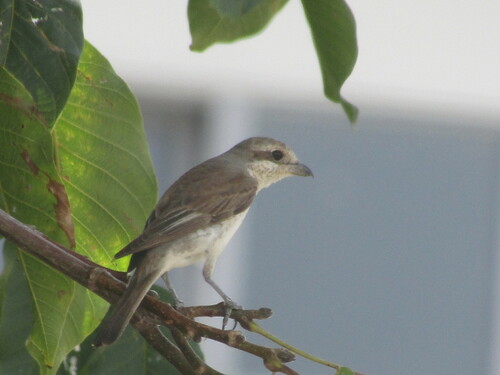
セアカモズ (Lanius collurio) セアカモズ
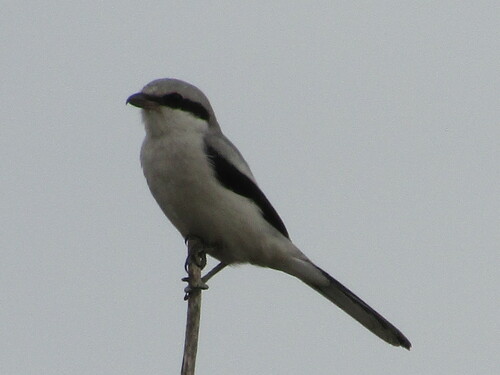
ヨーロッパオオモズ (Lanius excubitor) ヨーロッパオオモズ

メディア

読み込み中…

要点

レッドバックシュライクとヨーロッパオオモズを区別する最も信頼できるフィールドマークは全体の色合いです:成鳥のオスのレッドバックシュライクは赤褐色の背中と灰色の頭を示しますが、ヨーロッパオオモズははるかに大きく、真珠のような灰色の鳥で、太い黒いマスクと白い腹部を持っています。レッドバックシュライクの雌と幼鳥は、上面と下面がより茶色く、細かい縞模様があり、ヨーロッパオオモズのように鮮やかな灰色と白ではありません。飛行中または休んでいるとき、ヨーロッパオオモズはより大きく、重いくちばしと特徴的な白い翼の斑点を持っています。赤褐色または茶色の背中を持つシュライクを見た場合、特に夏には、ほぼ確実にレッドバックシュライクです;大きく、淡い灰色のシュライクで、強い黒いマスクと白い翼のパネルを持つのがヨーロッパオオモズです。未成熟のレッドバックシュライクは混乱を招くことがありますが、彼らの細かい縞模様(ヴェルミキュレーション)と小さいサイズは良い手がかりです。

識別のコツ

  1. 全体のサイズと構造: ヨーロッパオオモズはレッドバックシュライクよりもはるかに大きく、重いです。体はより大きく、頭も大きく、くちばしも太いです。もし鳥が特に頑丈に見える場合や「大きな頭」を持っている場合は、ヨーロッパオオモズを疑ってください。
  2. 背中の色(成鳥): オスのレッドバックシュライクは、ヨーロッパのシュライクの中でユニークな豊かな赤褐色の背中を持っています。ヨーロッパオオモズは常に上面が淡い灰色で、赤褐色や茶色ではありません。
  3. 頭とマスク: ヨーロッパオオモズは、くちばしから目を通って広がる太くて大胆な黒いマスクを持ち、淡い灰色の頭に設定されています。レッドバックシュライクのマスクは狭く、オスの場合は頭が青灰色です;雌と幼鳥は茶色がかった頭とあまり目立たないマスクを持っています。
  4. 腹部: ヨーロッパオオモズは下側がきれいな白ですが、レッドバックシュライク(特に雌と幼鳥)は、細かい縞模様(ヴェルミキュレーション)を持つバフまたはピンクがかった腹部を示します。
  5. 翼の模様(成鳥): ヨーロッパオオモズは、休んでいるときや飛んでいるときに目立つ白い翼の斑点を示し、これは一次と二次の白い基部によって形成されています。レッドバックシュライクはそのような大きな白い斑点を欠いており、翼はより暗く、コントラストが少ないです。
  6. 尾の模様: 両者は黒と白の尾を持っていますが、ヨーロッパオオモズの尾はより長く、くさび形で、広い白い縁があります;レッドバックシュライクの尾はより短く、目立たず、時にはウィートイーターの尾に例えられます。
  7. 幼鳥/雌の羽毛: 若いレッドバックシュライクと雌は、上面と下面が茶色で、密な細かい縞模様があります。ヨーロッパオオモズの幼鳥は、レッドバックほど茶色や縞模様ではなく、決してレッドバックのようにヴェルミキュレートされていません。
  8. くちばし: ヨーロッパオオモズのくちばしは明らかに重く、よりフック状で、大きな獲物に適しています。レッドバックのくちばしはより細く、繊細です。
  9. 飛行スタイル: ヨーロッパオオモズの飛行は波状で重く、しばしば地面に低く、下から止まり木に近づく傾向があります。レッドバックは飛行中により軽やかで敏捷です。
  10. 止まり方: 両者は目立って止まりますが、ヨーロッパオオモズはしばしばより直立して座り、より支配的に見え、時には尾や翼を扇いだり、小さな冠を持ち上げたりしてアピールします。
  11. 生息地と季節: 夏には、レッドバックシュライクは低地の茂みの多い地域にいる可能性が高いです;ヨーロッパオオモズは冬、北部、または高地の開けた生息地にいる可能性が高いです。
  12. 攻撃的なディスプレイ: ヨーロッパオオモズは、特に領土の境界で、螺旋状のディスプレイ飛行や攻撃的な姿勢を見せることがあります;レッドバックはあまり目立ちません。
  13. 群れの行動: ヨーロッパオオモズは小さな冬の休息地に集まることがあります;レッドバックは繁殖期にはより孤立しているか、ペアでいることが多いです。
  14. イギリスにおける文脈: レッドバックシュライクは現在、イギリスでは非常に珍しく、局所的ですが、ヨーロッパオオモズは稀な冬の訪問者です—季節と場所が助けになります。
  15. 疑わしい場合: 背中の色(赤と灰)、サイズ、白い翼の斑点の有無に焦点を当ててください。幼鳥のレッドバックの細かい縞模様はユニークです;ヨーロッパオオモズのきれいで淡い外観は特徴的です。

大きさ

ヨーロッパオオモズはレッドバックシュライクよりもかなり大きく、重いです(成鳥の質量は約63g、レッドバックはより小さいサイズ;レッドバックの長さは16〜18 cmですが、ヨーロッパオオモズは全体的に明らかにより大きく、長いです) [wikidata][wikipedia]。ヨーロッパオオモズはより頑丈で強力なくちばしを持ち、相対的に長い尾を持っており、フィールドでより重く、威圧的な外観を与えます。レッドバックシュライクはより繊細で細身で、より細いくちばしと短い尾を持っています。並べて見ると、サイズの違いは明らかですが、距離がある場合は、ヨーロッパオオモズの体格と直立した姿勢を探してください。

羽色

幼鳥と雌のレッドバックシュライクは、上面が茶色で、上面と下面の両方に細かい縞模様(ヴェルミキュレーション)があり、ヨーロッパオオモズのきれいな灰色と白のコントラストが欠けています。成鳥のオスのレッドバックシュライクは、赤褐色の背中、灰色の頭、黒い目のストライプが特徴的です;腹部はピンクがかっており、尾は黒と白で、ウィートイーターのようです。すべての年齢のヨーロッパオオモズは、上面が真珠のような灰色で、太い黒いマスク、白い腹部、目立つ白い翼の斑点(休んでいるときや飛んでいるときに見える)を持っています。尾はくさび形で、白い縁があります。幼鳥のヨーロッパオオモズは、ノートにあまり詳しく記載されていませんが、若いレッドバックの密なヴェルミキュレーションを示しません。飛行中、ヨーロッパオオモズの白い翼の斑点と尾の模様は目を引きますが、レッドバックはコントラストが少なく、大きな白い翼のパネルが欠けています。

行動

両種は露出した止まり木から獲物を狩り、貫通させますが、ヨーロッパオオモズはしばしばより支配的で攻撃的に見え、時には領土の境界で目立つディスプレイ飛行(高く螺旋状に上昇し、次に滑空する)を行います。ヨーロッパオオモズの飛行は重く波状で、低く留まる傾向があり、下から止まり木に近づきます。短時間ホバリングすることができ、社会的相互作用では、直立した姿勢、尾や翼のフリッキング、または冠をふわふわさせることでアピールします。レッドバックシュライクは、態度があまり頑丈ではなく、通常はより繊細に止まります。両種は繁殖期以外に小さなグループで集まることがありますが、ヨーロッパオオモズは冬の休息地で見られる可能性が高いです。

生息環境

レッドバックシュライクは、散在する茂み、垣根、または低木のある開けた国で繁殖し、しばしばヨーロッパのより南部または東部の地域に見られます。彼らは移動性で、熱帯アフリカで冬を越します。ヨーロッパオオモズも開けた風景を好みますが、北部や高地の地域でより頻繁に見られ、彼らの範囲の多くの部分で居住または部分的に移動性です。イギリスでは、レッドバックシュライクは現在非常に珍しく、局所的ですが、ヨーロッパオオモズは稀でありながら定期的な冬の訪問者です。夏に開けた茂みの多い低地でシュライクを見つけた場合、レッドバックである可能性が高いです;冬またはより北部の開けた生息地では、ヨーロッパオオモズを疑ってください。

より良い説明を送る

比較と同じ項目を使ってください。文章はすぐに公開されます。

The most reliable field mark to separate Red-backed Shrike from Great Grey Shrike is overall coloration: adult male Red-backed Shrike shows a reddish-brown back and grey head, while Great Grey Shrike is a much larger, pearly grey bird with a bold black mask and white underparts. Females and juveniles of Red-backed Shrike are browner and finely barred above and below, never as crisply grey and white as Great Grey Shrike. In flight or at rest, Great Grey Shrike is bulkier, with a heavier bill and a distinctive white wing patch. If you see a shrike with a reddish or brown back, especially in summer, it's almost certainly Red-backed; a big, pale grey shrike with a strong black mask and white wing panel is Great Grey. Immature Red-backed Shrikes can be confusing, but their vermiculated (finely barred) pattern and smaller size are good clues.

  1. Overall size and structure: Great Grey Shrike is much larger and heavier than Red-backed, with a bulkier body, bigger head, and thicker bill. If the bird looks notably robust or 'big-headed,' suspect Great Grey.
  2. Back color (adults): Male Red-backed Shrike has a rich reddish-brown back, unique among European shrikes. Great Grey Shrike is always pale grey above, never reddish or brown.
  3. Head and mask: Great Grey Shrike has a broad, bold black mask extending from bill through the eye, set in a pale grey head. Red-backed Shrike's mask is narrower, and in males the head is blue-grey; females and juveniles have a brownish head and less distinct mask.
  4. Underparts: Great Grey Shrike is clean white below, while Red-backed Shrike (especially females and juveniles) shows buff or pinkish underparts with fine barring (vermiculations).
  5. Wing pattern (adults): Great Grey Shrike shows a prominent white wing patch at rest and in flight, formed by white bases to the primaries and secondaries. Red-backed Shrike lacks such a large white patch; its wings are darker and less contrasting.
  6. Tail pattern: Both have black and white tails, but Great Grey's is longer and wedge-shaped with broad white edges; Red-backed's is shorter and less striking, sometimes likened to a wheatear's.
  7. Juvenile/female plumage: Young and female Red-backed Shrikes are brown above and below, with dense fine barring. Great Grey Shrike juveniles are not as brown or barred, and never as vermiculated as Red-backed.
  8. Bill: Great Grey Shrike's bill is noticeably heavier and more hooked, suited to larger prey. Red-backed's bill is finer and more delicate.
  9. Flight style: Great Grey Shrike's flight is undulating and heavy, often low to the ground, with a tendency to approach perches from below. Red-backed is lighter and more agile in flight.
  10. Perching behavior: Both perch conspicuously, but Great Grey often sits more upright and appears more dominant, sometimes displaying by fanning tail and wings or raising a small crest.
  11. Habitat and season: In summer, Red-backed Shrike is more likely in lowland bushy areas; Great Grey is more likely in winter, northern, or upland open habitats.
  12. Aggressive displays: Great Grey Shrike may be seen performing spiraling display flights or aggressive postures, especially at territory boundaries; Red-backed is less demonstrative.
  13. Group behavior: Great Grey Shrike may gather in small winter roosts; Red-backed is more solitary or in pairs during breeding season.
  14. Context in Britain: Red-backed Shrike is now extremely rare and local in Britain, while Great Grey Shrike is a scarce winter visitor—season and location can help.
  15. When in doubt: Focus on back color (red vs. grey), size, and the presence or absence of a white wing patch. Juvenile Red-backed's fine barring is unique; Great Grey's clean, pale look is distinctive.

Great Grey Shrike is substantially larger and heavier than Red-backed Shrike (adult mass ~63g vs. Red-backed's smaller size; Red-backed's length is 16–18 cm, but Great Grey is noticeably bulkier and longer overall) [wikidata][wikipedia]. Great Grey Shrike has a more robust, powerful bill and a proportionally longer tail, giving it a heavier, more imposing appearance in the field. Red-backed Shrike is more delicate and slender, with a finer bill and shorter tail. Side-by-side, the size difference is obvious, but at a distance, look for the Great Grey's bulk and upright stance.

Juvenile and female Red-backed Shrikes are brown above with fine barring (vermiculations) on both upperparts and underparts, lacking the clean grey and white contrast of Great Grey Shrike. Adult male Red-backed Shrike is distinctive with a reddish-brown back, grey head, and black eye-stripe; underparts are pinkish and the tail is black and white, somewhat like a wheatear. Great Grey Shrike of all ages is pearly grey above, with a bold black mask, white underparts, and a prominent white wing patch (visible at rest and in flight). Its tail is wedge-shaped with white edges. Juvenile Great Grey Shrike is less well described in the notes, but does not show the dense vermiculation of young Red-backed. In flight, Great Grey Shrike's white wing patch and tail pattern are striking, while Red-backed shows less contrast and lacks the large white wing panel.

Both species hunt from exposed perches and impale prey, but Great Grey Shrike often appears more dominant and aggressive, sometimes performing conspicuous display flights (spiraling high, then gliding down) at territory boundaries. Great Grey Shrike's flight is heavy and undulating, with a tendency to stay low and approach perches from below. It can hover briefly, and in social interactions, it displays with upright postures, tail and wing flicking, or by fluffing its crest. Red-backed Shrike is less robust in demeanor and typically perches more delicately. Both species may gather in small groups outside the breeding season, but Great Grey Shrike is more likely to be seen in winter roosts.

Red-backed Shrike breeds in open country with scattered bushes, hedgerows, or scrub, often in more southern or eastern areas of Europe. It is migratory, wintering in tropical Africa. Great Grey Shrike prefers open landscapes as well, but is more often found in northern or upland areas, and is resident or only partially migratory in many parts of its range. In Britain, Red-backed Shrike is now very rare and local, while Great Grey Shrike is a scarce but regular winter visitor. If you find a shrike in open, bushy lowland in summer, Red-backed is more likely; in winter or in more northern, open habitats, suspect Great Grey.

変更を破棄しますか?

保存していない編集があります。今離れると失われます。

セアカモズ · ヨーロッパオオモズ · 苦手な鳥