

Motmot

セアカモズ 対 ニシツリスガラ

Lanius collurio 対 Remiz pendulinus

セアカモズとニシツリスガラのクイズ
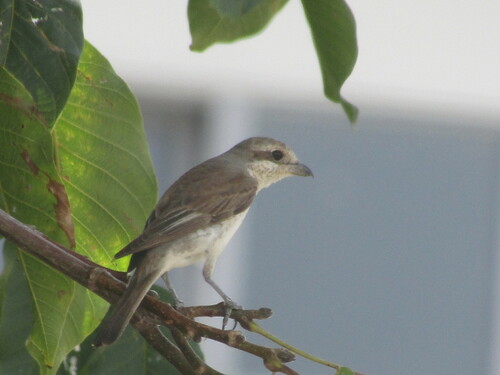
セアカモズ (Lanius collurio) セアカモズ
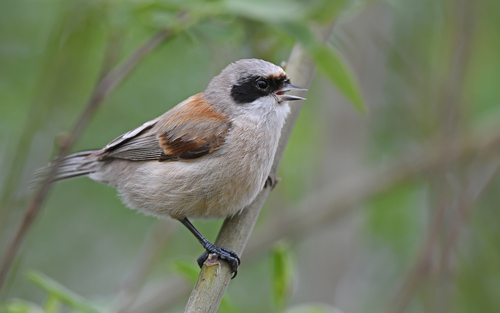
ニシツリスガラ (Remiz pendulinus) ニシツリスガラ

メディア

読み込み中…

要点

セアカモズとニシツリスガラの間で最も信頼できるフィールドマークは、全体的な構造とくちばしの形です:セアカモズははるかに大きく、重く、鉤状のくちばしと直立した姿勢を持ち、ニシツリスガラは明らかに小さく、細く尖ったくちばしとより繊細なプロポーションを持っています。すべての羽色において、セアカモズは大胆な黒いマスクと赤みがかったまたは茶色の上面(年齢/性別による)を示すのに対し、ニシツリスガラは狭い黒いマスク、淡い灰色の頭、栗色の背中を持っています。両者の幼鳥と雌は茶色っぽく見えることがありますが、セアカモズの大きさ、太いくちばし、直立した姿勢は常に目立ちます。飛んでいるのが見られた場合、セアカモズは強い白黒の尾の模様を示しますが、ニシツリスガラはこのコントラストがありません。生息地と行動も役立ちます:セアカモズは露出した止まり木から狩りをし、ニシツリスガラはより頻繁に葦や柳の中に見られ、めったに飛び出しません。

識別のコツ

  1. サイズと構造: セアカモズはニシツリスガラよりもはるかに大きく、がっしりとしています。鳥が小さくて繊細に見える場合、それはおそらくツリスガラです;もしそれがツグミサイズで頑丈に見えるなら、それはセアカモズです。これはすべての年齢と性別に当てはまります。
  2. くちばしの形: セアカモズは太く、鉤状のくちばし(猛禽類のよう)を持ち、遠くからでも見えます。ニシツリスガラのくちばしは細く、真っ直ぐで尖っており、昆虫食のツリスガラに典型的です。くちばしの形はすべての羽色で診断的です。
  3. 顔のマスク: 両種は黒いマスクを持っていますが、セアカモズの方が広く、大胆で、目を通って顔全体に広がっています。ツリスガラのマスクは狭く、線のようで、淡い灰色の頭に設定されています。セアカモズでは、マスクは典型的な特徴ですが、ニシツリスガラではより微妙です。
  4. 頭の色: 成熟したオスのセアカモズは青灰色の頭を持ち、雌と幼鳥は茶色がかっていますが、決して淡い灰色ではありません。ニシツリスガラは常に両性別と年齢で淡い灰色の頭を持っています。
  5. 上面の色: オスのセアカモズは上面が赤みがかっています;雌/幼鳥は茶色で、細かい縞模様があります。ニシツリスガラは栗色の背中を持ち、決して赤みがかっていたり、縞模様がありません。
  6. 下面: セアカモズの下面はオスではピンクがかり、雌/幼鳥では淡い色で縞模様があります。ニシツリスガラの下面は淡く、縞模様はありません。
  7. 尾の模様: セアカモズは特に飛んでいるときや扇状に広げたときに、大胆な白黒の尾の模様を示します。ニシツリスガラの尾は単純で、強いコントラストがありません。
  8. 翼の模様(幼鳥/雌): セアカモズの幼鳥/雌は茶色で、縞模様のある上面を持ち、飛んでいるときに尾の模様を示します。ニシツリスガラの幼鳥/雌は上面が単純な茶色で、縞模様や強い尾の模様はありません。
  9. 止まり方: セアカモズは露出した枝、ワイヤー、またはポストに直立して止まります。ニシツリスガラはより頻繁に葦や柳の中に見られ、めったに開けた場所に止まりません。
  10. 採餌スタイル: セアカモズは止まり木から狩りをし、しばしば同じ場所に戻ります。ニシツリスガラは活発でアクロバティックな採餌者で、しばしば逆さまにぶら下がります。
  11. 生息地: セアカモズは茂みのある開けた国に見られ、ニシツリスガラは湿地、葦原、または水の近くに見られます。
  12. 巣: もし吊るされた編まれた巣を作っているのが見られたら、それはニシツリスガラです。セアカモズはそのような巣を作りません。
  13. 性差: オスのセアカモズはよりカラフル(赤い背中、灰色の頭)で、雌/幼鳥のセアカモズはより茶色がかっていますが、いずれもツリスガラよりも大きく、くちばしが重いです。オスのニシツリスガラはより広いマスクを持っていますが、両性別は似ています。
  14. 季節的文脈: セアカモズはヨーロッパの多くで夏の訪問者です;ニシツリスガラは地域によっては定住または移動性です。季節外れには、セアカモズは見られません。
  15. 一般的な落とし穴: 幼鳥/雌のセアカモズは短時間見られた場合、ツリスガラのように見えることがありますが、サイズ、くちばし、尾の模様は常にそれらを区別します。ニシツリスガラは決してセアカモズの直立した姿勢、重いくちばし、または尾の模様を示しません。

大きさ

セアカモズはニシツリスガラ(10–11.5 cm)よりもかなり大きい(16–18 cm)です [wikipedia]。セアカモズはまた、頭が相対的に大きく、はるかに重い鉤状のくちばしを持ち、がっしりとしています。ニシツリスガラは明らかに小さく、軽く、細身で、細く針のようなくちばしを持っています。両種が知られている場合、距離があってもサイズの差は明らかです。

羽色

幼鳥と雌のセアカモズは茶色で、縞模様のある上面と淡い色で縞模様のある下面を持ち、成鳥のオスの赤みがかったトーンが欠けています。彼らはすべての年齢で白黒の尾の模様を示し、特に飛んでいるときに明らかです。成鳥のオスのセアカモズは上面が赤みがかり、灰色の頭と太い黒いマスクを持っています。それに対して、すべての年齢のニシツリスガラは淡い灰色の頭を持ち、狭い黒いマスク、栗色の背中、淡い下面を持っています。オスはより広いマスクとより赤みがかった背中を持っていますが、性別は似ています。ニシツリスガラは決して縞模様やセアカモズの強い尾の模様を示しません。セアカモズのマスクはより広く、よりはっきりと定義されています;ツリスガラのマスクは薄く、あまり遠くまで広がりません。くちばしの色と形も異なります:セアカモズのくちばしは頑丈で鉤状で、ツリスガラのくちばしは細く真っ直ぐです。

行動

セアカモズは目立つ露出した止まり木から狩りをし、しばしば直立して獲物を捕まえるために飛び出したり、食べ物を持ち帰って棘に刺したりします。彼らは大胆で目立ちます。ニシツリスガラはより活発で敏捷で、通常は葦、柳、または他の密な植生の中で採餌し、しばしば逆さまにぶら下がったり、小さな群れで飛び回ったりします。彼らは長時間開けた場所に止まることはまれで、露出した狩りのポストを使用しません。セアカモズの行動は捕食的で静止的であり、ツリスガラの行動は落ち着きがなくアクロバティックです。

生息環境

セアカモズは茂みのある開けた国を好み、しばしば農地、低木、またはヒースに見られます。彼らは葦原や密な湿地の深い場所にはめったに見られません。ニシツリスガラは湿地、特に葦原、柳の茂み、川沿いの生息地に密接に関連しています。もし鳥が広範な葦の中に見られたり、吊るされた巣を作っているのが見られたら、それはニシツリスガラです;もし開けた低木の中やワイヤーや茂みに止まっているのが見られたら、それはおそらくセアカモズです。

より良い説明を送る

比較と同じ項目を使ってください。文章はすぐに公開されます。

The most reliable field mark between Red-backed Shrike and Eurasian Penduline Tit is overall structure and bill shape: the shrike is much larger, with a heavy, hooked bill and upright stance, while the penduline tit is distinctly smaller, with a fine, pointed bill and more delicate proportions. In all plumages, shrikes show a bold black mask and reddish or brown upperparts (depending on age/sex), whereas penduline tits have a narrow black mask, pale grey head, and chestnut back. Juveniles and females of both can look brownish, but the shrike's size, thick bill, and upright posture always stand out. If seen in flight, shrikes show a strong black-and-white tail pattern, while penduline tits lack this contrast. Habitat and behavior also help: shrikes hunt from exposed perches, penduline tits are more often seen in reeds or willows, rarely sallying out.

  1. Size and structure: Red-backed Shrike is much larger and bulkier than Eurasian Penduline Tit. If the bird looks small and delicate, it's likely a tit; if it appears thrush-sized and robust, it's a shrike. This holds for all ages and sexes.
  2. Bill shape: Shrike has a thick, hooked bill (raptor-like), visible even at a distance. Penduline Tit's bill is fine, straight, and pointed, typical of insectivorous tits. Bill shape is diagnostic in all plumages.
  3. Facial mask: Both species have a black mask, but the shrike's is broader, bolder, and extends through the eye across the face. The tit's mask is narrower, more like a line, and set on a pale grey head. In shrikes, the mask is a classic shrike feature; in penduline tits, it's more subtle.
  4. Head color: Adult male shrike has a blue-grey head; females and juveniles are brownish, but never pale grey. Penduline Tit always has a pale grey head in both sexes and ages.
  5. Upperparts color: Male shrike is reddish above; females/juveniles are brown and vermiculated (finely barred). Penduline Tit has a chestnut brown back, never reddish or vermiculated.
  6. Underparts: Shrike's underparts are tinged pink in males, buff and vermiculated in females/juveniles. Penduline Tit's underparts are pale, without vermiculation.
  7. Tail pattern: Shrike shows a bold black-and-white tail pattern, especially in flight or when fanned. Penduline Tit's tail is plain and lacks strong contrast.
  8. Wing pattern (juvenile/female): Shrike juveniles/females have brown, vermiculated upperparts and show the tail pattern in flight. Penduline Tit juveniles/females are plain brown above, without vermiculation or strong tail pattern.
  9. Perching behavior: Shrikes perch upright on exposed branches, wires, or posts. Penduline Tits are more often in reeds or willows, rarely perching in the open.
  10. Foraging style: Shrikes hunt from a perch, often returning to the same spot. Penduline Tits are active, acrobatic foragers, often hanging upside down.
  11. Habitat: Shrikes are found in open country with bushes; penduline tits in wetlands, reedbeds, or near water.
  12. Nest: If seen building a hanging, woven nest, it's a penduline tit. Shrikes do not build such nests.
  13. Sex differences: Male shrike is more colorful (red back, grey head); female/juvenile shrikes are browner but still larger and heavier-billed than any tit. Male penduline tit has a broader mask, but both sexes are similar.
  14. Seasonal context: Shrikes are summer visitors in much of Europe; penduline tits may be resident or migratory depending on region. Out of season, shrike is unlikely.
  15. Common pitfalls: Juvenile/female shrikes can look tit-like if seen briefly, but size, bill, and tail pattern always separate them. Penduline Tit never shows shrike's upright stance, heavy bill, or tail pattern.

Red-backed Shrike is considerably larger (16–18 cm) than Eurasian Penduline Tit (10–11.5 cm) [wikipedia]. The shrike is also bulkier, with a proportionally larger head and a much heavier, hooked bill. The penduline tit is noticeably small, light, and slim, with a fine, needle-like bill. Even at a distance, the size gap is apparent if both species are known.

Juvenile and female Red-backed Shrikes have brown, vermiculated upperparts and buff, vermiculated underparts, lacking the reddish tones of adult males. They show a black-and-white tail pattern in all ages, especially obvious in flight. The adult male shrike is reddish above, with a grey head and a thick black mask. In contrast, Eurasian Penduline Tit of all ages has a pale grey head with a narrow black mask, chestnut brown back, and pale underparts. Males have a broader mask and more rufous back, but sexes are similar. Penduline Tits never show vermiculation or the shrike's strong tail pattern. The shrike's mask is broader and more sharply defined; the tit's is thinner and does not extend as far. Bill color and shape also differ: shrike's is robust and hooked, tit's is fine and straight.

Red-backed Shrikes hunt from prominent, open perches, often sitting upright and sallying out to catch prey or returning with food to impale on thorns. They appear bold and conspicuous. Eurasian Penduline Tits are more active and agile, typically foraging in reeds, willows, or other dense vegetation, often hanging upside down or flitting about in small groups. They rarely perch in the open for long and do not use exposed hunting posts. The shrike's behavior is predatory and stationary; the tit's is restless and acrobatic.

Red-backed Shrikes prefer open country with scattered bushes, hedgerows, or small trees, often in farmland, scrub, or heath. They are rarely found deep in reedbeds or dense wetlands. Eurasian Penduline Tits are closely tied to wetlands, especially reedbeds, willow thickets, and riverine habitats. If the bird is seen in extensive reeds or building a hanging nest, it's a penduline tit; if in open scrub or perched on a wire or bush, it's more likely a shrike.

変更を破棄しますか?

保存していない編集があります。今離れると失われます。

セアカモズ · ニシツリスガラ · 苦手な鳥