

Motmot

ムラサキテリムクドリ 対 ブロンズテリムク

Lamprotornis purpureus 対 Lamprotornis chalcurus

ムラサキテリムクドリとブロンズテリムクのクイズ
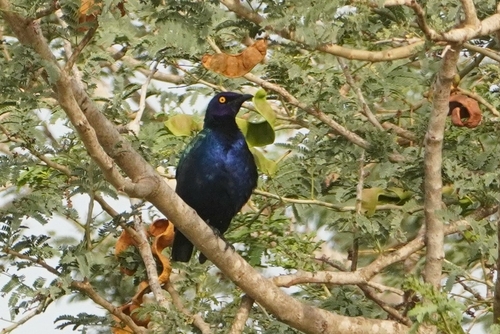
ムラサキテリムクドリ (Lamprotornis purpureus) ムラサキテリムクドリ
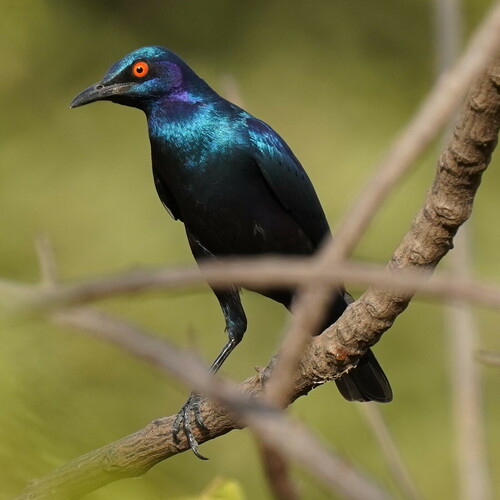
ブロンズテリムク (Lamprotornis chalcurus) ブロンズテリムク

メディア

読み込み中…

要点

ムラサキテリムクとブロンズテリムクの最も信頼できるフィールドマークは全体の体色です:成鳥のムラサキテリムクは、光沢のある緑の翼を持つ目を引く金属的な紫の頭と体を持っていますが、ブロンズテリムクはこの強い紫の色合いが欠けており、代わりにより控えめな光沢のある外観とブロンズ色の尾を示します。ムラサキテリムクの幼鳥はずっと鈍い色合いで、灰色の腹部と茶色の虹彩を持ち、よく見ればブロンズテリムクの幼鳥と区別するのに役立ちます。両種はサイズと構造が似ているため、体と尾の色と光沢に注目してください。光が悪い場合や距離がある場合は、鈍い幼鳥や上面しか見えない場合に混乱が最も起こりやすいです。

識別のコツ

  1. Body Color (Adults): ムラサキテリムクの強い金属的な紫の頭と体を探してください;ブロンズテリムクはこれが欠けており、代わりにブロンズ色の尾を持つより控えめな光沢のある外観をしています。これは成鳥にとって最も有用なフィールドマークです。
  2. Wing Color (Adults): ムラサキテリムクは紫の体と対照的な光沢のある緑の翼を持っています。この鋭い対比が見られれば、ムラサキテリムクを示します。ブロンズテリムクの翼は緑または強く対照的とは記述されていません。
  3. Tail Color: ブロンズテリムクは尾に独特のブロンズ光沢を示し、ムラサキテリムクにはこれが欠けています。尾が良い光の中でブロンズ色または銅色に見える場合は、ブロンズテリムクを優先してください。
  4. Eye Color (Juveniles): 幼鳥のムラサキテリムクは茶色の虹彩を持ち、成鳥は黄色です。茶色の虹彩を持つ鈍いスターリングを見た場合、それは若いムラサキテリムクの可能性が高いです。ブロンズテリムクの幼鳥の虹彩の色は記述されていないため、注意して使用してください。
  5. Underparts (Juveniles): 幼鳥のムラサキテリムクは灰色の腹部を持ち、成鳥よりも鈍いです。灰色がかった腹部とほとんど光沢のないスターリングを見た場合、幼鳥のムラサキテリムクを疑ってください。
  6. Gloss Quality: ムラサキテリムクの全体的な光沢はより強く紫色がかっており、特に頭と体において顕著です。ブロンズテリムクの光沢は紫色が少なく、より均一で、尾が最もブロンズ色の部分です。
  7. Sex Differences: 両種は性別間で似た羽毛を持っているため、識別に性別を頼ることはできません。
  8. Size and Structure: 両方とも、ムラサキテリムクは約22〜23 cmのサイズの短尾のがっしりとしたスターリングです。構造は信頼できる区別要因ではありません。
  9. Flight Views: どちらの種にも特有の翼や飛行パターンの違いは記述されていないため、飛行中に見た場合は体と尾の色に注目してください。
  10. Perched Views: 強い紫の光沢と緑の翼を持つ止まっている鳥はムラサキテリムクです;ブロンズ色の尾と紫色が少ないものはブロンズテリムクです。
  11. Iris Color (Adults): 両種は成鳥として黄色の目を持っているため、これは幼鳥以外では区別要因にはなりません。
  12. Range and Context: スーダンや隣接地域にいる場合、ブロンズテリムクの可能性が高いですが、ムラサキテリムクは西アフリカと中央アフリカに広く分布しています。重複が可能なので、範囲だけに頼らないでください。
  13. Confusion Risk: 光が悪い場合や遠くからの視界では、光沢を判断するのが難しい場合があります;尾の色と頭/体と翼の間の目に見える対比に注目してください。
  14. Seasonality: どちらの種にも季節的な羽毛の違いは記述されていないため、年間を通じて同じマークを使用してください。
  15. Flock Association: 両種は他のスターリングと群れを作ることがあるため、群れの構成を区別要因として使用しないでください。

大きさ

両種はサイズと比率が似ており、ムラサキテリムクの成鳥は約22〜23 cmの長さです。ブロンズテリムクの具体的な測定データは提供されていませんが、両者の間に顕著なサイズの違いがあるという兆候はありません。尾の長さやくちばしの形を含む構造は、利用可能な情報源では信頼できる区別要因としては記載されていません。

羽色

行動

利用可能な情報源には、これらの2種をフィールドで信頼できるように区別する行動の違いは記述されていません。両方とも、Sturnidae科の典型的なスターリングであり、似たような採餌行動や飛行行動を共有している可能性があります。

生息環境

ブロンズテリムクはスーダンや隣接地域に自生しているとされている一方で、ムラサキテリムクは西アフリカと中央アフリカに広く分布しています。しかし、棲息地の重複が発生する可能性があり、より具体的な情報がない限り、棲息地だけでは信頼できる区別要因にはなりません。

より良い説明を送る

比較と同じ項目を使ってください。文章はすぐに公開されます。

The most reliable field mark between Purple Starling and Bronze-tailed Starling is the overall body color: adult Purple Starlings have a striking metallic purple head and body with glossy green wings, while Bronze-tailed Starlings lack this strong purple coloration and instead show a more subdued glossy appearance with a bronze-toned tail. Juveniles of Purple Starling are much duller, with grey underparts and a brown iris, which can help separate them from Bronze-tailed Starling juveniles if seen well. Both species are similar in size and structure, so focus on the color and gloss of the body and tail. In poor light or at distance, confusion is most likely with dull immatures or when only the upperparts are visible.

  1. Body Color (Adults): Look for the strong metallic purple head and body of Purple Starling; Bronze-tailed Starling lacks this and instead has a more subdued glossy appearance with a bronze-toned tail. This is the single most useful field mark for adults.
  2. Wing Color (Adults): Purple Starling has glossy green wings contrasting with the purple body. If you see this sharp contrast, it points to Purple Starling. Bronze-tailed Starling's wings are not described as green or as strongly contrasting.
  3. Tail Color: Bronze-tailed Starling shows a distinctive bronze gloss to the tail, which is lacking in Purple Starling. If the tail looks bronzy or coppery in good light, favor Bronze-tailed.
  4. Eye Color (Juveniles): Juvenile Purple Starlings have a brown iris, while adults have yellow. If you see a dull starling with a brown iris, it is likely a young Purple Starling. Bronze-tailed Starling juvenile iris color is not described, so use with caution.
  5. Underparts (Juveniles): Purple Starling juveniles have grey underparts, which is duller than adults. If you see a starling with greyish underparts and little gloss, suspect a juvenile Purple Starling.
  6. Gloss Quality: The overall gloss of Purple Starling is more intense and purple-toned, especially on the head and body. Bronze-tailed Starling's gloss is less purple and more uniform, with the tail being the most bronzed area.
  7. Sex Differences: Both species have similar plumage between sexes, so do not rely on sex for identification.
  8. Size and Structure: Both are stocky, short-tailed starlings of similar size (about 22–23 cm for Purple Starling). Structure is not a reliable separator.
  9. Flight Views: No distinctive wing or flight pattern differences are described for either species; focus on body and tail color if seen in flight.
  10. Perched Views: Perched birds showing a strong purple gloss and green wings are Purple Starling; those with a bronzy tail and less purple are Bronze-tailed Starling.
  11. Iris Color (Adults): Both species have yellow eyes as adults, so this is not a separator except in juveniles.
  12. Range and Context: If you are in Sudan or adjacent areas, Bronze-tailed Starling is more likely, but Purple Starling is widespread in West and Central Africa. Overlap is possible, so do not rely solely on range.
  13. Confusion Risk: In poor light or with distant views, the gloss may be hard to judge; focus on tail color and any visible contrast between head/body and wings.
  14. Seasonality: No seasonal plumage differences are described for either species; use the same marks year-round.
  15. Flock Association: Both species may flock with other starlings, so do not use flock composition as a separator.

Both species are similar in size and proportions, with Purple Starling adults measuring about 22–23 cm in length. There is no specific measurement data provided for Bronze-tailed Starling, but there is no indication of a significant size difference between the two. Structure, including tail length and bill shape, is not noted as a reliable separator in the available sources.

  • Adults: Purple Starling stands out with a metallic purple head and body, contrasting with glossy green wings and a short tail. The eye is yellow. Bronze-tailed Starling does not show the strong purple gloss; instead, it has a more uniform glossy appearance with a distinctive bronze-toned tail, which is a key feature for this species.
  • Juveniles: Purple Starling juveniles are much duller than adults, with grey underparts and a brown iris. This lack of gloss and the dull underparts can help distinguish them from Bronze-tailed Starling juveniles, though specific juvenile plumage details for Bronze-tailed are not provided in the sources. If you see a starling with a brown iris and greyish underparts, Purple Starling is more likely.
  • Sexes: Both species have similar plumage between sexes, so sex is not a useful field mark.

No behavioral differences are described in the available sources that would reliably separate these two species in the field. Both are typical starlings in the family Sturnidae and likely share similar foraging and flight behaviors.

Bronze-tailed Starling is noted as native to Sudan and adjacent areas, while Purple Starling is more widespread in West and Central Africa. However, habitat overlap can occur, and habitat alone is not a reliable separator without more specific information.

変更を破棄しますか?

保存していない編集があります。今離れると失われます。

ムラサキテリムクドリ · ブロンズテリムク · 苦手な鳥