

Motmot

アメリカムラサキバン 対 ナンベイムラサキバン

Porphyrio martinica 対 Porphyrio flavirostris

アメリカムラサキバンとナンベイムラサキバンのクイズ
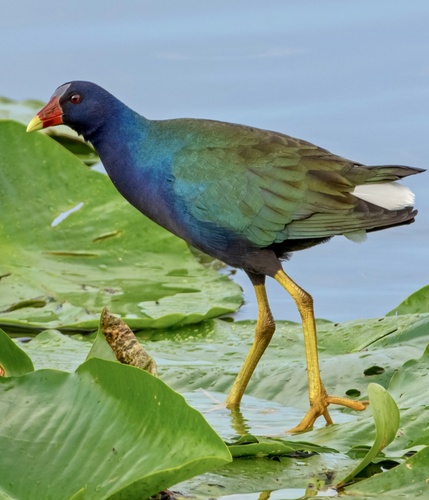
アメリカムラサキバン (Porphyrio martinica) アメリカムラサキバン
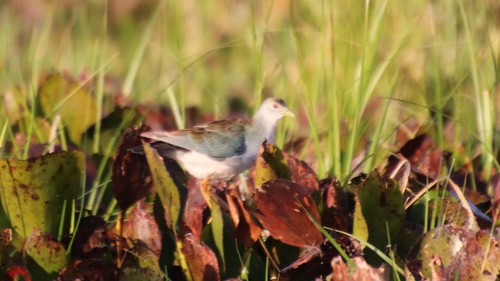
ナンベイムラサキバン (Porphyrio flavirostris) ナンベイムラサキバン

メディア

読み込み中…

要点

アメリカムラサキバンとナンベイムラサキバンを区別する最も信頼できるフィールドマークは、成鳥の全体的な羽色です:アメリカムラサキバンは深い紫青色で緑とターコイズの虹色があり、ナンベイムラサキバンははるかに淡い色合いで、青灰色の腹部とオリーブ茶色の背部を持っています。未熟な鳥や幼鳥はより難しいですが、アメリカムラサキバンの未熟な個体は胸に紫色がある茶色の青銅色で、ナンベイムラサキバンの未熟な個体は上面がより茶色く、顔と首が淡い色をしています。くちばしとシールドの色も重要です:アメリカムラサキバンの成鳥は淡い青いシールドを持つ赤と黄色のくちばしを持ち、ナンベイムラサキバンの成鳥は淡い緑がかった黄色のくちばしとシールドを持っています。サイズは強い手がかりです—アメリカムラサキバンははるかに大きくて重いです。足の色は役立ちますが、年齢によって変わります。飛行中の姿は診断的であることは稀ですが、足の色やぶら下がった足が見えることがあります。最も混乱が生じるのは、薄暗い光の中の成鳥のアメリカムラサキバンや未熟な鳥です。

識別のコツ

  1. Adult body color: アメリカムラサキバンは深い紫青色で緑/ターコイズの虹色があり、ナンベイムラサキバンは下が淡い青灰色で上がオリーブ茶色で、翼に青緑が少しあります。これは良い光の中で成鳥を区別する最も迅速な方法です。
  2. Bill and shield color (adults): アメリカムラサキバンは淡い青いシールドを持つ赤と黄色のくちばしを持ち、ナンベイムラサキバンは淡い緑がかった黄色のくちばしとシールドを持っています。このマークは成鳥にとってすべての季節で信頼できます。
  3. Leg and foot color: 両方の成鳥は黄色の足/足を持っていますが、アメリカムラサキバンの方が明るいです。未熟なアメリカムラサキバンは茶色がかった黄色の足/足を持ち、ナンベイムラサキバンの未熟な個体は黄色がかったオレンジの足/足を持っています。幼鳥のアメリカムラサキバンの足は茶色です。
  4. Juvenile/immature plumage: 未熟なアメリカムラサキバンは胸に紫色があり、白い尾羽の覆いを持つ茶色の青銅色です;ナンベイムラサキバンの未熟な個体は上面がより茶色く、顔、首、胸が淡い色で、緑のシールドを持っています。胸に紫色が見えたらアメリカムラサキバンを優先し、顔/首が淡い色でシールドが緑ならナンベイムラサキバンを優先してください。
  5. Size and structure: アメリカムラサキバンははるかに大きくてがっしりしており、より重い体格と長い足を持っています。ナンベイムラサキバンはコンパクトで繊細です。両方が存在する場合やスケール感が良い場合にこれを使用してください。
  6. Flight views: 両方の種は足をぶら下げて飛びます。どちらの種にも強い上翼パターンの違いは記載されていないため、サイズ、全体的な色、足の色が見える場合はそれに頼ってください。
  7. Face and underparts (adults): アメリカムラサキバンの顔と腹部は紫青色です;ナンベイムラサキバンの顔、首の側面、胸は淡い青灰色で、下腹部は白です。
  8. Back and crown color: アメリカムラサキバンの背中は虹色の緑/青色で、ナンベイムラサキバンの背中は淡い茶色がかったオリーブ色で、頭頂部と後頸部と一致しています。
  9. Bill color in immatures: 未熟なアメリカムラサキバンは淡いくちばしとシールドを持ち、ナンベイムラサキバンの未熟な個体は緑のシールドと淡いくちばしを持っています。
  10. Undertail coverts: 幼鳥のアメリカムラサキバンは白い尾羽の覆いを示し、いくつかの視点で見えることがあります;ナンベイムラサキバンはあまり詳しく記載されていませんが、この特徴には言及されていません。
  11. Context and range: 南アメリカ以外では、アメリカムラサキバンがデフォルトです。南アメリカでは両方が存在するため、羽色と構造に頼ってください。
  12. Lighting pitfalls: 薄暗い光の中では、成鳥のアメリカムラサキバンは鈍いまたは茶色がかった色に見えることがあり、ナンベイムラサキバンに似ることがあります。くちばし/シールドの色とサイズをバックアップとして使用してください。
  13. Courtship/behavior: 首と翼を直角に伸ばしているディスプレイを見たら、アメリカムラサキバンの可能性が高いですが、これはフィールドで診断的であることは稀です。
  14. Sex differences: 両方の種は性別間で似ているため、性別を区別の要素として使用しないでください。
  15. Seasonal movement: ナンベイムラサキバンは南アメリカ内でより移動性がありますが、これは地元のタイミングを知らない限りフィールドマークではありません。

大きさ

アメリカムラサキバンは特に大きくて重いです:成鳥は平均約236g(オスは257gまで)で、長さは26〜37cm、翼幅は50〜61cmです。ナンベイムラサキバンは最小のPorphyrioで、長さはわずか23〜26cm、オスは92〜111g(メスも同様)です。フィールドでは、アメリカムラサキバンはがっしりしていて長い足に見え、ナンベイムラサキバンはより繊細でコンパクトです。両方を一緒に見ると、サイズの違いは明らかですが、単独の場合は構造とくちばしのサイズをサポートの手がかりとして使用してください。

羽色

行動

両方の種は湿地の鳥で、似たような習性を持っています:長い足を使って浮遊する植物の上を歩き、足を引きずりながら短い距離を飛びます。アメリカムラサキバンは、特に求愛中に、翼を部分的に開いて歩いているのが見られる可能性がわずかに高いです。両方とも秘密主義ですが、採餌中は驚くほど大胆になることがあります。飛行中、アメリカムラサキバンは小さいナンベイムラサキバンよりも重くて機敏さがないように見えることがあります。

生息環境

両方の種は密生した水生植物のある湿地、湖、湿地に生息しています。アメリカムラサキバンは北アメリカ、中米、南アメリカを含むアメリカ大陸全体に広がっており、著名な迷鳥です。ナンベイムラサキバンは南アメリカとトリニダード・トバゴに生息し、しばしば雨季に季節的に移動します。南アメリカの外にいる場合、アメリカムラサキバンがはるかに可能性が高いです。重複する範囲では、生息地は強い区別要因ではありません。

より良い説明を送る

比較と同じ項目を使ってください。文章はすぐに公開されます。

The most reliable field mark to separate Purple Gallinule from Azure Gallinule is overall plumage color in adults: Purple Gallinule is deep purple-blue with green and turquoise iridescence, while Azure Gallinule is much paler, with blue-gray underparts and olive-brown upperparts. Immature and juvenile birds are trickier, but Purple Gallinule immatures are brown-bronze with purple on the chest, whereas Azure Gallinule immatures are browner above with a buffy face and neck. Bill and shield color is also key: Purple Gallinule adults have a red-and-yellow bill with a pale blue shield, while Azure Gallinule adults have a pale greenish-yellow bill and shield. Size is a strong clue—Purple Gallinule is much larger and heavier. Leg color is helpful but varies with age. Flight views are rarely diagnostic, but leg color and dangling legs may be seen. Most confusion arises from dull-lit adult Purple Gallinules or immature birds.

  1. Adult body color: Purple Gallinule is deep purple-blue with green/turquoise iridescence; Azure Gallinule is pale blue-gray below and olive-brown above with some blue-green on the wings. This is the quickest separator in good light for adults.
  2. Bill and shield color (adults): Purple Gallinule has a red-and-yellow bill with a pale blue shield; Azure Gallinule has a pale greenish-yellow bill and shield. This mark is reliable at all seasons for adults.
  3. Leg and foot color: Both adults have yellow legs/feet, but Purple Gallinule's are brighter. Immature Purple Gallinule has brown-yellowish legs/feet; Azure Gallinule immatures have yellowish-orange legs/feet. Juvenile Purple Gallinule's legs are brown.
  4. Juvenile/immature plumage: Immature Purple Gallinule is brown-bronze above with purple on the chest and white undertail coverts; Azure Gallinule immature is browner above with a buffy face, neck, and breast, and a green shield. If you see purple on the chest, favor Purple Gallinule; if the face/neck is buffy and the shield green, favor Azure.
  5. Size and structure: Purple Gallinule is much larger and bulkier, with a heavier build and longer legs. Azure Gallinule is compact and delicate. Use this when both are present or if you have a good sense of scale.
  6. Flight views: Both species fly with legs dangling. No strong upperwing pattern differences are described, so rely on size, overall color, and leg color if visible.
  7. Face and underparts (adults): Purple Gallinule's face and underparts are purple-blue; Azure Gallinule's face, neck sides, and breast are pale blue-gray, with white lower underparts.
  8. Back and crown color: Purple Gallinule's back is iridescent green/blue; Azure Gallinule's is pale brownish olive, matching the crown and hindneck.
  9. Bill color in immatures: Immature Purple Gallinule has a pale bill and shield; Azure Gallinule immature has a green shield and pale bill.
  10. Undertail coverts: Juvenile Purple Gallinule shows white undertail coverts, which may be visible in some views; Azure Gallinule is less well described but does not mention this feature.
  11. Context and range: Outside South America, Purple Gallinule is the default. In South America, both occur, so rely on plumage and structure.
  12. Lighting pitfalls: In poor light, adult Purple Gallinule can look dull or brownish, resembling Azure Gallinule. Use bill/shield color and size as backup.
  13. Courtship/behavior: If you see display with outstretched neck and wings at right angles, it's likely Purple Gallinule, but this is rarely diagnostic in the field.
  14. Sex differences: Both species are similar between sexes; do not use sex as a separator.
  15. Seasonal movement: Azure Gallinule is more migratory within South America, but this is not a field mark unless you know local timing.

Purple Gallinule is notably larger and heavier: adults average about 236 g (with males up to 257 g), and measure 26–37 cm in length with a 50–61 cm wingspan. Azure Gallinule is the smallest Porphyrio, at just 23–26 cm long and 92–111 g for males (females similar). In the field, Purple Gallinule appears bulkier and longer-legged, while Azure Gallinule is more delicate and compact. If you see both together, the size difference is obvious; alone, use structure and bill size as supporting clues.

  • Adults:
  • Purple Gallinule: Striking purple-blue body with green and turquoise iridescence in good light; pale blue forehead shield, red-and-yellow bill, and bright yellow legs/feet. In poor light, can look dusky or brownish but shield and bill remain distinctive.
  • Azure Gallinule: Much paler overall; pale brownish olive crown, hindneck, and back; upperwing coverts azure to greenish blue, flight feathers gray-blue; face, neck sides, and breast pale blue-gray, rest of underparts white. Bill and shield are pale greenish-yellow, legs/feet yellow.
  • Immatures/Juveniles:
  • Purple Gallinule: Brown-bronze above with purple on chest; pale bill and shield; legs/feet brown-yellowish (immature) or brown (juvenile); white undertail coverts.
  • Azure Gallinule: Browner upperparts than adults, buffy face/neck/breast, green frontal shield, yellowish-orange legs/feet.
  • Flight views:
  • Both species show long, dangling legs in flight. No distinctive upperwing pattern is described for either species, so rely on overall color impression and leg color if visible.

Both species are marsh birds with similar habits: walking on floating vegetation using long toes, and flying short distances with legs trailing. Purple Gallinule is slightly more likely to be seen strutting or displaying with wings partly open, especially during courtship. Both are secretive but can be surprisingly bold when foraging. In flight, Purple Gallinule may appear heavier and less agile than the smaller Azure Gallinule.

Both species inhabit marshes, lakes, and wetlands with dense emergent vegetation. Purple Gallinule is widespread in the Americas, including North, Central, and South America, and is a notable vagrant. Azure Gallinule is found in South America and Trinidad & Tobago, often moving seasonally with the wet season. If you are outside South America, Purple Gallinule is far more likely. In overlapping range, habitat is not a strong separator.

変更を破棄しますか?

保存していない編集があります。今離れると失われます。

アメリカムラサキバン · ナンベイムラサキバン · 苦手な鳥