

Motmot

トウゾクカモメ 対 ハジロウミバト

Stercorarius pomarinus 対 Cepphus grylle

トウゾクカモメとハジロウミバトのクイズ
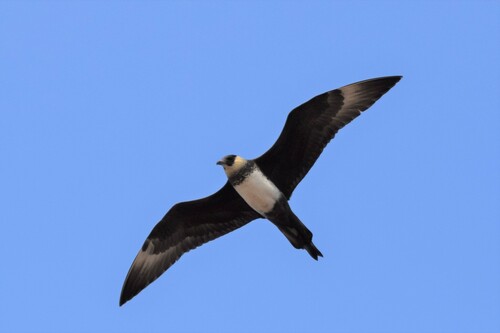
トウゾクカモメ (Stercorarius pomarinus) トウゾクカモメ
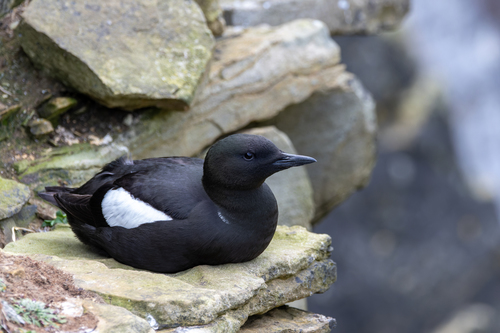
ハジロウミバト (Cepphus grylle) ハジロウミバト

メディア

読み込み中…

要点

ポマリンカモメとハジロウミバトを区別する最も信頼できるフィールドマークは、飛行プロファイルと翼のパターンです:ポマリンカモメ(特に成鳥と幼鳥)は、下翼に大胆な白い二重フラッシュを示し、繁殖期の成鳥では長いスプーン型の中央尾羽を持っています。一方、ハジロウミバトは常に上翼に大きな白い斑点を示し、二重フラッシュは決してなく、コンパクトでウミバトのような体型をしています。幼鳥のポマリンカモメは非常に識別が難しいですが、それでも彼らのより大きな体格と広い翼は、ウミバトの小さく鳩のような形状と対照的です。止まっている時や近くから見ると、繁殖羽のハジロウミバトは完全に黒く、目を引く白い翼の斑点と明るい赤い脚を持っていますが、ポマリンカモメは決して全体が黒くはなく、赤い脚もありません。生息地も強い手がかりです:ポマリンカモメは海洋性の移動鳥で、通過時を除いては岸に近くで見ることは稀ですが、ハジロウミバトは沿岸性で、岩の多い岸や崖の近くでよく見られます。

識別のコツ

  1. 飛行中の下翼のパターン(全年齢): ポマリンカモメは常に診断的な白い二重フラッシュを下翼に示しますが、ハジロウミバトは上翼に単一の大きな白い斑点を持ち、二重フラッシュは決してありません。
  2. 尾の形(繁殖期の成鳥): ポマリンカモメの成鳥は長く、ねじれたスプーン型の中央尾羽を持っています;ハジロウミバトは短く、四角い尾を持ち、流れ羽はありません。
  3. 全体の構造: ポマリンカモメははるかに大きく、ずっしりとしており、翼が広く、より強力で計測された飛行を持っています。ハジロウミバトはコンパクトで、短い首を持ち、鳩のようで、水面近くを迅速かつ直接的に飛行します。
  4. くちばし: ポマリンカモメはカモメに典型的な頑丈でフック状のくちばしを持っています;ハジロウミバトは長く、細く、まっすぐなくちばしを持っています。
  5. 脚の色: ハジロウミバトはすべての季節に明るいコーラルレッドの脚と足(および口の内側)を持っています;ポマリンカモメは赤い脚を示すことはありません。
  6. 繁殖羽(夏): ハジロウミバトは完全に黒く、大きな白い上翼の斑点を持っています;ポマリンカモメ(ライトモルフ)は上が茶色、下が白で、黄色がかった白い頭/首と黒い帽子を持ち、決して全体が黒くはありません。
  7. 非繁殖羽(冬): ハジロウミバトは上が淡い灰色で、上部が縞模様、下部が白になり、白い翼の斑点と赤い脚を保持しています;ポマリンカモメは決してそれほど淡くなく、大胆な白い上翼の斑点が欠けています。
  8. 幼鳥/未成熟羽: 幼鳥のハジロウミバトは灰色/茶色の斑点がある白い翼の斑点を持ち、遠くからでも簡単に見えます;幼鳥のポマリンカモメは変動がありますが、決して単一の大胆な白い上翼の斑点を示しません。
  9. 止まっている行動: ハジロウミバトはしばしば岸の近くの岩や崖に止まります;ポマリンカモメは繁殖地や移動中を除いては、止まっているのは稀です。
  10. 生息地: ハジロウミバトは沿岸性で、土地から遠く離れることは稀です;ポマリンカモメは海洋性で、通常は移動中を除いては沖合にいます。
  11. 飛行の特徴: ポマリンカモメは遅く、力強い翼の打撃で滑空し、グライドします;ハジロウミバトは低く速く飛び、水面近くを飛ぶことが多いです。
  12. 鳴き声: ハジロウミバトはコロニーの近くで高い口笛を鳴らします;ポマリンカモメは厳しいおしゃべりの呼び声を持ち、海ではめったに聞かれません。
  13. 文脈: 群れで見られる場合、ハジロウミバトは通常、岩の近くでペアまたは小さな群れで見られます;ポマリンカモメはしばしば孤独または海で緩い群れで見られます。
  14. 混乱のリスク: 幼鳥のポマリンカモメは他のカモメと混同される可能性が最も高く、ハジロウミバトとは混同されません;ハジロウミバトの全体が黒い夏羽と赤い脚は、その範囲内でユニークです。
  15. 混合群でのサイズ: カモメと一緒に見られる場合、ポマリンカモメはほとんどのカモメよりも大きいです;ハジロウミバトははるかに小さく、よりコンパクトです。

大きさ

ポマリンカモメはハジロウミバトよりもかなり大きく、重いです(平均体重694g対381g [wikidata])。ポマリンカモメはコモンカモメよりもずっしりとしており、翼幅は最大138 cmですが、ハジロウミバトははるかに小さく、翼幅はわずか52〜58 cmです。飛行中、ポマリンカモメは翼が広く力強く見えますが、ハジロウミバトはコンパクトで短い首を持ち、より迅速で直接的な飛行をします。

羽色

幼鳥と未成熟のポマリンカモメは寄生カモメと区別するのが難しいですが、決して全体が黒くはなく、常に下翼に白い二重フラッシュを示します(すべての年齢と形態に診断的です)。一方、ハジロウミバトの幼鳥と未成熟は上翼に大きな白い斑点を示し、しばしば灰色または茶色の斑点がありますが、決して二重フラッシュはありません。繁殖羽では、成鳥のポマリンカモメ(ライトモルフ)は茶色の背中、白い腹部、白いフラッシュのある暗い初列風切羽、黄色がかった白い頭と首、黒い帽子、長くねじれた中央尾羽を持っています;暗いモルフは全体が暗い茶色です。夏のハジロウミバトは完全に黒く、大きな白い翼の斑点と明るいコーラルレッドの脚と口の内側を持っています。冬になると、ハジロウミバトは上が淡い灰色で、上部が縞模様、下部が白になり、白い翼の斑点と赤い脚を保持します。非繁殖羽のポマリンカモメは、冬のハジロウミバトほど淡くはなく、大胆な白い上翼の斑点が欠けています。

行動

ポマリンカモメは強力で攻撃的な飛行者で、計測された直接的な飛行を持ち、海で他の海鳥を襲う姿がよく見られます(盗食行動)。彼らは移動中や繁殖地以外では止まっているのは稀です。ハジロウミバトは通常、岩の多い岸の近くで単独またはペアで見られ、海岸近くで食べ物を探して潜水し、しばしば岩に止まります。彼らの飛行は迅速で直接的ですが、ポマリンカモメのより高く滑空する飛行とは異なり、水面近くを低く飛びます。

生息環境

ポマリンカモメは遠洋性で、ほとんどの生活を海の遠くで過ごし、繁殖のために高い北極に上陸するか、移動中に岸に近づくことがあります。ハジロウミバトは厳密に沿岸性で、岩の多い岸、崖、島で繁殖し、冬を過ごし、土地から遠く離れていることは稀です。岸の近くで見られる鳥や岩に止まっている鳥を見た場合、ハジロウミバトである可能性がはるかに高いです;特に熱帯や開けた海で沖合に見られる鳥は、ポマリンカモメである可能性が高いです。

声

ポマリンカモメは厳しいおしゃべりの呼び声と特徴的な「ウィッチ・ユー」という音を持っていますが、海では通常静かです。ハジロウミバトは繁殖期に特に高い口笛を鳴らし、呼びかけるときに目立つ赤い口の開口部を持っています。鳴き声は海での区別にはあまり役立ちませんが、ウミバトの高い口笛はコロニーの近くで聞かれると特徴的です。

より良い説明を送る

比較と同じ項目を使ってください。文章はすぐに公開されます。

The most reliable field mark to separate Pomarine Skua from Black Guillemot is the flight profile and wing pattern: Pomarine Skuas (especially adults and immatures) show a bold white double flash on the underwing and, in breeding adults, long spoon-shaped central tail feathers, while Black Guillemots always show a large white patch on the upperwing, never a double flash, and have compact, auk-like bodies. Juvenile Pomarine Skuas are notoriously tricky, but even then, their bulkier build and broader wings contrast with the guillemot’s small, pigeon-like shape. In perched or close views, Black Guillemots in breeding plumage are entirely black with a striking white wing patch and bright red legs, while Pomarine Skuas are never all-black and lack red legs. Habitat is also a strong clue: Pomarine Skuas are oceanic migrants, rarely seen close to shore except on passage, while Black Guillemots are coastal and often seen near rocky shores or cliffs.

  1. Underwing pattern in flight (all ages): Pomarine Skua always shows a diagnostic white double flash on the underwing, while Black Guillemot has a single large white patch on the upperwing, never a double flash.
  2. Tail shape (breeding adults): Pomarine Skua adults have long, twisted, spoon-shaped central tail feathers; Black Guillemot has a short, square tail with no streamers.
  3. Overall structure: Pomarine Skua is much larger, bulkier, and broader-winged, with a more powerful, measured flight. Black Guillemot is compact, short-necked, and pigeon-like, with rapid, direct flight low over water.
  4. Bill: Pomarine Skua has a robust, hooked bill typical of skuas; Black Guillemot has a long, slender, straight bill.
  5. Leg color: Black Guillemot has bright coral-red legs and feet (and mouth lining) in all seasons; Pomarine Skua never shows red legs.
  6. Breeding plumage (summer): Black Guillemot is entirely black with a large white upperwing patch; Pomarine Skua (light morph) is brown above, white below, with a yellowish-white head/neck and black cap, and never all-black.
  7. Non-breeding plumage (winter): Black Guillemot is pale grey above with barred upperparts and white underparts, retaining the white wing patch and red legs; Pomarine Skua is never as pale and lacks the bold white upperwing patch.
  8. Juvenile/immature plumage: Juvenile Black Guillemots have a white wing patch spotted with grey/brown, easily seen even at distance; juvenile Pomarine Skuas are variable but never show a single bold white upperwing patch.
  9. Perched behavior: Black Guillemots often perch on rocks or cliffs near shore; Pomarine Skuas are rarely seen perched except at breeding sites or on migration.
  10. Habitat: Black Guillemots are coastal, rarely far from land; Pomarine Skuas are oceanic, usually far offshore except on migration.
  11. Flight jizz: Pomarine Skua soars and glides with slow, powerful wingbeats; Black Guillemot flies low and fast, often close to the water.
  12. Vocalization: Black Guillemot gives high whistles near colonies; Pomarine Skua has harsh chattering calls, rarely heard at sea.
  13. Context: If seen in a group, Black Guillemots are usually in pairs or small groups near rocks; Pomarine Skuas are often solitary or in loose groups at sea.
  14. Confusion risk: Juvenile Pomarine Skuas are most likely to be confused with other skuas, not Black Guillemot; Black Guillemot’s all-black summer plumage and red legs are unique in its range.
  15. Size in mixed flocks: If seen with gulls, Pomarine Skua is larger than most gulls; Black Guillemot is much smaller and more compact.

Pomarine Skua is substantially larger and heavier than Black Guillemot (average body mass 694g vs 381g [wikidata]). Pomarine Skuas are bulkier than a Common Gull, with a wingspan up to 138 cm, while Black Guillemots are much smaller, with a wingspan of only 52–58 cm. In flight, Pomarine Skuas appear broad-winged and powerful, whereas Black Guillemots are compact and short-necked, with a more rapid, direct flight.

Juvenile and immature Pomarine Skuas are difficult to distinguish from Parasitic Skuas but are never all-black and always show a white double flash on the underwing (diagnostic for all ages and morphs), whereas Black Guillemot juveniles and immatures show a large white patch on the upperwing, often spotted with grey or brown, but never a double flash. In breeding plumage, adult Pomarine Skuas (light morph) have a brown back, white underparts, dark primaries with a white flash, yellowish-white head and neck with a black cap, and long, twisted central tail feathers; dark morphs are overall dark brown. Black Guillemots in summer are entirely black with a large white wing patch and bright coral-red legs and mouth lining. In winter, Black Guillemots become pale grey above with barred upperparts and white underparts, but retain the white wing patch and red legs. Pomarine Skuas in non-breeding plumage are never as pale as winter Black Guillemots and lack the bold white upperwing patch.

Pomarine Skuas are powerful, aggressive fliers with a measured, direct flight and are often seen harassing other seabirds at sea (kleptoparasitism). They are rarely seen perched except during migration or at breeding sites. Black Guillemots are typically seen singly or in pairs near rocky shores, diving for food close to the coast, and often perch on rocks. Their flight is rapid and direct, but low and close to the water, unlike the more soaring, higher flight of Pomarine Skuas.

Pomarine Skuas are pelagic, spending most of their lives far out at sea and only coming to land to breed in the high Arctic or passing close to shore during migration. Black Guillemots are strictly coastal, breeding and wintering along rocky shores, cliffs, and islands, and are rarely seen far from land. If you see a bird close to shore or perched on rocks, Black Guillemot is far more likely; a bird seen far offshore, especially in tropical or open ocean, is likely a Pomarine Skua.

Pomarine Skuas have harsh, chattering calls and a distinctive 'which-yew' sound, but are usually silent at sea. Black Guillemots give high whistles, especially in the breeding season, and have a prominent red gape when calling. Vocalizations are rarely useful for separation at sea, but the guillemot’s high whistle is distinctive if heard near colonies.

変更を破棄しますか?

保存していない編集があります。今離れると失われます。

トウゾクカモメ · ハジロウミバト · 苦手な鳥