

Motmot

ムジボウシノドフサハチドリ 対 ヒノドハチドリ

Heliomaster constantii 対 Panterpe insignis

ムジボウシノドフサハチドリとヒノドハチドリのクイズ
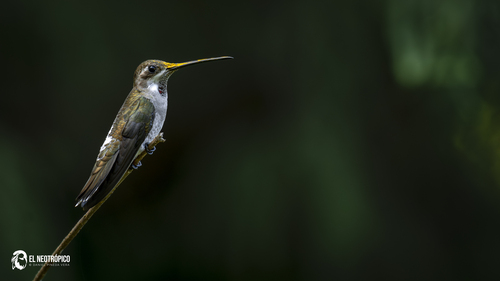
ムジボウシノドフサハチドリ (Heliomaster constantii) ムジボウシノドフサハチドリ
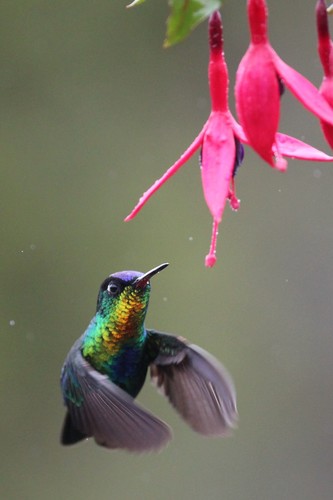
ヒノドハチドリ (Panterpe insignis) ヒノドハチドリ

メディア

読み込み中…

要点

ムジボウシノドフサハチドリとヒノドハチドリの最も信頼できるフィールドマークは、喉と腹部の色彩です:ムジボウシノドフサハチドリは、常に鈍い茶色がかった灰色の腹部に対して、変動はありますが常に鮮明に定義された金属的な赤または紫がかったゴルゲットを示します。一方、ヒノドハチドリは、炎のような多色の喉(銅色のオレンジの中心、金色の緑の側面)と一貫して明るい緑から青緑の腹部で目を奪います。くちばしの構造も役立ちます:ムジボウシノドフサハチドリのくちばしは長く、ほぼ真っ直ぐで完全に黒いのに対し、ヒノドハチドリのくちばしは短く、わずかに下向きで、下顎の基部にピンクがかった部分があります。飛んでいる時や止まっている時、ムジボウシノドフサハチドリの白い尾羽の筋と白い顔の模様は、ヒノドハチドリの青い冠と全体的に暗い顔と対照的です。未成熟のムジボウシノドフサハチドリは、淡い羽の縁を持つすすけた茶色の喉を持ち、ヒノドハチドリの未成熟個体は成鳥に似ています。サイズと構造の違いは微妙ですが存在し、ムジボウシノドフサハチドリは特に大きくて重いです。

識別のコツ

  1. Throat and underparts color (all ages): ムジボウシノドフサハチドリは、鮮明に定義された金属的な赤または紫がかったゴルゲット(成鳥)を持つか、淡い羽の縁を持つすすけた茶色の喉(未成熟)を持ち、常に鈍い茶色がかった灰色の腹部に対して設定されています。ヒノドハチドリは、炎のような多色の喉(銅色のオレンジの中心、金色の緑の側面)と、すべての羽衣で明るい緑から青緑の腹部を示します。
  2. White rump streak (all ages): ムジボウシノドフサハチドリは、飛んでいる時や止まっている時に見える大胆な白い尾羽の筋を持っています;ヒノドハチドリはこの特徴を完全に欠いています。
  3. Facial markings: ムジボウシノドフサハチドリは、広い白い口ひげと目の後ろにより目立つ、細長い白い筋を示します;ヒノドハチドリは目の後ろに小さな白い斑点を持ち、ほとんど黒い顔をしています。
  4. Crown color: ヒノドハチドリは、黒い顔と後頭部と対照的なきらめくロイヤルブルーの冠を持っています;ムジボウシノドフサハチドリの冠は金属的ではなく、青銅色の緑の上面と混ざっています。
  5. Bill structure: ムジボウシノドフサハチドリのくちばしは長く、ほぼ真っ直ぐで完全に黒い;ヒノドハチドリのくちばしは短く、わずかに下向きで、下顎の基部にピンクがかった部分があります(良い光の中でこれを探してください)。
  6. Tail pattern: ムジボウシノドフサハチドリの尾は青銅色の緑で、黒っぽい端と白い内側の縁を持っています(特に扇ぐ時に目立ちます);ヒノドハチドリの尾は青黒く、白はありません。
  7. Size and bulk: ムジボウシノドフサハチドリは大きくて重く、長いくちばしとわずかにがっしりとした外観を持っています;ヒノドハチドリは小さくてコンパクトですが、両方が一緒に見られない限り微妙です。
  8. Immature throat pattern: 若いムジボウシノドフサハチドリは、淡い羽の縁を持つすすけた茶色の喉を持ち、金属的な色を欠いています;ヒノドハチドリの未成熟個体はすでにいくつかの虹色の喉の色を示しています。
  9. Underparts contrast: ムジボウシノドフサハチドリの腹部は茶色がかった灰色で、白い腹部と白い先端の淡い灰色の尾羽の覆いを持っています;ヒノドハチドリの腹部は明るい緑から青緑で、紫色の青い胸の斑点があり、白い腹部はありません。
  10. Flank tufts: ムジボウシノドフサハチドリは、羽毛がふくらんでいる時に目立つ大きな白い羽毛の房を持っています;ヒノドハチドリはこれを欠いています。
  11. Habitat and elevation: コスタリカまたはパナマの1600 m以上の高地の雲霧林やパラモにいる場合、ヒノドハチドリが期待されます;ムジボウシノドフサハチドリは低い標高に見られ、パナマには存在しません。
  12. Behavior: ヒノドハチドリは攻撃的で、他のハチドリを追い払うことがよくあります;ムジボウシノドフサハチドリはあまり支配的ではなく、より孤立しています。
  13. Perching jizz: ムジボウシノドフサハチドリは、長いくちばしと白い尾羽の筋を見せるために、露出した枝にオープンに止まることがよくあります;ヒノドハチドリは花や樹冠で見られる可能性が高いです。
  14. Vocalizations: 繰り返し聞こえる鼻音の「ケク...ケク...」を聞いた場合、ヒノドハチドリの可能性が高いです;ムジボウシノドフサハチドリの声はこの文脈では特徴的ではありません。
  15. Pitfalls: 両種は目の後ろに白い斑点を持っていますが、ムジボウシノドフサハチドリだけが大胆な白い口ひげと尾羽の筋を持っています。ムジボウシノドフサハチドリの金属的な喉は常に単一の色の斑点であり、ヒノドハチドリの虹色の効果はありません。未成熟のムジボウシノドフサハチドリは鈍く見えるかもしれませんが、どの年齢でもヒノドハチドリの緑や青の色合いは欠いています。

大きさ

ムジボウシノドフサハチドリは大きくて重い種です:長さ11〜13 cm、両性で約7.2〜7.4 gの重さです。ヒノドハチドリは小さくて軽く、長さ10.5〜11 cm、重さ4.9〜6.2 gです。フィールドでは、このサイズの違いは微妙ですが、両種が一緒に見られない限り、ムジボウシノドフサハチドリの長いくちばしとわずかにがっしりとしたフレームが目立つことがあります。

羽色

幼鳥と未成熟の鳥は、喉のパターンによって最も確実に区別されます:若いムジボウシノドフサハチドリは、金属的な色を欠いた灰色がかった白い羽の縁を持つ暗いすすけた茶色の喉を持ち、ヒノドハチドリ(未成熟および成鳥)は常に何らかの程度の虹色の多色の喉(銅色のオレンジ、金色の緑、青紫)を示します。成鳥では、ムジボウシノドフサハチドリのゴルゲットは、すすけた顎と茶色がかった灰色の腹部によって際立つ金属的な赤から紫がかった赤の鮮明に定義された斑点です。ヒノドハチドリの顔はほとんど黒で青い冠を持ち、腹部は一貫して明るい緑から青緑で、紫色の青い胸の斑点があり、白い尾羽の筋はありません。ムジボウシノドフサハチドリの尾は青銅色の緑で、黒っぽい端と白い内側の縁を持っていますが、ヒノドハチドリの尾は青黒く、白はありません。両種は目の後ろに白い斑点を持っていますが、ムジボウシノドフサハチドリの方がより目立ち、細長いです。

行動

ヒノドハチドリは著しく攻撃的で支配的であり、餌の領域を守り、他のハチドリを追い払うことがよくあります。ムジボウシノドフサハチドリは、混成種の群れの中ではあまり攻撃的ではありません。ヒノドハチドリは高地の花のパッチで見られる可能性が高く、しばしば樹冠や森林の端にいますが、ムジボウシノドフサハチドリはより孤立しているか、緩やかな関連で、露出した枝に目立って止まることが多いです。両種は蜜や小さな節足動物を食べますが、ヒノドハチドリは他の動物によって作られた穴を使用して、より深い花で餌を取るのが観察されることがあります。

生息環境

ムジボウシノドフサハチドリはメキシコからコスタリカまで分布し、通常は低地から中標高の生息地にいます。ヒノドハチドリはコスタリカと西パナマの高地の森林とその端に制限されており、通常は1600 m以上、最大3200 mまでです。コスタリカまたはパナマの2000 m以上の真の雲霧林、エルフィンフォレスト、またはパラモの端にいる場合、ヒノドハチドリがはるかに可能性が高いです。ムジボウシノドフサハチドリはこれらの高地には存在せず、パナマには見られません。

声

ヒノドハチドリは、繰り返し聞こえる鼻音の「ケク...ケク...」を速い系列で発し、複雑で速い液体の呼び声を出します。ムジボウシノドフサハチドリの声は提供されたメモには記載されていないため、ヒノドハチドリの特徴的な呼び声が聞こえない限り、声は信頼できる区別にはなりません。

より良い説明を送る

比較と同じ項目を使ってください。文章はすぐに公開されます。

The most reliable field mark between Plain-capped Starthroat and Fiery-throated Hummingbird is the throat and underparts coloration: Plain-capped Starthroat shows a variable but always sharply defined metallic red or purplish gorget set against dull brownish-gray underparts, while Fiery-throated Hummingbird dazzles with a fiery, multi-hued throat (coppery orange center, golden green sides) and consistently bright green to blue-green underparts. Bill structure is also helpful: the starthroat’s bill is longer, almost straight, and entirely black, while the fiery-throated’s is shorter, slightly decurved, and has a pinkish base to the lower mandible. In flight or perched, the starthroat’s white rump streak and white facial markings contrast with the fiery-throated’s blue crown and overall darker face. Immature starthroats have a sooty brown throat with pale feather margins, while fiery-throated immatures resemble adults. Size and structure differences are subtle but present, with the starthroat being notably larger and heavier.

  1. Throat and underparts color (all ages): Plain-capped Starthroat has a sharply defined metallic red or purplish gorget (adults), or a sooty brown throat with pale feather margins (immatures), always set against dull brownish-gray underparts. Fiery-throated Hummingbird shows a fiery, multi-hued throat (coppery orange center, golden green sides) and bright green to blue-green underparts in all plumages.
  2. White rump streak (all ages): Starthroat has a bold white streak on the rump, visible in flight and often when perched; fiery-throated lacks this feature entirely.
  3. Facial markings: Starthroat shows a wide white moustache and a more prominent, elongated white streak behind the eye; fiery-throated has a small white spot behind the eye and a mostly black face.
  4. Crown color: Fiery-throated has a glittering royal blue crown, contrasting with its black face and nape; starthroat’s crown is less metallic and blends with the bronze green upperparts.
  5. Bill structure: Starthroat’s bill is long, almost straight, and entirely black; fiery-throated’s bill is shorter, slightly decurved, and has a pinkish base to the lower mandible (look for this in good light).
  6. Tail pattern: Starthroat’s tail is bronze green with blackish ends and white inner edges (especially visible when fanned); fiery-throated’s tail is blue-black with no white.
  7. Size and bulk: Starthroat is larger and heavier, with a longer bill and slightly bulkier look; fiery-throated is smaller and more compact, but this can be subtle unless both are seen together.
  8. Immature throat pattern: Young starthroats have a sooty brown throat with pale feather edges and lack metallic colors; fiery-throated immatures already show some iridescent throat coloration.
  9. Underparts contrast: Starthroat’s underparts are brownish-gray with a white belly and pale gray undertail coverts tipped white; fiery-throated’s underparts are bright green to blue-green, with a violet-blue breast patch and no white belly.
  10. Flank tufts: Starthroat has large white feather tufts on the flanks, which can be conspicuous when the bird is fluffed up; fiery-throated lacks these.
  11. Habitat and elevation: If you are in highland cloud forest or páramo above 1600 m in Costa Rica or Panama, fiery-throated is expected; starthroat is found at lower elevations and is absent from Panama.
  12. Behavior: Fiery-throated is aggressive, often chasing other hummingbirds; starthroat is less dominant and more solitary.
  13. Perching jizz: Starthroat often perches openly on exposed branches, showing off its long bill and white rump streak; fiery-throated is more likely to be seen at flowers or in the canopy.
  14. Vocalizations: If you hear a repeated nasal, squeaky 'kek...kek...', fiery-throated is likely; starthroat’s voice is not distinctive in this context.
  15. Pitfalls: Both species have a white spot behind the eye, but only starthroat has a bold white moustache and rump streak. The metallic throat of starthroat is always a single color patch, never the rainbow effect of fiery-throated. Immature starthroats may appear dull, but lack the green and blue hues of fiery-throated at any age.

Plain-capped Starthroat is the larger and heavier species: 11–13 cm long and about 7.2–7.4 g in weight for both sexes. Fiery-throated Hummingbird is smaller and lighter, at 10.5–11 cm and 4.9–6.2 g. In the field, this size difference can be subtle unless both species are seen together, but the starthroat’s longer bill and slightly bulkier frame may stand out, especially when perched.

Juvenile and immature birds are most reliably separated by throat pattern: young Plain-capped Starthroats have a dark sooty brown throat with grayish-white feather margins, lacking any metallic color, while Fiery-throated Hummingbirds (immature and adult) always show some degree of iridescent, multi-colored throat (coppery orange, golden green, blue-violet). In adults, the starthroat’s gorget is a sharply defined patch of metallic red to purplish red, set off by a sooty chin and brownish-gray underparts, with a bold white moustache and a wide white rump streak. The fiery-throated’s face is mostly black with a blue crown, and the underparts are consistently bright green to blue-green, with a violet-blue breast patch and no white rump streak. The starthroat’s tail is bronze green with blackish ends and white inner edges, while the fiery-throated’s tail is blue-black with no white. Both species have a white spot behind the eye, but it is more prominent and elongated in the starthroat.

Fiery-throated Hummingbird is notably aggressive and dominant, often defending feeding territories and chasing away other hummingbirds, including larger species. Plain-capped Starthroat is less aggressive in mixed-species flocks. Fiery-throateds are more likely to be seen at highland flower patches, often in the canopy or at forest edge, while starthroats are more often solitary or in loose association, perching conspicuously on open branches. Both species feed on nectar and small arthropods, but fiery-throateds may be observed feeding at deeper flowers, sometimes using holes made by other animals.

Plain-capped Starthroat ranges from Mexico to Costa Rica, typically in lowland to mid-elevation habitats. Fiery-throated Hummingbird is restricted to highland forests and edges in Costa Rica and western Panama, usually above 1600 m and up to 3200 m. If you are in true cloud forest, elfin forest, or at the edge of páramo above 2000 m in Costa Rica or Panama, fiery-throated is far more likely. Starthroat is absent from these high elevations and is not found in Panama.

Fiery-throated Hummingbird gives a repeated nasal, squeaky 'kek...kek...' in fast series, and a complex, fast liquid call. Plain-capped Starthroat’s vocalizations are not described in the provided notes, so voice is not a reliable separator unless the fiery-throated’s distinctive calls are heard.

変更を破棄しますか?

保存していない編集があります。今離れると失われます。

ムジボウシノドフサハチドリ · ヒノドハチドリ · 苦手な鳥