

Motmot

ハイイロアリモズモドキ 対 クロルリノジコ

Dysithamnus mentalis 対 Cyanoloxia cyanoides

ハイイロアリモズモドキとクロルリノジコのクイズ
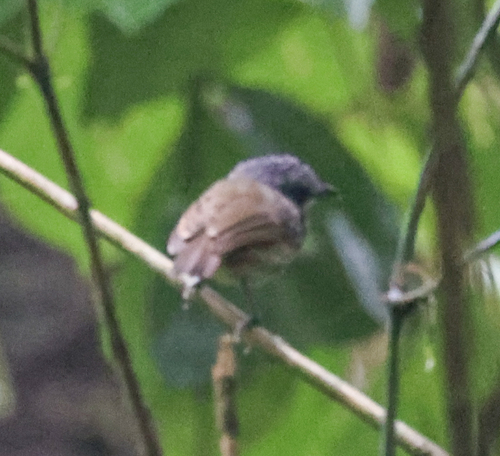
ハイイロアリモズモドキ (Dysithamnus mentalis) ハイイロアリモズモドキ
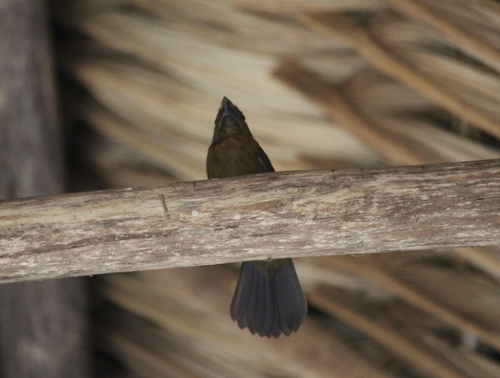
クロルリノジコ (Cyanoloxia cyanoides) クロルリノジコ

メディア

読み込み中…

要点

ハイイロアリモズモドキとクロルリノジコを区別する最も信頼性の高いフィールドマークは、全体の色と翼のパターンです:成鳥のオスのクロルリノジコは、明るい青い眉と肩の斑点を持つ深い青色で目立ちますが、オスのハイイロアリモズモドキは、白い先端を持つ灰色がかったオリーブ色の翼覆いと隠れた白い肩羽の斑点を持っています。メスも明確に異なります:メスのハイイロアリモズモドキは、上面がオリーブ色からシナモン色で、下面が黄色がかった色をしていますが、メスのクロルリノジコは、暗い茶色で、時には赤みを帯びています。構造的には、クロルリノジコはより大きく、重いくちばしを持ち、ハイイロアリモズモドキはコンパクトで短い尾と相対的に大きな頭を持っています。未熟な個体やメスの鳥は、暗い光の中で混同されることがありますが、くちばしのサイズ、翼覆いのパターン、全体の色合いに注意を払うことで、ほとんどのフィールド条件で区別できます。

識別のコツ

  1. Adult male color: オスのクロルリノジコは、明るい青い眉と肩の斑点を持つ深い青色です;オスのハイイロアリモズモドキは、暗い灰色の冠と黒っぽい耳覆いを持つ灰色がかったオリーブ色です。これは良い光の中で最も明白な区別です。
  2. Female/immature color: メスのハイイロアリモズモドキは、上面がオリーブ色からシナモン色で、下面が黄色がかった色をしています;メスのクロルリノジコは、暗い茶色で、時には赤みを帯びており、黄色やオリーブ色のトーンはありません。未熟なクロルリノジコはメスに似ています。
  3. Wing coverts: ハイイロアリモズモドキ(すべての年齢/性別)は、より大きい覆い羽と中間覆い羽に白い先端を示し、時には明確な翼の帯を形成し、飛翔羽にはオリーブまたはオリーブ黄色の縁があります。クロルリノジコは翼覆い羽に白を持たず、オスは青い肩の斑点を持ち、メスは均一に暗い茶色です。
  4. Hidden scapular patch: オスのハイイロアリモズモドキは、肩羽の間に隠れた白い斑点を持ち、時には鳥が羽を膨らませたり、羽繕いをしているときにちらりと見えることがあります;クロルリノジコはこれを示しません。
  5. Bill shape and size: クロルリノジコは、種子食者に典型的な厚く円錐形のくちばしを持ち、ハイイロアリモズモドキの短く尖ったくちばしよりもはるかに大きく重いです。これは近距離または写真での診断的な特徴です。
  6. Head and tail structure: ハイイロアリモズモドキはコンパクトで、大きな頭と短い尾を持っています;クロルリノジコは全体的により大きく、相対的に長い尾と重い体を持っています。
  7. Underpart color: ハイイロアリモズモドキのオスは、灰色の斑点がある白い喉と上胸、淡い灰色の側面、黄色の腹部を持っています;メスは下面がより広範囲に黄色です。クロルリノジコのオスは全体が青で、メスは全体が茶色です。
  8. Behavior: ハイイロアリモズモドキは、密な葉の中を素早く意図的に動くことが多く、尾をしばしば振ります;クロルリノジコはより遅く、しばしばよりオープンに止まっており、あまり活動的ではありません。
  9. Habitat context: 密で陰のある下層で深く見られる場合、ハイイロアリモズモドキの可能性が高いです;クロルリノジコはエッジやよりオープンなエリアを好みます。
  10. Size impression: 混合した群れの中で、クロルリノジコはハイイロアリモズモドキよりもはるかに大きく、重いように見えます。
  11. No blue in antvireo: 鳥に青のヒントがあれば、ハイイロアリモズモドキは除外されます。
  12. No yellow in grosbeak: 下面や翼の縁に黄色またはオリーブ黄色があれば、クロルリノジコは除外されます。
  13. No white wing bars in grosbeak: 白い先端の覆い羽や翼の帯はハイイロアリモズモドキを示します。
  14. No thick conical bill in antvireo: 重い種子食者のくちばしはクロルリノジコの診断的な特徴です。
  15. Singing bird: 開けた止まり木から歌っている鳥を見た場合、それが青または茶色であれば、クロルリノジコを考慮してください;ハイイロアリモズモドキはより秘密主義で、露出した止まり木から歌う可能性は低いです。

大きさ

ハイイロアリモズモドキは小さくてずんぐりした鳥です(10–13 cm、12–16 g)[wikipedia]。クロルリノジコはより大きく、頑丈で、明らかに重いくちばしを持っています(正確な測定値はメモに提供されていませんが、このグループのすべてのクロルリノジコはハイイロアリモズモドキよりもかなり大きいです)[wikipedia]。直接比較すると、クロルリノジコは特にくちばしと体の部分で、より大きく、長く見え、ハイイロアリモズモドキはコンパクトで短い尾と大きな頭を持っています。

羽色

成鳥のオスのクロルリノジコは全体が深い青色で、明るい青い眉と青い肩の斑点を持っています;額もより淡い青色です。成鳥のオスのハイイロアリモズモドキは、上面が灰色がかったオリーブ色で、暗い灰色の冠と黒っぽい耳覆いを持ち、隠れた白い肩羽の斑点があります。ハイイロアリモズモドキの翼は、より大きい覆い羽と中間覆い羽に白い先端を示し、飛翔羽にはオリーブ色の縁がありますが、クロルリノジコの翼は均一に青黒く、青い肩の斑点を持っています。メスも明確に異なります:メスのハイイロアリモズモドキは、上面がオリーブ色からシナモン色で、下面が黄色がかった色をしていますが、メスのクロルリノジコは暗い茶色で、時には赤みを帯びており、黄色やオリーブ色のトーンはありません。幼鳥や未熟な羽毛はどちらの種でも詳細には記載されていませんが、覆い羽と全体の色の違いは持続するはずです。ハイイロアリモズモドキの亜種の変異は灰色や黄色の量に影響を与える可能性がありますが、決してクロルリノジコの深い青や暗い茶色には達しません。すべての年齢と性別において、クロルリノジコはハイイロアリモズモドキの白い先端の覆い羽と隠れた肩羽の斑点を持っていません。

行動

ハイイロアリモズモドキは通常、森林の下部から中層で、ペアや小グループで計画的に動いているのが見られ、短く意図的な跳躍と尾の振りで知られています。クロルリノジコは、単独またはペアで見られる可能性が高く、しばしばよりオープンに止まったり、中層の止まり木から歌ったりします。クロルリノジコはハイイロアリモズモドキよりも鈍く見えることがあり、彼らの重い体はより遅く、重々しい動きに現れます。

生息環境

両種は中南米の湿った森林とエッジの生息地で重複することがありますが、ハイイロアリモズモドキは密で陰のある下層と中層に厳密に結びついており、成熟した森林や二次森林でよく見られます。一方、クロルリノジコはより柔軟で、森林のエッジ、二次成長、時にはよりオープンな森林で見られます。ハイイロアリモズモドキは密な藪の内部で見つかる可能性が高く、クロルリノジコは森林の縁や半オープンなエリアで見られることがあります。

より良い説明を送る

比較と同じ項目を使ってください。文章はすぐに公開されます。

The most reliable field mark to separate Plain Antvireo from Blue-black Grosbeak is overall color and wing pattern: adult male grosbeaks are a striking deep blue with lighter blue eyebrows and shoulder patches, while male antvireos are grayish olive with white-tipped wing coverts and a hidden white scapular patch. Females are also distinct: female antvireos are olive to cinnamon-tawny above with yellowish underparts, while female grosbeaks are dark brown, sometimes with a reddish hue. Structurally, grosbeaks are larger and heavier-billed, while antvireos are compact with a short tail and a proportionally large head. Immature and female birds can be confused in poor light, but careful attention to bill size, wing covert pattern, and overall coloration will separate them in most field conditions.

  1. Adult male color: Male Blue-black Grosbeak is deep blue with lighter blue eyebrows and shoulder patch; male Plain Antvireo is grayish olive above with a dark gray crown and blackish ear coverts. This is the most obvious separation in good light.
  2. Female/immature color: Female antvireo is olive to cinnamon-tawny above with yellowish underparts; female grosbeak is dark brown, sometimes with a reddish tinge, and lacks yellow or olive tones. Immature grosbeaks resemble females.
  3. Wing coverts: Antvireo (all ages/sexes) shows white tips on the greater and median coverts, sometimes forming a distinct wing bar, and olive or olive-yellow edges to flight feathers. Grosbeak lacks any white on the wing coverts; males have a blue shoulder patch, females are uniformly dark brown.
  4. Hidden scapular patch: Male antvireo has a hidden white patch between the scapulars, sometimes glimpsed when the bird is fluffed or preening; grosbeak never shows this.
  5. Bill shape and size: Grosbeak has a thick, conical bill typical of seed-eaters, much larger and heavier than the short, pointed bill of antvireo. This is diagnostic at close range or in photos.
  6. Head and tail structure: Antvireo is compact, with a large head and short tail; grosbeak is bulkier overall, with a proportionally longer tail and heavier body.
  7. Underpart color: Antvireo males have a white throat and upper breast with gray spots, pale gray flanks, and a yellow belly center; females have more extensive yellow below. Grosbeak males are blue throughout, females are brown throughout.
  8. Behavior: Antvireos move quickly and deliberately through dense foliage, often flicking their tails; grosbeaks are slower, often perched more openly and less active.
  9. Habitat context: If seen deep in dense, shaded understory, antvireo is more likely; grosbeak prefers edges and more open areas.
  10. Size impression: In mixed flocks, grosbeak will appear much larger and bulkier than antvireo.
  11. No blue in antvireo: Any hint of blue on the bird rules out antvireo.
  12. No yellow in grosbeak: Any yellow or olive-yellow on underparts or wing edges rules out grosbeak.
  13. No white wing bars in grosbeak: White-tipped coverts or wing bars indicate antvireo.
  14. No thick conical bill in antvireo: A heavy, seed-eater's bill is diagnostic for grosbeak.
  15. Singing bird: If you see a bird singing from an open perch and it's blue or brown, consider grosbeak; antvireo is more secretive and less likely to sing from an exposed perch.

Plain Antvireo is a small, chunky bird (10–13 cm, 12–16 g) [wikipedia]. Blue-black Grosbeak is larger and more robust, with a noticeably heavier bill (exact measurements not provided in the notes, but all grosbeaks in this group are substantially bigger than antvireos) [wikipedia]. In direct comparison, the grosbeak will look bulkier and longer, especially in the bill and body, while the antvireo appears compact with a short tail and large head.

Adult male Blue-black Grosbeak is deep blue overall with lighter blue eyebrows and a blue shoulder patch; the forehead is also paler blue. Adult male Plain Antvireo is grayish olive above, with a dark gray crown and blackish ear coverts, and has a hidden white scapular patch. The antvireo's wings show white tips on the greater and median coverts, and olive edges to the flight feathers, while the grosbeak's wings are uniformly blue-black with the blue shoulder patch. Females are also distinct: female antvireo is olive to cinnamon-tawny above with yellowish underparts, while female grosbeak is dark brown, sometimes with a reddish tinge, lacking any yellow or olive tones. Juvenile and immature plumages are not detailed for either species, but the covert and overall color differences should persist. Subspecific variation in antvireo can affect the amount of gray or yellow, but never approaches the deep blue or dark brown of grosbeak. In all ages and sexes, the grosbeak lacks the white-tipped coverts and hidden scapular patch of the antvireo.

Plain Antvireo is typically seen moving methodically in the lower to mid-levels of forest, often in pairs or small groups, and is known for its short, deliberate hops and tail flicks. Blue-black Grosbeak is more likely to be seen singly or in pairs, often perched more openly or singing from a mid-level perch. Grosbeaks may appear more sluggish and less active than antvireos, and their heavier build is apparent in their slower, more ponderous movements.

Both species can overlap in humid forest and edge habitats in Central and South America, but Plain Antvireo is more strictly tied to dense, shaded understory and mid-levels, often in mature or secondary forest, while Blue-black Grosbeak is more flexible, occurring in forest edges, second growth, and sometimes more open woodland. Antvireos are more likely to be found in the interior of dense thickets, while grosbeaks may be seen at forest margins or in semi-open areas.

変更を破棄しますか?

保存していない編集があります。今離れると失われます。

ハイイロアリモズモドキ · クロルリノジコ · 苦手な鳥