

Motmot

フエコチドリ 対 オオメダイチドリ

Charadrius melodus 対 Anarhynchus leschenaultii

フエコチドリとオオメダイチドリのクイズ
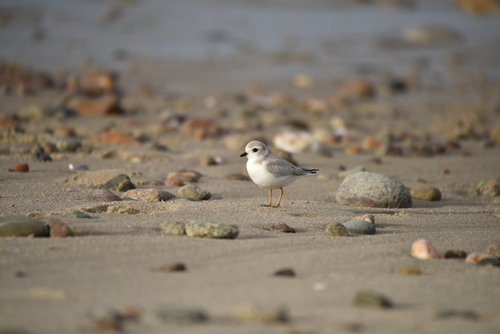
フエコチドリ (Charadrius melodus) フエコチドリ
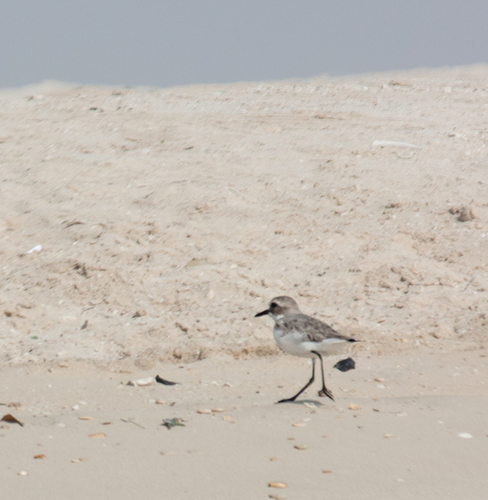
オオメダイチドリ (Anarhynchus leschenaultii) オオメダイチドリ

メディア

読み込み中…

要点

フエコチドリとオオメダイチドリを区別する最も信頼できるフィールドマークは足の色です:フエコチドリは明るい黄色オレンジの足を持ち、オオメダイチドリは緑がかった黄色の足を持っています。フエコチドリは明らかに小さく、ずんぐりしており、オオメダイチドリに比べて短くて太いくちばしを持っています。繁殖羽では、フエコチドリは鋭い黒い額帯と細い黒い首輪を持ち、オオメダイチドリのオスはオレンジ色の胸帯と額、黒いアイマスクを示します。非繁殖期や未熟な羽はより難しいですが、フエコチドリは常により淡く、よりコンパクトに見え、短いくちばしと明るい足を持っています。羽があいまいなときは、構造と足の色に注意してください。

識別のコツ

  1. 足の色は最も信頼できるフィールドマークです: フエコチドリは常に明るい黄色オレンジの足を持ち、オオメダイチドリは緑がかった黄色の足を持っています。これはすべての羽色と年齢で近距離または良好な光学機器で確認できます。
  2. くちばしの構造: フエコチドリは短くて太く、オレンジ色の黒い先端を持つくちばしを持っています。オオメダイチドリは長くて太い、全体が黒いくちばしを持っています(ただし、正確な長さは亜種によって異なります)。これは特に鳥が並んでいるときに強い構造的手がかりです。
  3. サイズと形: フエコチドリは非常に小さくて丸みを帯びており、大きな頭と短い首を持ち、コンパクトでずんぐりした外観を与えます。オオメダイチドリは明らかに大きく、長い足を持ち、より細長く、長い首とより水平な姿勢を持っています。
  4. 繁殖羽の頭のパターン: フエコチドリのオスは額に鋭い黒い帯と細い黒い首輪を示します。オオメダイチドリのオスはオレンジ色の額と後頭部、変動するオレンジ色の胸帯、黒いアイマスクを持っています。両方の雌は鈍いですが、構造的には異なります。
  5. 非繁殖期/幼鳥の羽: 両種は鈍くなりますが、フエコチドリは常により淡く、上部は砂色で、明るい足と短いくちばしを持っています。オオメダイチドリは上部が茶色で、わずかに赤褐色の色合いがあり、緑がかった黄色の足と長いくちばしを持っています。
  6. 非繁殖羽のくちばしの色: フエコチドリのくちばしはオレンジ色の黒い先端を持ち、オオメダイチドリのくちばしは常に黒です。
  7. 胸帯: フエコチドリの胸帯は細く、黒く、繁殖期以外ではしばしば不完全または薄いです。オオメダイチドリの胸帯はオレンジ色で、繁殖期のオスではより広く、非繁殖期の鳥ではわずかに色あせるか、欠けています。
  8. 額帯: フエコチドリは黒い額帯(オス)または薄い帯(雌)を持ち、オオメダイチドリは繁殖期のオスではオレンジ色(黒ではない)の額を持ち、鋭い黒い帯はありません。
  9. 足の長さ: オオメダイチドリの足は体に対してはるかに長く、より高く、より直立した姿勢を与えます。
  10. 生息地と分布: フエコチドリは北アメリカの繁殖者です。オオメダイチドリは旧世界の種で、北アメリカではまれな漂流者としてのみ現れます。文脈が重要です。
  11. 飛行プロファイル: フエコチドリは飛行中にコンパクトで丸みを帯びて見え、オオメダイチドリはより長い翼を持ち、より伸びたプロファイルを示します。
  12. ジズ: フエコチドリはしばしばより静的で意図的に見え、オオメダイチドリはより活発で迅速に地面をカバーします。
  13. 性差: フエコチドリでは、オスの額と胸の帯は雌よりもはるかに目立ちますが、両性は同じ構造と足の色を共有しています。オオメダイチドリでは、繁殖羽のオスはよりカラフルですが、構造と裸の部分の色は一貫しています。
  14. 特徴的な上翼パターンはなし: どちらの種も迅速な区別のためのユニークな上翼または飛行パターンを示さないため、飛行中は構造と裸の部分の色に頼ってください。
  15. 潜在的な落とし穴: 薄暗い光や距離では、足の色を判断するのが難しい場合があります。構造とくちばしの形をバックアップとして使用してください。幼鳥や非繁殖期の鳥は最も混乱しやすいですが、フエコチドリのコンパクトな形状と明るい足は一貫しています。

大きさ

フエコチドリは明らかに小さく、コンパクトで、長さは15〜19 cm、体重は約55 gです [wikidata]。オオメダイチドリは大きく、長さは19〜22 cmです(質量は示されていませんが、明らかにより重いです)。一緒に見ると違いは非常に目立ちます:オオメダイチドリは長い足、長いくちばしを持ち、全体的により細長く、フエコチドリはスズメサイズでずんぐりしています。小さくて丸い短足のチドリを見たら、それはほぼ確実にフエコチドリです。大きくて細長い鳥で長い足と長いくちばしを持つものはオオメダイチドリを指します。

羽色

幼鳥と非繁殖羽は混乱を招くことがあります。両種は鈍くなり、強い色のコントラストを失います。しかし、フエコチドリの幼鳥と非繁殖の成鳥は淡い砂色の上部を保持し、常に明るい黄色オレンジの足と黒い先端を持つ短いオレンジ色のくちばしを持っています。繁殖期以外では胸帯は薄いか壊れており、額帯は減少しています。オオメダイチドリの幼鳥と非繁殖の鳥は上部が茶色で、わずかに赤褐色の色合いがあり、常に緑がかった黄色の足と黒いくちばしを持っています。繁殖羽では、フエコチドリのオスは鋭い黒い額帯と細い黒い首輪を持ち、オオメダイチドリのオスは変動するオレンジ色の胸帯、オレンジ色の額と後頭部、黒いアイマスクを示します。両種の雌は鈍いですが、構造的な違いと足の色は信頼できます。どちらの種にも特徴的な上翼や飛行パターンのマークは記載されていないため、構造と裸の部分の色に焦点を当ててください。

行動

両種は開けた砂地や砂利の生息地で餌を探し、走ったり止まったりして獲物をついばみます。フエコチドリはオオメダイチドリよりも意図的で落ち着いているように見えることが多く、オオメダイチドリは長い足のためにより活発に見え、より多くの地面をカバーします。飛行中、フエコチドリはコンパクトで丸みを帯びて見え、オオメダイチドリはより長く、より伸びたプロファイルを示します。両種は警戒心がありますが、フエコチドリは特に巣作りのビーチでの人間の干渉に敏感です。

生息環境

フエコチドリは北アメリカの繁殖者であり、沿岸の砂浜や砂利のビーチ、砂州、湖の岸に生息しています。オオメダイチドリは中央アジアで繁殖し、アフリカからオーストラレーシアまでのビーチや干潟で冬を越します。北アメリカではまれな漂流者です。北アメリカにいて砂浜で小さなチドリを見た場合、フエコチドリの可能性が非常に高く、漂流者のオオメダイチドリの稀な場合を除きます。両種は開けた砂地や砂利の生息地を好みますが、文脈と分布は強い手がかりです。

より良い説明を送る

比較と同じ項目を使ってください。文章はすぐに公開されます。

The most reliable field mark to separate Piping Plover from Greater Sand Plover is leg color: Piping Plover shows bright yellow-orange legs, while Greater Sand Plover has greenish-yellow legs. Piping Plover is distinctly smaller, stockier, and has a shorter, stubbier bill compared to the longer-legged, longer-billed Greater Sand Plover. In breeding plumage, Piping Plover has a sharp black forehead band and a thin black neck ring, while Greater Sand Plover males show an orange breast band and forehead with a black eye mask. Nonbreeding and immature plumages are more challenging, but the Piping Plover always looks paler and more compact, with a shorter bill and brighter legs. Watch for structure and leg color when plumage is ambiguous.

  1. Leg color is the single most reliable field mark: Piping Plover always has bright yellow-orange legs, while Greater Sand Plover has greenish-yellow legs. This is visible at close range or with good optics in all plumages and ages.
  2. Bill structure: Piping Plover has a short, thick, stubby bill that is orange with a black tip. Greater Sand Plover has a longer, thicker, all-black bill (though the exact length varies by subspecies). This is a strong structural clue, especially when birds are side by side.
  3. Size and shape: Piping Plover is much smaller and rounder, with a large head and short neck, giving a compact, chunky appearance. Greater Sand Plover is noticeably larger, longer-legged, and more elongated, with a longer neck and a more horizontal stance.
  4. Breeding plumage head pattern: Piping Plover males show a sharp black band across the forehead and a thin black neck ring. Greater Sand Plover males have an orange forehead and nape, a variable orange breast band, and a black eye mask. Females of both are duller but still structurally distinct.
  5. Nonbreeding/juvenile plumage: Both species become duller, but Piping Plover remains paler, sandier above, and always has bright legs and a short bill. Greater Sand Plover is browner above, with only a faint rufous tinge, greenish-yellow legs, and a longer bill.
  6. Bill color in nonbreeding plumage: Piping Plover's bill remains orange with a black tip, while Greater Sand Plover's bill is always black.
  7. Breast band: Piping Plover's breast band is thin, black, and often incomplete or faint outside breeding season. Greater Sand Plover's is orange and broader in breeding males, fading to a hint or absent in nonbreeding birds.
  8. Forehead band: Piping Plover has a black forehead band (male) or faint band (female), while Greater Sand Plover has an orange (not black) forehead in breeding males and lacks a sharp black band.
  9. Leg length: Greater Sand Plover's legs are much longer in proportion to the body, giving it a taller, more upright posture.
  10. Habitat and range: Piping Plover is a North American breeder; Greater Sand Plover is an Old World species and only appears as a rare vagrant in North America. Context is key.
  11. Flight profile: Piping Plover in flight appears compact and rounded; Greater Sand Plover looks longer-winged and more stretched.
  12. Jizz: Piping Plover often appears more static and deliberate, while Greater Sand Plover is more active and covers ground quickly.
  13. Sex differences: In Piping Plover, the male's forehead and breast bands are much more pronounced than the female's, but both sexes share the same structure and leg color. In Greater Sand Plover, males are more colorful in breeding plumage, but structure and bare part color remain consistent.
  14. No distinctive upperwing pattern: Neither species shows a unique upperwing or flight pattern for quick separation, so rely on structure and bare part color in flight.
  15. Potential pitfalls: In dull light or at distance, leg color can be hard to judge; use structure and bill shape as backup. Juvenile and nonbreeding birds are most easily confused, but Piping Plover's compact shape and bright legs are consistent.

Piping Plover is significantly smaller and more compact, measuring 15–19 cm in length and weighing around 55 g [wikidata]. Greater Sand Plover is larger, at 19–22 cm in length (no mass given, but clearly bulkier). The difference is quite noticeable when seen together: Greater Sand Plover is longer-legged, longer-billed, and overall more elongated, while Piping Plover is sparrow-sized and chunky. If you see a small, round, short-legged plover, it is almost certainly a Piping Plover; a larger, lankier bird with long legs and a longer bill points to Greater Sand Plover.

Juvenile and nonbreeding plumages can be confusing, as both species become duller and lose strong color contrasts. However, Piping Plover juveniles and nonbreeding adults retain a pale, sand-colored upperpart and always have bright yellow-orange legs and a short, orange bill with a black tip. Their breast band is faint or broken outside breeding season, and the forehead band is reduced. Greater Sand Plover juveniles and nonbreeding birds are browner above, with only a hint of rufous on the head, and always have greenish-yellow legs and a black bill. In breeding plumage, Piping Plover males have a sharp black forehead band and a thin black neck ring, while Greater Sand Plover males show a variable orange breast band, orange on the forehead and nape, and a black eye mask. Females of both species are duller, but the structural differences and leg color remain reliable. No distinctive upperwing or flight pattern marks are described for either species, so focus on structure and bare part coloration.

Both species forage in open sandy or gravelly habitats, running and pausing to pick at prey. Piping Plover often appears more deliberate and less restless than Greater Sand Plover, which may appear more active and cover more ground due to its longer legs. In flight, Piping Plover looks compact and rounded, while Greater Sand Plover shows a longer, more stretched profile. Both species can be wary, but Piping Plover is especially sensitive to human disturbance on nesting beaches.

Piping Plover is strictly a North American breeder, found on coastal sand and gravel beaches, sandbars, and lake shores. Greater Sand Plover breeds in Central Asia and winters on beaches and mudflats from Africa to Australasia; it is a rare vagrant to North America. If you are in North America and see a small plover on a sandy beach, Piping Plover is vastly more likely, except in the rare event of a vagrant Greater Sand Plover. Both species prefer open, sandy or gravelly habitats, but context and range are strong clues.

変更を破棄しますか?

保存していない編集があります。今離れると失われます。

フエコチドリ · オオメダイチドリ · 苦手な鳥